Algae are a group of autotrophic, non-vascular thalloid plants with chlorophyll and without any formation of embryo. They are mostly photosynthetic in nature. The plant body may be unicellular, colonial or multicellular. Algae possess a simple plant body which is called thallus. The thallus is not differentiated into true root, stem and leaves. They also
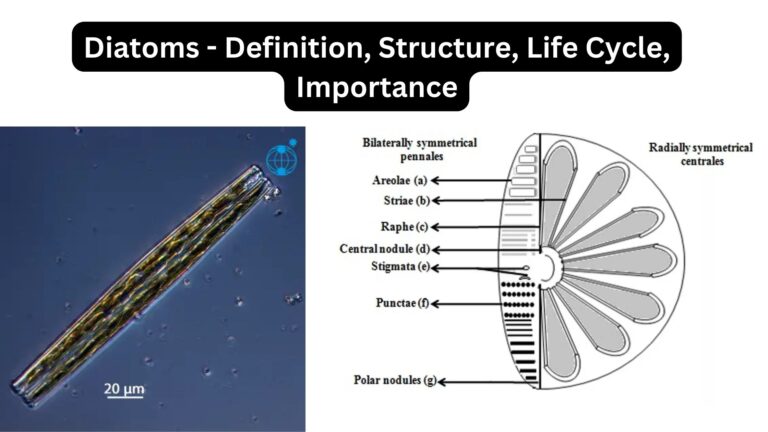
Diatoms are unicellular, eukaryotic microalgae which are found in marine water, freshwater, soil and many moist places. They are microscopic organisms and mostly live as plankton in water bodies. Diatoms are important member of phytoplankton and they perform photosynthesis like green plants. The most characteristic feature of diatoms is the presence of hard outer wall
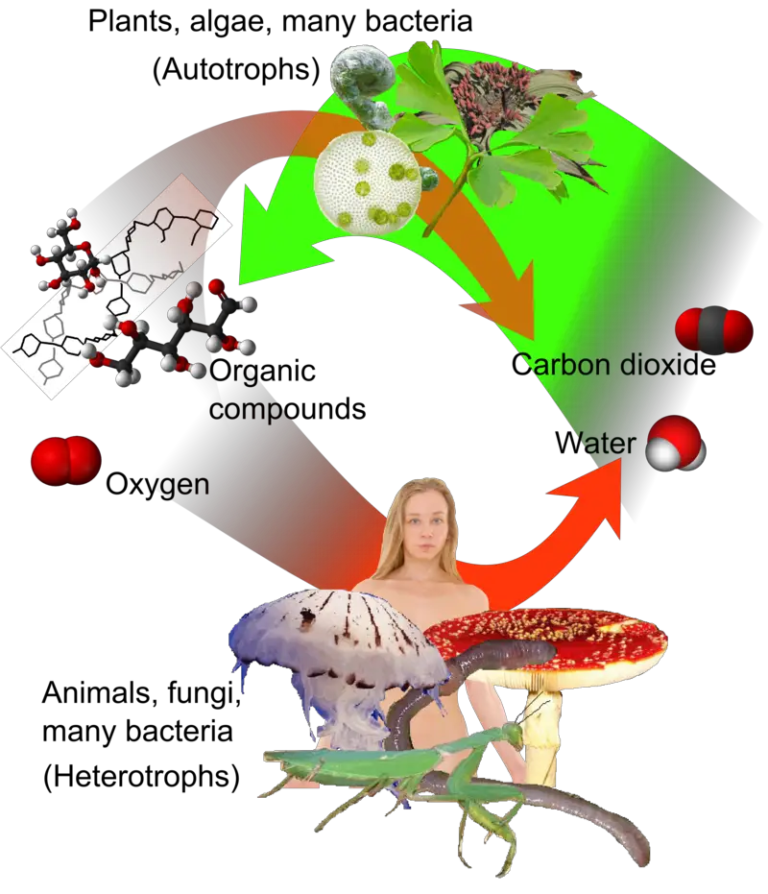
Algae are a group of autotrophic, photosynthetic and non-vascular organisms. They may be unicellular or multicellular in nature. Some algae are microscopic like phytoplankton, while some are large multicellular forms like giant kelp. Algae contain chlorophyll and prepare their food by photosynthesis. During this process they release oxygen and form organic food materials. For this
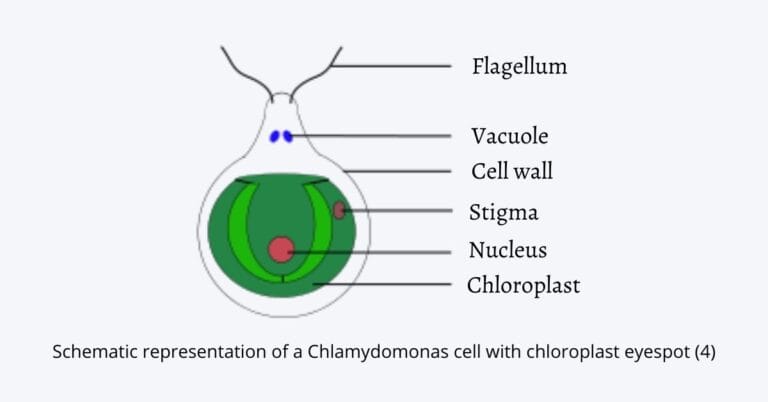
Eyespot help in cell’s phototaxis, it senses the intensity and direction of light source and responds to it. In response, it helps the organism in swim towards the light (positive phototaxis), or away from it (negative phototaxis).
In this article, we will discuss some important characters of algae. Algae is a photosynthetic eukaryotic organisms. They can be found everywhere such as soil, water, rocks, sands, etc. But most of them grow in the aquatic environment. Here is the some General Characters of Algae – Characters of Algae 1. Occurrence 2. Thallus organization