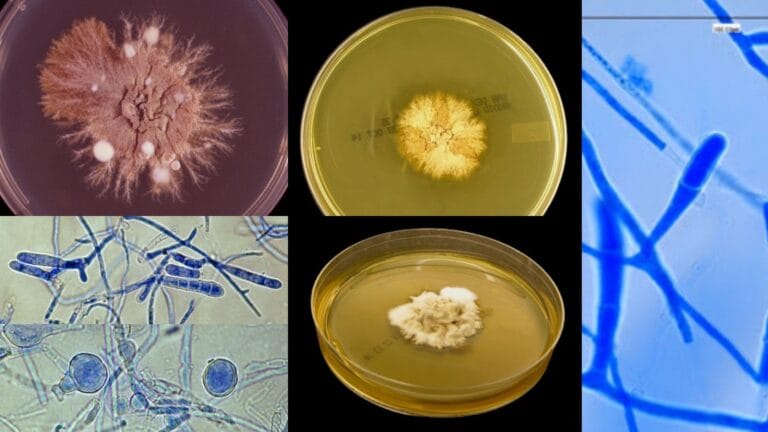
Epidermophyton floccosum is a type of filamentous fungus which causes nail and skin infection in human beings. The anthropophilic dermatophyte may cause diseases like tinea pedis (athlete’s foot) and tinea cruris, tinea corporis and even onychomycosis. The diagnostic methods for fungal infection are physical examination, testing for culture, and molecular examination. Treatment for fungal infections
In this article, we will discuss some important characters of algae. Algae is a photosynthetic eukaryotic organisms. They can be found everywhere such as soil, water, rocks, sands, etc. But most of them grow in the aquatic environment. Here is the some General Characters of Algae – Characters of Algae 1. Occurrence 2. Thallus organization
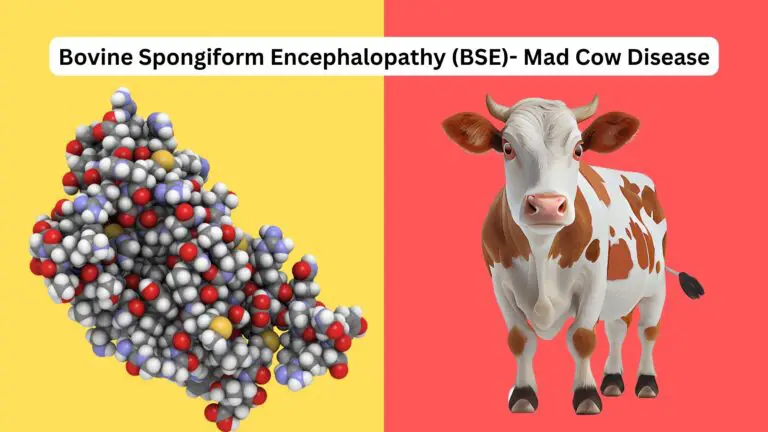
What is Bovine spongiform encephalopathy? Sources and causes of contamination of Bovine Spongiform Encephalopathy (BSE) Pathogenic mechanism of Bovine Spongiform Encephalopathy (BSE) Signs and symptoms of Bovine Spongiform Encephalopathy (BSE) Epidemiology of Bovine Spongiform Encephalopathy (BSE) Diagnosis of Bovine Spongiform Encephalopathy (BSE) Treatment and Vaccination Prevention and control measures of Bovine Spongiform Encephalopathy (BSE) Prevention
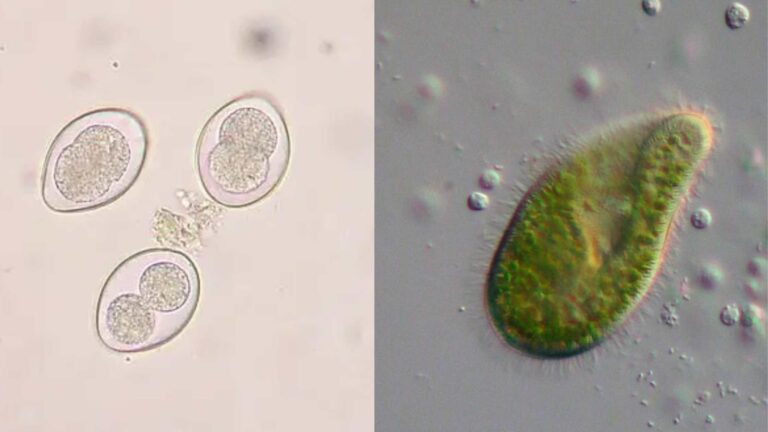
What is Sporozoa? Short Definition of Sporozoa Sporozoa are unicellular, parasitic organisms that undergo complex life cycles involving two hosts and alternating between sexual and asexual stages. Classification of Sporozoa Characteristics of Sporozoa Motility of Sporozoa Feeding of Sporozoa Types of Spores Sporozoans, a group of parasitic protozoa, can be classified into four categories based
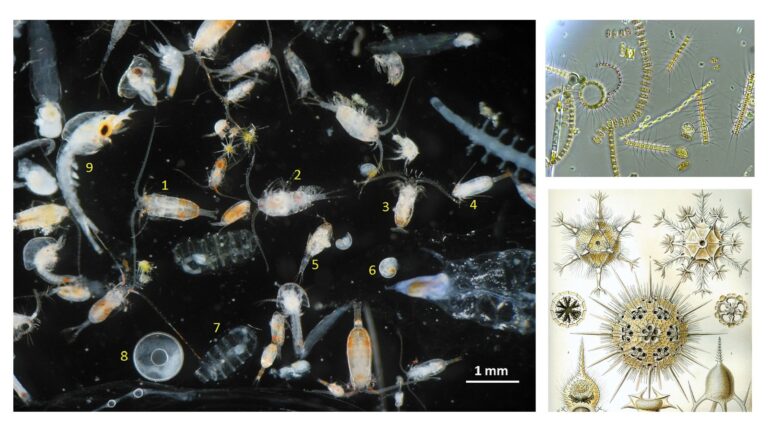
What is Zooplankton? What exactly are Zooplanktons? Zooplankton, a subset of the broader planktonic community, are heterotrophic organisms that inhabit both freshwater and marine environments. The term “plankton” encompasses a diverse array of organisms that float or drift within aquatic realms. Among these, zooplankton are distinguished by their heterotrophic nature, signifying their reliance on external
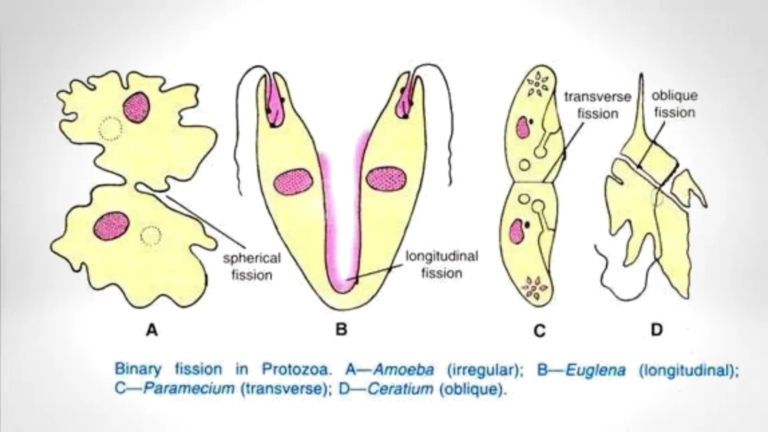
Protozoa carried out their reproduction by asexual and sexual mode of reproduction. The higher group of protozoa follow mainly sexual reproduction. Some protozoa carried out both asexual and sexual reproduction based on the types of the host cells.
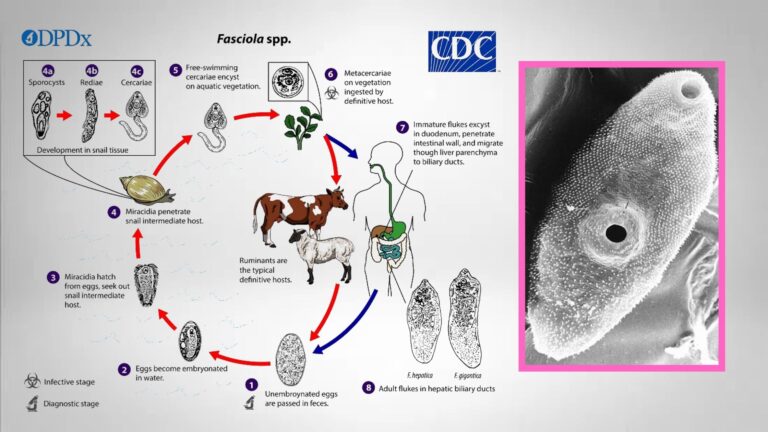
Fascioliasis is an infectious disease caused by Fasciola parasites, which are flatworms referred to as liver flukes. The adult (mature) flukes are found in the bile ducts and liver of infected people and animals, such as sheep and cattle. In general, fascioliasis is more common in livestock and other animals than in people.
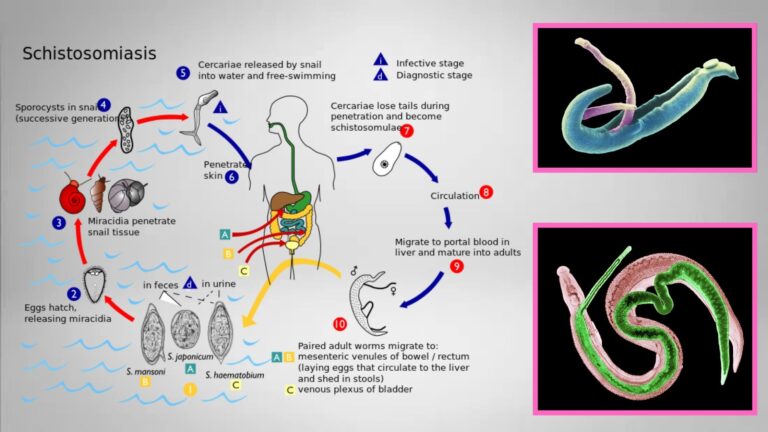
Schistosomiasis also termed snail fever or bilharzia is a disease caused by parasitic flatworms called schistosomes. Infection with Schistosoma mansoni, S. haematobium, and S. japonicum causes illness in humans; less commonly, S. mekongi and S. intercalatum can cause disease.
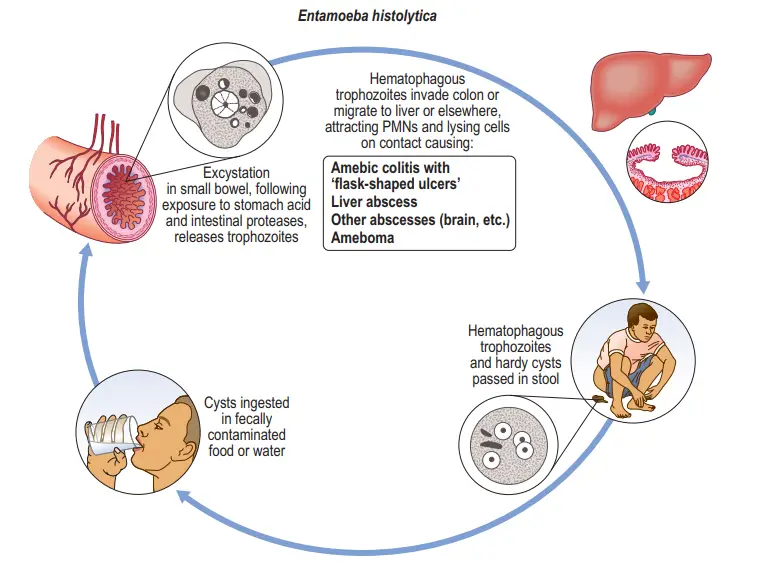
What is Gastrointestinal Amebiasis? Characteristics of Entamoeba histolytica Entamoeba histolytica is a pseudopod-forming anaerobic protozoan parasite that is responsible for causing amebiasis in humans. Here are some key characteristics of Entamoeba histolytica: Life Cycle of E. histolytica Gene Structure and Organization Cell Biology and Biochemistry Sources of contamination of Amebiasis Amebiasis can be sourced from
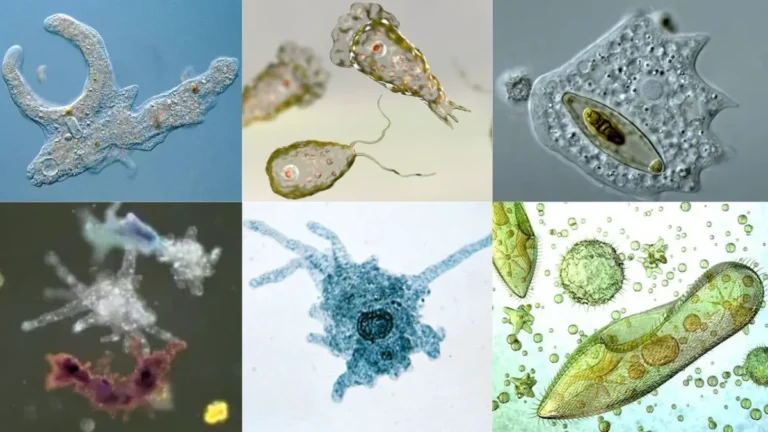
In this article, we will learn about the Habitat, structure, nutrition, characteristics, reproduction, locomotion of the Amoeba cell with diagram. Domain Eukaryota Phylum Amoebozoa Class Tubulinea Order Euamoebida Family Amoebidae Genus Amoeba Amoeba cell also known as the ameba or amoeboid. Amoeba is a unicellular eukaryotic organism which can alter their shape by extending and