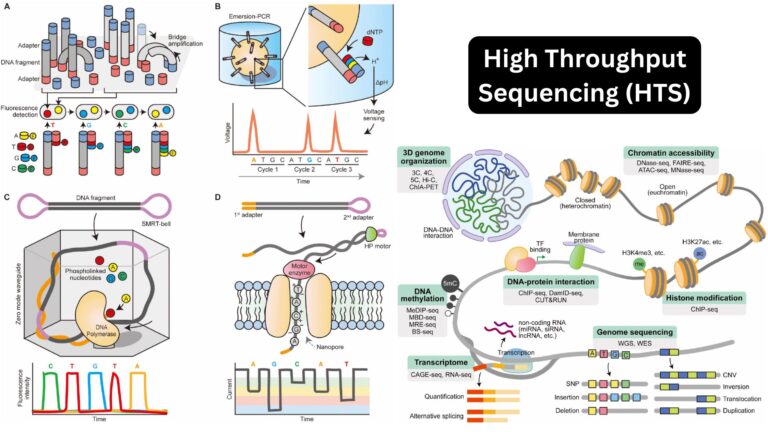
What is High Throughput Sequencing (HTS)? Working Principle of High Throughput Sequencing (HTS) High-throughput sequencing (HTS) technologies High-throughput sequencing (HTS) technologies have revolutionized genomic research by enabling rapid and detailed analysis of genetic material. The principal HTS technologies can be categorized into next-generation sequencing (NGS) and third-generation sequencing. Each of these technologies has distinct methodologies,
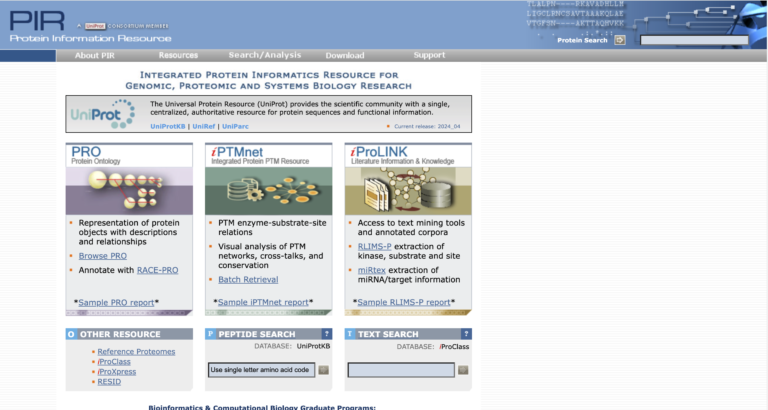
Proteins are fundamental to virtually all biological processes, serving as the building blocks of cells, enzymes catalyzing biochemical reactions, and key regulators of cellular functions. Understanding protein structures, functions, and interactions is essential for advancing biological research, drug development, and medical diagnostics. The sheer complexity and diversity of proteins, however, pose significant challenges for researchers
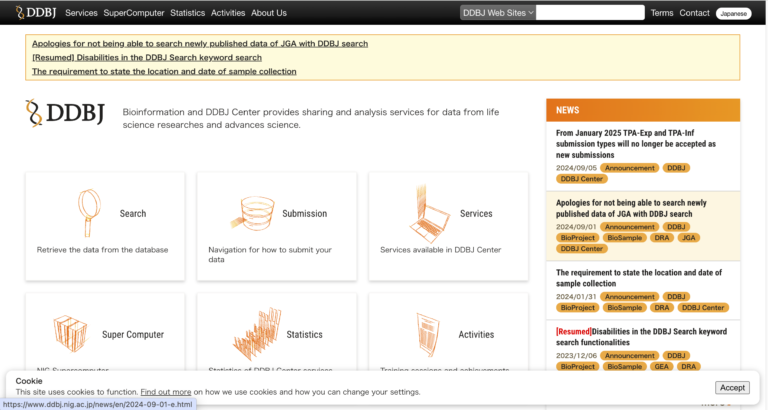
The DNA Data Bank of Japan (DDBJ) is a pivotal resource in the realm of genomics and bioinformatics, playing a crucial role in advancing scientific research and collaboration. Established in 1987, DDBJ was created to support the growing need for accessible, comprehensive genomic data. Its mission is to collect, maintain, and disseminate DNA sequence data,
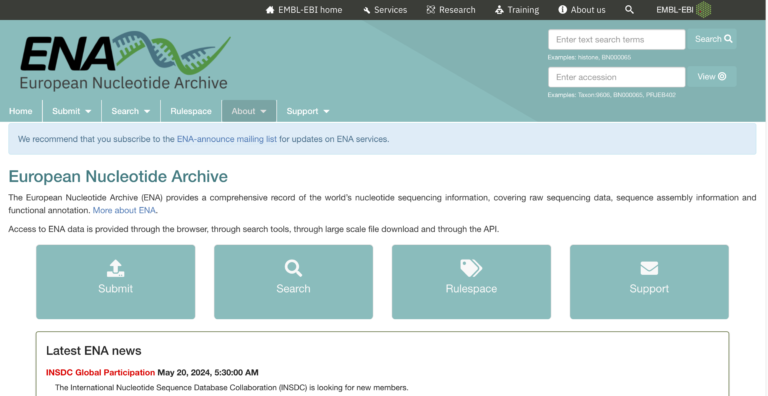
The EMBL Nucleotide Sequence Database, commonly referred to as EMBL-Bank, is a pivotal resource in the realm of molecular biology. As an extensive repository of nucleotide sequences, EMBL-Bank plays a crucial role in biological research by providing a comprehensive and up-to-date collection of DNA sequences from a diverse range of organisms. This database is invaluable
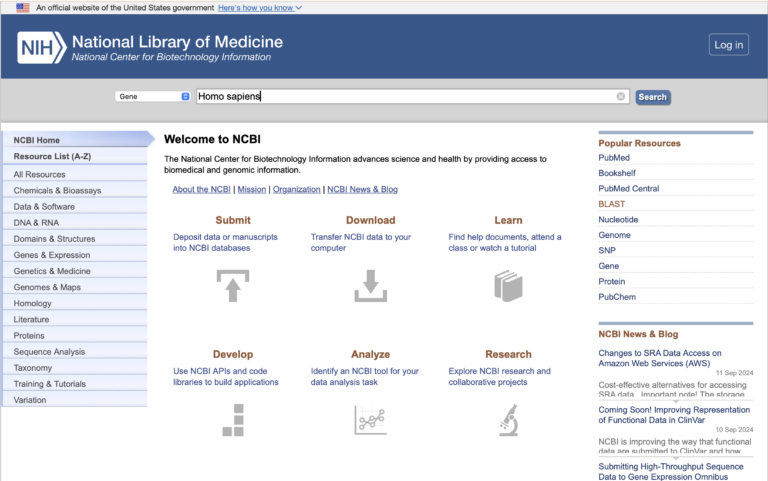
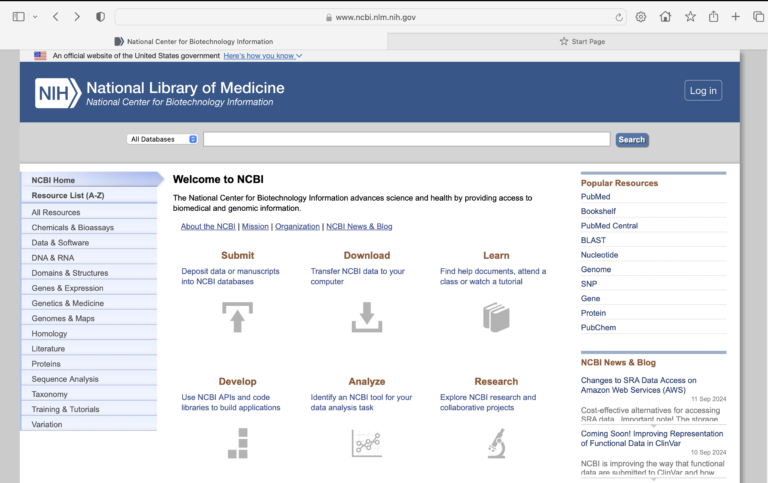
Curious about how to get gene sequences from NCBI? Whether you’re a student, researcher, or just a genetics enthusiast, NCBI is an amazing resource for all things genetic. It can be a bit overwhelming at first, but don’t worry—I’m here to guide you through the whole process. In this easy-to-follow, step-by-step guide, we’ll walk you
The National Center for Biotechnology Information (NCBI) is a part of the U.S. National Library of Medicine, which is itself a branch of the National Institutes of Health (NIH). It provides access to a wealth of information in the fields of biotechnology and biomedicine. Some key resources offered by NCBI include: NCBI’s resources are widely
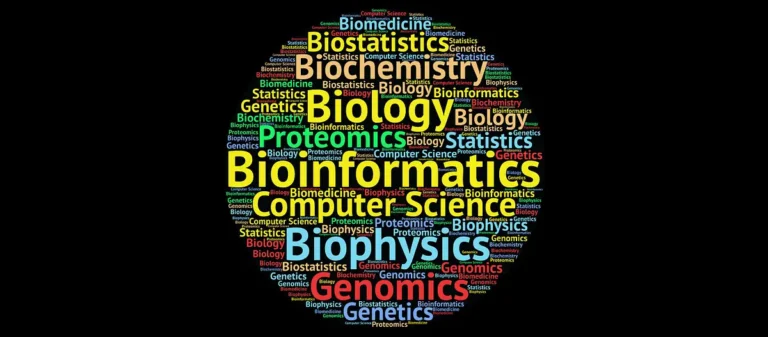
What is Bioinformatics? Bioinformatics is an interdisciplinary discipline that analyses and interprets biological data by combining biology, computer science, mathematics, and statistics. It involves the creation and application of computational tools, algorithms, and databases for storing, retrieving, managing, and analysing biological data. Bioinformatics is essential for organising, analysing, and deriving meaningful insights from enormous quantities
What is Bioinformatics? Definition of Bioinformatics Bioinformatics is the interdisciplinary field that combines biology, computer science, and mathematics to store, analyze, and interpret large-scale biological data, such as DNA, RNA, and protein sequences, through the development of computational tools and algorithms. History of Bioinformatics Aim of Bioinformatics The primary goals of bioinformatics are outlined as
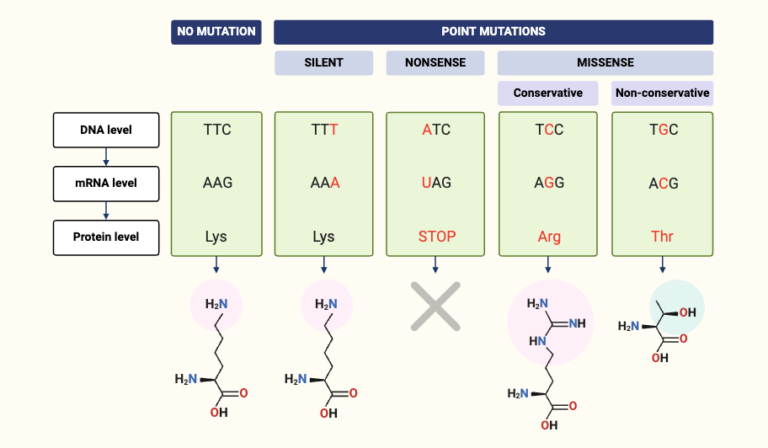
What is Point mutation? Definition of Point mutation A point mutation is a genetic mutation involving a change in a single nucleotide base in the DNA or RNA sequence, which can affect the sequence of amino acids in a protein. Causes of Point mutation Point mutations are primarily caused by various mechanisms that affect the
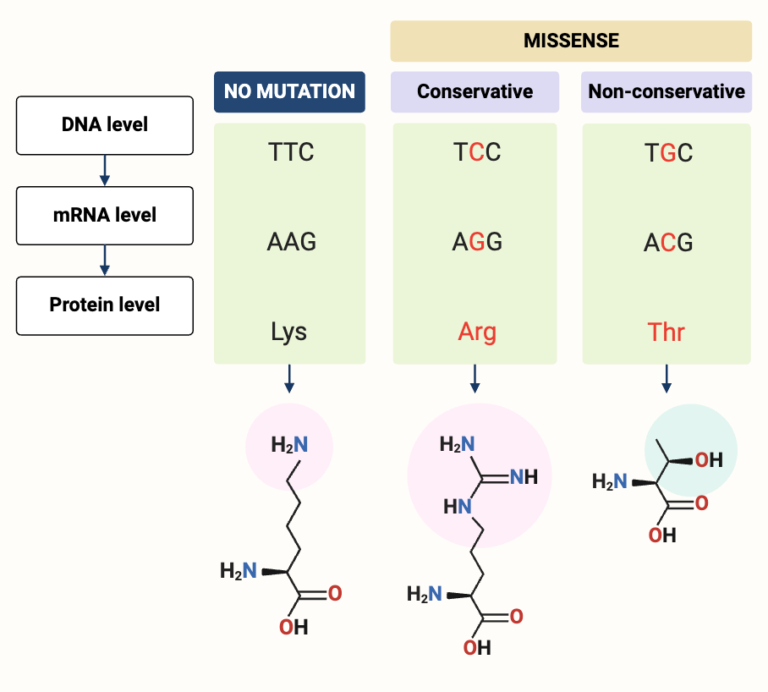
What is Missense Mutation? Definition of Missense Mutation A missense mutation is a type of point mutation in which a single nucleotide change results in the substitution of one amino acid for another in the protein sequence, potentially altering the protein’s function. Types of Missense Mutation There are two Types of Missense Mutation; Causes of