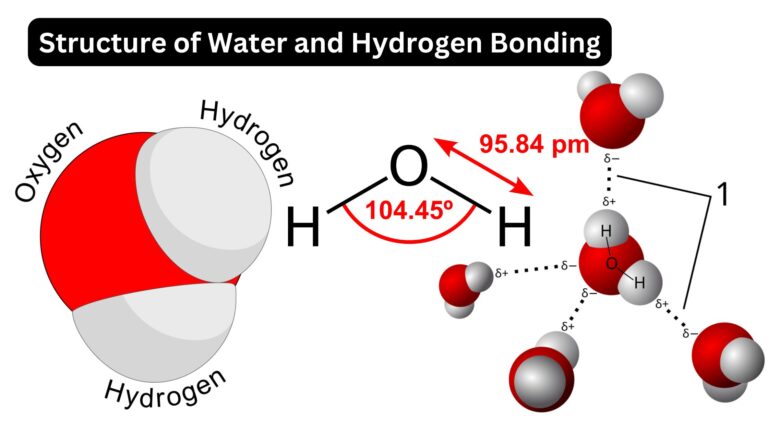
Water Molecules Structure of Water The structure of water is fundamental to its unique properties and functions in various biological systems. The molecular composition, bonding characteristics, and phase transitions of water are essential concepts in understanding its role in life processes. Properties of Water Properties Values Chemical formula H₂O Molar mass 18.01528(33) g/mol Odour None
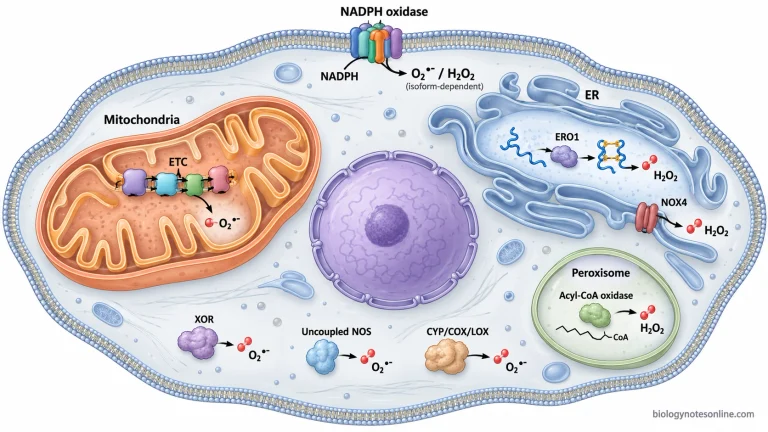
Reactive Oxygen Species (ROS) are oxygen-derived molecules involved in signaling and oxidative stress. Explore their types, sources, functions, and effects.
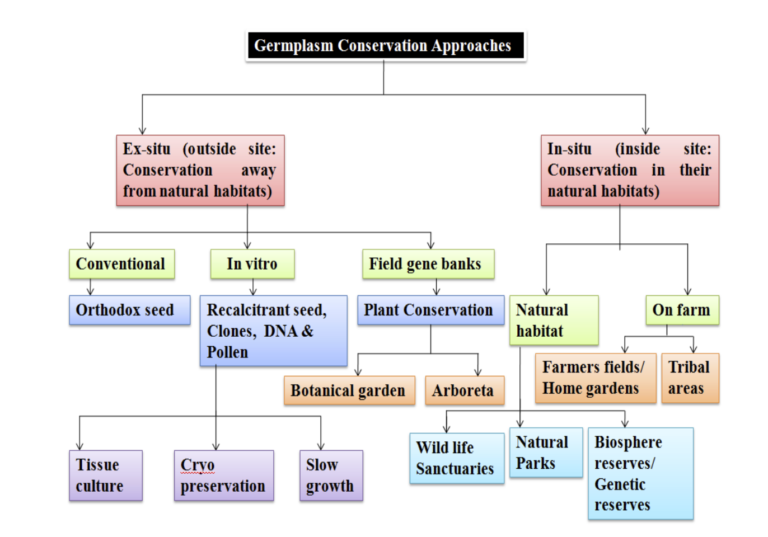
What is Germplasm conservation? Germplasm conservation is the process of preserving the genetic material of plants and animals for future use. It is the protection and maintenance of all hereditary material present in a species. The germplasm includes all genes and alleles which are transferred from one generation to the next generation. This process is
What is Micropropagation? Micropropagation is a technique used for rapid multiplication of plants by using very small pieces of plant tissue. It is also referred to as plant tissue culture. In this method a small part of plant such as cells, leaves or shoot tips are taken and used as explant. The explant is grown in
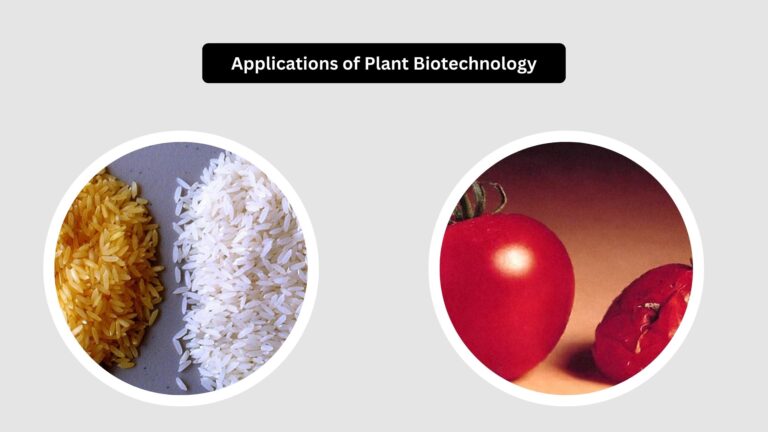
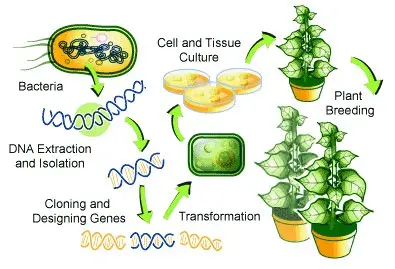
Plant biotechnology is the branch of applied science which deals with modification and improvement of plants using modern laboratory techniques. It is the process by which the genetic material of plant is identified and altered in order to develop desirable characters. This process is carried out in a more precise and faster way than traditional
Transgenic disease-resistant crops are those plants in which a foreign resistance gene is inserted into the plant genome so that the plant can defend itself from different pathogens. It is the process where genes taken from other plants, microbes or sometimes from the pathogen itself are introduced to produce proteins that stop the infection. In
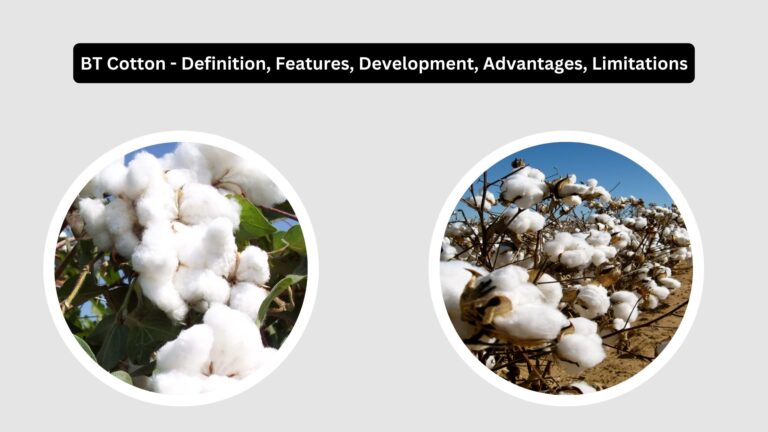
What is BT Cotton? Bt cotton is a genetically modified cotton variety in which genes from the bacterium Bacillus thuringiensis are inserted into the plant, and it is the process that allows the cotton plant to produce Cry proteins within its own tissues. These are insecticidal proteins that act specifically on harmful caterpillar pests like
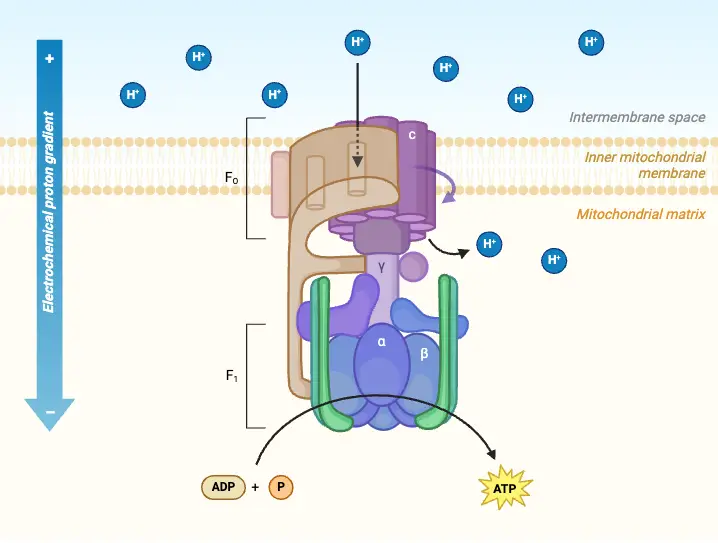
What is ATP Synthase? ATP synthase is an essential enzyme complex responsible for the production of adenosine triphosphate (ATP), the primary energy currency in living cells. Often referred to as Complex V in the oxidative phosphorylation pathway, ATP synthase plays a critical role in cellular respiration and photosynthesis, utilizing the proton gradient generated by the