Sourav Pan is the founder and sole author of Biology Notes Online. He holds a Bachelor of Science (B.Sc.) degree and an M.Sc. in Microbiology from the University of Calcutta. He creates educational resources covering microbiology, immunology, biotechnology, genetics, cell biology, botany, zoology, and other life-science subjects.
His goal is to make complex biological concepts easier to understand through well-structured, student-friendly articles based on academic textbooks, peer-reviewed research, and authoritative scientific sources. In addition to writing new content, he regularly reviews and updates articles to improve their accuracy, clarity, and educational value.
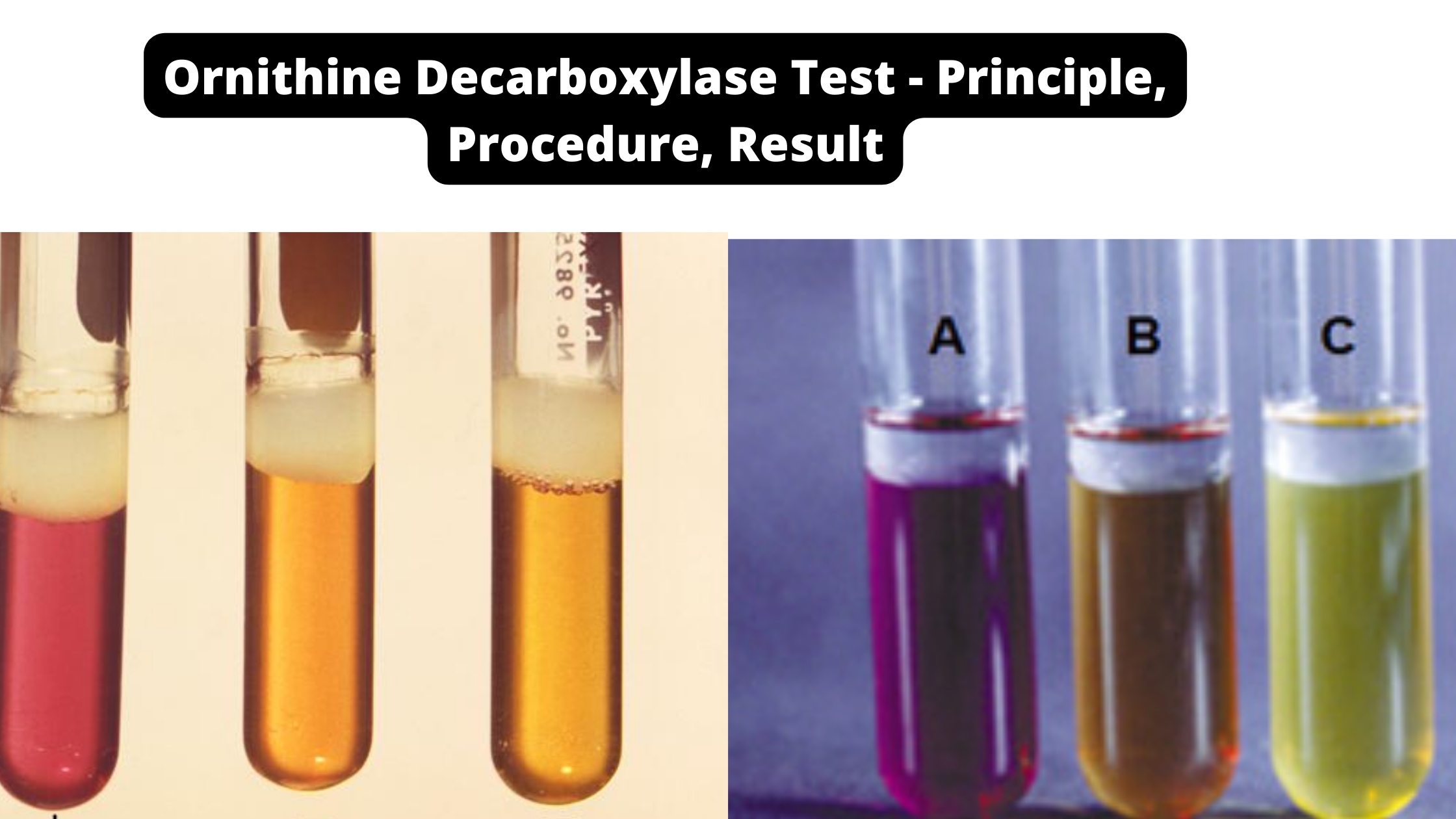
What is the ornithine decarboxylase test? Ornithine decarboxylase test is a biochemical test used for identification and differentiation of Gram-negative bacteria mainly Enterobacteriaceae family. It is used for differentiating closely related organisms like Klebsiella and Enterobacter species and also for identifying Proteus. It is the test in which microorganism ability is measured to produce enzyme … Read more
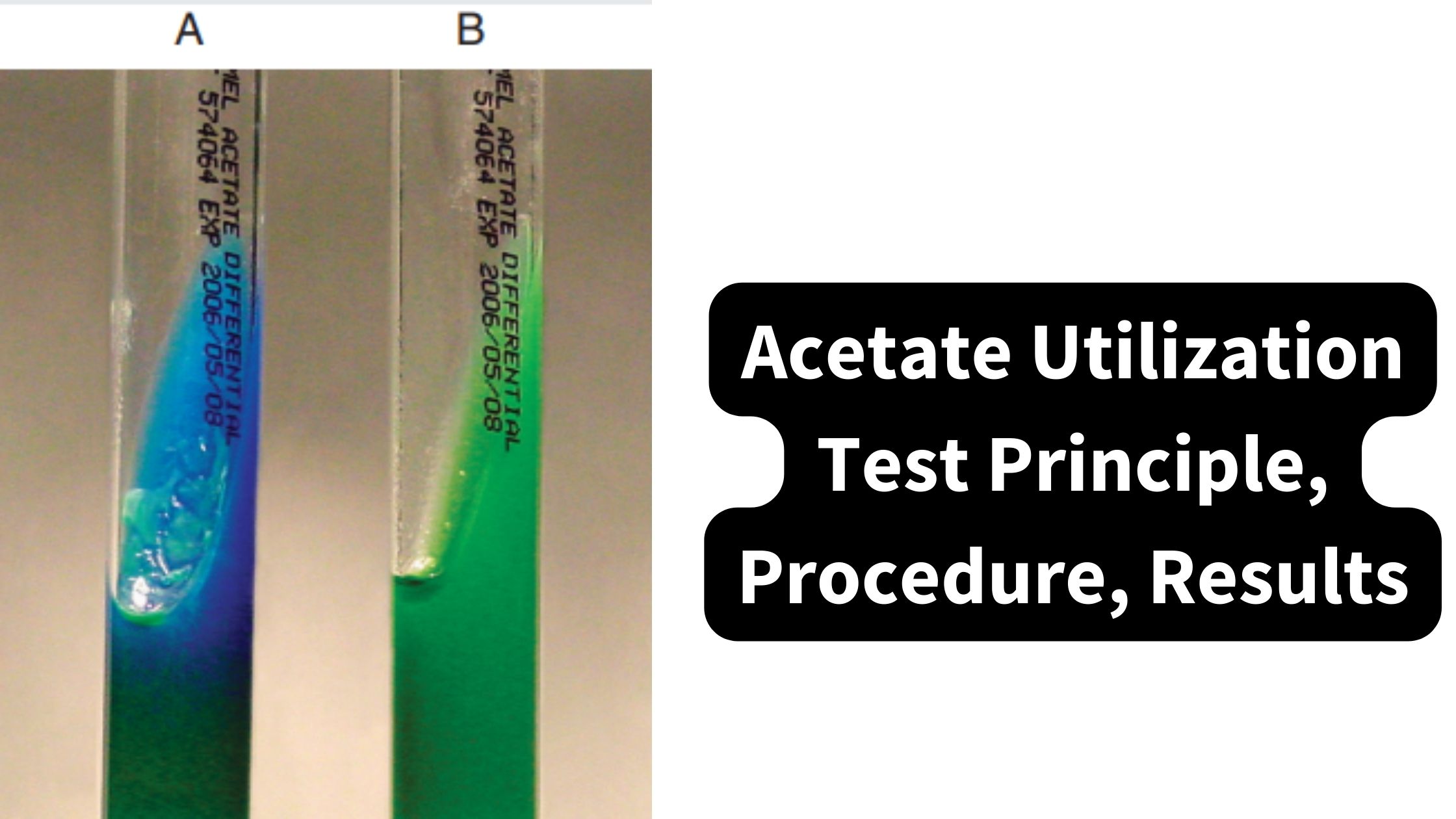
Acetate utilization test is a biochemical test used to determine the ability of an aerobic organism to use acetate as the sole source of carbon and energy. It is mainly employed in diagnostic microbiology for differentiation of Gram-negative bacteria especially members of Enterobacteriaceae family. This test is commonly used to differentiate Escherichia coli from Shigella … Read more
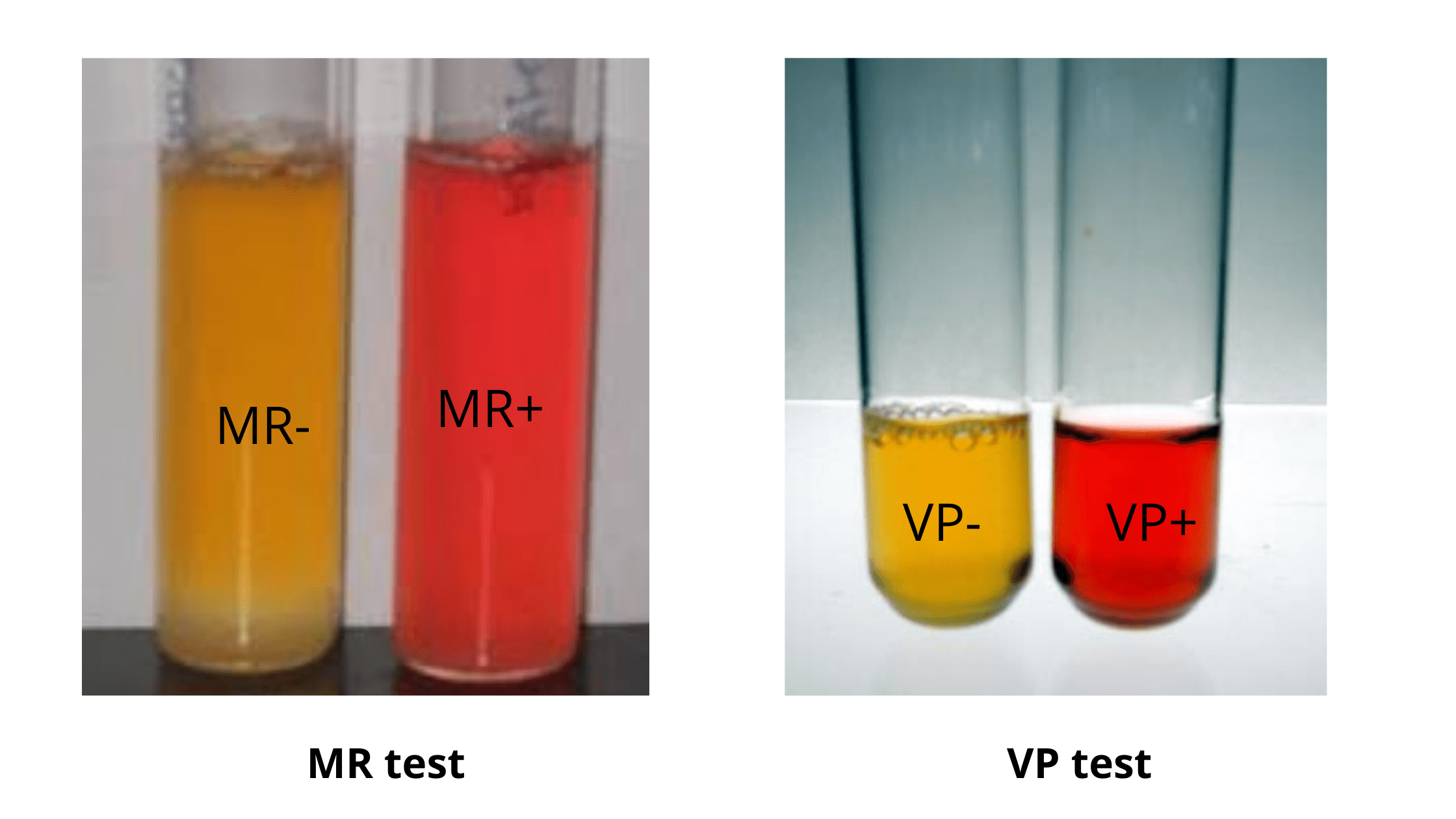
What is Methyl Red (MR) Test? The Methyl Red (MR) test is a biochemical test used in microbiology to identify and differentiate bacteria mainly among Enterobacteriaceae family. It is done to check the glucose fermentation pathway. It is used for detecting mixed-acid fermentation which produces stable acidic end products. In this test the organism is … Read more
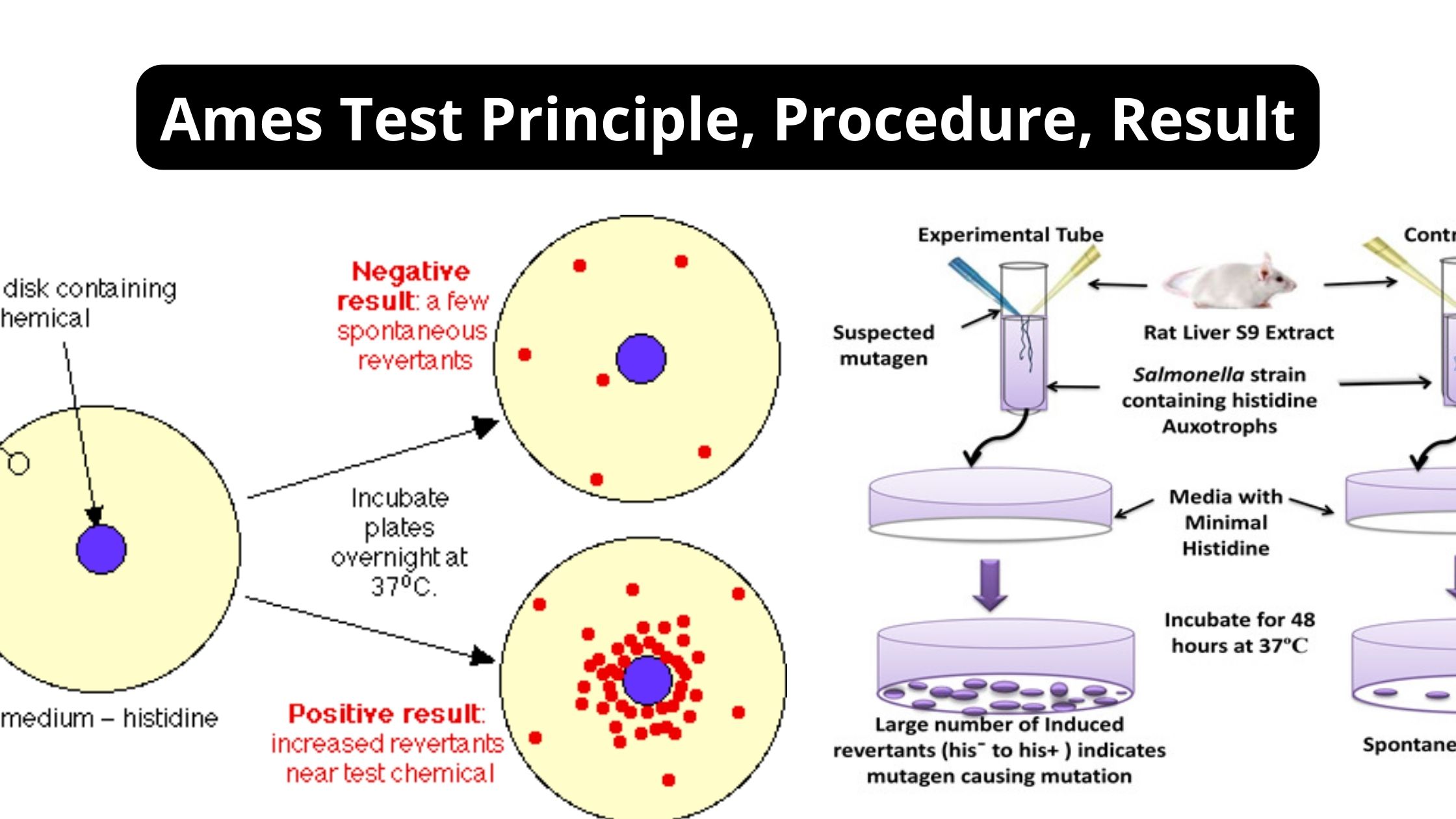
What is Ames Test? Ames test is a rapid biological assay which is used to determine whether a chemical compound can cause genetic mutations. It was developed by Bruce Ames in 1970s. It is used as an early screening test for carcinogenic property because chemicals causing DNA mutation are frequently carcinogenic. It is based on … Read more
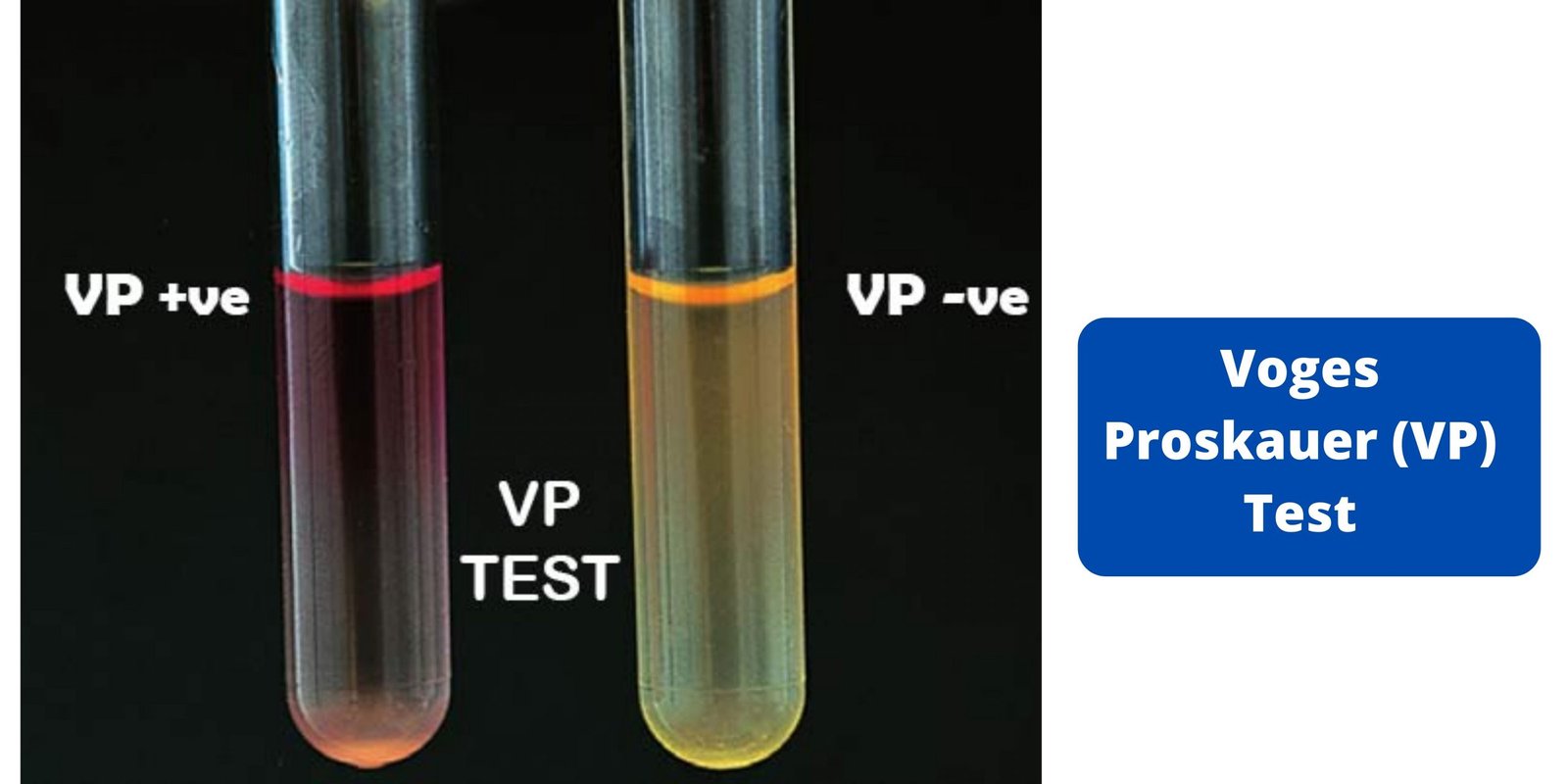
In 1898, Voges as well as Proskauer (16)characterized the process of fermentation of sugars by a variety of bacteria. They demonstrated that the gas that was produced during the process was a mixture of H2 and CO2 that when they added KOH to the cultures been grown in glucose peptone medium to allow for a prolonged period of incubation in presence of oxygen certain organisms developed a red fluorescent color. While the exact nature of the color was not known in the early days, this technique was suggested to differentiate between the bacterial strains that produced it and ones that didn’t. in 1906 Arthur Harden analyzed the fermentation products of Enterobacter aerogenes. He discovered that when it was surrounded by glucose, the organism made two compounds, acetoin as well as 2,3-butanedio.
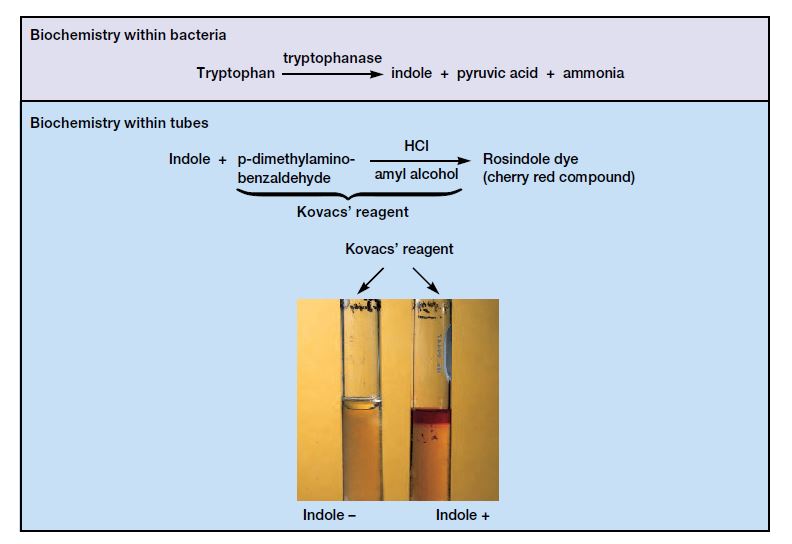
What is Indole test? It is a biochemical test used in microbiology to determine the bacteria is producing enzyme tryptophanase. This enzyme help in breaking down amino acid tryptophan. This process occurs when bacteria having tryptophanase utilize tryptophan and the end products is formed. These are indole pyruvic acid and ammonia. In this test bacteria … Read more
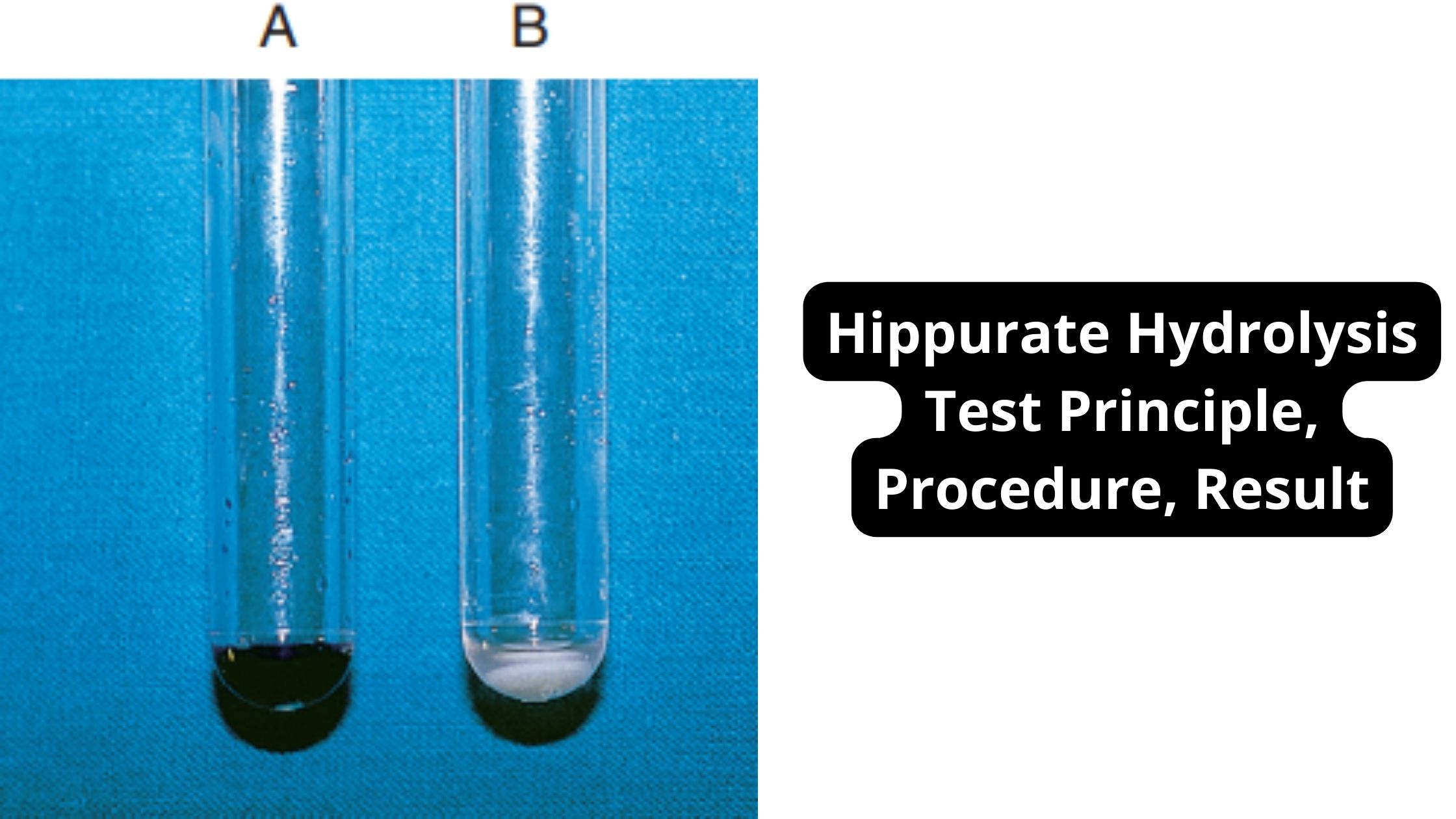
Hippurate Hydrolysis Test is a biochemical test used for detecting the enzyme hippuricase(hippurate hydrolase) in microorganism. It is used for checking whether the organism can hydrolyze sodium hippurate or not. This process occurs when bacteria having hippuricase is exposed to sodium hippurate. The substrate is hydrolyzed and two end products is formed. The reaction is … Read more
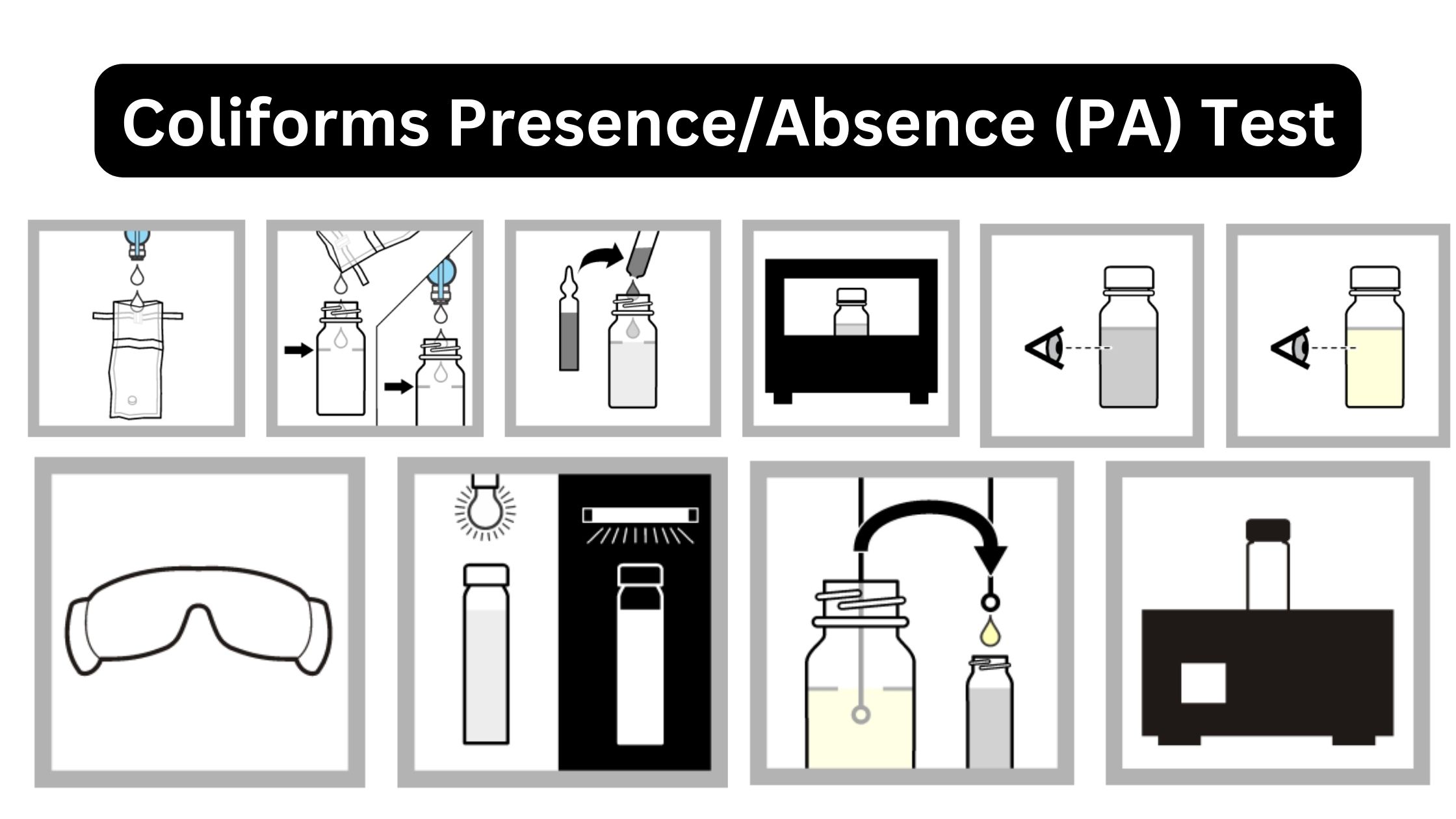
What is Coliform Presence/Absence Test? Coliform Presence/Absence (P-A) test is a rapid simple and inexpensive qualitative method which is used mainly for monitoring treated drinking water and distribution system for fecal indicator bacteria (coliforms). It is the modification of traditional multiple-tube fermentation technique where a single large water sample volume is inoculated in one culture … Read more
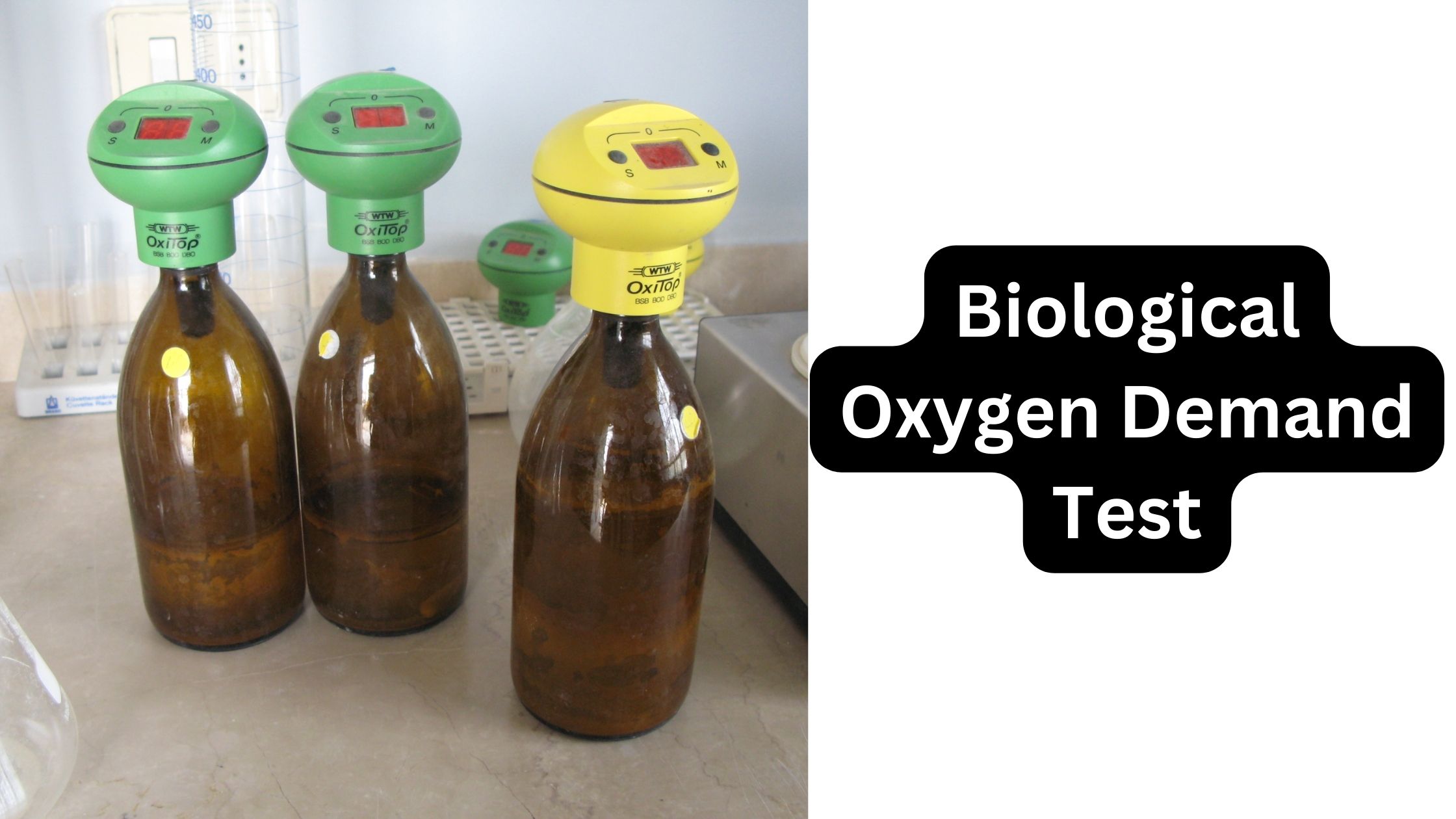
BOD test (Biochemical Oxygen Demand) is a standard laboratory test. It is used for measuring the amount of dissolved oxygen which is consumed by aerobic microorganisms (bacteria) when the organic matter present in water sample is broken down and decomposed. It is the process where oxygen is utilized during biodegradation and this is referred to … Read more
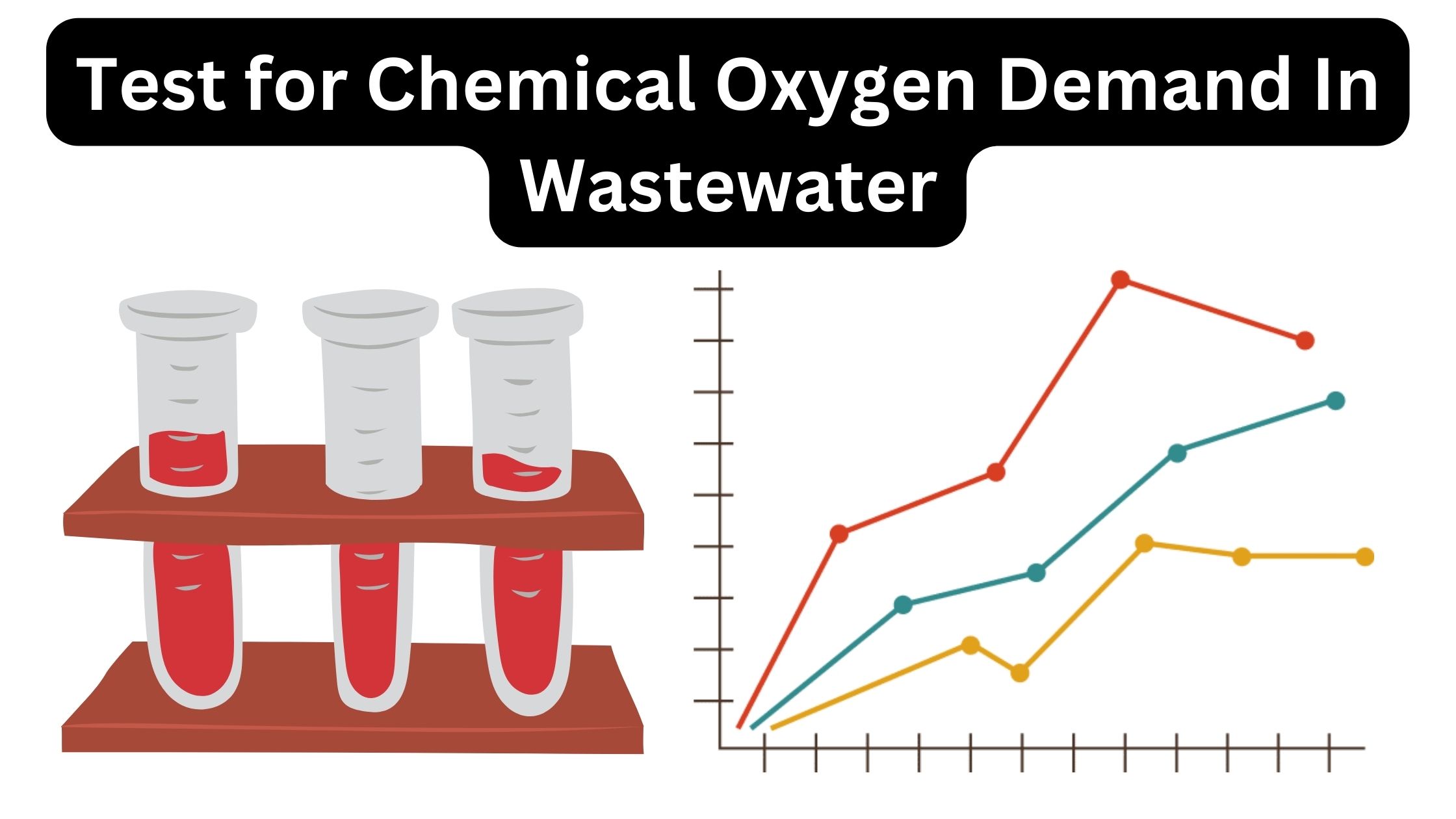
COD Test (Chemical Oxygen Demand test) is a water quality test. It is used to determine the amount of oxygen required to chemically oxidize the organic and inorganic pollutants present in a water sample. It is based on oxidation of pollutants by a strong chemical oxidant. Generally potassium dichromate (K2Cr2O7) is used in heated and … Read more