Sourav Pan is the founder and sole author of Biology Notes Online. He holds a Bachelor of Science (B.Sc.) degree and an M.Sc. in Microbiology from the University of Calcutta. He creates educational resources covering microbiology, immunology, biotechnology, genetics, cell biology, botany, zoology, and other life-science subjects.
His goal is to make complex biological concepts easier to understand through well-structured, student-friendly articles based on academic textbooks, peer-reviewed research, and authoritative scientific sources. In addition to writing new content, he regularly reviews and updates articles to improve their accuracy, clarity, and educational value.
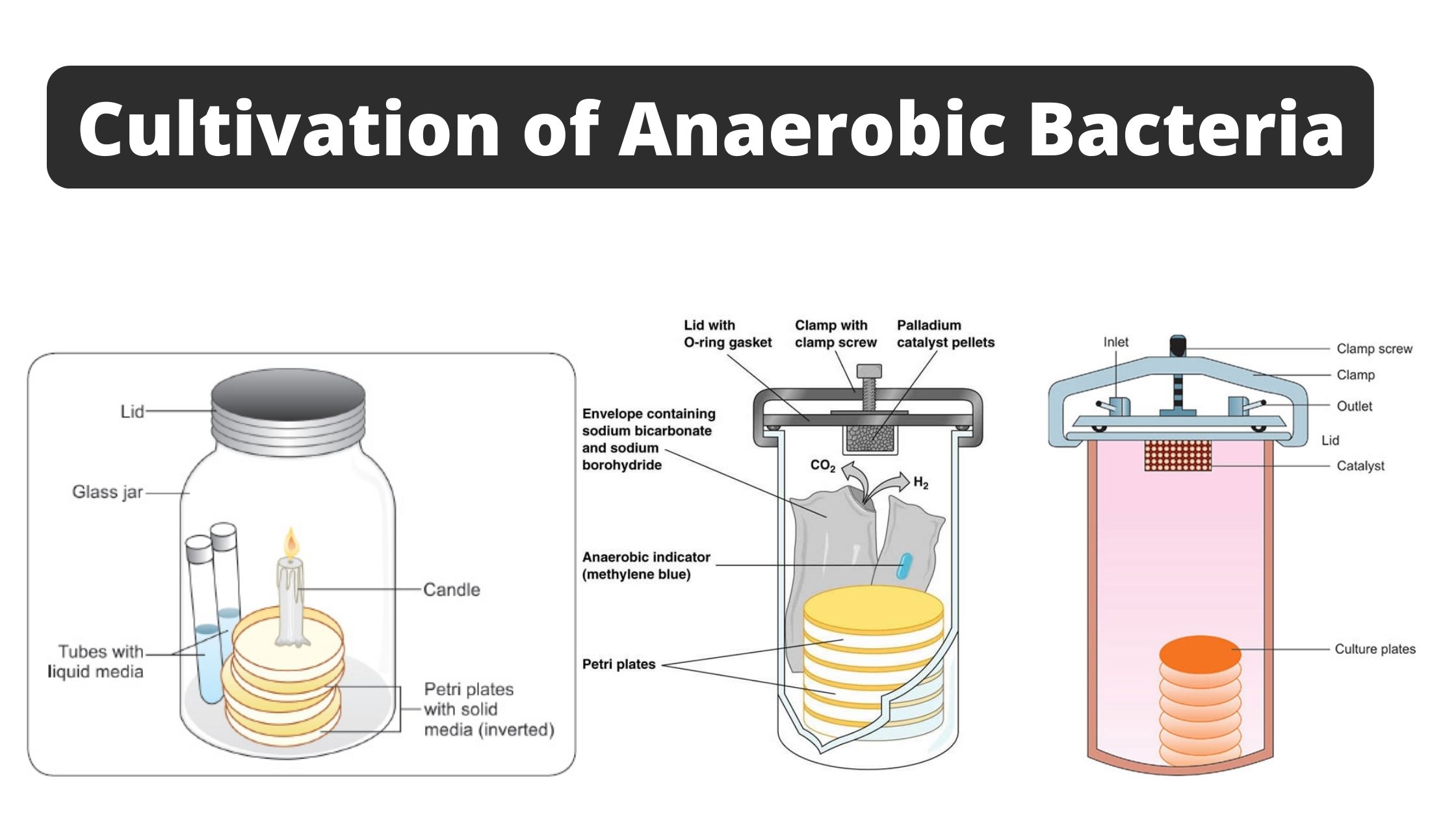
What are Anaerobic bacteria? Characteristics of Anaerobic Bacteria Cultivation of Anaerobic Bacteria Cultivation of Anaerobic Bacteria. Stringent anaerobes can be grown only by taking special precautions to exclude all atmospheric oxygen from the medium. Such an environment can be established by using one of the following methods: Cultivation of Anaerobic Bacteria using Prereduced media Procedure … Read more
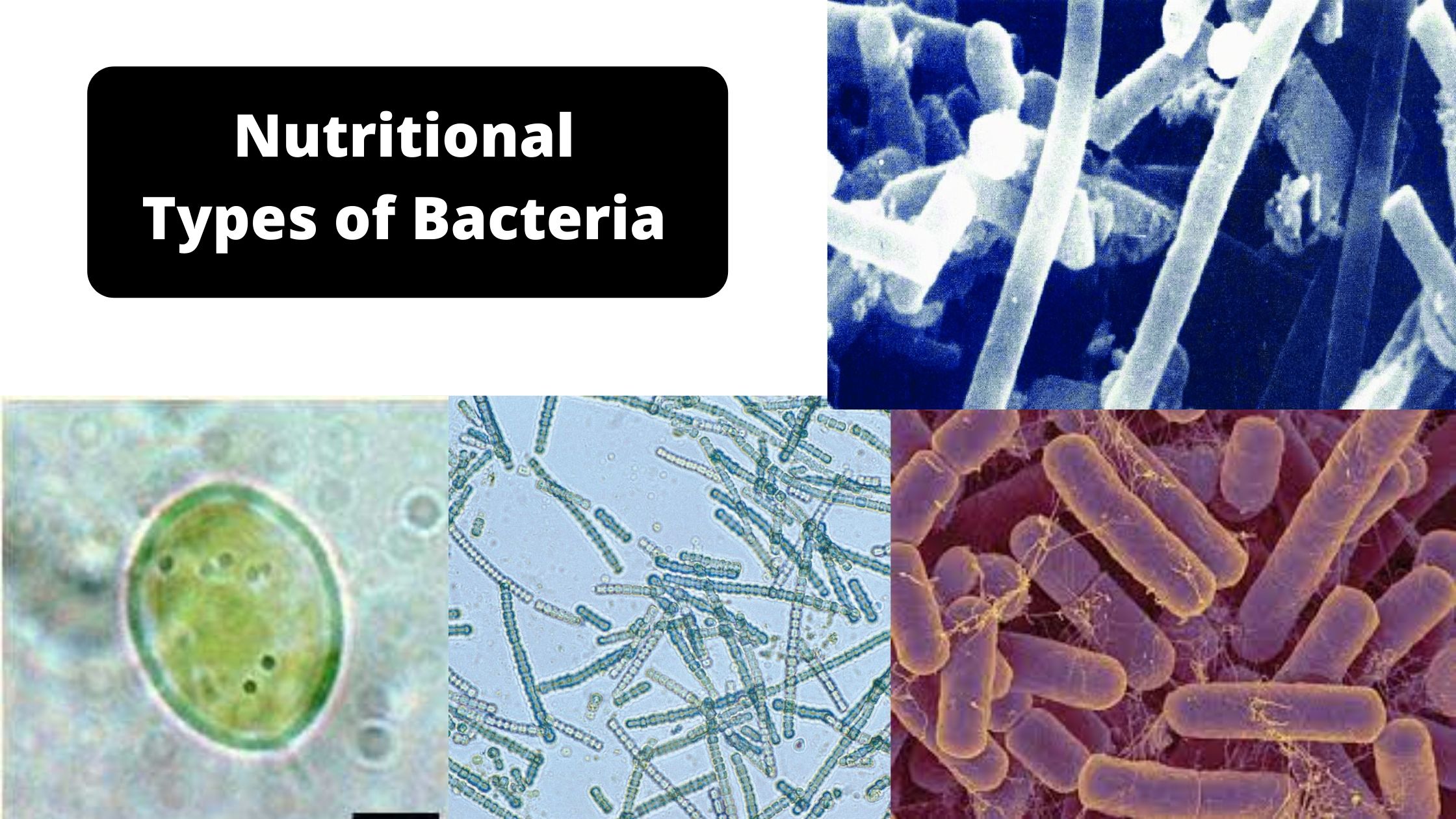
Nutritional Requirement All forms of life, from microorganisms to human beings, share certain nutritional requirements for growth and normal functioning. The following observations substantiate this statement and also illustrate the great diversity of nutritional types found among bacteria. Energy Electron Carbon Nitrogen Oxygen Sulfur Phosphorus Metal Ions Vitamins and vitamin-like compounds Water Classification of bacteria … Read more
Medicinal folklore was the primary treatment procedure for infections before the early 20th century. Over 2,000 years ago, a mixture of different antimicrobial properties was used to treat infections. The ancient Egyptians and ancient Greeks, and other ancient cultures used selected mold and plant materials for the treatment of infections. After the discovery of synthetic … Read more
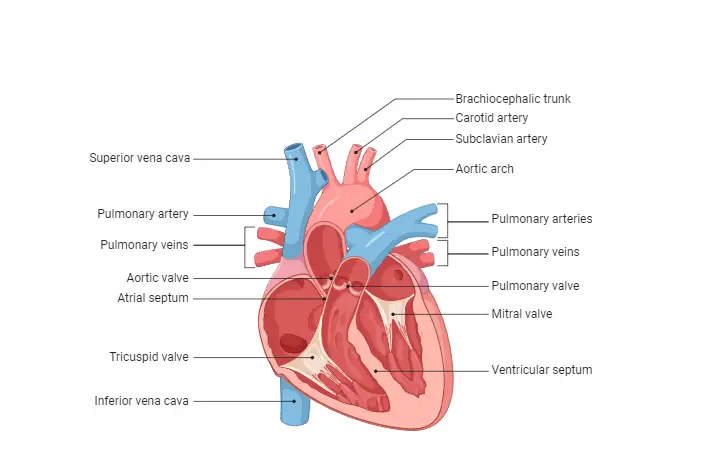
What is Human Circulatory Circuit? Definition of Human Circulatory Circuit The human circulatory circuit, also known as the cardiovascular system, is a complex network comprising the heart and blood vessels that facilitate the continuous flow of blood throughout the body, ensuring the transport of oxygen, nutrients, and waste products to and from cells. This system … Read more
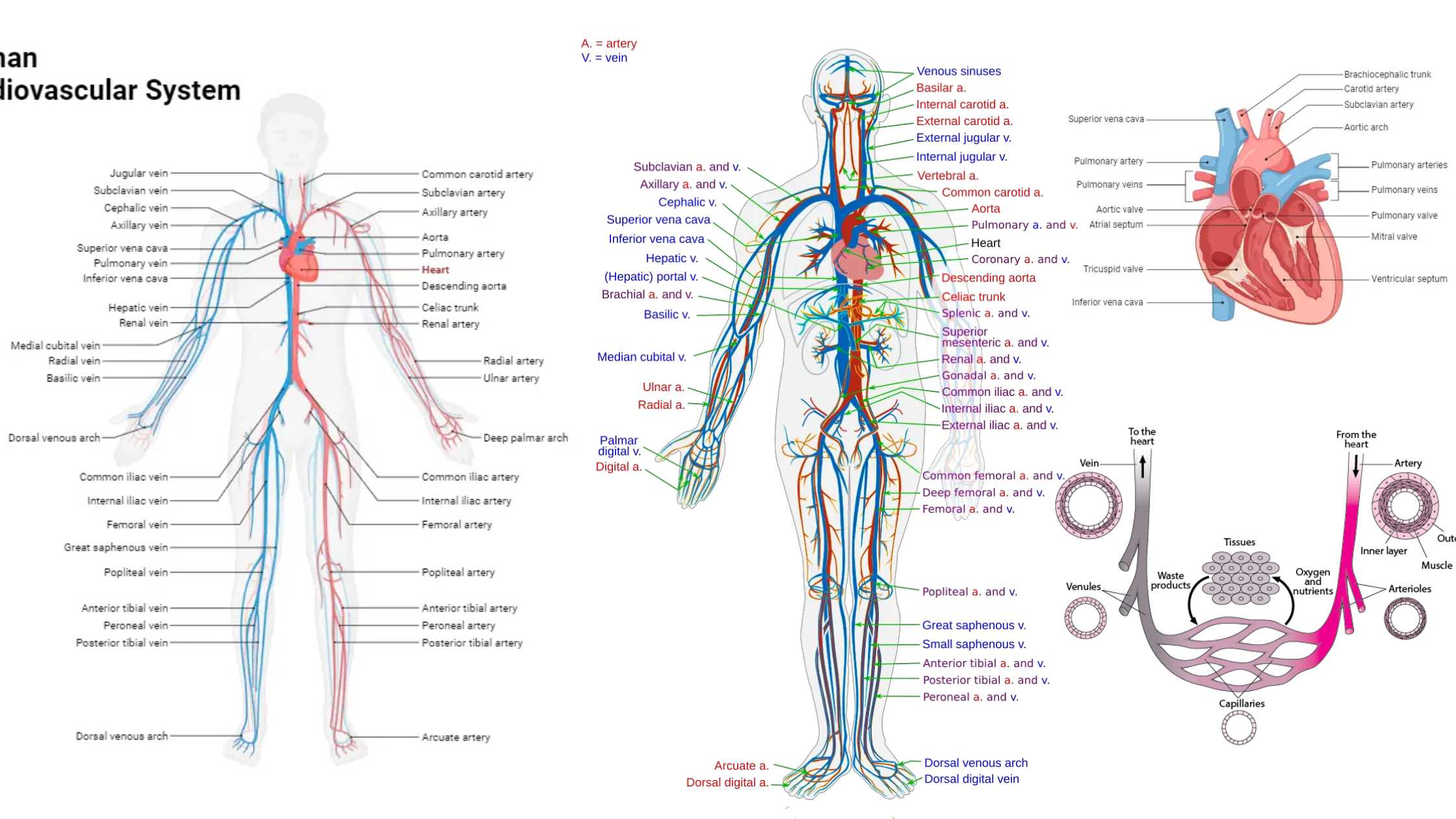
What is Human Circulatory System? Definition of Human Circulatory System The human circulatory system is a complex network of blood vessels, including arteries, veins, and capillaries, driven by the heart, responsible for transporting nutrients, oxygen, hormones, and waste products throughout the body. Features of Circulatory System The human circulatory system, a cornerstone of physiological functionality, … Read more
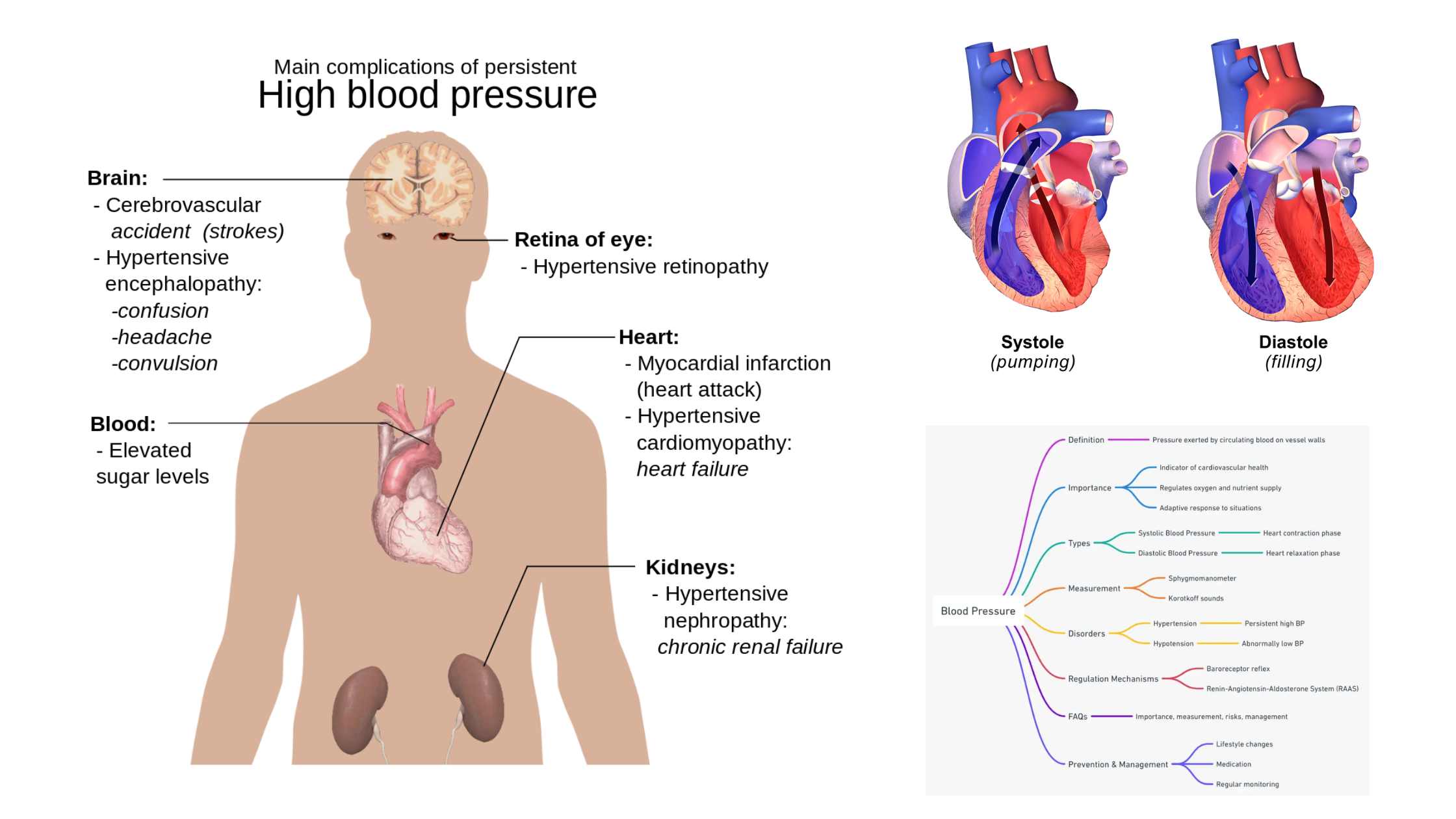
What is Blood Pressure? Definition of Blood Pressure Blood pressure is the force exerted by circulating blood against the walls of the arteries, measured in terms of systolic and diastolic pressures during the cardiac cycle. Types of Blood Pressure Blood pressure, a critical physiological parameter, is the force exerted by circulating blood against the walls … Read more
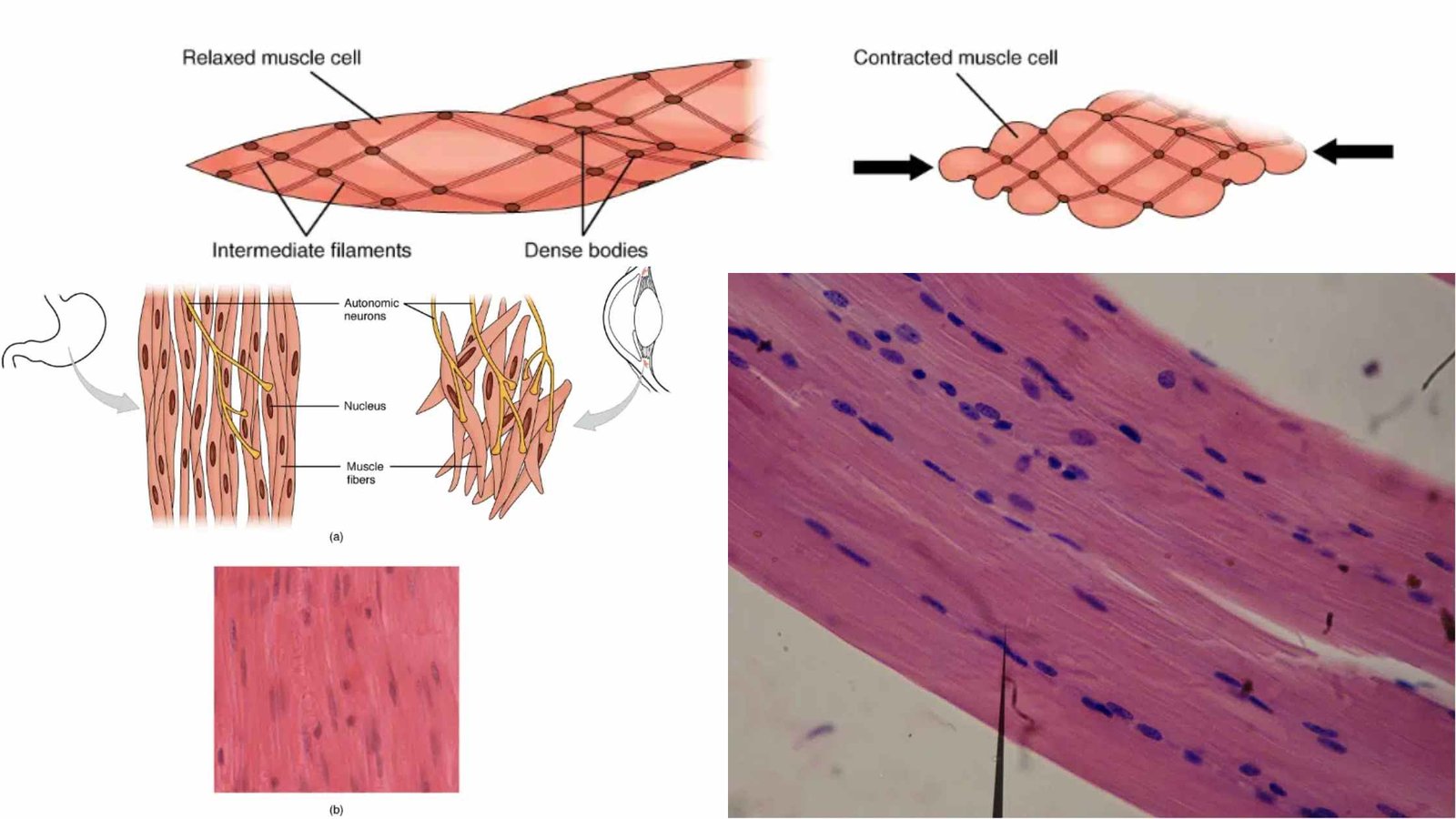
What is Muscle? Muscle is a specialized contractile tissue of the body. It is made up of muscle cells or muscle fibres. These cells have the ability to contract, shorten and produce pulling force. Due to this, movement of body and internal organs takes place. Muscle cells are excitable in nature. They respond to electrical … Read more
Lamina propria is a loose connective tissue layer beneath the mucosal epithelium. Learn its location, structure, cells, functions, histology and clinical significance.
What is Osmoregulation? Role of ADH, Renin-Angiotensin and Aldosterone in Osmoregulation 1. Role of ADH (Anti-diuretic Hormone) in Osmoregulation The role of the antidiuretic hormone (ADH), also known as vasopressin, in osmoregulation is pivotal for maintaining the body’s water balance and ensuring the stability of its internal environment. Here’s a detailed and sequential explanation of … Read more