Sourav Pan is the founder and sole author of Biology Notes Online. He holds a Bachelor of Science (B.Sc.) degree and an M.Sc. in Microbiology from the University of Calcutta. He creates educational resources covering microbiology, immunology, biotechnology, genetics, cell biology, botany, zoology, and other life-science subjects.
His goal is to make complex biological concepts easier to understand through well-structured, student-friendly articles based on academic textbooks, peer-reviewed research, and authoritative scientific sources. In addition to writing new content, he regularly reviews and updates articles to improve their accuracy, clarity, and educational value.
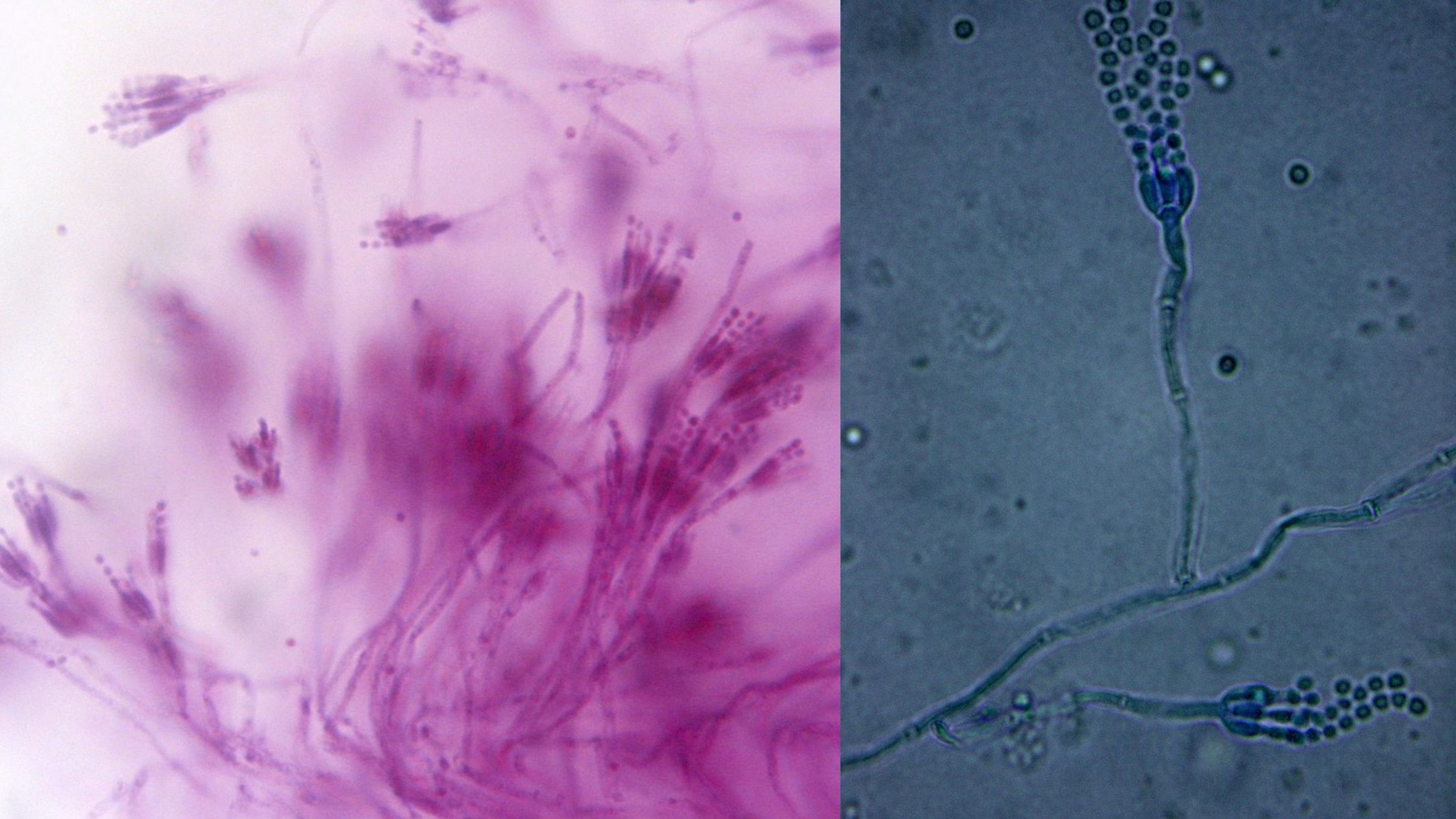
What is Penicillium? Requirements for Penicillium Microscopy Procedure of Penicillium Microscopy General Tips When embarking on the fascinating journey of Penicillium microscopy, there are some essential tips to ensure a successful and rewarding experience. By following these guidelines, researchers and enthusiasts can unlock the hidden world of mold and delve into the intricate details of … Read more
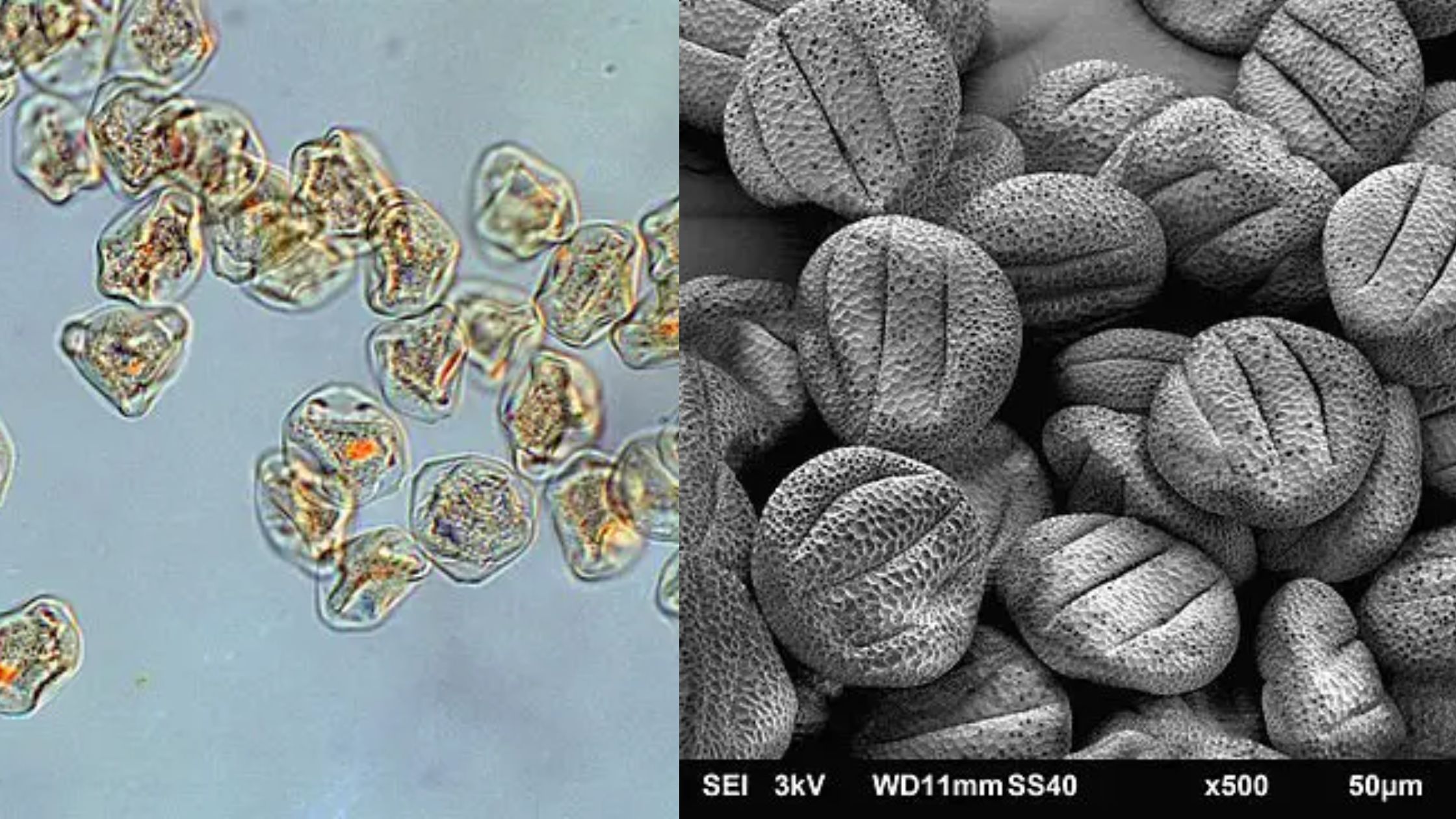
What is Pollen? Requirements for Pollen Microscopy Sample Collection for Pollen Microscopy Observation of Pollen Under Stereo Microscope Requirements Procedure for Observation of Pollen Under Stereo Microscope Observing pollen grains under a stereo microscope is a captivating journey into the hidden world of botanical wonders. With its ability to provide a three-dimensional view, the stereo … Read more
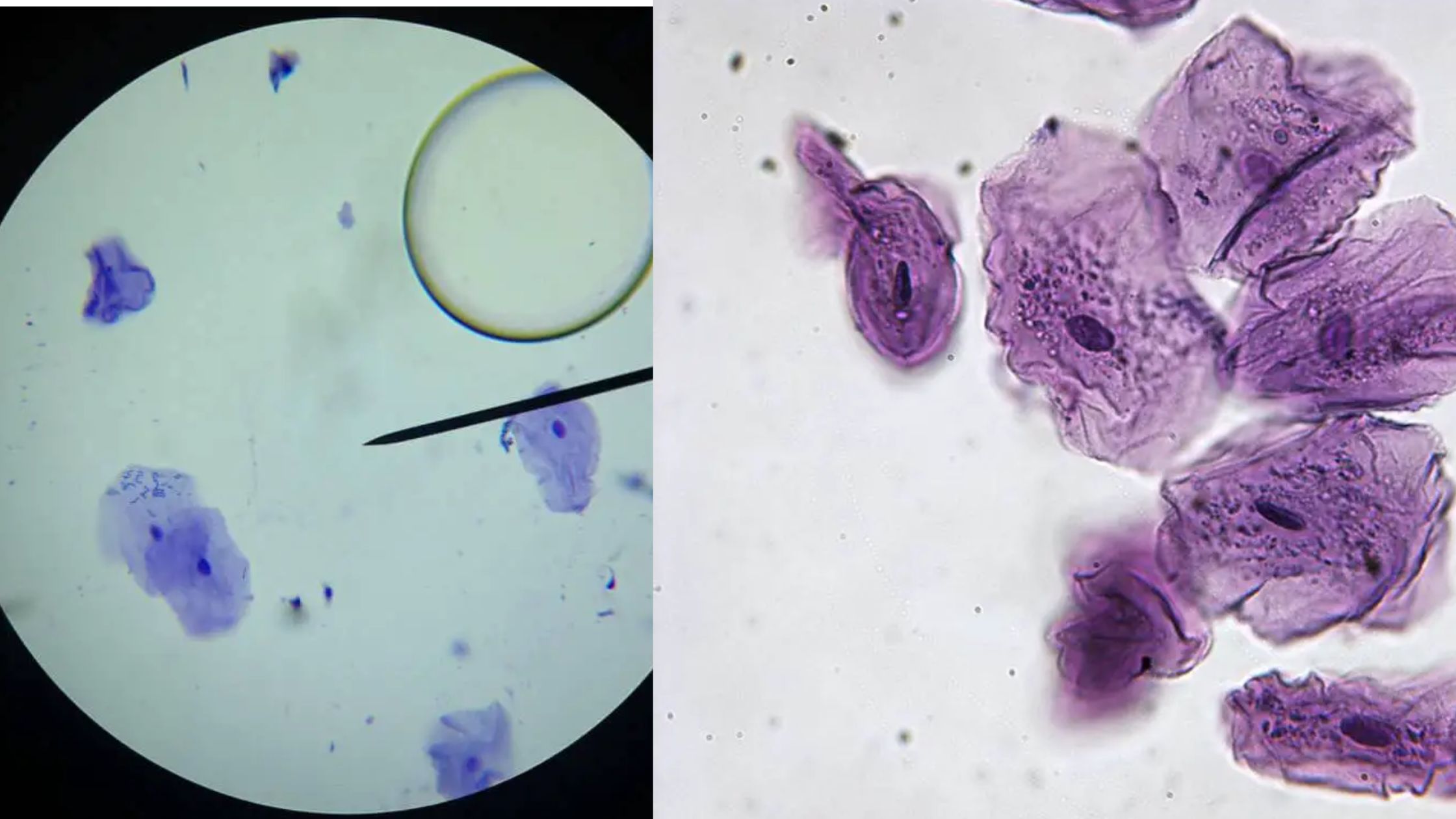
Cheek cells, fascinating eukaryotic entities, grace the lining of our mouths. These microscopic wonders boast a distinct structure that encapsulates a world of biological marvels within their tiny boundaries. Thanks to their ease of shedding, acquiring them for observation has become a simple yet enlightening endeavor. Within the confines of these small entities, a realm … Read more
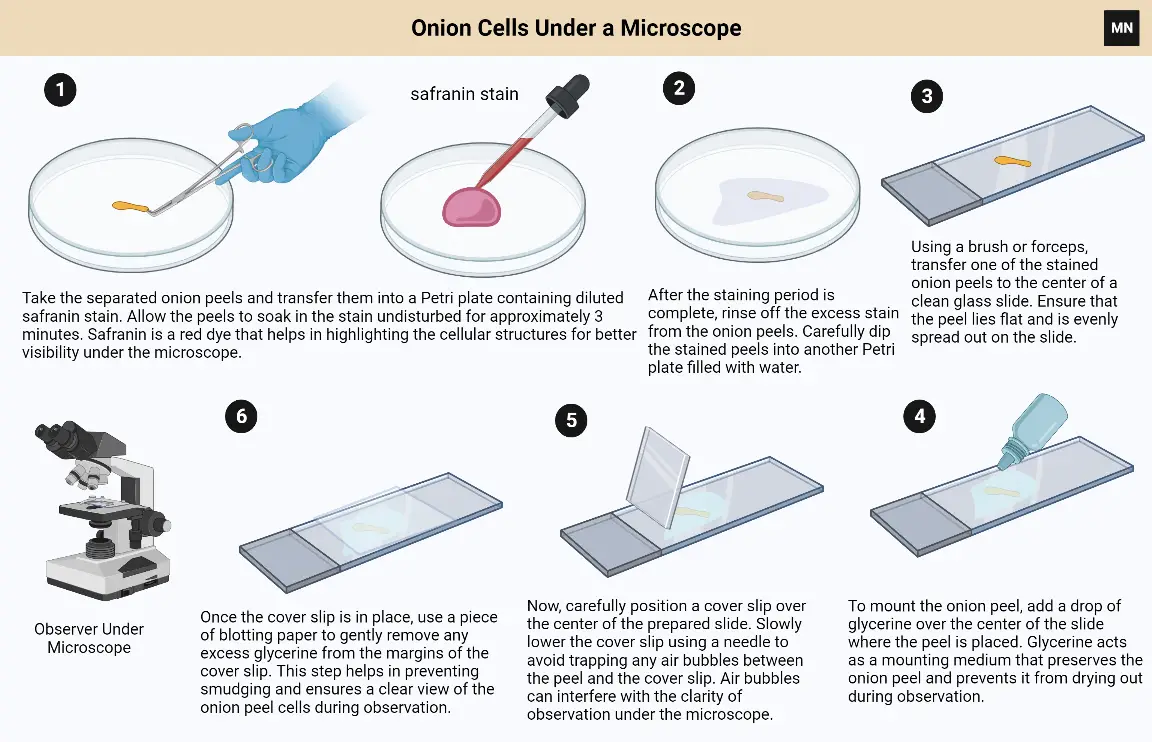
Learn how to prepare and observe onion peel under a microscope, identify visible cell parts, compare magnifications, understand staining, results and precautions.
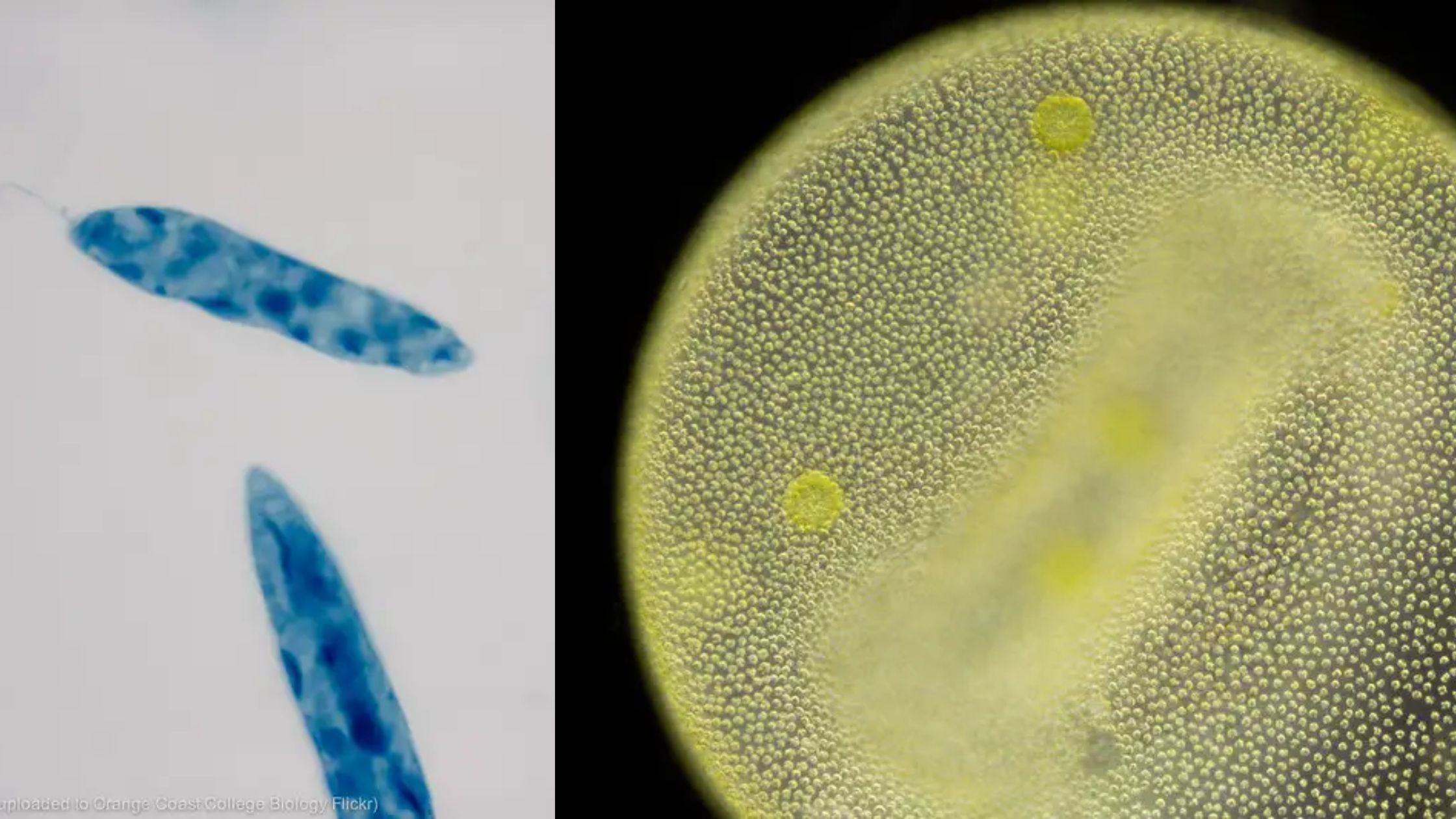
What is Protists? Protists are a group of eukaryotic organisms belonging to the Kingdom Protista. They are distinct from animals, plants, and fungi. While all protists are eukaryotes with a nucleus and cellular organelles, they can vary widely in their characteristics. The majority of protists are unicellular, although there are a few multicellular protists, with … Read more
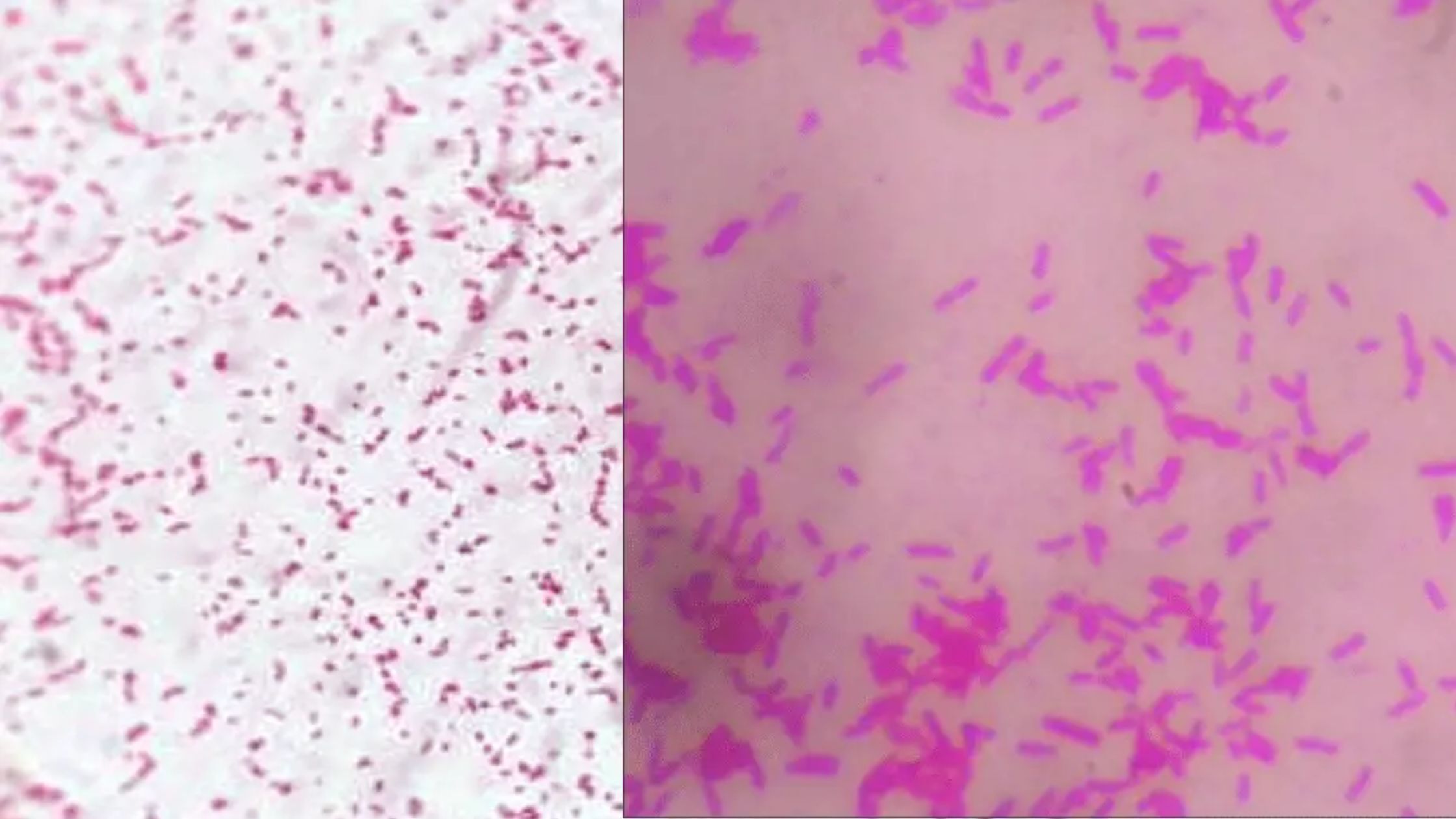
What is Salmonella? Salmonella is a group of gram-negative bacillus bacteria that is responsible for causing food poisoning and subsequent infections in the intestinal tract. While some infections can be effectively treated, there are certain strains that have developed resistance to antibiotics, making them potentially deadly. Consequently, Salmonella infections should not be underestimated and require … Read more
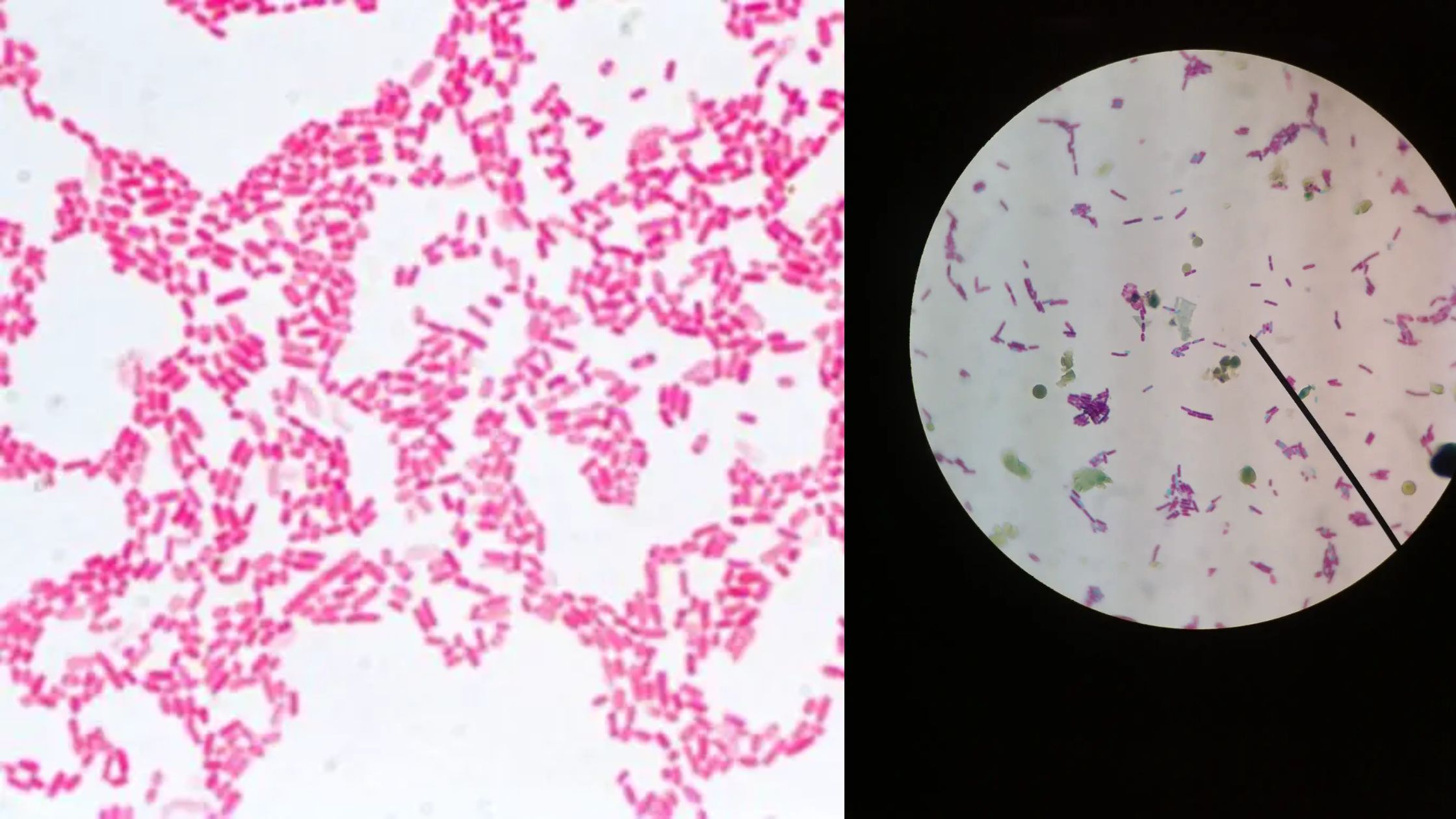
E. coli, short for Escherichia coli, is a versatile bacterium that can be found in a variety of environments, including certain foods, soil, and the intestines of animals, including humans. It belongs to the genus Escherichia and exhibits a wide diversity of strains. While many strains of E. coli are harmless and even beneficial, some … Read more
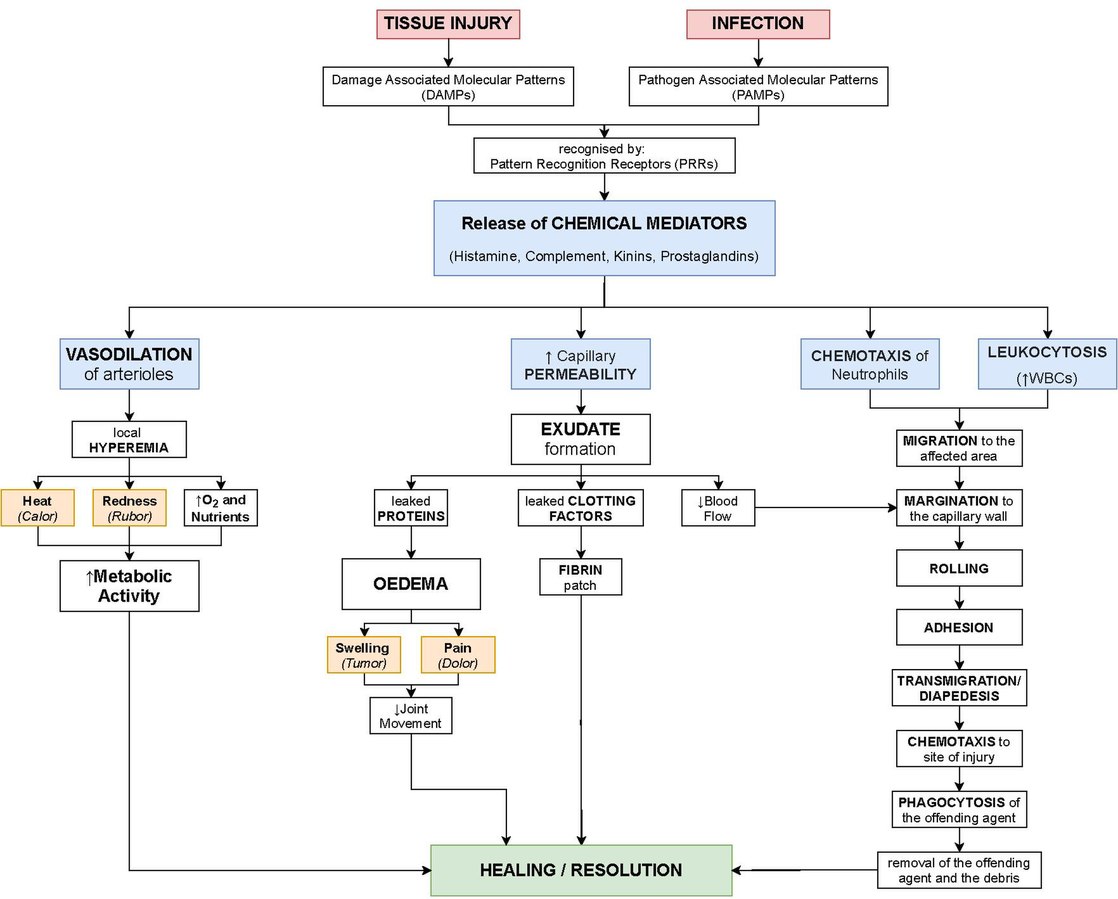
Inflammation is a protective reaction of body against injury, infection and harmful substances. It is a part of innate immune system. It helps to remove the harmful agent and starts tissue repair.Inflammation is a protective defence reaction of the body which occurs against infection, toxic chemical, injury and tissue damage. It is a part of … Read more
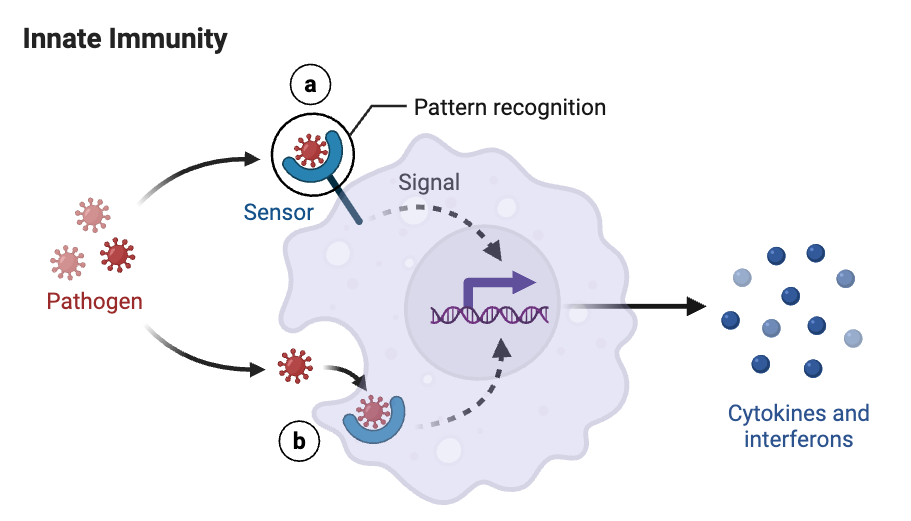
Innate immunity is the natural defence system of the body which is present from birth. It gives immediate protection against invading pathogens like bacteria, viruses, fungi and parasites. It acts in a non-specific manner and does not require previous exposure to the antigen. Innate immunity is the first and primary defence system of the body … Read more
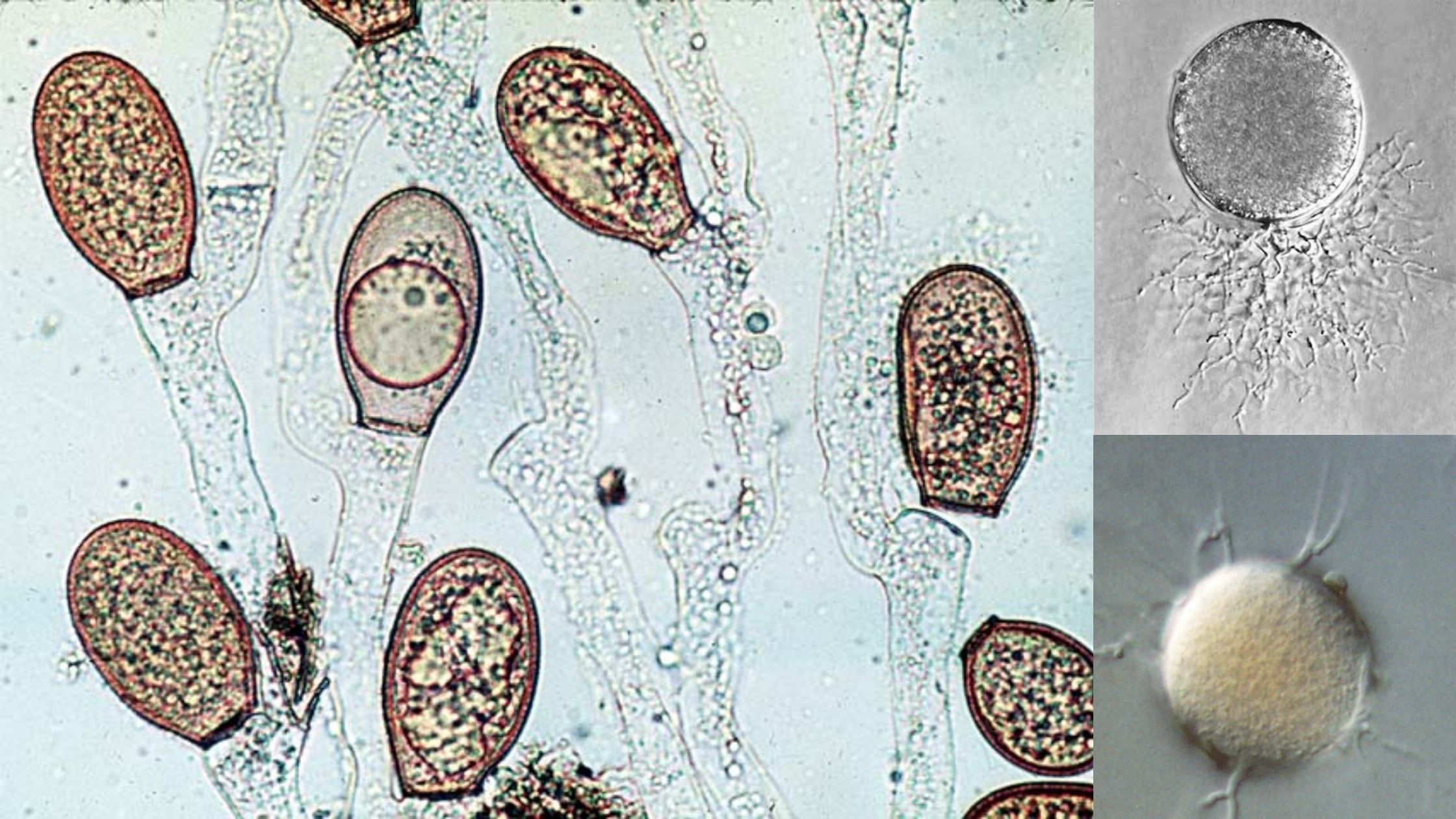
Chytridiomycota is a sub-group of zoosporic organisms from the kingdom Fungi. They are also known as chytrids. Named after the Ancient Greek word khutridion, which means “little pot”, it refers to the structure that contains unreleased zoospores. The earliest diverging fungal lineages are the Chytrids. Their membership in kingdom Fungi can be seen with chitin cell wall, posterior whiplash flagellum and absorptive nutrition. They also use glycogen to store energy and produce lysine through the a-amino acid (AAA).