Sourav Pan is the founder and sole author of Biology Notes Online. He holds a Bachelor of Science (B.Sc.) degree and an M.Sc. in Microbiology from the University of Calcutta. He creates educational resources covering microbiology, immunology, biotechnology, genetics, cell biology, botany, zoology, and other life-science subjects.
His goal is to make complex biological concepts easier to understand through well-structured, student-friendly articles based on academic textbooks, peer-reviewed research, and authoritative scientific sources. In addition to writing new content, he regularly reviews and updates articles to improve their accuracy, clarity, and educational value.
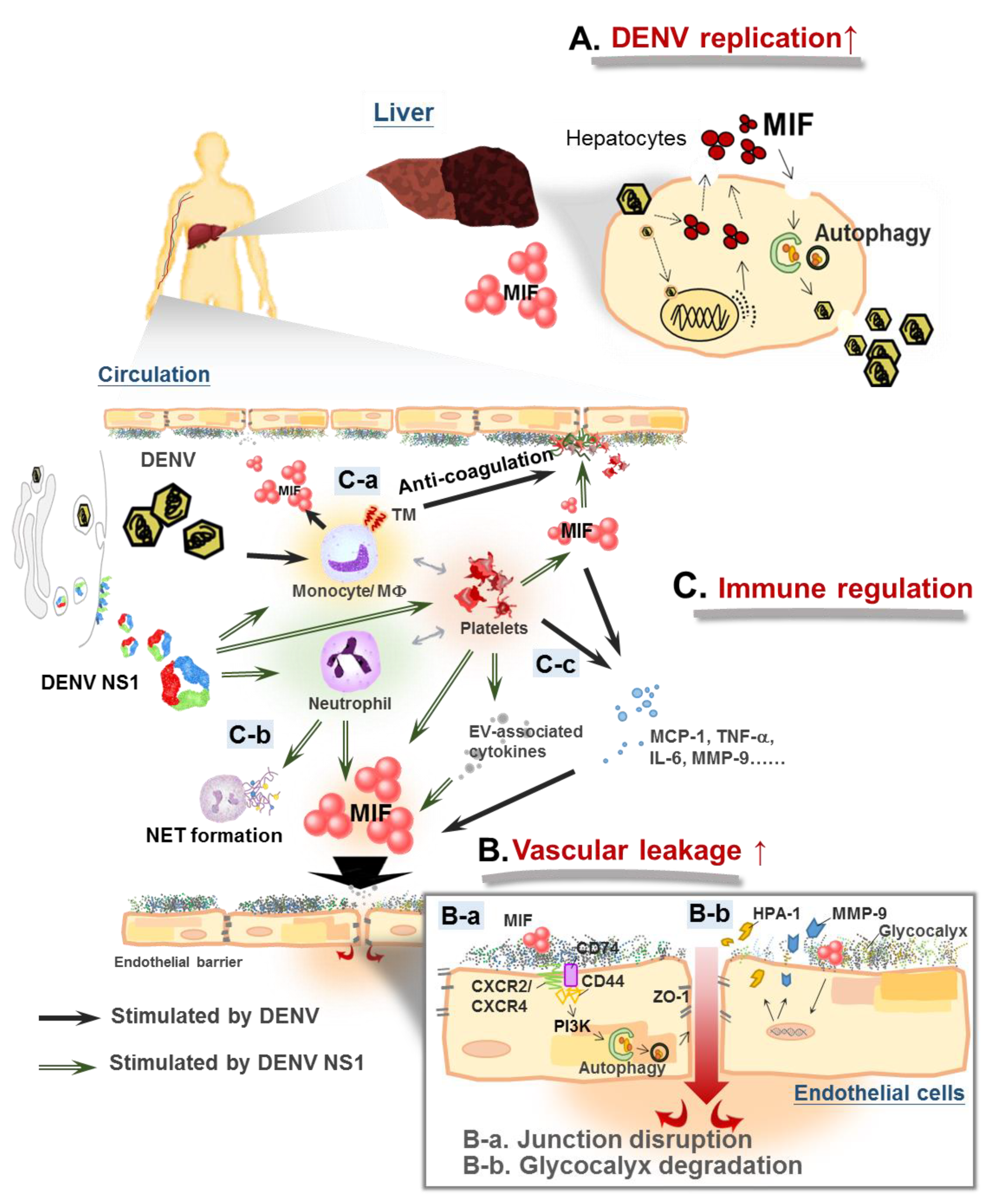
Through the bite of an infected Aedes species mosquito (Ae. aegypti or Ae. albopictus), dengue viruses are transmitted to people. These mosquitoes can transmit other viruses including Zika and chikungunya. 4 billion people, or close to half of the world’s population, reside in dengue-risk zones. In risky locations, dengue is frequently the main cause of … Read more
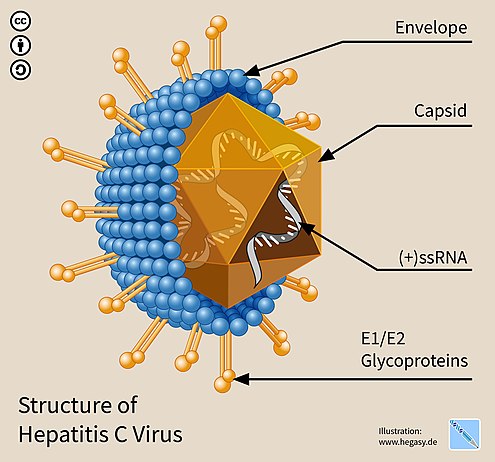
Hepatitis C is a viral infection that causes liver inflammation, sometimes leading to serious liver damage. The hepatitis C virus (HCV) is spread through contaminated blood, and it can be acute or chronic. Acute hepatitis C is a short-term illness that occurs within the first 6 months after someone is exposed to the virus. Chronic … Read more
Hepatitis A is a liver inflammation brought on by the hepatitis A virus (HAV). Primarily, the virus is transmitted when an uninfected (and unvaccinated) individual consumes food or water contaminated with the faeces of an infected individual. The disease is strongly linked to unclean water or food, inadequate sanitation, poor personal hygiene, and oral-anogenital contact. … Read more
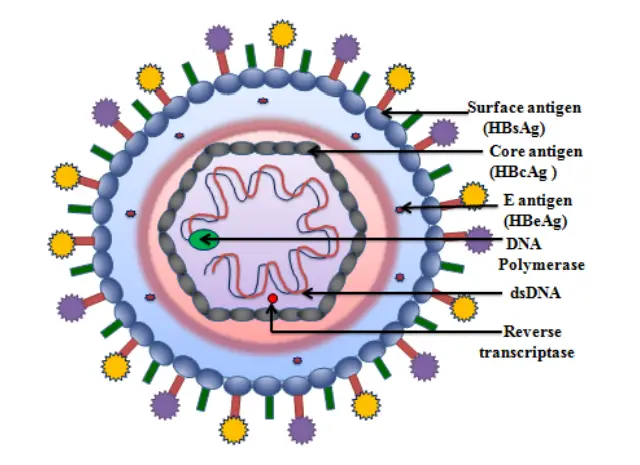
Hepatitis B is a viral infection that causes liver inflammation, sometimes leading to serious liver damage. The hepatitis B virus (HBV) is transmitted through contact with the blood or other body fluids of an infected person. This can occur through sexual contact, sharing needles, or from an infected mother to her baby at birth. Symptoms … Read more
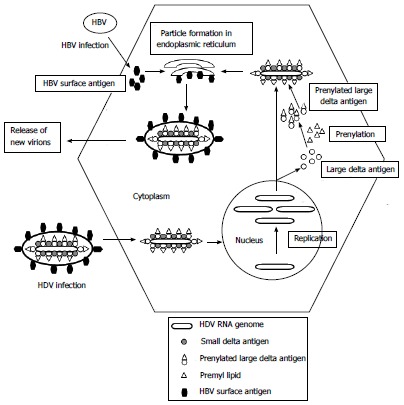
Hepatitis D, commonly referred to as “delta hepatitis,” is a viral infection of the liver (HDV). Hepatitis D is only transmitted to individuals who are simultaneously infected with the hepatitis B virus. Hepatitis D is transmitted when blood or other body fluids from an infected individual enter the body of an uninfected person. Hepatitis D … Read more
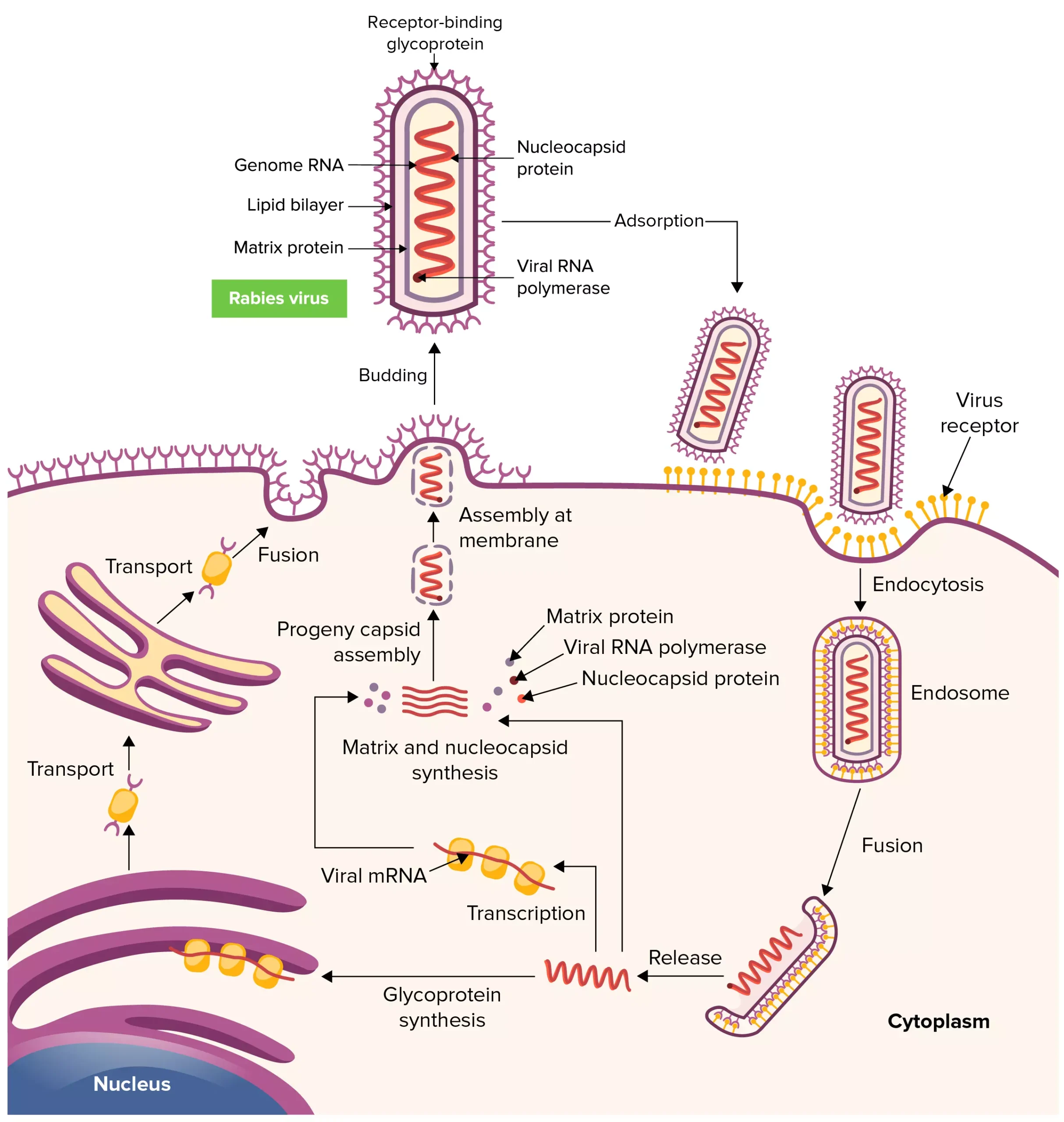
Rabies is a viral disease that causes inflammation of the brain in humans and other mammals. It is transmitted through the saliva of infected animals, usually through a bite. The virus attacks the central nervous system, leading to symptoms such as fever, muscle spasms, and hallucinations. If left untreated, rabies is almost always fatal. It … Read more
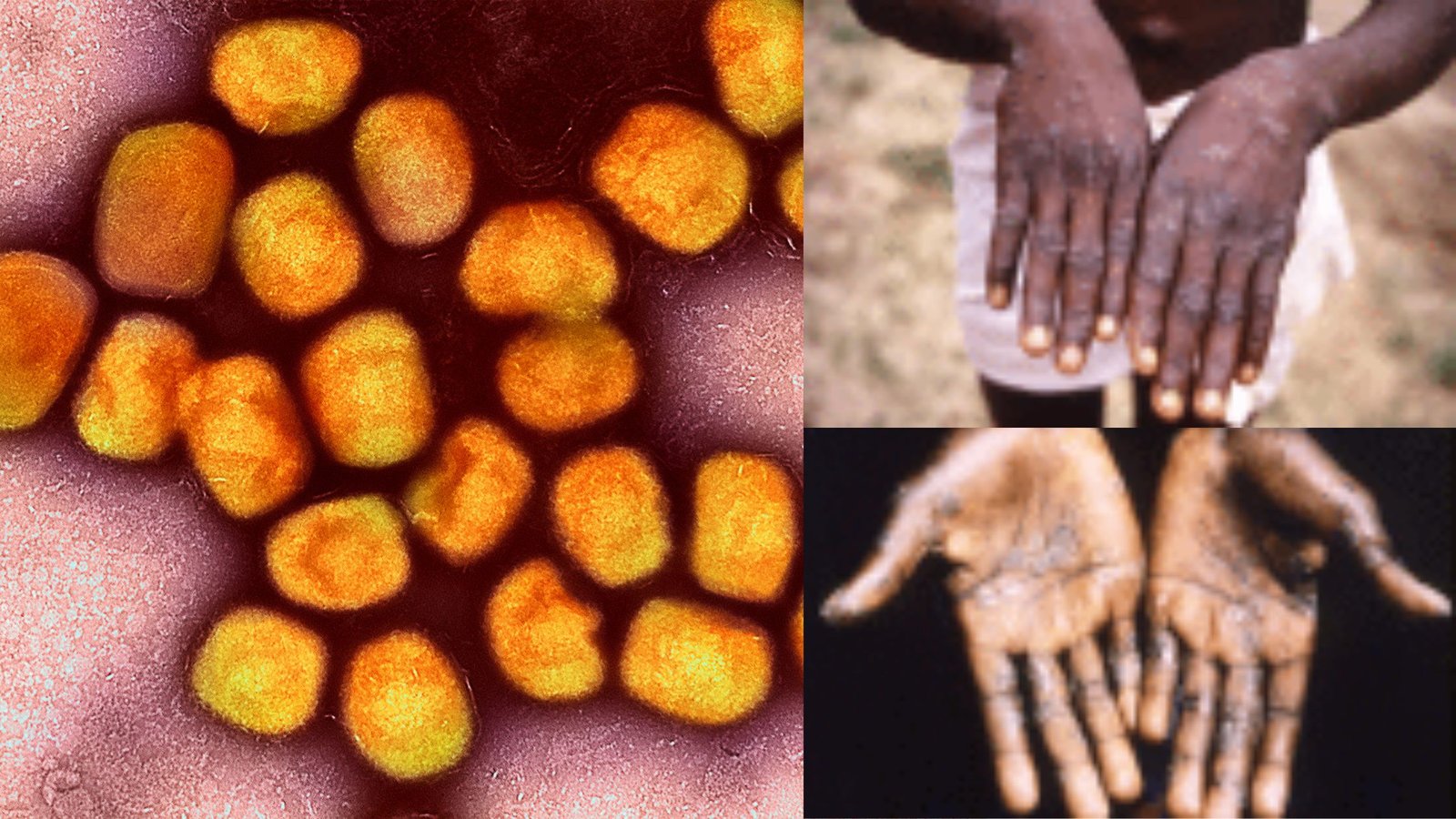
What is monkeypox virus? Classification of Monkeypox Virus Morphology of Monkeypox Virus/Structure of Monkeypox Virus Genome Structure of Monkeypox Virus Genome Structure Replication Cycle of Monkeypox Virus The cycle of replication for poxviruses is different from that of other DNA viruses, is carried out in the cytoplasm within the cell that hosts them. Poxviruses infiltrate … Read more
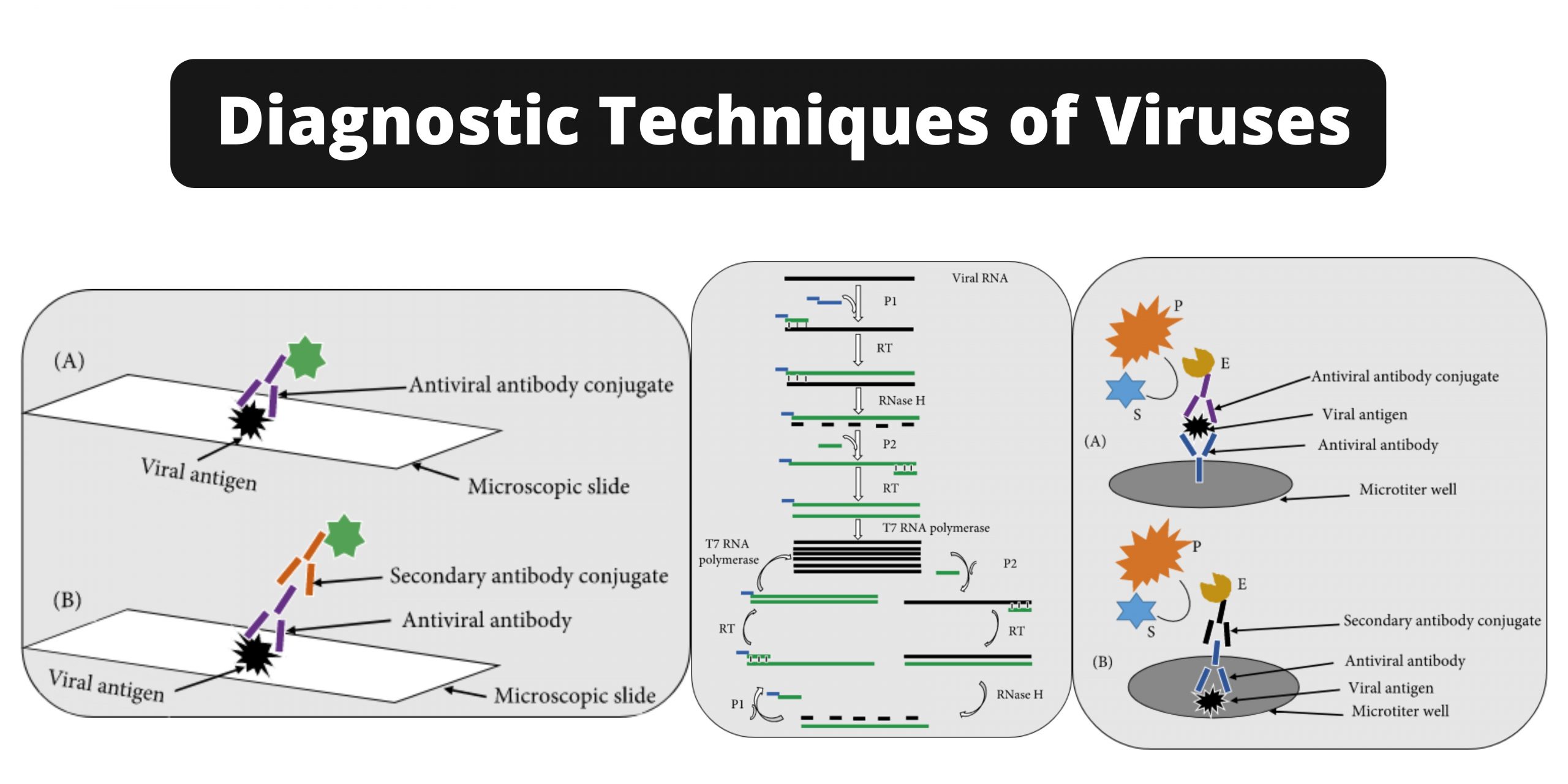
The most common cause for human disease is viral infections. Millions are still dying from viral infections, including hepatitis and human immunodeficiency viruses (HIV).
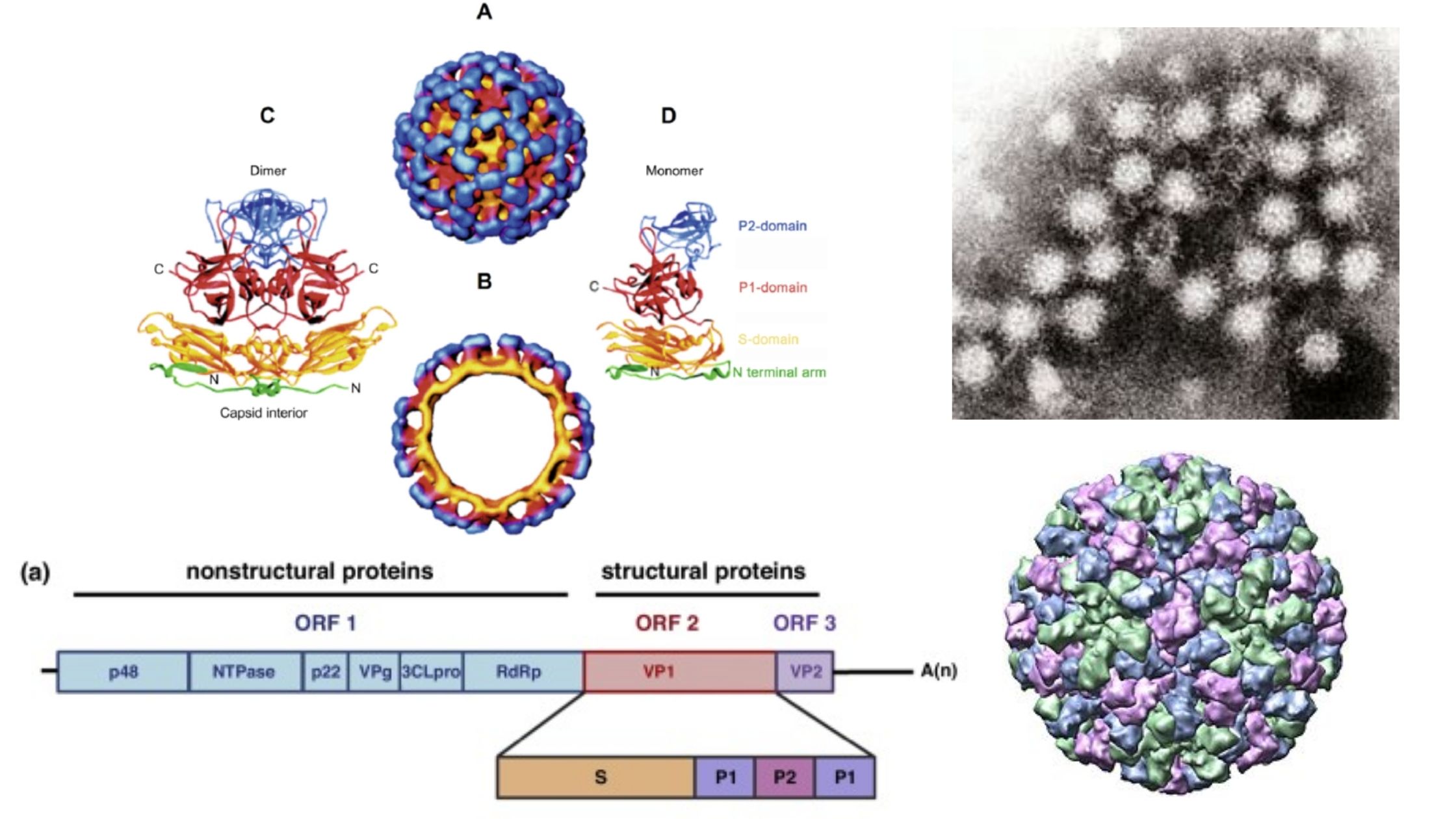
Norovirus, an RNA-based virus belonging to the family Caliciviridae is an enteric pathogen that can cause significant morbidity and mortality in health medical and communities.
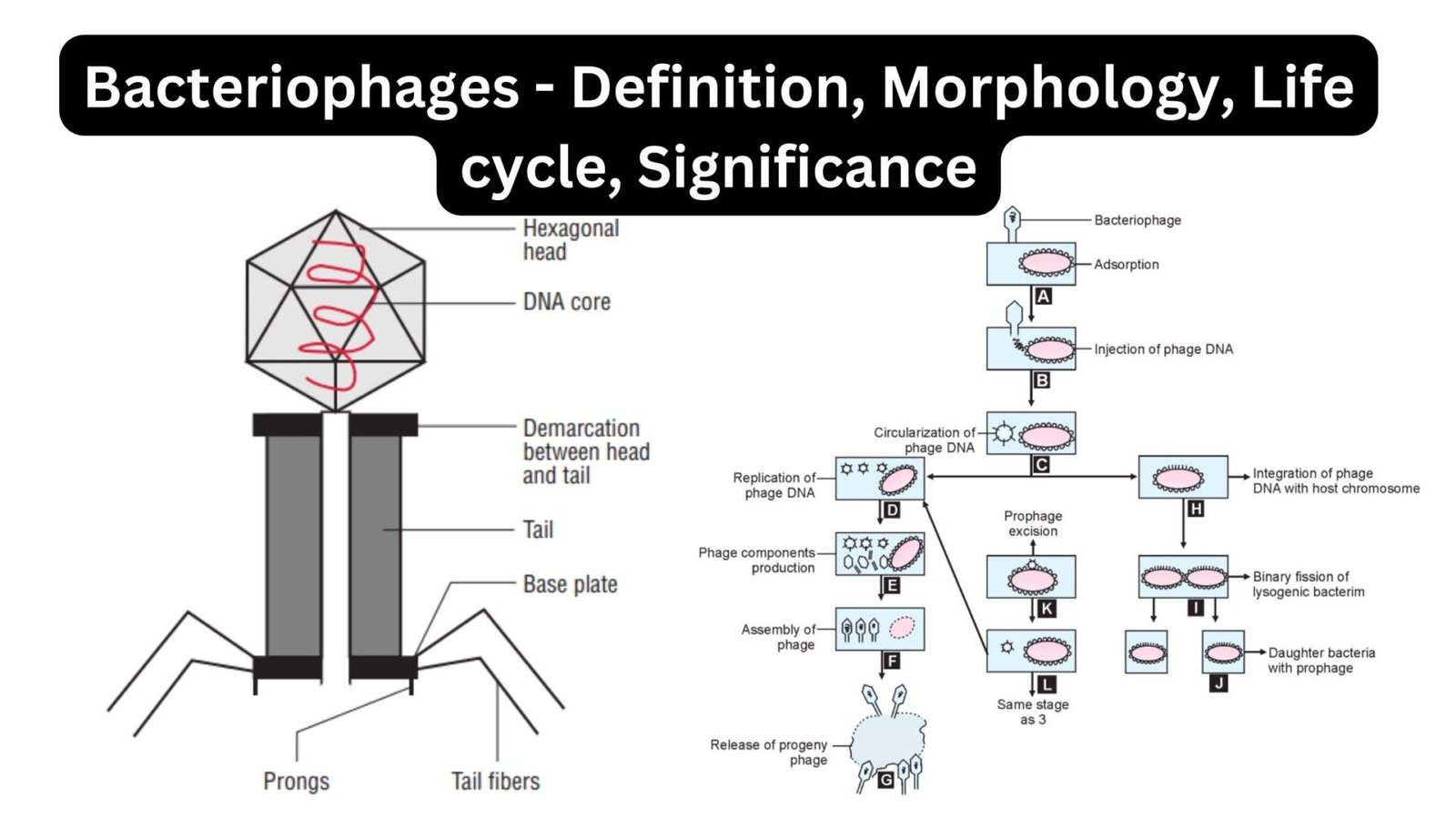
Viruses that infect bacteria are known as phages or bacteriophages. Twort (19l5) described a degenerative alteration in staphylococcal colonies isolated from calf lymph that was transmissible serially via application of culture filtrates from the original growth. d’Herelle (1917) observed that the filtrates of dysentery patient faeces cultures produced transmissible lysis of a dysentery bacillus broth … Read more