Sourav Pan is the founder and sole author of Biology Notes Online. He holds a Bachelor of Science (B.Sc.) degree and an M.Sc. in Microbiology from the University of Calcutta. He creates educational resources covering microbiology, immunology, biotechnology, genetics, cell biology, botany, zoology, and other life-science subjects.
His goal is to make complex biological concepts easier to understand through well-structured, student-friendly articles based on academic textbooks, peer-reviewed research, and authoritative scientific sources. In addition to writing new content, he regularly reviews and updates articles to improve their accuracy, clarity, and educational value.
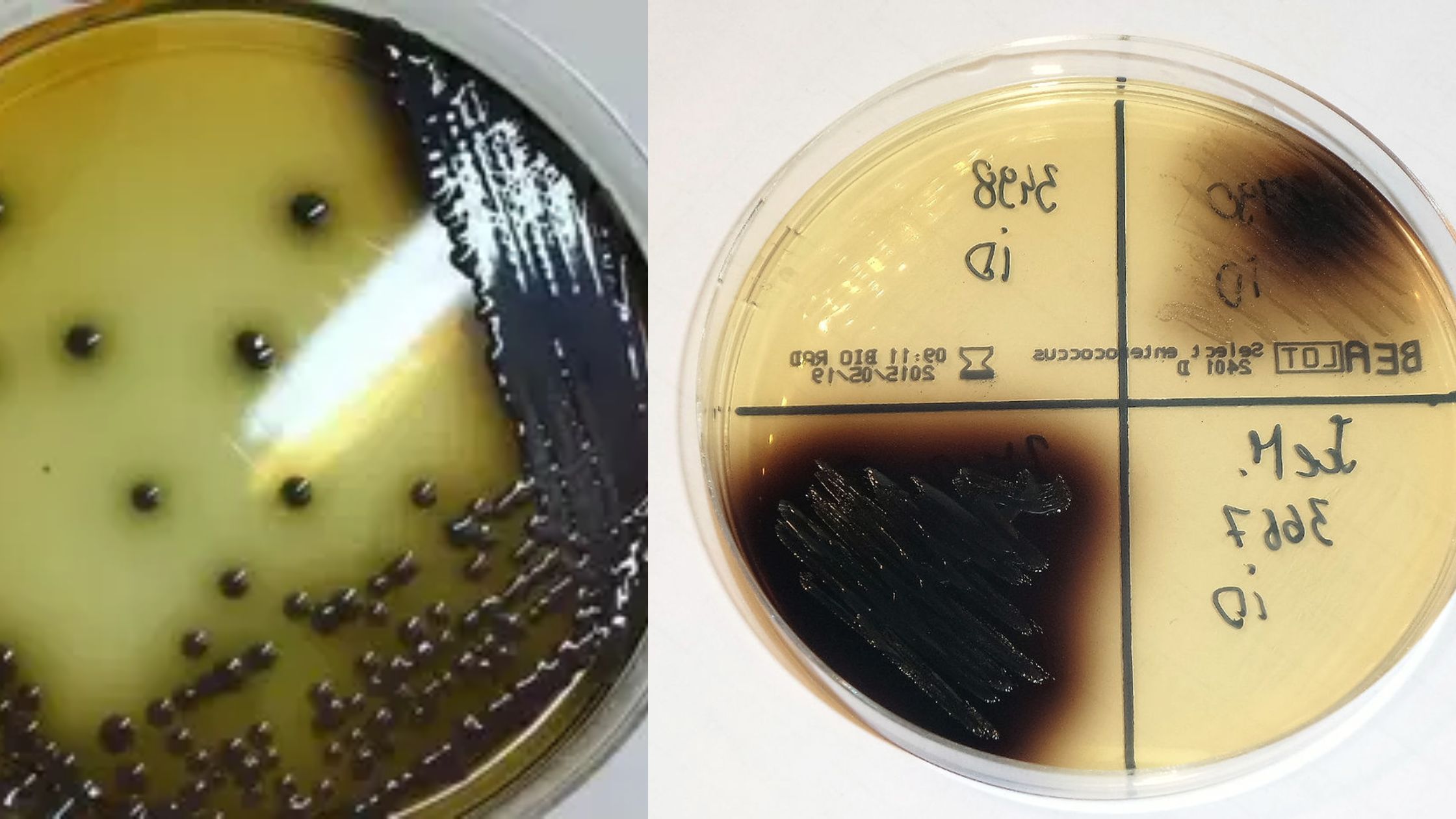
What is Bile Esculin Agar (BEA)? Bile Esculin Agar (BEA) Composition Bile Esculin Agar (BEA) contains the following ingredients per liter of the medium: The final pH of the medium, when measured at 25°C, is approximately 6.6±0.2. These specific components and their concentrations are carefully selected to create a medium that is selective and differential … Read more
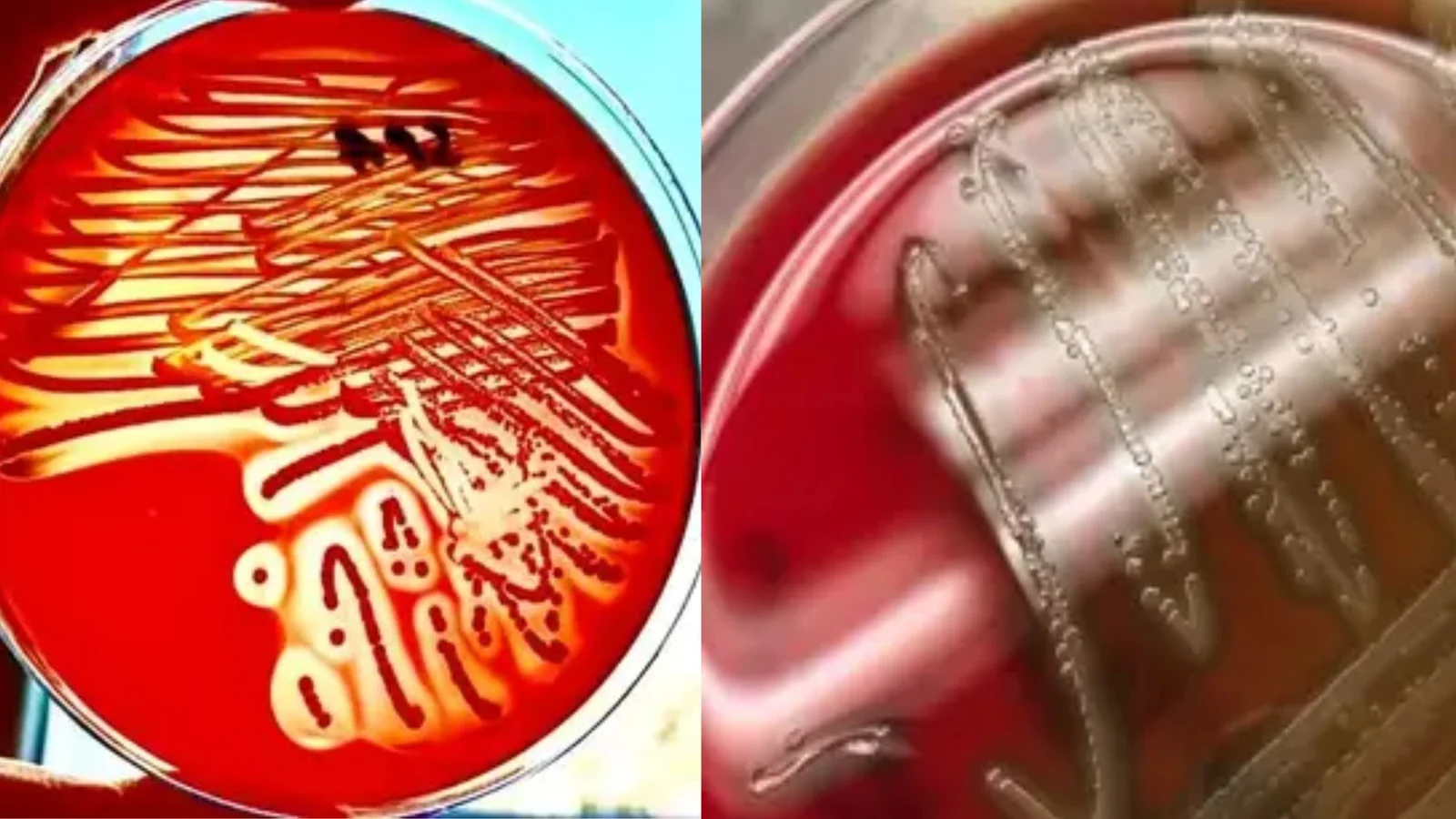
What is Columbia Blood Agar Base? Principle of Columbia Blood Agar Base The principle of Columbia Blood Agar Base lies in its composition and functionality in supporting the growth and differentiation of various bacterial species. Here are the key principles of Columbia Blood Agar Base: Composition of Columbia Blood Agar Base Ingredients Gms/Litre Peptone special … Read more
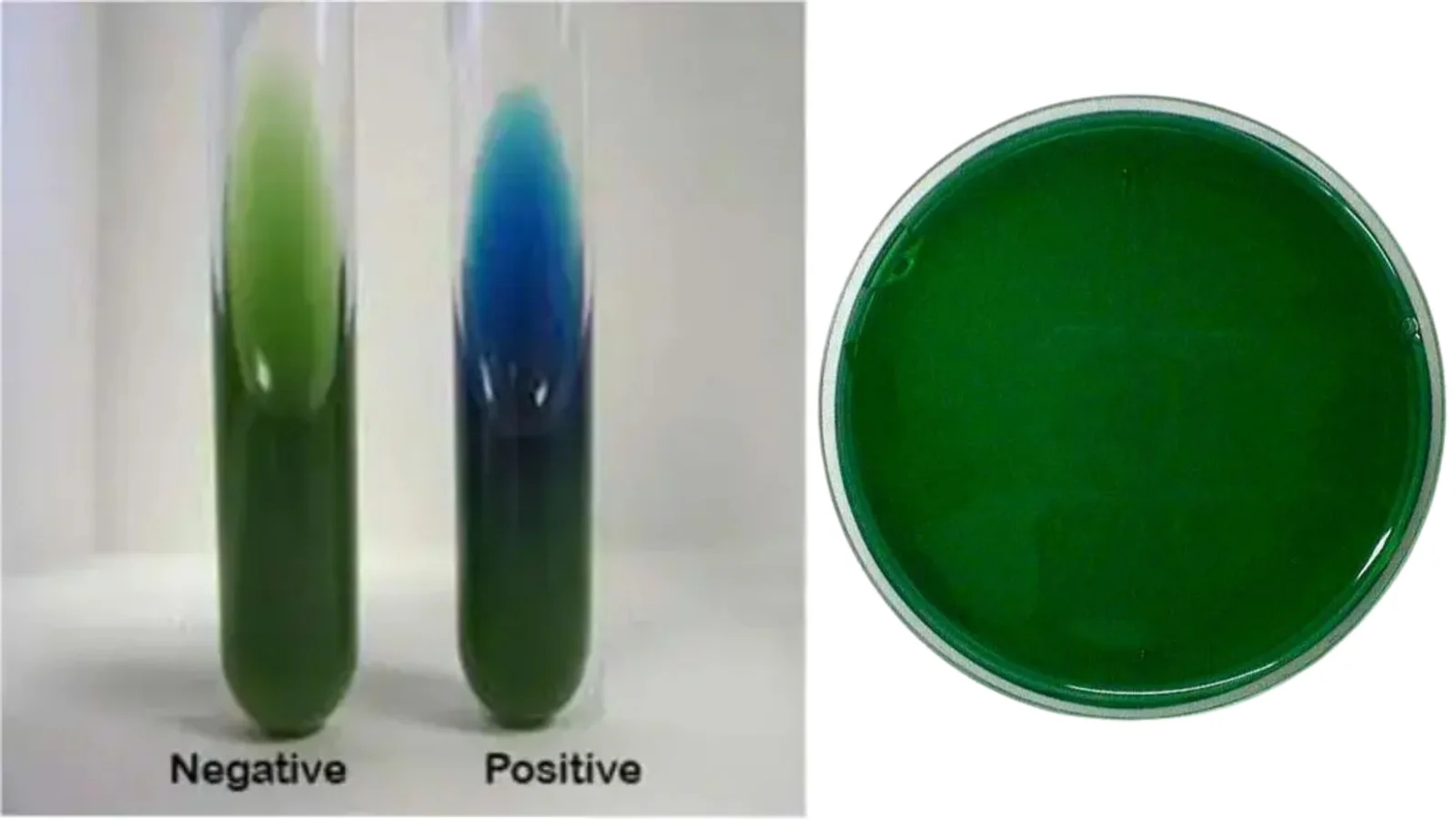
What is Simmons Citrate Agar? Composition of Simmons Citrate Agar Ingredients Gms/liter Magnesium sulfate 0.200 Ammonium dihydrogen phosphate 1.000 Dipotassium phosphate 1.000 Sodium citrate 2.000 Sodium chloride 5.000 Bromothymol blue 0.080 Agar 15.000 Final pH ( at 25°C) 6.8±0.2 Principle of Simmons Citrate Agar The principle of Simmons Citrate Agar revolves around the ability of … Read more
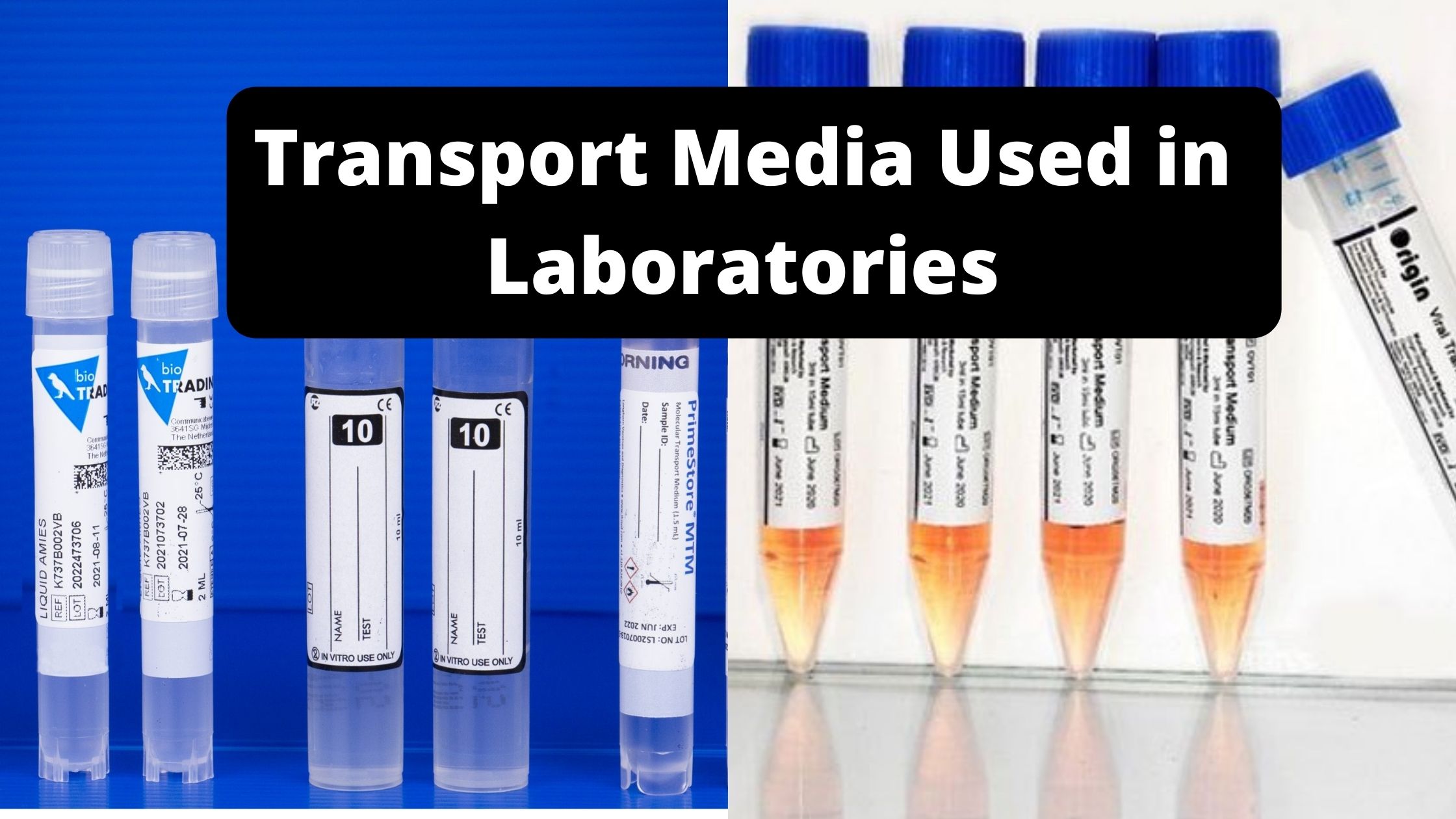
Transport media are basically buffer solutions that contain carbohydrate, peptones, along with other nutritional elements (excluding growing factors) that are designed to protect the health of bacteria during transport, without allowing for their multiplicity. The main goal of utilization of the medium is to keep the sample as close to its original condition as is possible.
Burkholderia cepacia can be viewed as an opportunity-based bacterium that is associated with nosocomial illnesses caused by contamination of medical equipment and disinfectants. However, the highest risk group is CF patients. People with cystic fibrosis are at an increased risk of infection. those with the infection, if not treated are prone to rapid declines of lung functions, frequent bacteremia and even death due to lung dysfunction.
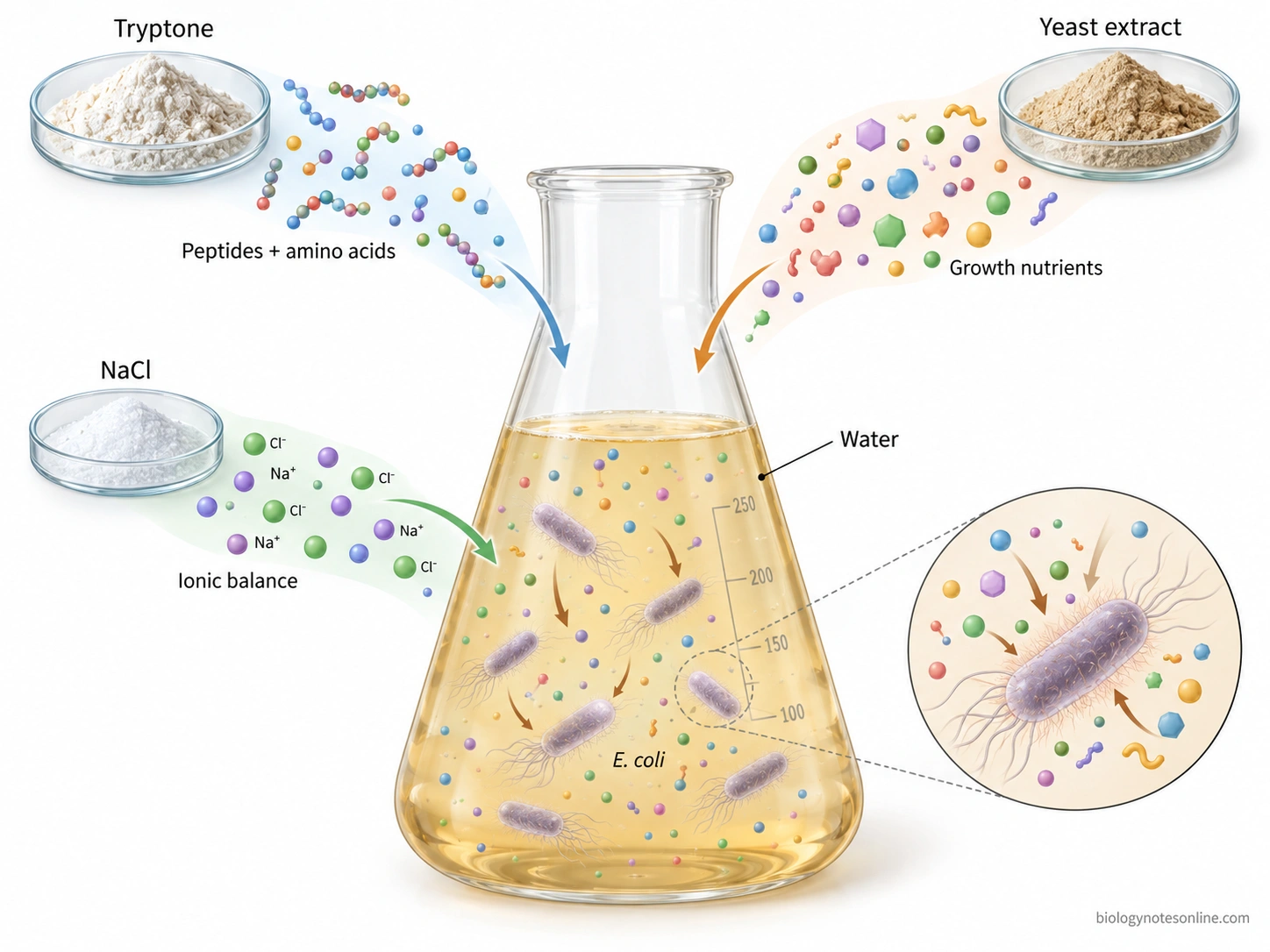
Learn what lysogeny broth (LB) is, its composition and recipe, how to prepare LB medium, its major formulations, uses for E. coli, and how LB broth differs from LB agar.
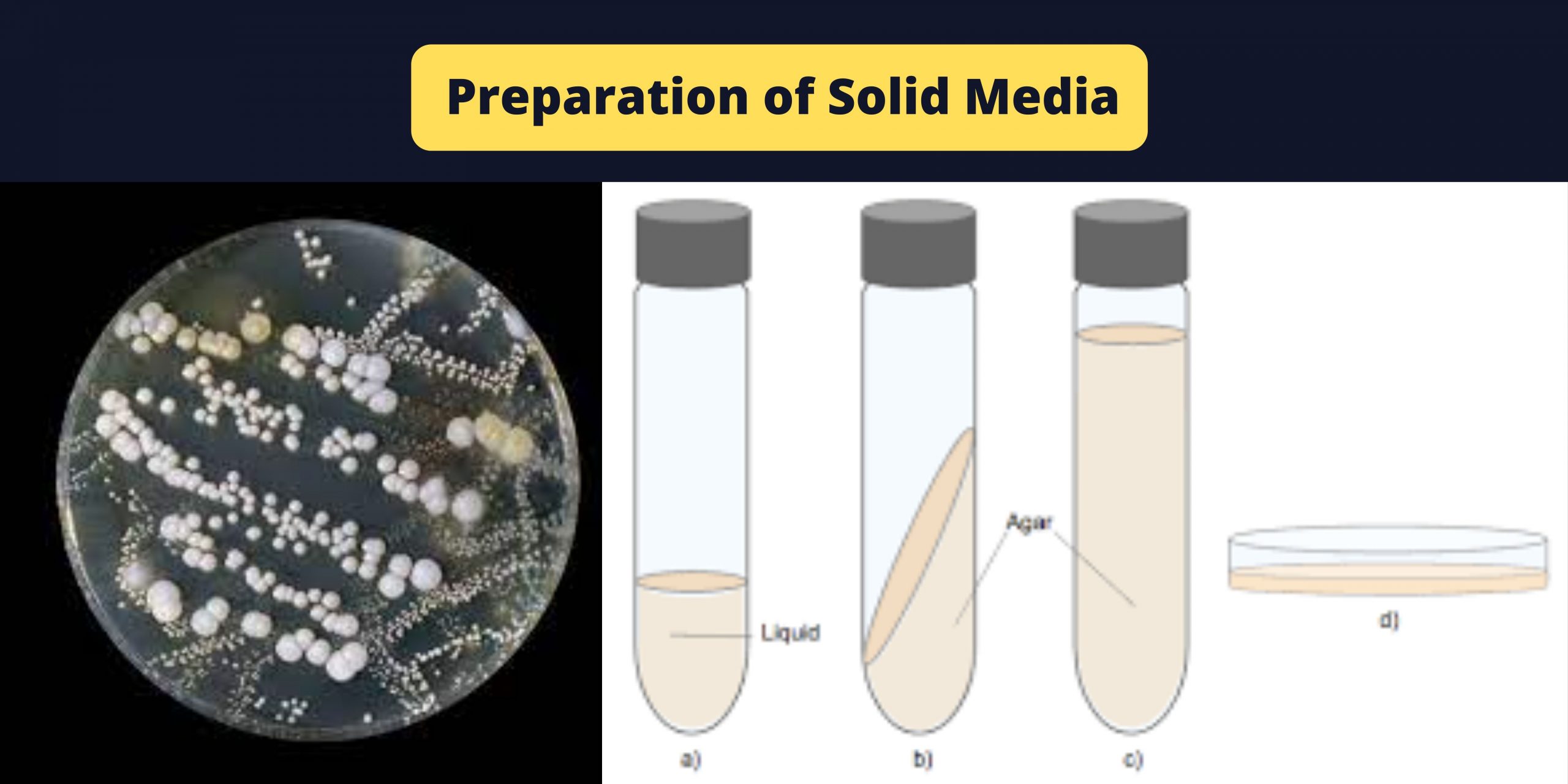
If the broth medium is supplemented with agar-agar it is referred to as agar medium like the nutrient Agar Medium (NAM) for the cultivation of bacteria potato dextrose (PDA) medium for the cultivation and storage of general fungi Czapek Dox agar (CDA) medium for fungi, starch-casein (SCA) media for the cultivation of actinomycetes, and so on.
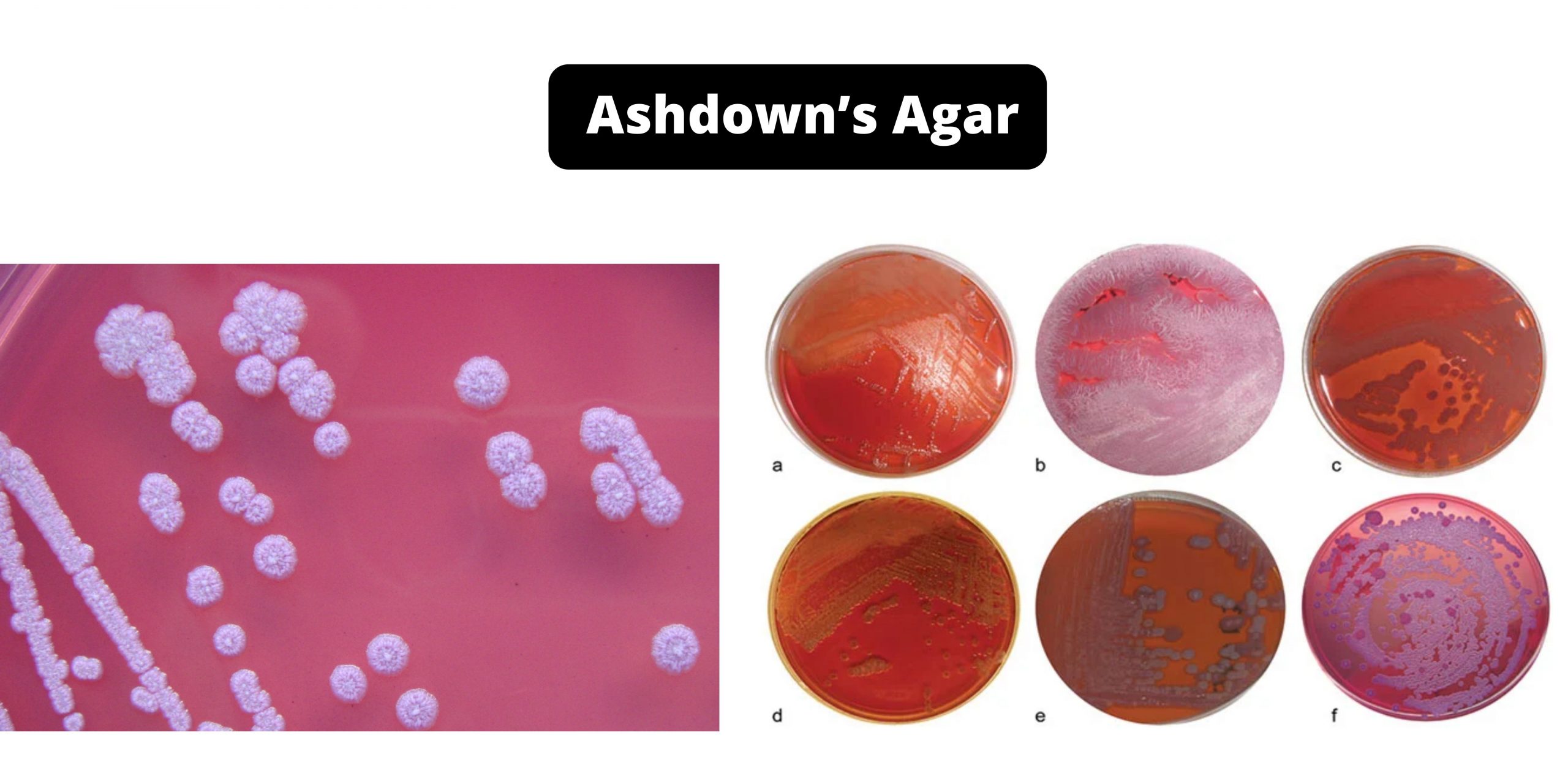
Ashdown’s medium can be described as a selective culture medium that allows for the identification and characterisation of Burkholderia pseudomallei (the bacteria which causes the disease melioidosis). The Ashdown’s Medium was initially identified by LR Ashdown in 1979.