Sourav Pan is the founder and sole author of Biology Notes Online. He holds a Bachelor of Science (B.Sc.) degree and an M.Sc. in Microbiology from the University of Calcutta. He creates educational resources covering microbiology, immunology, biotechnology, genetics, cell biology, botany, zoology, and other life-science subjects.
His goal is to make complex biological concepts easier to understand through well-structured, student-friendly articles based on academic textbooks, peer-reviewed research, and authoritative scientific sources. In addition to writing new content, he regularly reviews and updates articles to improve their accuracy, clarity, and educational value.
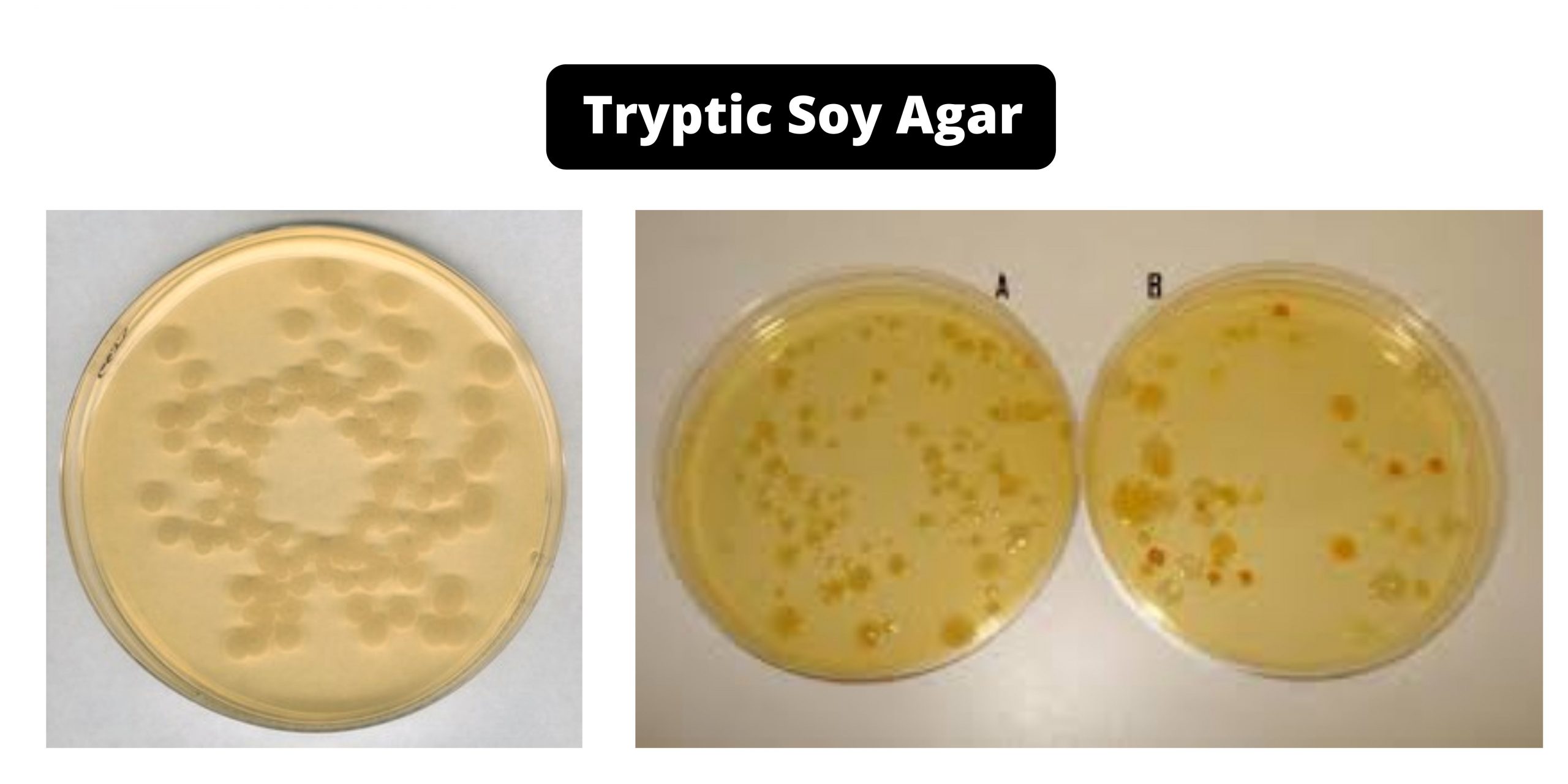
Tryptic Soy Agar can be used to grow microorganisms. These media are non-selective and general-purpose. They provide enough nutrients to support a variety of microorganisms. This medium can also be used to grow, store, maintain, and transport pure microorganism cultures.
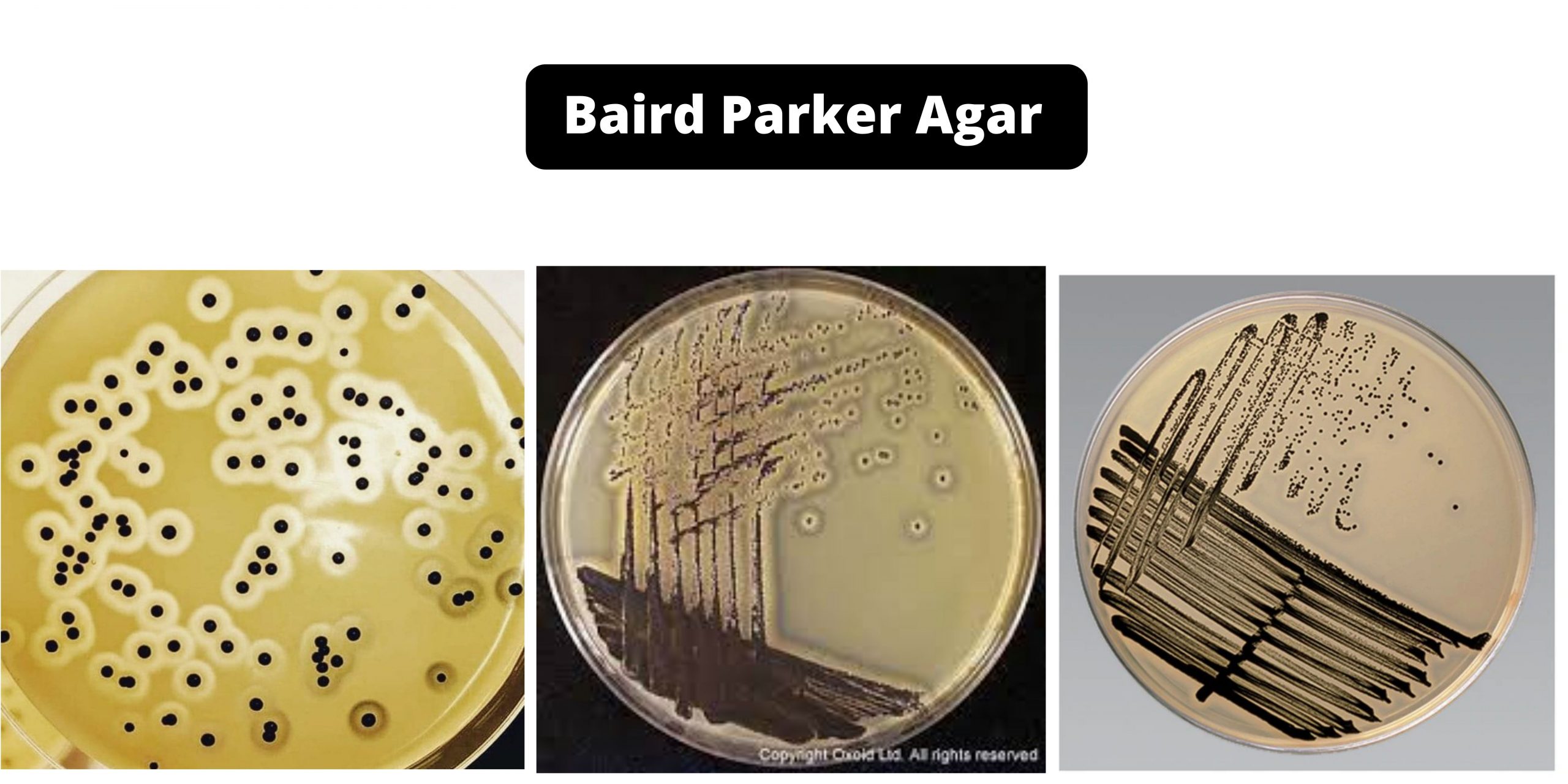
Baird Parker Agar was created by Baird Parker using the Tellurite–glycine formulation of Zebovitz et al. It allows for a good differentiation between coagulase positive strains.
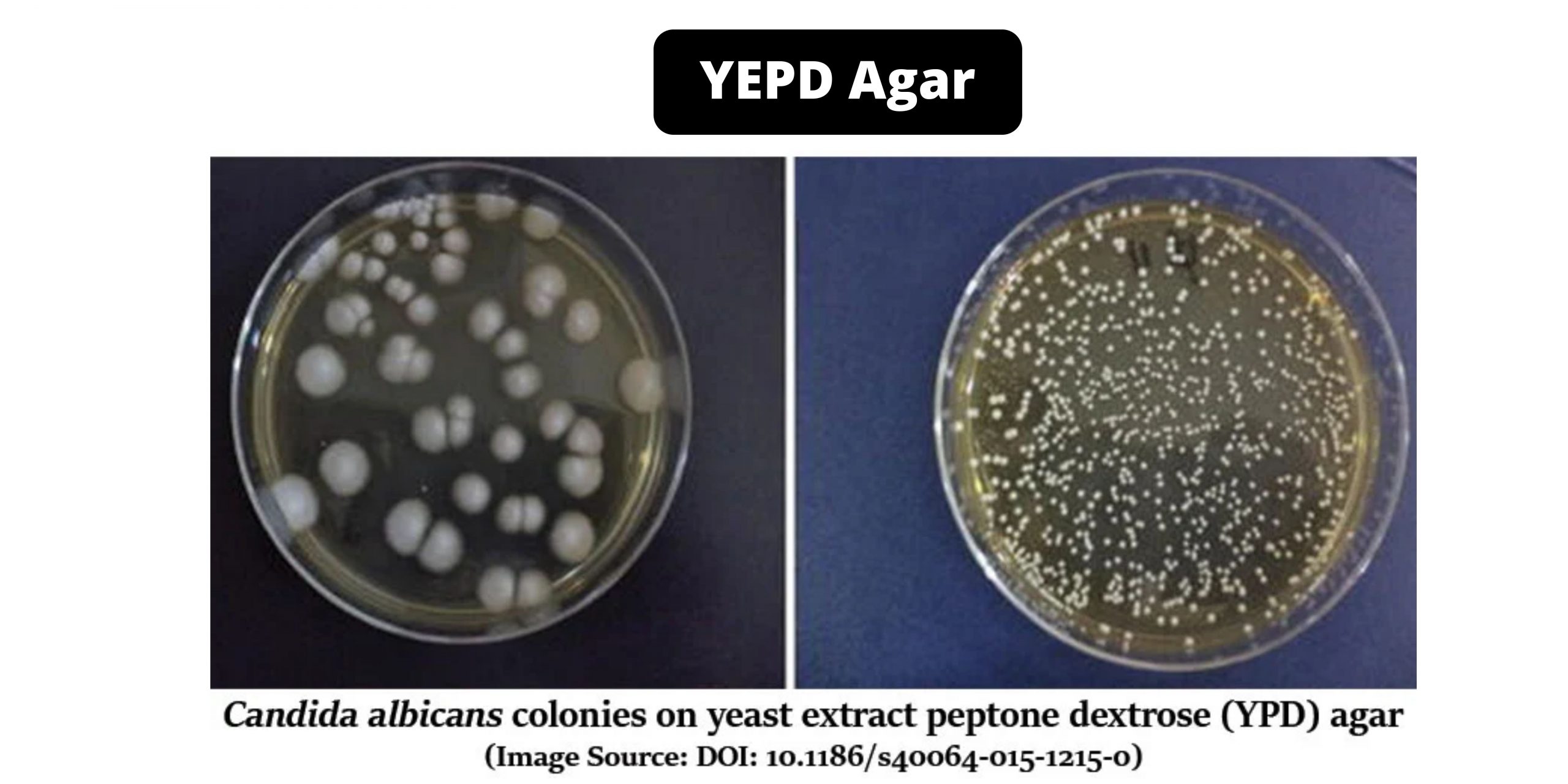
Yeasts, unicellular eukaryotes, are a well-studied model organism in molecular genomics. They are chemoorganotrophs because they use organic compounds for energy. Yeast extract peptone, or YEPD), Growth Agar is used to maintain and propagate yeasts. YPD is a complete medium that allows for yeast growth.
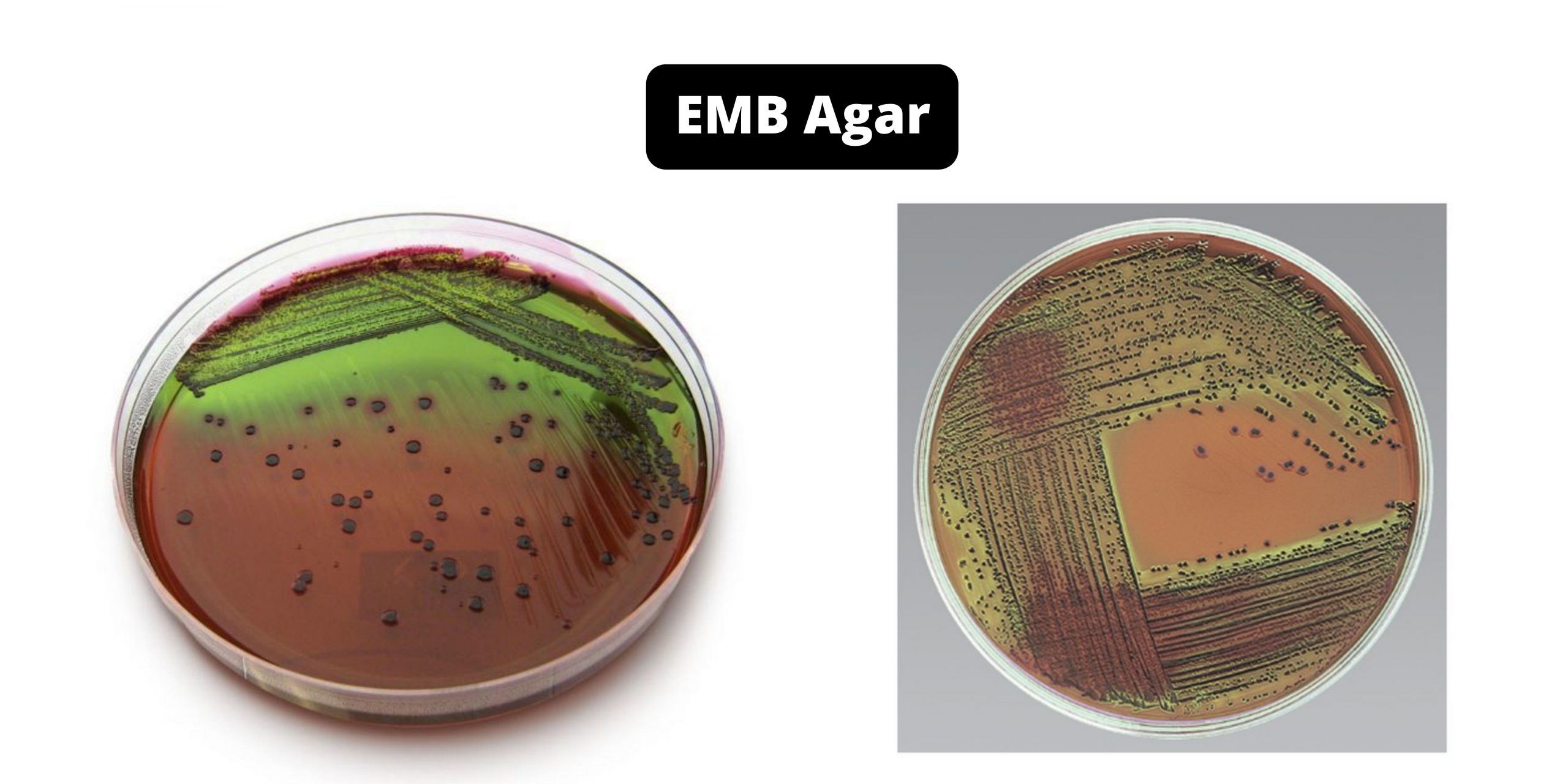
Eosin Methylene Blue (EMB), a microbiological media, is a differentiating medium that slightly inhibits the growth and color of Gram-positive bacteria. It also provides a color indicator to distinguish between organisms that ferment lactose (e.g. E.coli) and those who do not (e.g. Salmonella, Shigella). Holt-Harris, Teague, and Levine first created EMB agar.
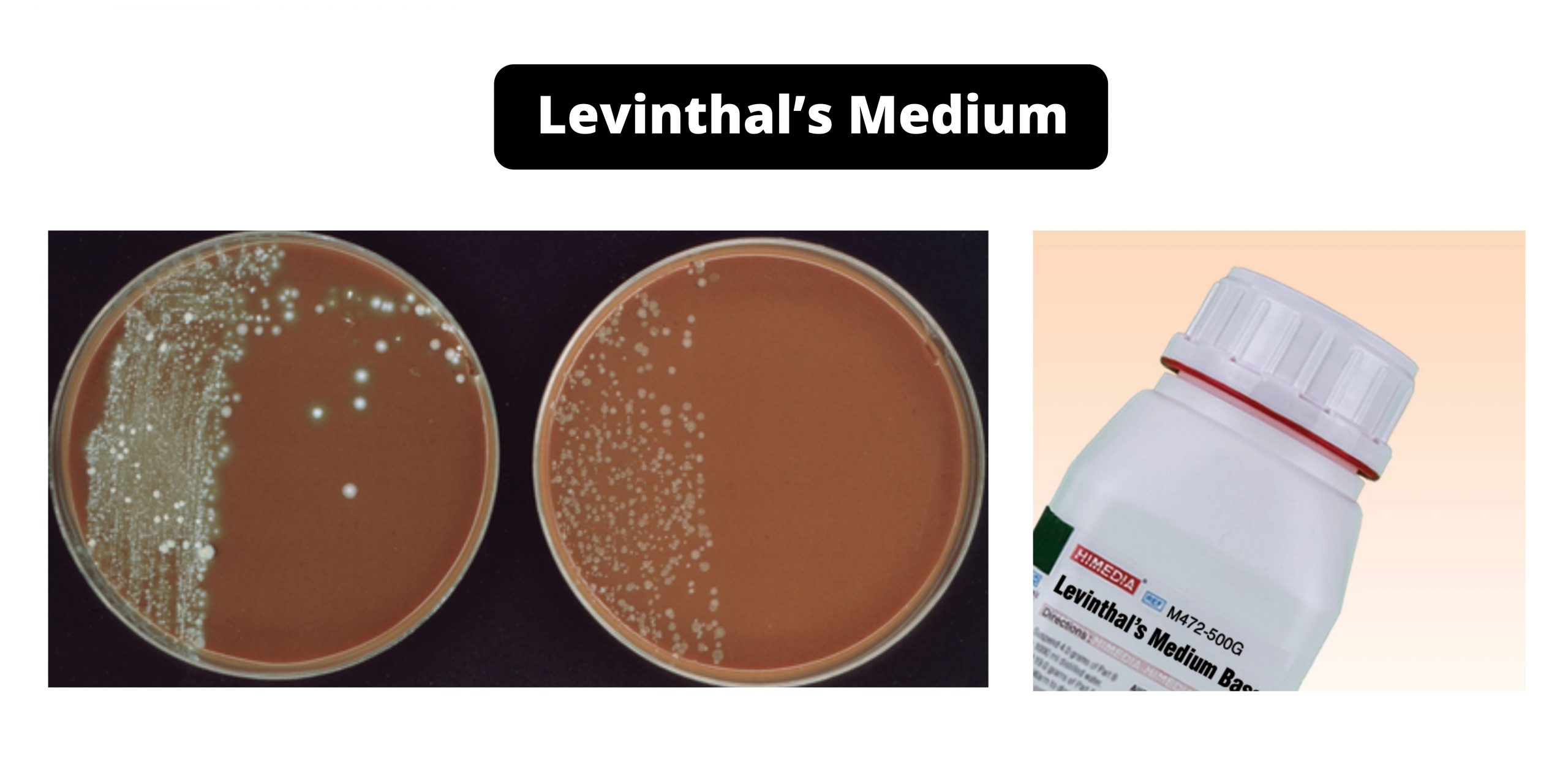
For the cultivation of Haemophilus, Levinthal’s Medium can be used. Although there are many species in the genus Haemophilus that can cause infections, they all share a common morphology. They also require blood-derived factors for growth. This is what gave the genus its name. The Haemophilus Genus is a large grouping of gram-negative rods, which can grow on agar-containing human blood. Two factors are required for Haemophilus species to grow: factor-X, and factor-V.
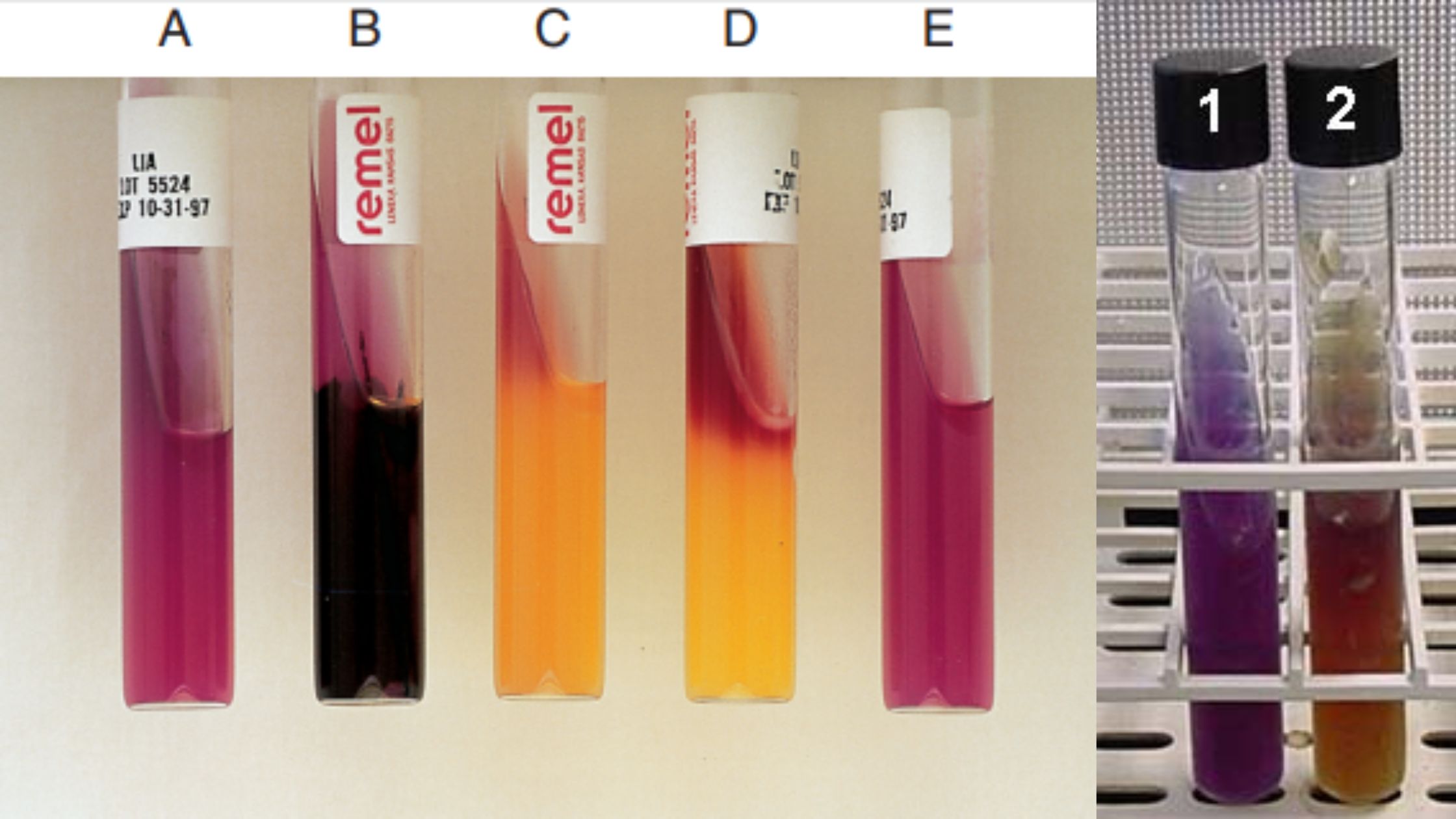
Lysine iron Agar (LIA), a differential medium, is used to test organisms’ ability to deaminate or decarboxylate Lysine. Lysine deamination, an aerobic process, occurs in the media. Lysine decarboxylation, an anaerobic process occurring in the media’s butt, is also known as Lysine decarboxylation. Edwards and Fife created LIA in 1961 in order to presumptively determine Salmonella species. This includes Salmonella arizonae that is lactose fermenting, which has been linked to foodborne gastroenteritis outbreaks.
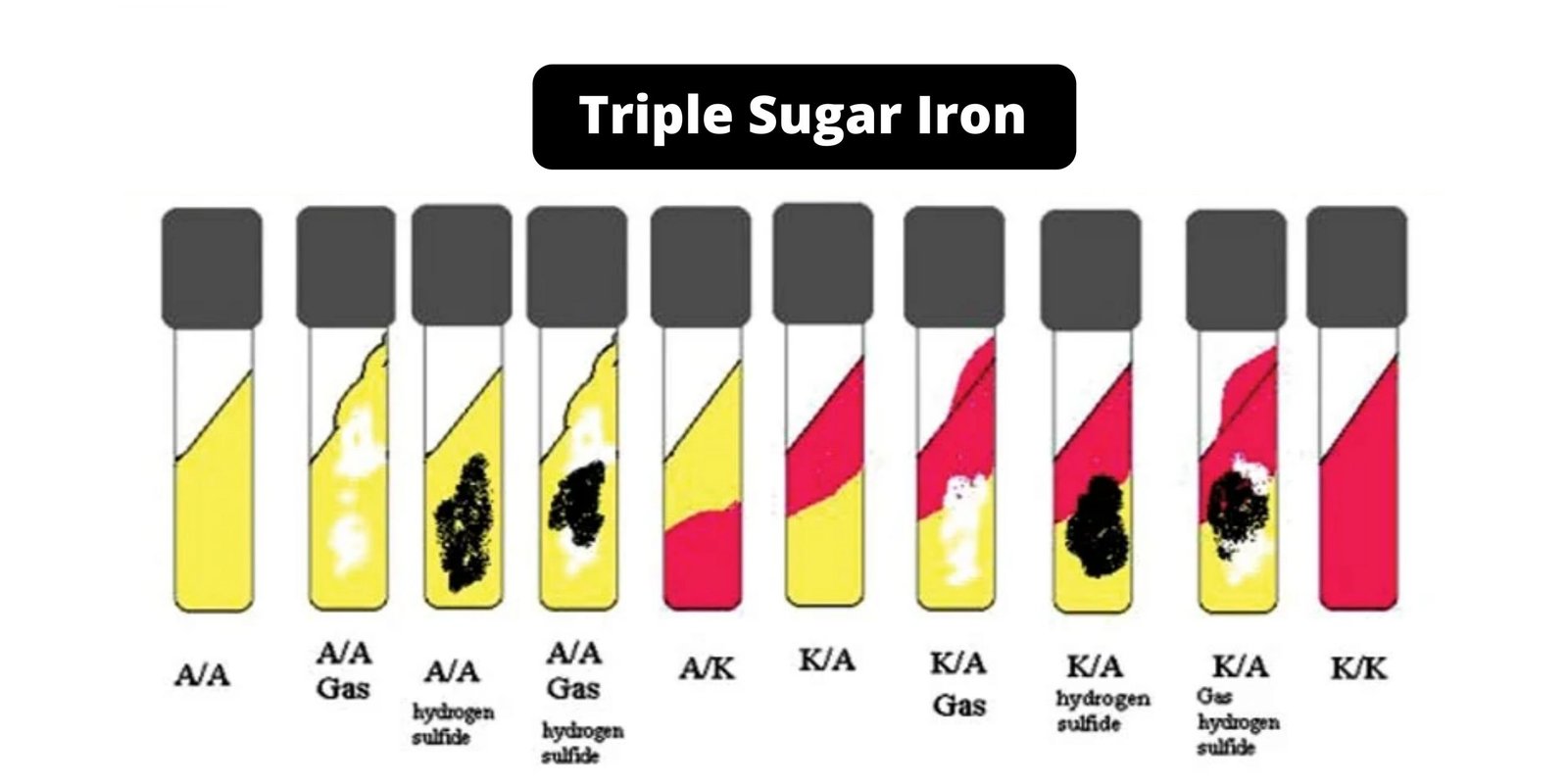
The majority of bacteria are able to ferment carbohydrates, especially sugars. Within them, every bacteria is able to ferment just a few of the sugars, whereas it is unable to ferment all the other sugars. So, the sugars that a bacterium is able to ferment, as well as the sugars that it can’t, is the signature of the bacterium and is an important factor in its determination. It is the Triple Sugar Iron (TSI) Agar is a type of culture medium known for its capacity to determine a microorganism’s capacity to produce sugars and generate hydrogen sulfur.
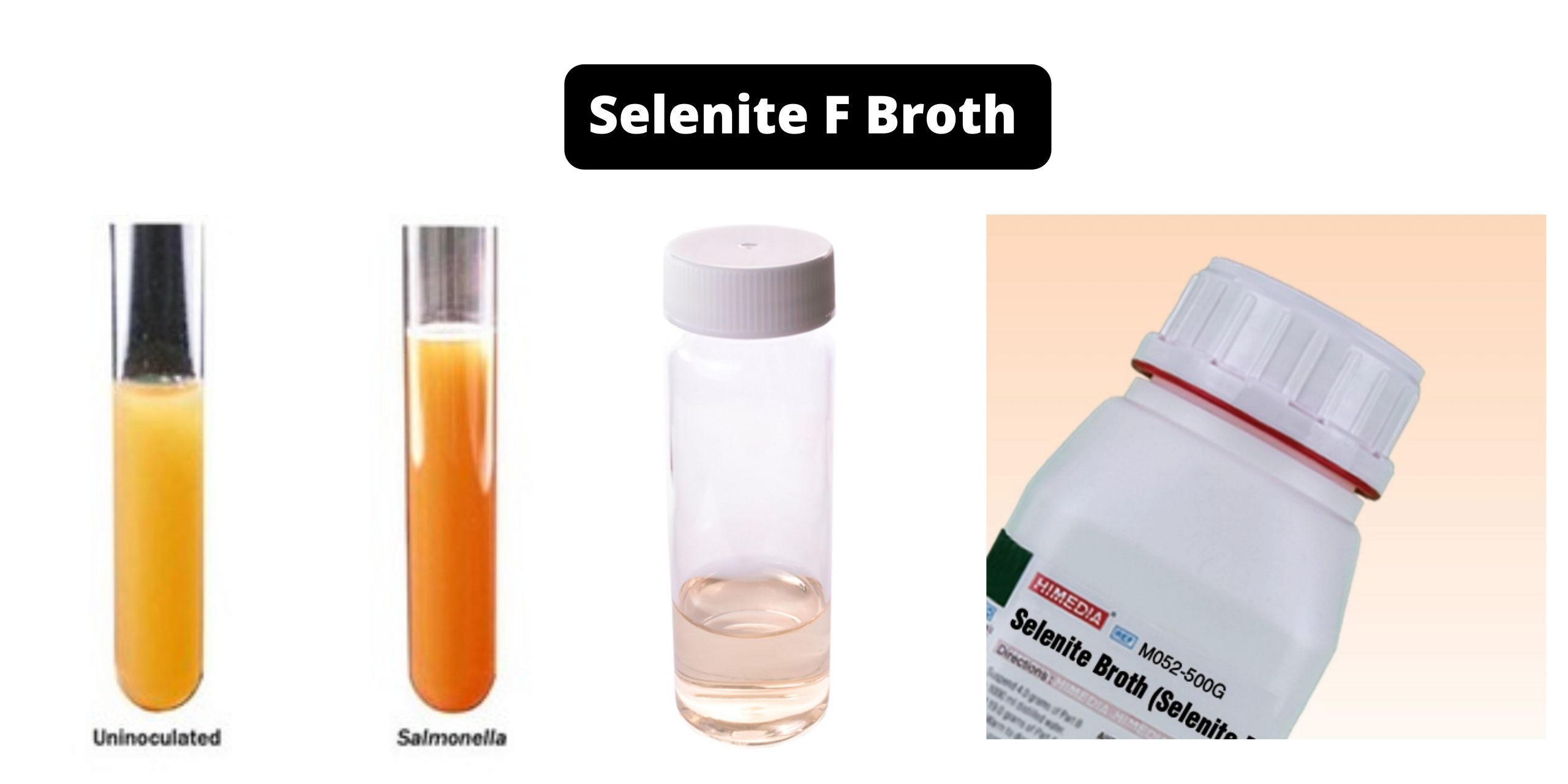
Selenite Broth was invented by Leifson who proved that selenite is inhibitory to bacteria, coliforms, and other species, like streptococci from feces, which are found in fecal samples and, consequently, beneficial in the recuperation from Salmonella species. Selenite-F Broth is utilized to enrich the environment that is buffered by Lactose Peptone Broth to which Sodium Biselenite is added to act as the agent that is selective for elimination of Salmonella from urine, feces and water, as well as food items and other substances that are of sanitary significance.
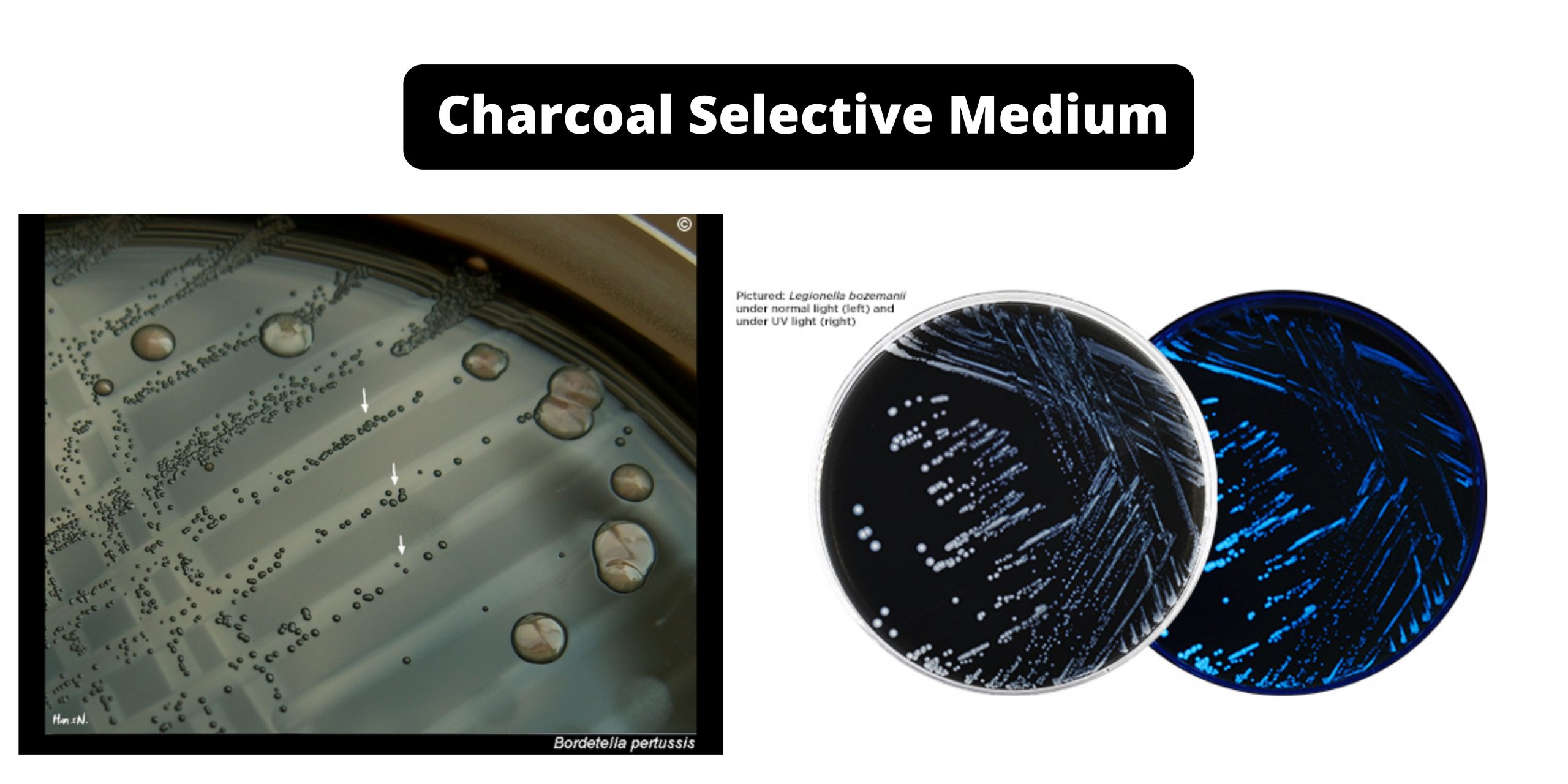
In 1984, Bolton et al. Bolton et al. (1984) suggested that charcoal could be used to replace blood in a medium for the isolation of Campylobacter species. Endtz et al. Later, it was confirmed that Campylobacter isolates at a higher rate when using charcoal selective media.
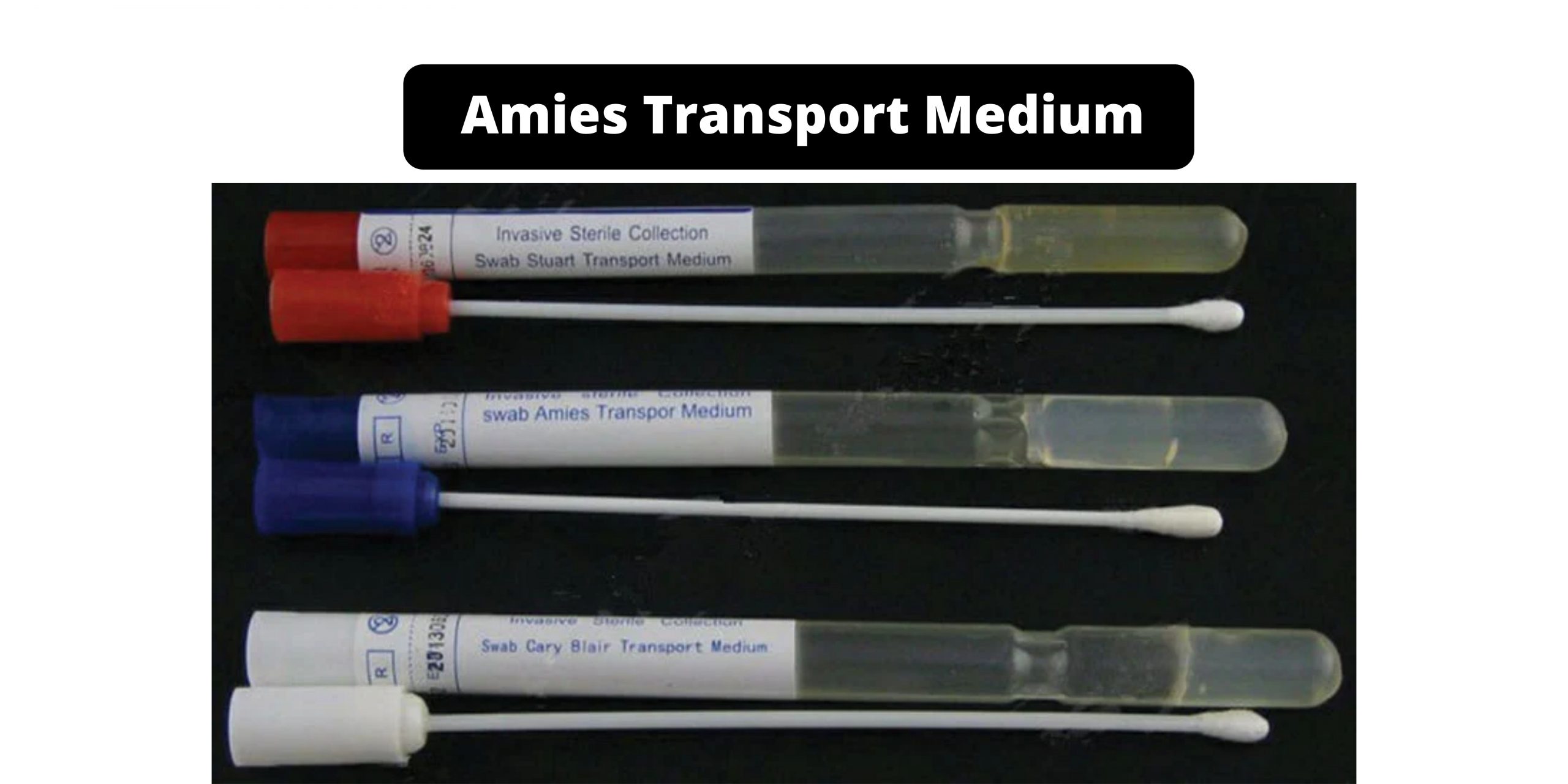
Amies Transport Medium, which contains charcoal to increase the viability and longevity of pathogenic organisms, is an improved transport medium. It is semisolid media that can be used in qualitative procedures to transport clinical swab specimens from the hospital to the laboratory. This modified Stuart’s Transport Medium is made by adding charcoal to the medium and replacing the glycerophosphate. This modified medium produced a higher percentage positive results than Stuart’s transport medium.