Sourav Pan is the founder and sole author of Biology Notes Online. He holds a Bachelor of Science (B.Sc.) degree and an M.Sc. in Microbiology from the University of Calcutta. He creates educational resources covering microbiology, immunology, biotechnology, genetics, cell biology, botany, zoology, and other life-science subjects.
His goal is to make complex biological concepts easier to understand through well-structured, student-friendly articles based on academic textbooks, peer-reviewed research, and authoritative scientific sources. In addition to writing new content, he regularly reviews and updates articles to improve their accuracy, clarity, and educational value.
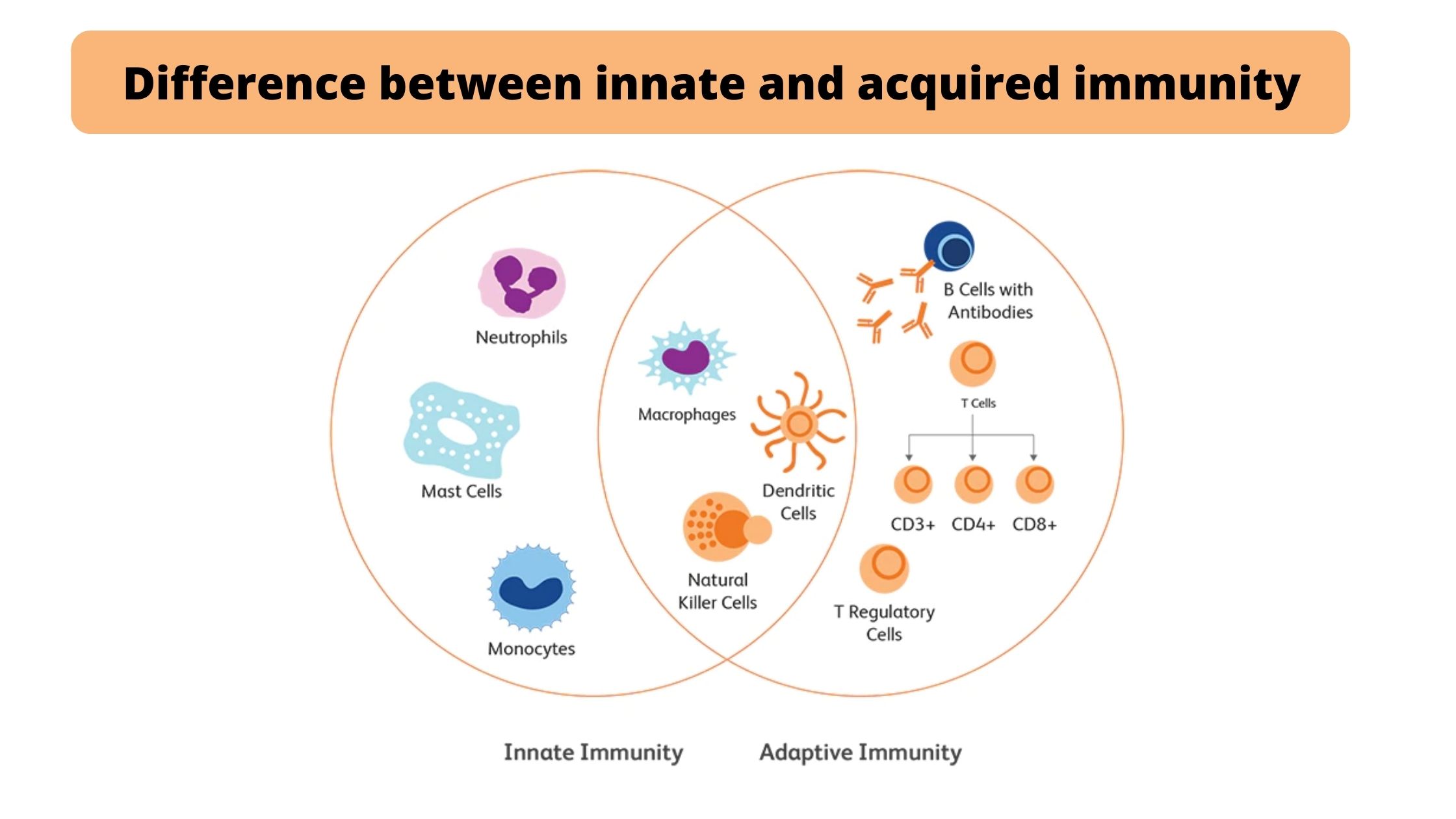
The immune system shields the body from a range of pathogens and the toxins. Innate immunity is the first line of defense against pathogens via physical and chemical barriers , such as mucus layers, skin and saliva. The second line of defense is also triggered by innate immunity via the phagocytes. This defense line is … Read more
Cell-mediated immunity and immunological immunity are two kinds of adaptive immune responses which allow the human body to protect itself in a targeted manner against harmful substances such as viruses, bacteria and contaminants. While there is some overlap between the two parts of the immune response and both are based on the function of lymphoid cell function – there are some significant distinctions.
Neisseria meningitidis, also known as meningococcus is a Gram-negative bacterium which may cause meningitis or other forms of meningococcal infection like meningococcemia, which is life-threatening sepsis. The bacterium is described as a coccus due to the fact that it is round and, more specifically, is a diplococcus due to the tendency of it to create pairs.
Chemokines as well as cytokines constitute two immune modulating agents that are involved in mediating and modulating of the immune system’s responses. immune system. Different types of cytokine superfamilies are recognized: chemokines INFs, INFs, CSFs, TGFs and TNFs. They differ only by the function they perform within the body. Chemokines cause a gradient of concentration that directs other leukocytes to the location of the infection. The primary distinction between chemokines and cytokines is that cytokines are tiny proteins that are released by cells within the body that affect other cells. Chemokines are a part of the superfamily of cytokines and possess Chemotactic properties.
The bathroom, experiencing the urge to bowel, peeing regardless of what you refer to it as stool is a normal element of your daily life. But, there are times when this process of eliminating waste from your body alters. If you experience fluid or loose stool, this is known as diarrhea. This is a fairly common occurrence that usually goes away without treatment.
Staphylococcus is an genus of Gram-positive bacteriophages within the family of Staphylococcaceae of the family of Bacillales. Under microscope they appear to be as spherical (cocci) and are found clusters that resemble grapes. Staphylococcus species are anaerobic, facultative organisms (capable of growth anaerobically and aerobically).
Exotoxin is a toxins produced by bacteria. Exotoxins can cause damage to the host by damaging cells or disrupting normal cell metabolism. They are extremely powerful and could cause significant harm on the human host. Exotoxins can be released, or, as with endotoxins, they can be released when cells. Gram negative pathogens can release outer membrane vesicles with lipopolysaccharide endotoxin, as well as some viral proteins within the bounding membrane as well as other toxins in the intra-vesicular content and thus add an unimagined dimension to the widely-known membrane vesicle transport, which is extremely active in the interface between host and pathogen.
In cell biology, the process of mitosis is a phase of the cell cycle , in which duplicated chromosomes are divided into two nuclei. Cell division creates cells that are genetically identical, in which the number of chromosomes are maintained. Thus, mitosis is called equational division. In general the case of mitosis, it begins with S stage of interphase (during the time that DNA replication occurs) and is usually followed by cytokinesis and telophase that divides the organelles, cytoplasm and cell membrane of a cell into two cells that contain roughly equal amounts of the cellular components. Different stages of mitosis together are the basis for what is known as the Mitotic (M) period of the animal cell cycle, which is the split of the cell’s mother into daughter cells that are genetically identical to one another.
Actin is one of the globular proteins. They’re among the top proteins within the majority of eukaryotic cells. They assist in providing structure, shape and flexibility to the body.
Viridans streptococci comprise a vast collection of Gram-positive commensal streptococcal bacteria that are hemolytic and produce a green hue on blood plates (hence the name “viridans”, from Latin “viridis”, green). The pseudo-taxonomic name “Streptococcus viridans” is often used to describe this species group, however, those who don’t prefer using the term “pseudotaxonomic” (which refers to a group of species as though they comprised one species) prefer to use the terms viridans streptococci, viridans streptococci group (VGS) or the viridans species of streptococcal. They do not possess Lancefield antigens. In general, the risk of pathogenicity is very low.