Batch vs Continuous Culture – Key Differences


Batch culture refers to a technique used to grow microorganisms in a limited supply of nutrients, which declines when these are used up, or some other factor becomes limiting.


Batch culture refers to a technique used to grow microorganisms in a limited supply of nutrients, which declines when these are used up, or some other factor becomes limiting.

Homozygous Definition Heterozygous Definition What is the difference between heterozygous and homozygous individuals? Characters Homozygous Heterozygous Definition Homozygous is the presence of two copies of the same allele which codes for a particular trait. Heterozygous is the presence of two different copies of alleles of a particular gene. Alleles Homozygous individuals have either dominant or … Read more

The main difference between bacteria and viruses is based on their cellular structure and the way by which they multiply. Bacteria are unicellular organisms, whereas viruses are acellular and can multiply only after entering into a suitable host cell. A bacterial cell contains cytoplasm, ribosomes and DNA, and is able to synthesize its own proteins. … Read more
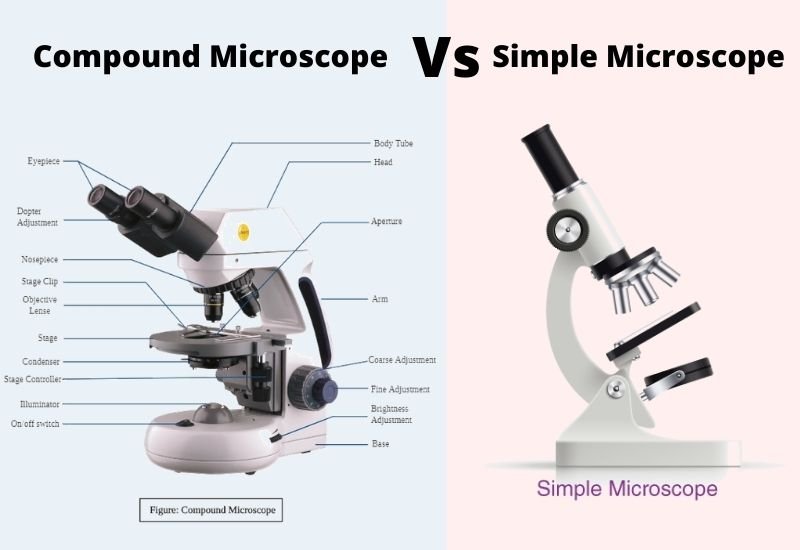
Comparison between Compound Microscope and Simple Microscope.

What is Quenching ? Quenching relates to a process that reduces the fluorescence intensity of a supplied substance. A variety of methods can succeed in quenching, such as excited state reactions, energy transfer, complex-formation and collisional quenching. As an outcome, quenching is often profoundly dependent on pressure and temperature. Some examples of common chemical quenchers are … Read more
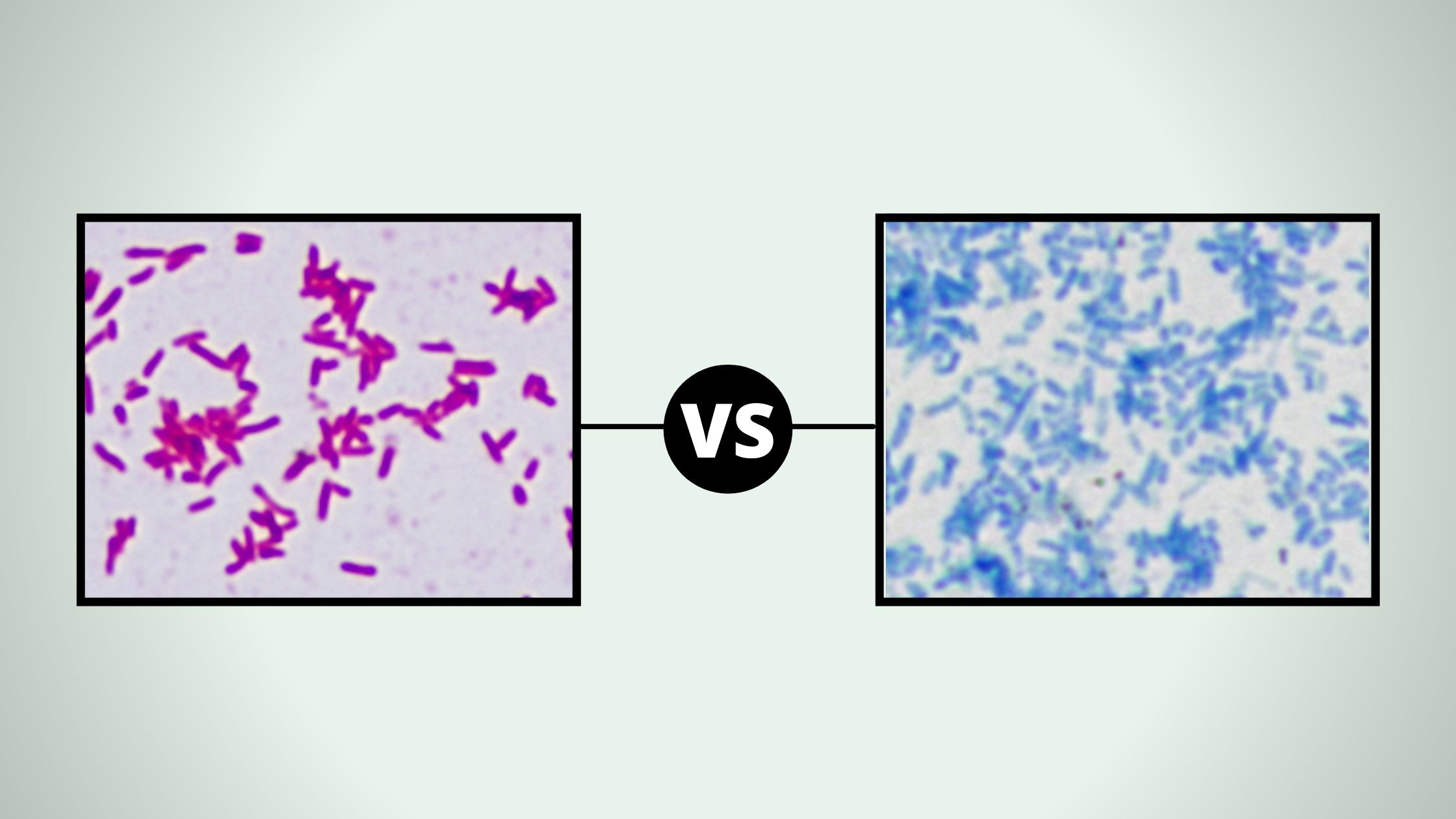
Acid Fast bacteria resist the decolorizing by acid after staining. Non Acid Fast Bacteria readily resist the decolorizing by acid after staining.
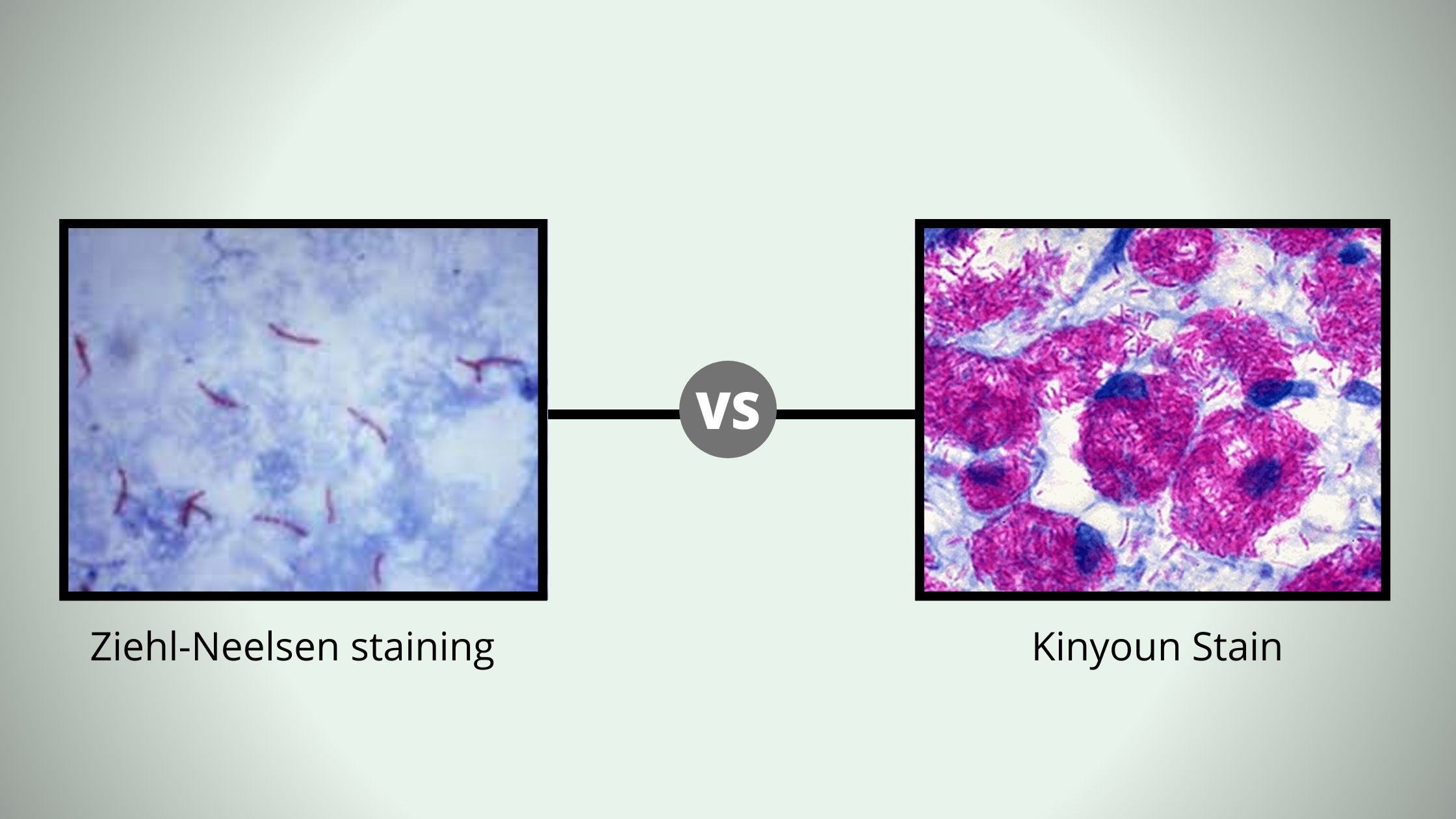
In Kinyoun stain method basic fuchsin is used as a primary stain.
In One-step RT-qPCR or One-step real time Polymerase chain reaction (PCR) the reverse transcriptase and DNA polymerase are premixed into a single tube.
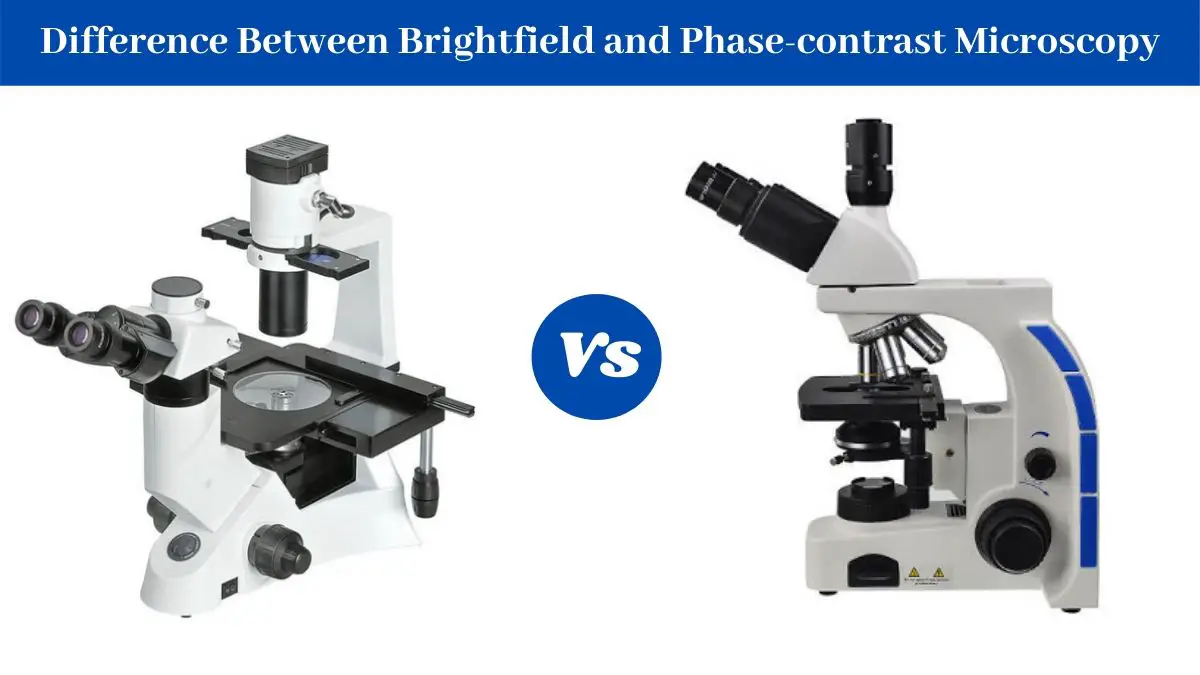
14 Difference Between Brightfield and Phase-contrast Microscope Topic Brightfield Microscope Phase Contrast Microscope Invented by Antonie van Leeuwenhoek (1632–1724) Frits Zernike (1888-1966) in 1932 Staining The Specimen Must be Stained before their observation under bright field Microscope. Staining is not required. Changes in refractive index This Microscope has no ability to alter the refractive index. … Read more
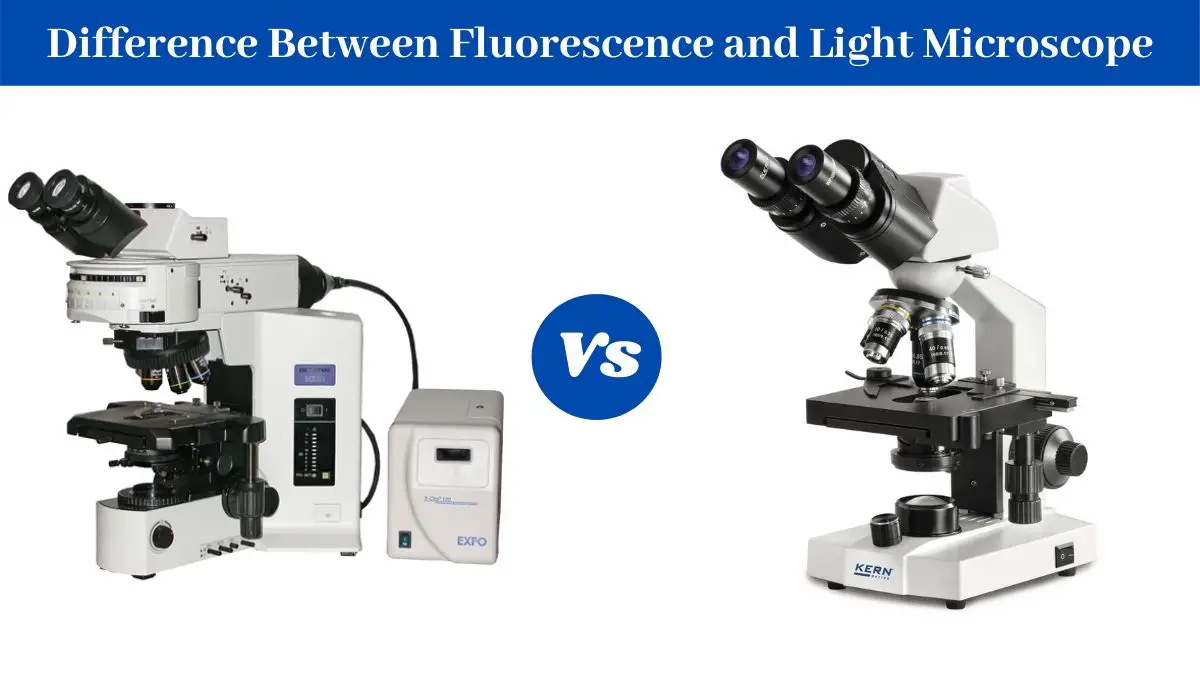
In My previous notes i have already discussed about Brightfield Microscope and Fluorescence Microscope, their working principle, parts, definition, application, advantages, disadvantages and light path. You can check them out. Difference Between Brightfield Microscope and Fluorescence Microscope. Topic Brightfield Microscope Fluorescence Microscope Invented by Antonie van Leeuwenhoek (1632–1724) Antonie van Leeuwenhoek (1632–1724) Fluorochromes Not required … Read more