Sourav Pan is the founder and sole author of Biology Notes Online. He holds a Bachelor of Science (B.Sc.) degree and an M.Sc. in Microbiology from the University of Calcutta. He creates educational resources covering microbiology, immunology, biotechnology, genetics, cell biology, botany, zoology, and other life-science subjects.
His goal is to make complex biological concepts easier to understand through well-structured, student-friendly articles based on academic textbooks, peer-reviewed research, and authoritative scientific sources. In addition to writing new content, he regularly reviews and updates articles to improve their accuracy, clarity, and educational value.
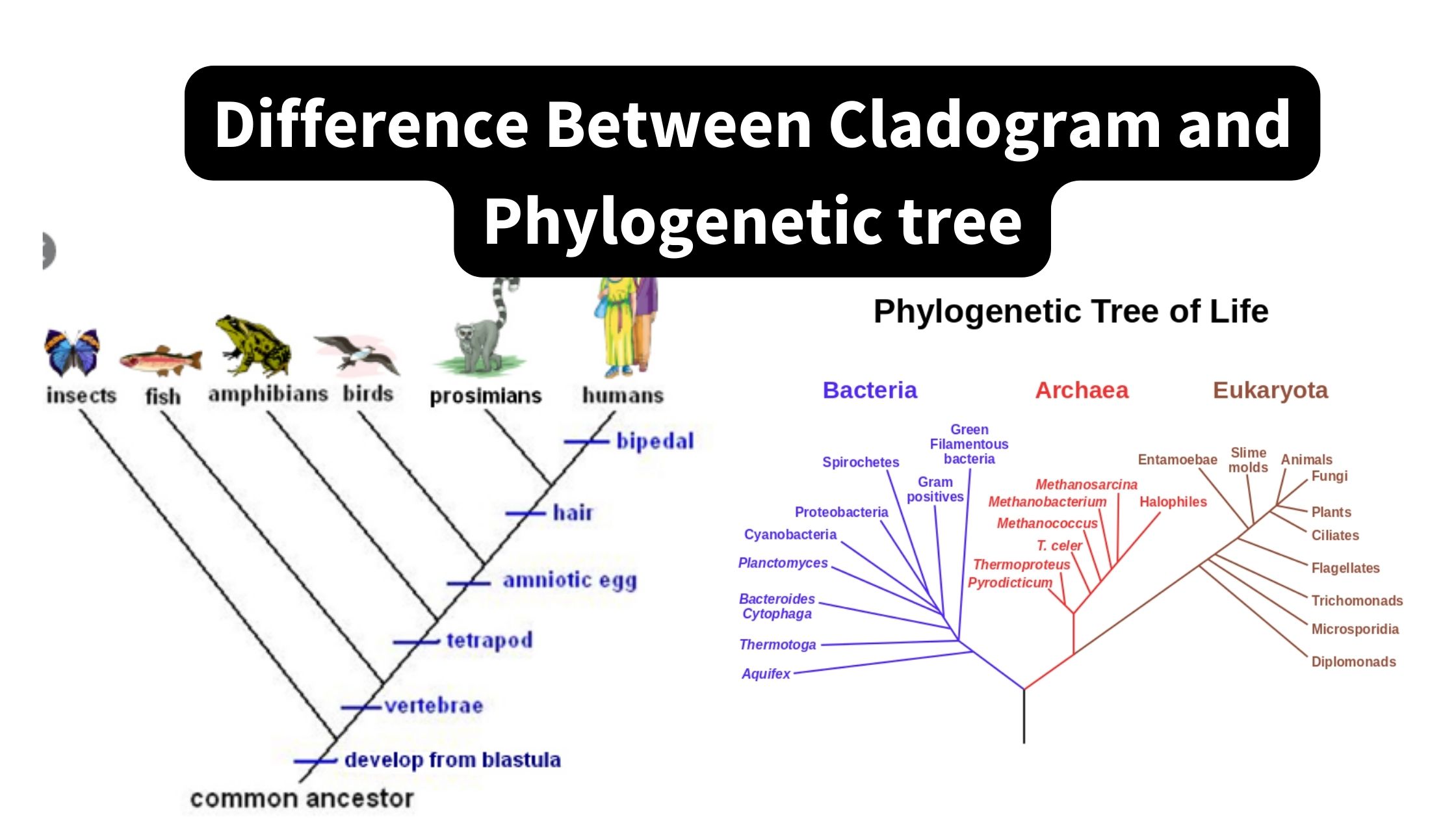
What is Cladogram tree? What is Phylogenetic tree? Cladogram vs Phylogenetic tree Cladogram Phylogenetic Tree Represents evolutionary relationships based on shared derived traits (synapomorphies) Represents evolutionary relationships among organisms or groups of organisms Focuses on identifying and grouping organisms based on shared characteristics Represents the pattern of descent and the evolutionary history of species or … Read more
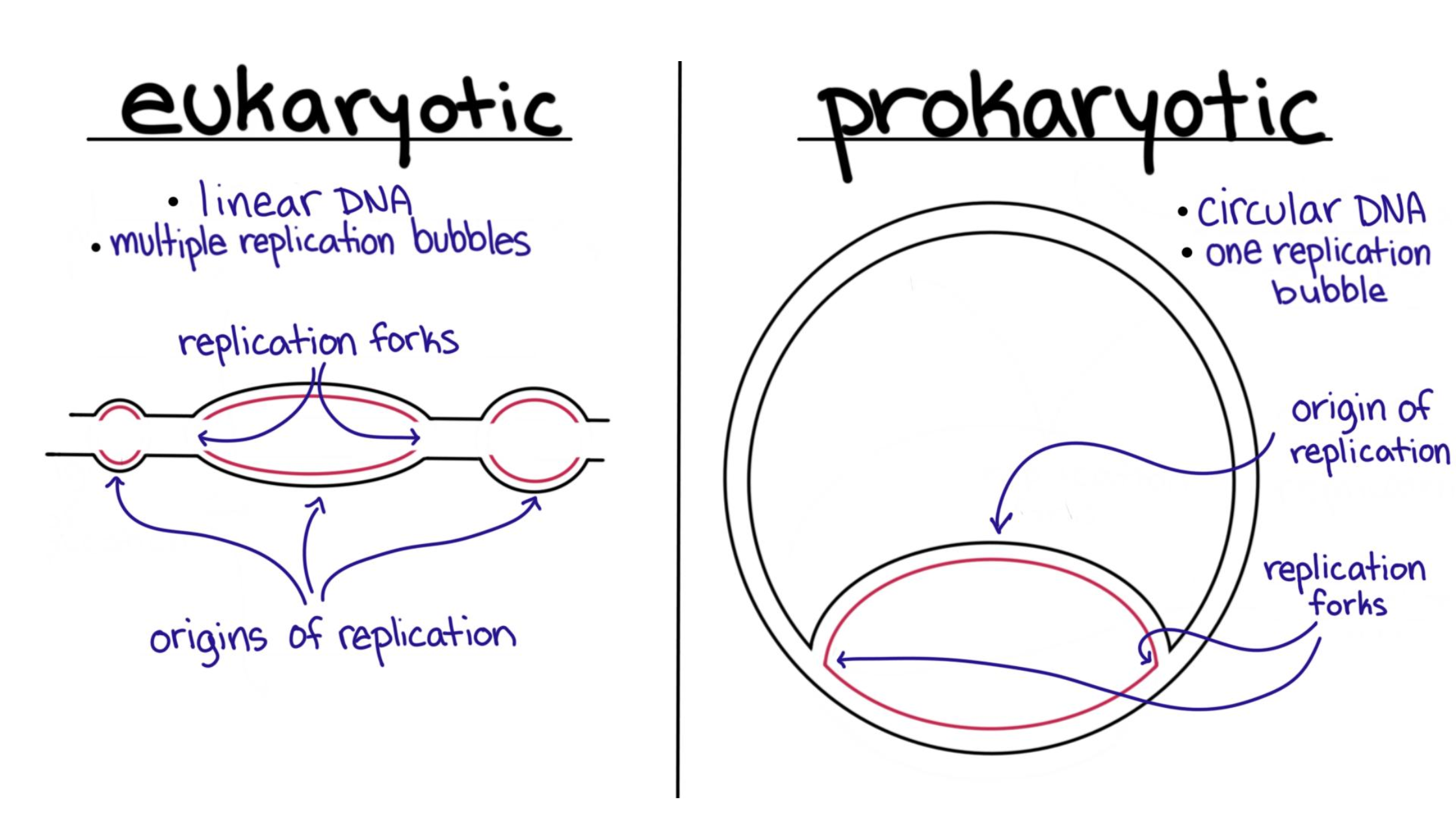
Prokaryotic DNA Replication Eukaryotic DNA Replication Initiation Elongation Termination Similarities Between Prokaryotic and Eukaryotic DNA Replication difference between prokaryotic and eukaryotic dna replication 1. Location 2. Stage of Cell Division 3. Initiation 4. Direction of Replication 5. Enzymes DNA replication in prokaryotes and eukaryotes utilises comparable enzymes, although DNA replication in eukaryotes is more intricate … Read more
What is BOD? What is COD? Difference between Biochemical Oxygen Demand (BOD) and Chemical Oxygen Demand (COD) – BOD vs COD Similarities Between BOD and COD Difference between Biochemical Oxygen Demand (BOD) and Chemical Oxygen Demand (COD) pdf Download References
What is a Classical Pathway? What is an Alternative Pathway? What is a Lectin Pathway? Similarities Between Classical Alternative and Lectin Pathway The complement components in different activation pathways Activation pathway The C component designations The activated C component designation C regulators The triggering/ initiator C component Classical C1q, C1r, C1s, C2, C3, C4, C5, … Read more
B cells and T cells are two kinds of lymphocytes involved in activating the immune system within the body. Both B and T cells are created within the bone marrow. T cells move into the thymus to develop. T cells as well as B cells play a role in the recognition of pathogens as well as other harmfulforeign substances within the body, such as parasites, viruses, bacteria and dead cells. Two types of T cells comprise called helper T cells and cytotoxic cells.
Osmosis refers to the movement of water molecules through semi-permeable membranes from high to low water potential. This semi-permeable membrane does not allow for solute particles to pass through it, but solvent particles (water molecules), can move across it. Tonicity can be described as the degree of the osmotic pressure gradient. There are three states. … Read more
Both kinds of fission are the two types of Asexual reproduction, where the binary fission gives rise to two daughter cells that are derived from the parental cell while in multiple fission the parent cell is the one that gives birth to a number of daughter cells. Binary fission is one the most commonly used … Read more
Budding and Binary Fission are two different forms of asexual reproduction in fungi and bacteria, and. Binary fission can be present in prokaryotes. Budding can be found in the eukaryotes. The primary difference between binary fission as well as budding is that, during binary fission, the parent organism is split into two daughter organisms through … Read more
Through technological advances, The methods for sterilization have changed throughout the decades. There are now many different methods of sterilization employed in laboratories. However, autoclaving using steam is the most popular method for sterilization in the majority of labs. Although autoclaving is a clean rapid, reliable, and cost-effective method of sterilization, without any environmental risks and risks, it is still utilized most often in hospitals. However, there are three commonly employed methods of sterilization that are used: the steam autoclave unsaturated chemical-vapor sterilizer as well as the dry heat sterilizer. This article will only focus on steam autoclaves and dry heat sterilization techniques.