Sourav Pan is the founder and sole author of Biology Notes Online. He holds a Bachelor of Science (B.Sc.) degree and an M.Sc. in Microbiology from the University of Calcutta. He creates educational resources covering microbiology, immunology, biotechnology, genetics, cell biology, botany, zoology, and other life-science subjects.
His goal is to make complex biological concepts easier to understand through well-structured, student-friendly articles based on academic textbooks, peer-reviewed research, and authoritative scientific sources. In addition to writing new content, he regularly reviews and updates articles to improve their accuracy, clarity, and educational value.
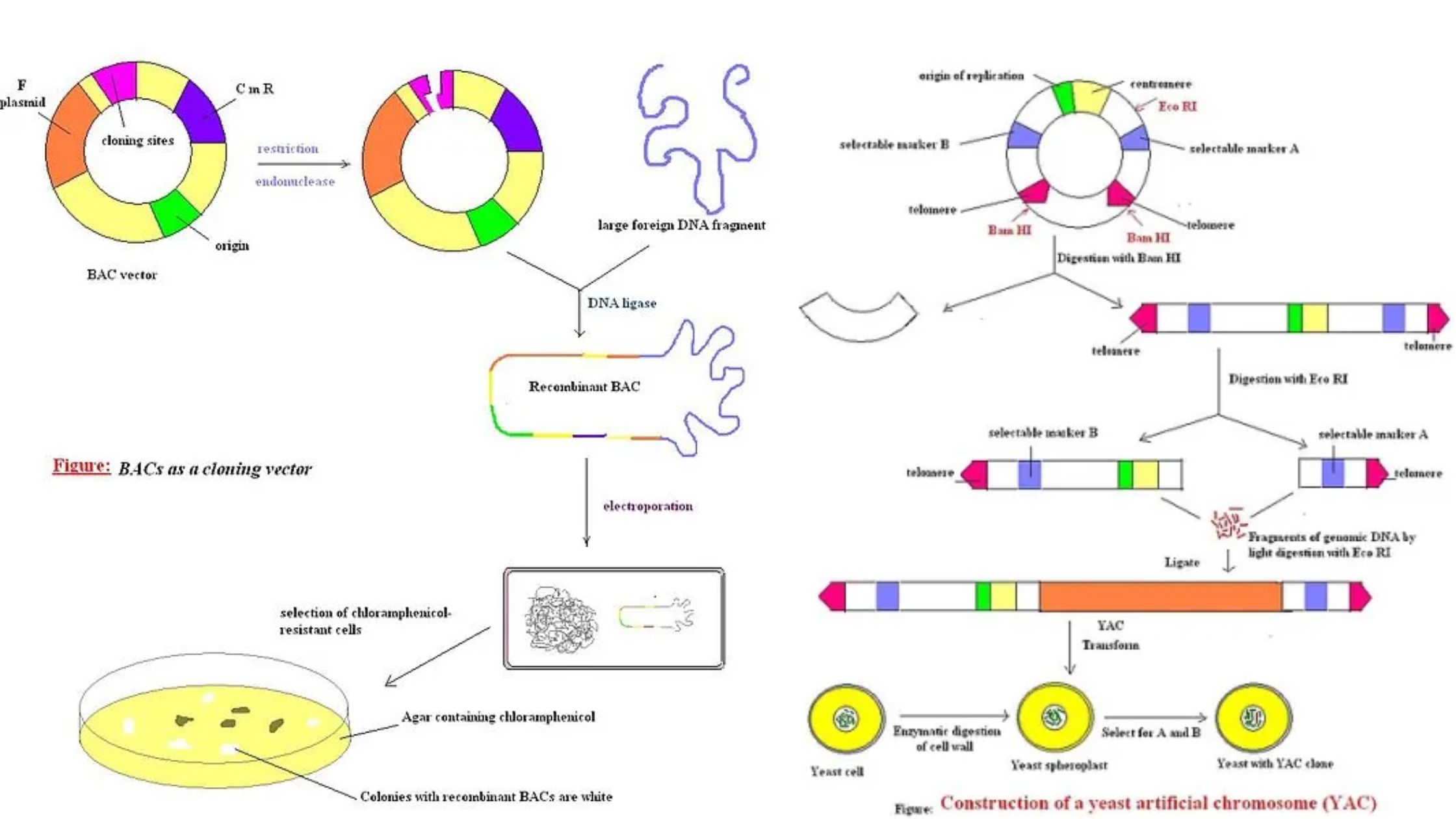
When it comes to molecular cloning and genetic engineering, vectors play a crucial role. These vectors act as carriers, transporting foreign genetic material into host cells, allowing for replication and expression. In this article, we will explore the different types of vectors, such as plasmids, viral vectors, cosmids, and artificial chromosomes, and their various applications. … Read more
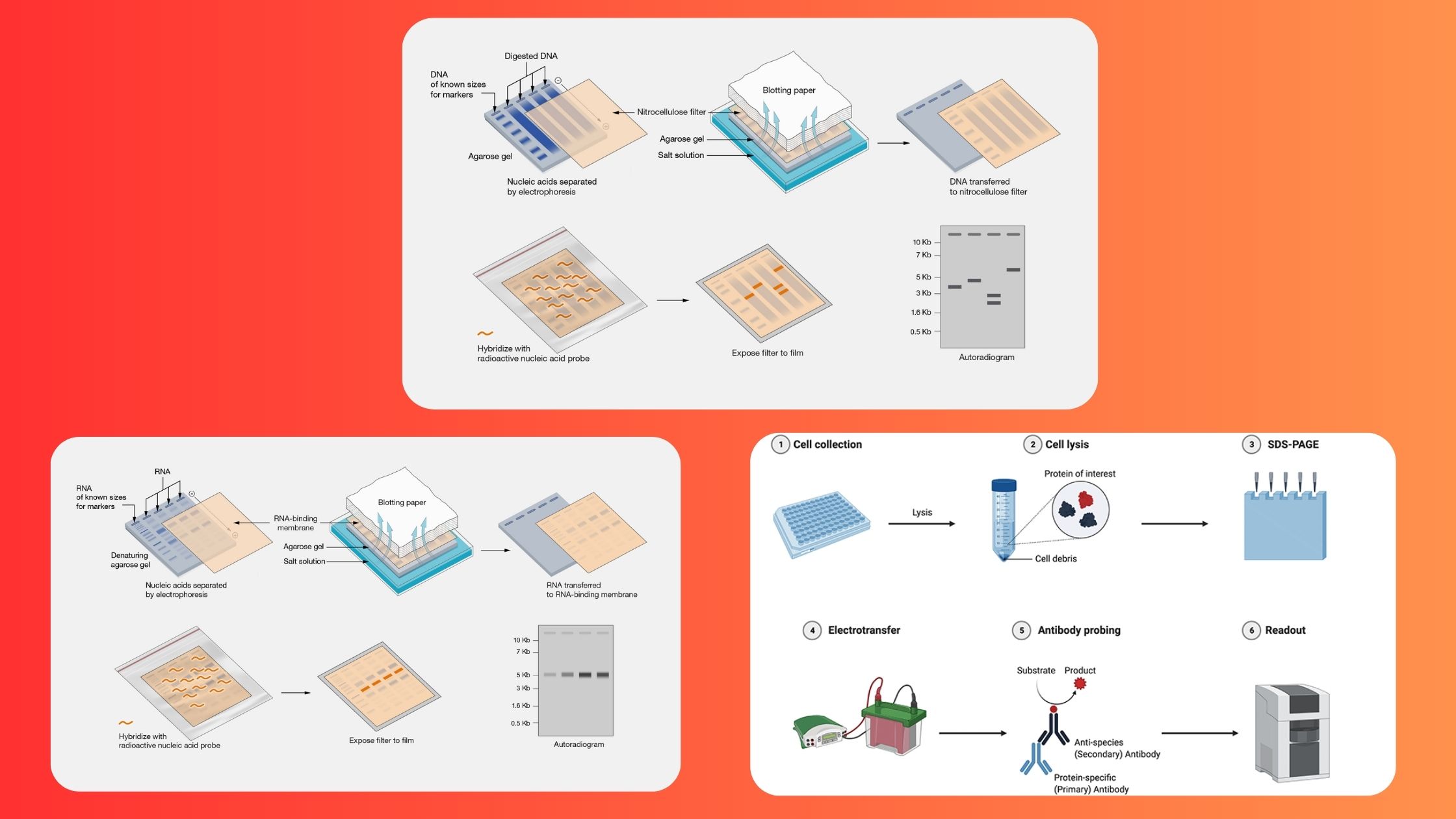
What is Northern Blotting? Northern blotting is a laboratory technique used to study gene expression patterns by detecting and analyzing RNA molecules. It is named after its similarity to the Southern blotting technique, which is used for DNA analysis. The Northern blotting method allows researchers to determine the presence, size, and abundance of specific RNA … Read more
What is Transduction? Steps of Transduction The process of transduction involves several steps, which can be summarized as follows: The overall outcome of transduction is the transfer of genetic material, including specific genes or genetic elements, between bacteria. This process facilitates the spread of genetic diversity, including the transfer of antibiotic resistance genes or virulence … Read more
What is Ebola ? Ebola is a virus that causes a severe and often fatal disease in humans and nonhuman primates (such as monkeys, gorillas, and chimpanzees). The virus is named after the Ebola River in the Democratic Republic of Congo (formerly Zaire), where it was first identified in 1976. Ebola is a viral hemorrhagic … Read more
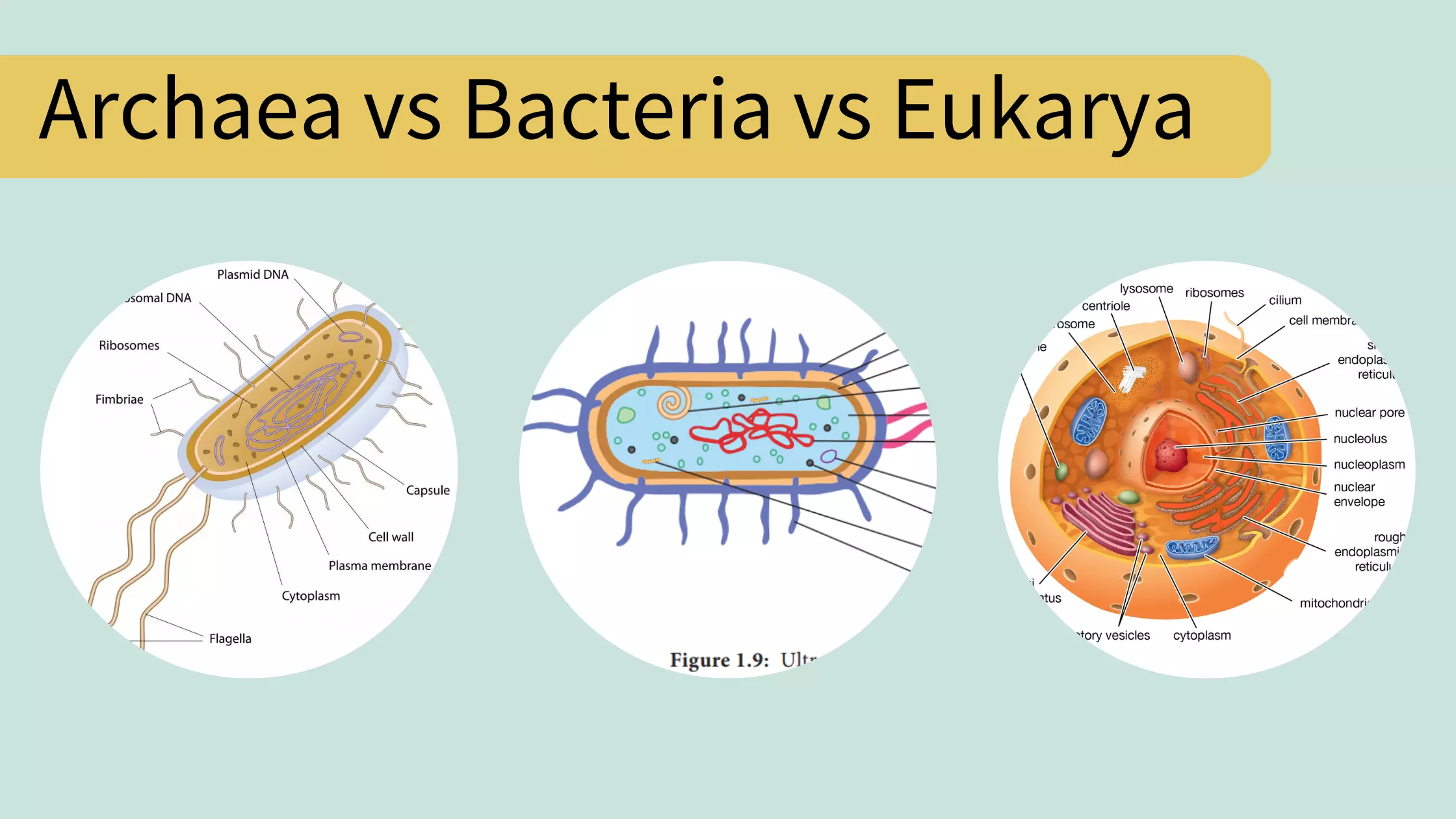
What is Archaea? Characteristics of Archaea Archaea are single-celled microorganisms that belong to the prokaryotic domain of life and share some characteristics with bacteria. However, they also possess unique features that distinguish them from bacteria. The main characteristics of Archaea include: These characteristics make Archaea unique and important microorganisms in the study of the evolution … Read more
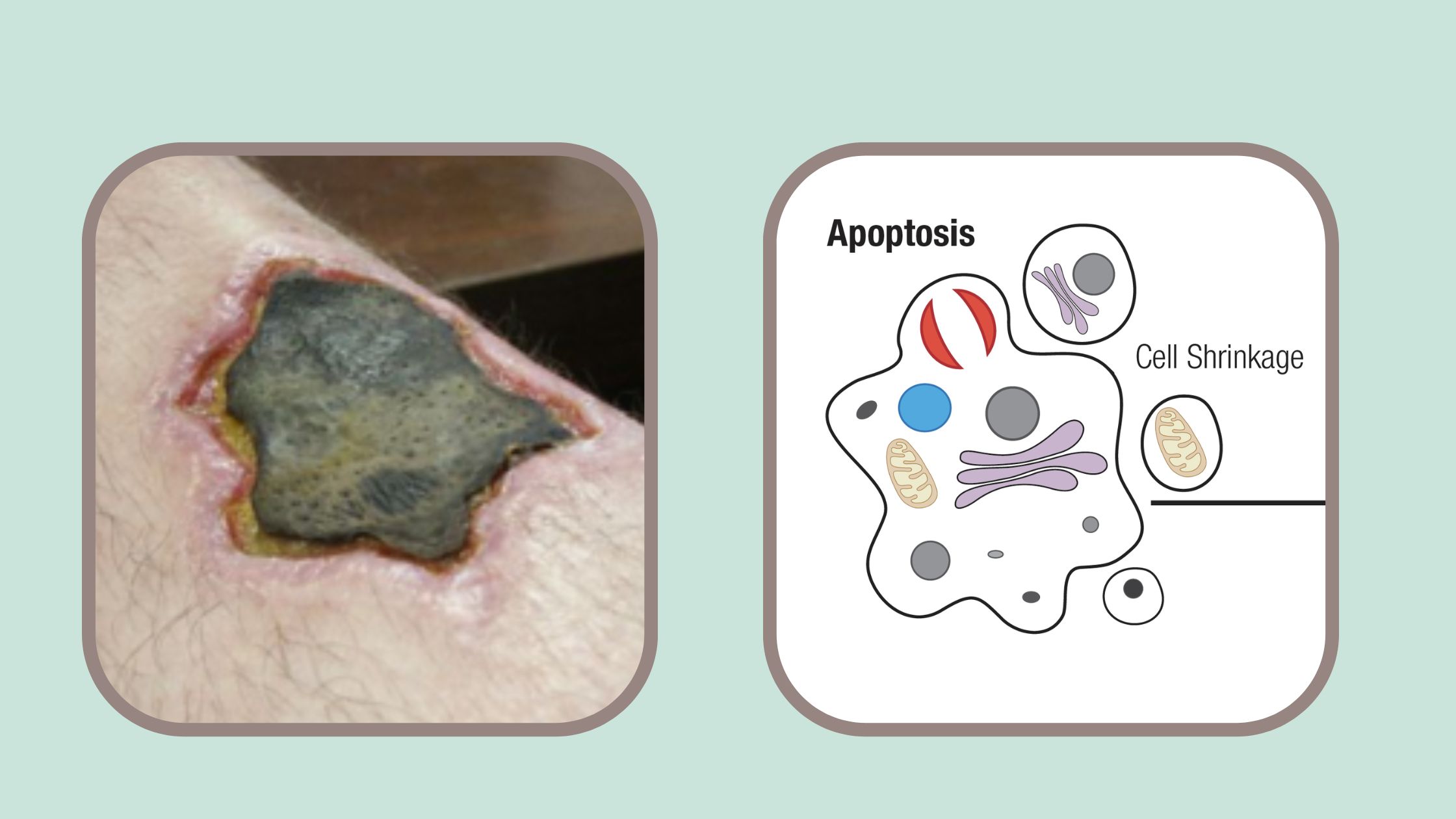
Multicellular organisms experience a variety of cell development and death processes. Cellular death is crucial for the survival and development of all organisms. Our body is made up of several cell types situated in diverse body sections. There are two distinct methods by which a cell dies. Either the organism is exposed to an unfavourable … Read more
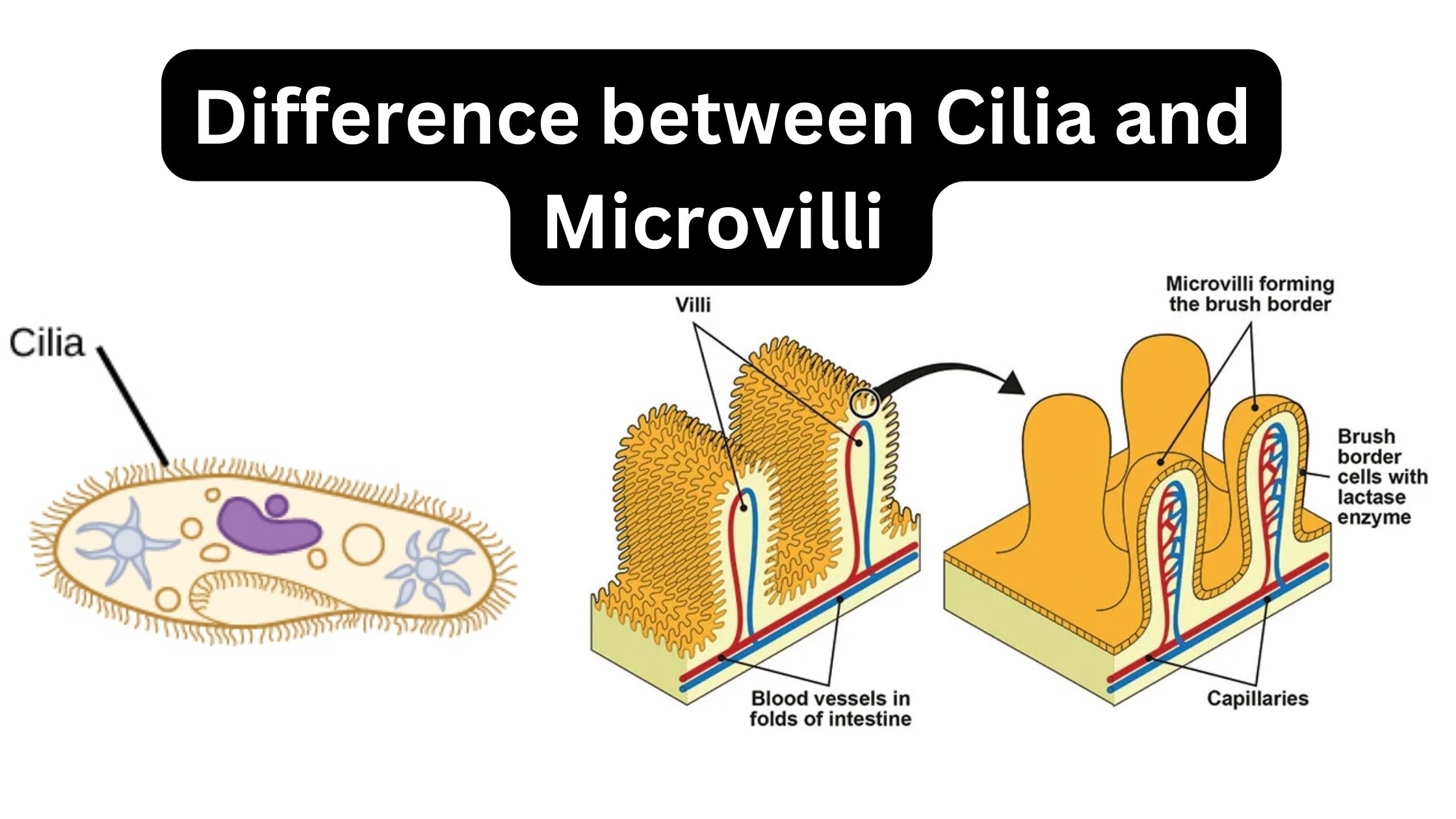
What is Cilia? What is Microvill? Difference between Cilia and Microvilli Cilia Microvilli Epithelial cells generate cilia, which are elongated, hair-like structures. Microvilli are epithelial cell-derived membrane protuberances. Cilia develop from basal granules. Basal granules are lacking in microvilli. Cylindrical cilia with tapered ends. Microvilli are cylindrical and terminate in blunt tips. Microvilli are shorter … Read more
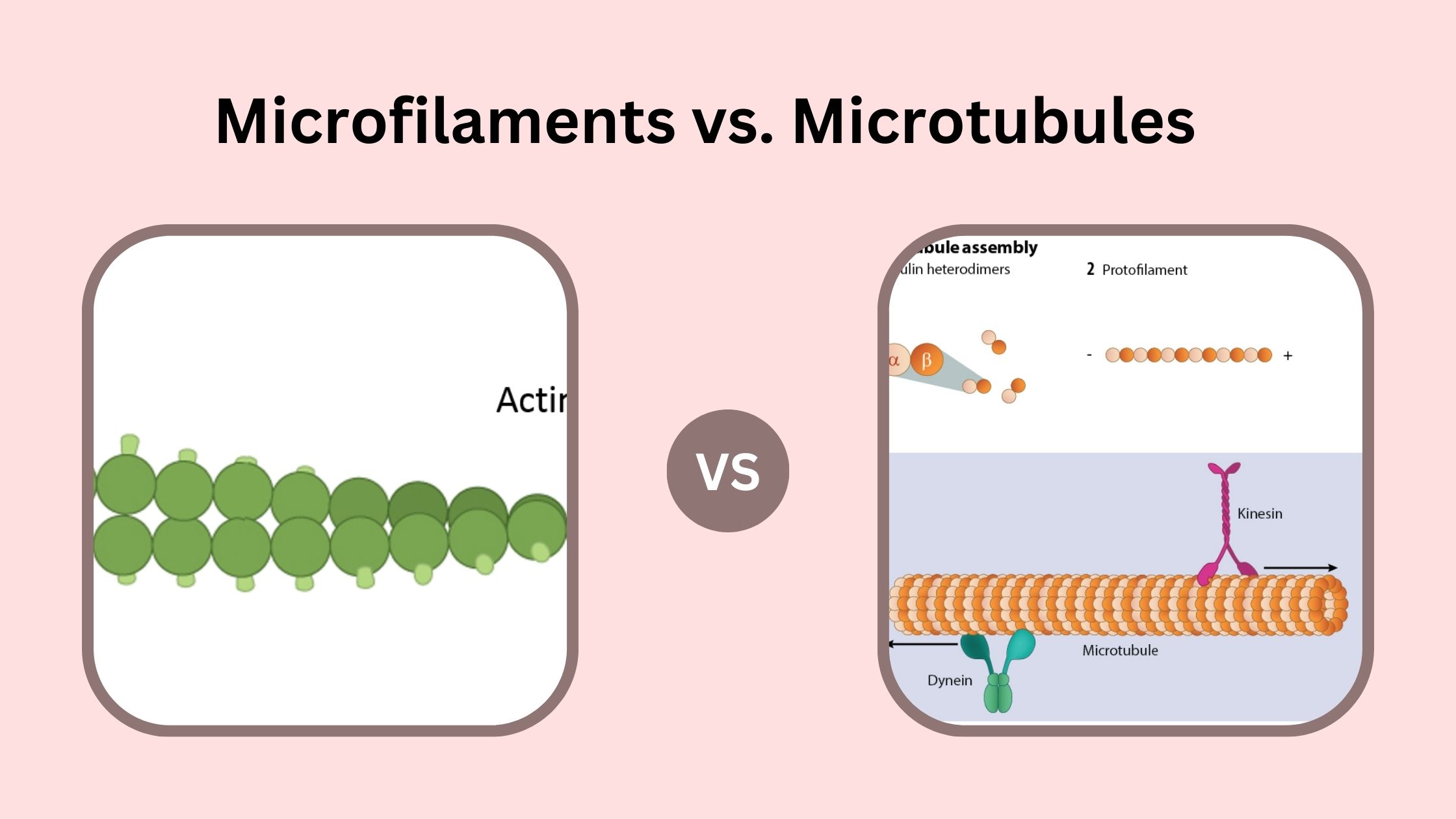
Both microtubules and microfilaments are components of a cell’s cytoskeleton. Microtubules, microfilaments, and intermediate filaments compose the cytoskeleton. Tubulin proteins are polymerized to produce microtubules. They provide the cell with mechanical support and help to intracellular transport. Polymerization of actin protein monomers produces microfilaments. They contribute to the mobility of the cell on the surface. … Read more
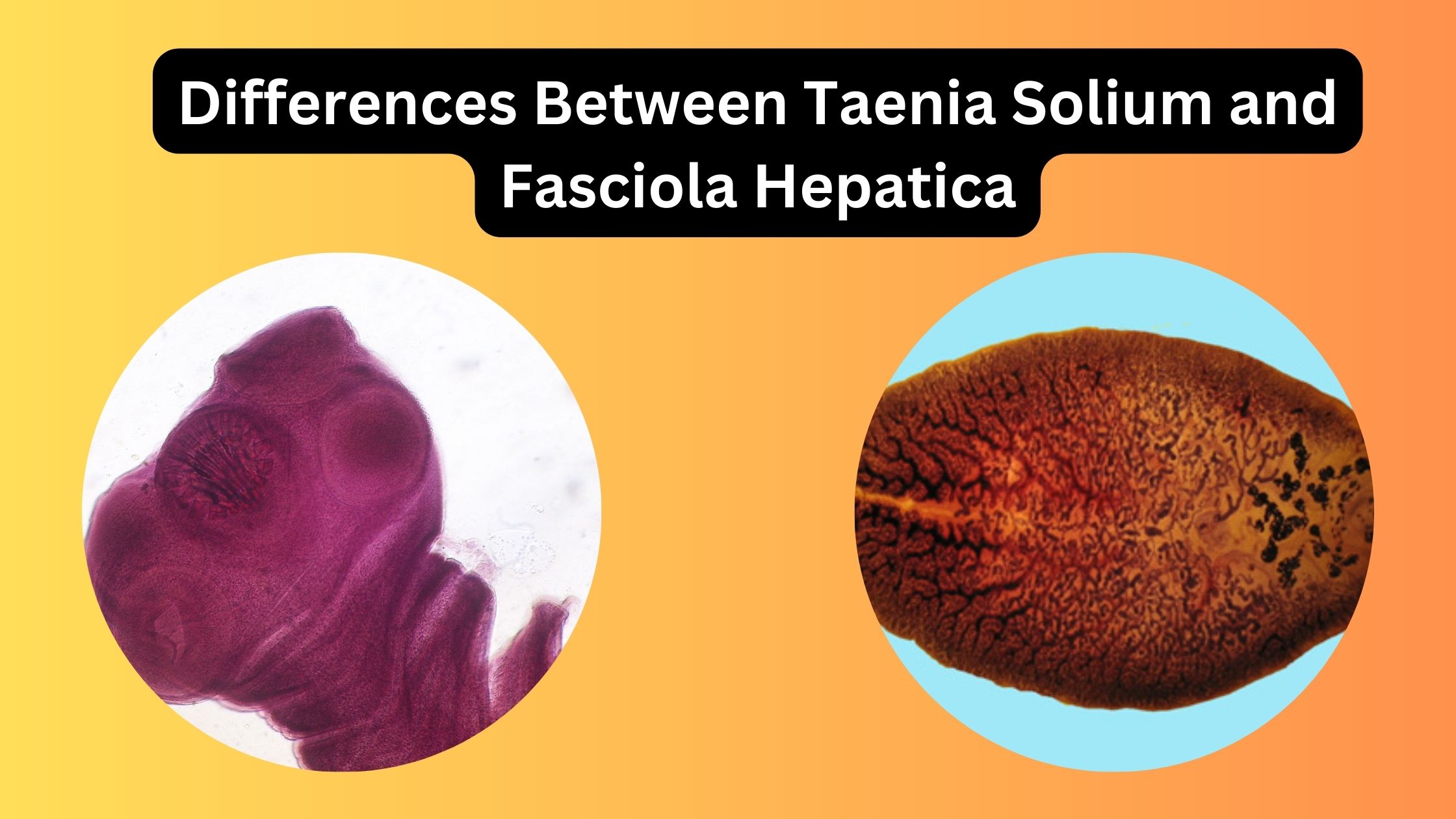
Taenia solium and Fasciola hepatica are parasitic flatworms belonging to two different groups. T. solium is a cestode (pork tapeworm) having a long and segmented body. The adult worm is present in the small intestine of humans, while pig acts as its major intermediate host. Infection with T. solium can occur in different forms. Undercooked … Read more
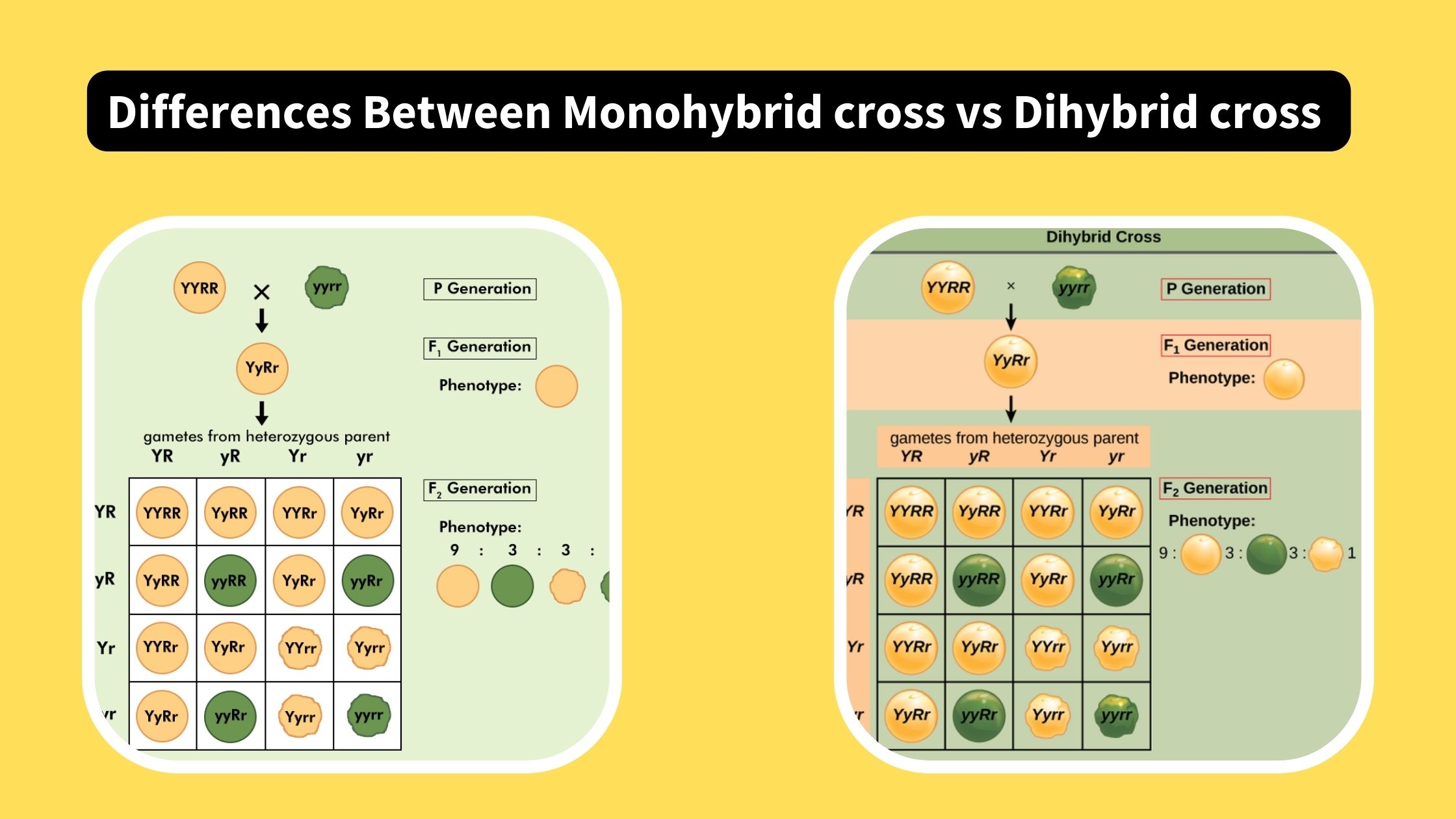
Monohybrid cross Dihybrid cross Differences Between Monohybrid cross vs Dihybrid cross Characterisitcs Monohybrid Cross Dihybrid Cross Definition A genetic cross involving the study of one trait A genetic cross involving the study of two different traits Number of traits One trait Two traits Alleles involved Two alleles Four alleles Genotype combinations Three possible genotypes Nine … Read more