Sourav Pan is the founder and sole author of Biology Notes Online. He holds a Bachelor of Science (B.Sc.) degree and an M.Sc. in Microbiology from the University of Calcutta. He creates educational resources covering microbiology, immunology, biotechnology, genetics, cell biology, botany, zoology, and other life-science subjects.
His goal is to make complex biological concepts easier to understand through well-structured, student-friendly articles based on academic textbooks, peer-reviewed research, and authoritative scientific sources. In addition to writing new content, he regularly reviews and updates articles to improve their accuracy, clarity, and educational value.
What is Afferent Neuron? What is Efferent Neuron? Similarities Between Afferent and Efferent Difference Between Afferent and Efferent – afferent vs efferent S.No Afferent Neuron Efferent Neuron 1. Afferent Neuron is a types of neurons that carry sensory impulses towards the central nervous system (CNS). Efferent Neuron is a types of neurons that carry motor … Read more
There are two types of DNA libraries that are constructed by genetic engineers using scientific methods. These can be classified as cDNA libraries as well as Genomic libraries. The major distinction in cDNA as well as Genomic library is the fact that cDNA library is a repository for the complementary DNA cloned from the all … Read more
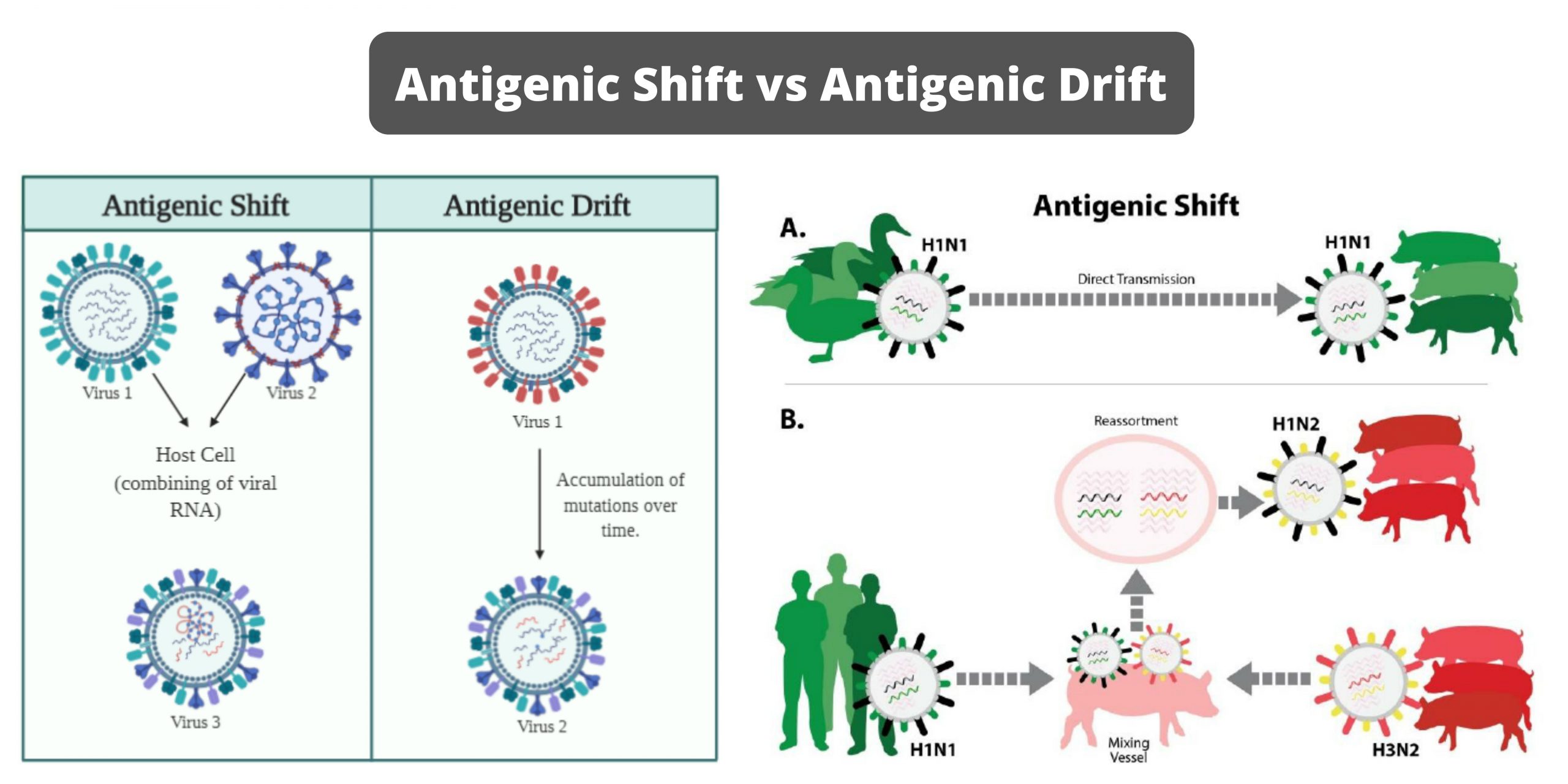
The primary distinction between antigenic drift or antigenic change is the fact that antigenic drift is a way to create change in viruses that is caused by the accumulation of mutations in genes that encode for antigen-binding sites, whereas antigenic shift is a method of combining two kinds of viruses to create one new type that has an assortment of surface antigens of the viruses that were originally.
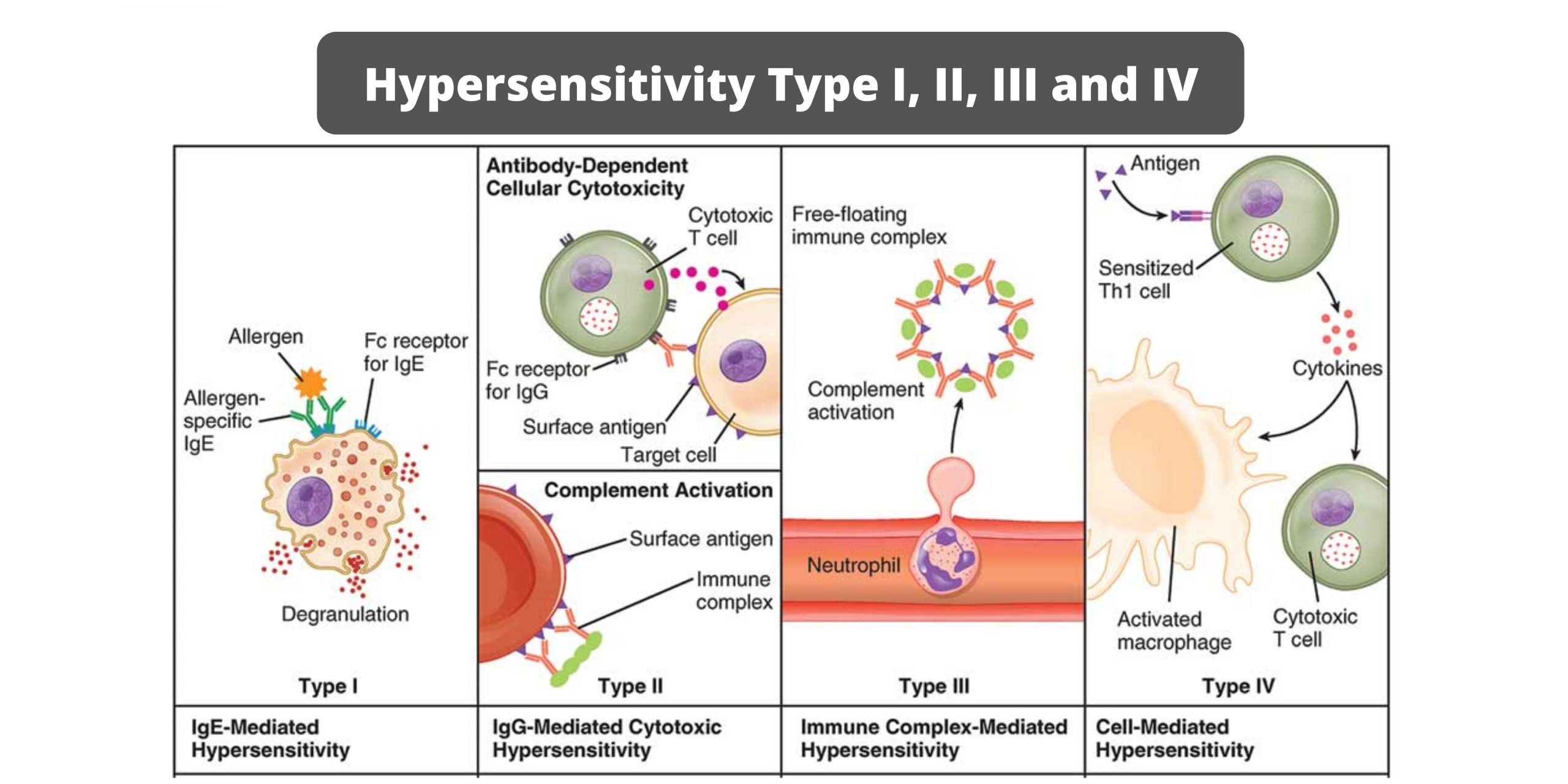
Hypersensitivity (also known as hypersensitivity response or intolerance) is a term used to describe undesirable reactions that are caused by the immune system, which includes autoimmunity and allergies. These are typically called an overreaction of the immune system, and these reactions can be harmful and uncomfortable. It is an immunologic term , and should not be misinterpreted as a psychiatric term of being hypersensitive, which refers that a person is hypersensitive to physical (ie sounds, touch light, sound, etc.) or emotional stimuli. However, there is a link between the two , studies have demonstrated that with ADHD (a mental disorders) tend to experience hypersensitivity reactions, such as asthma, allergies, or eczema and more than people who don’t have ADHD.
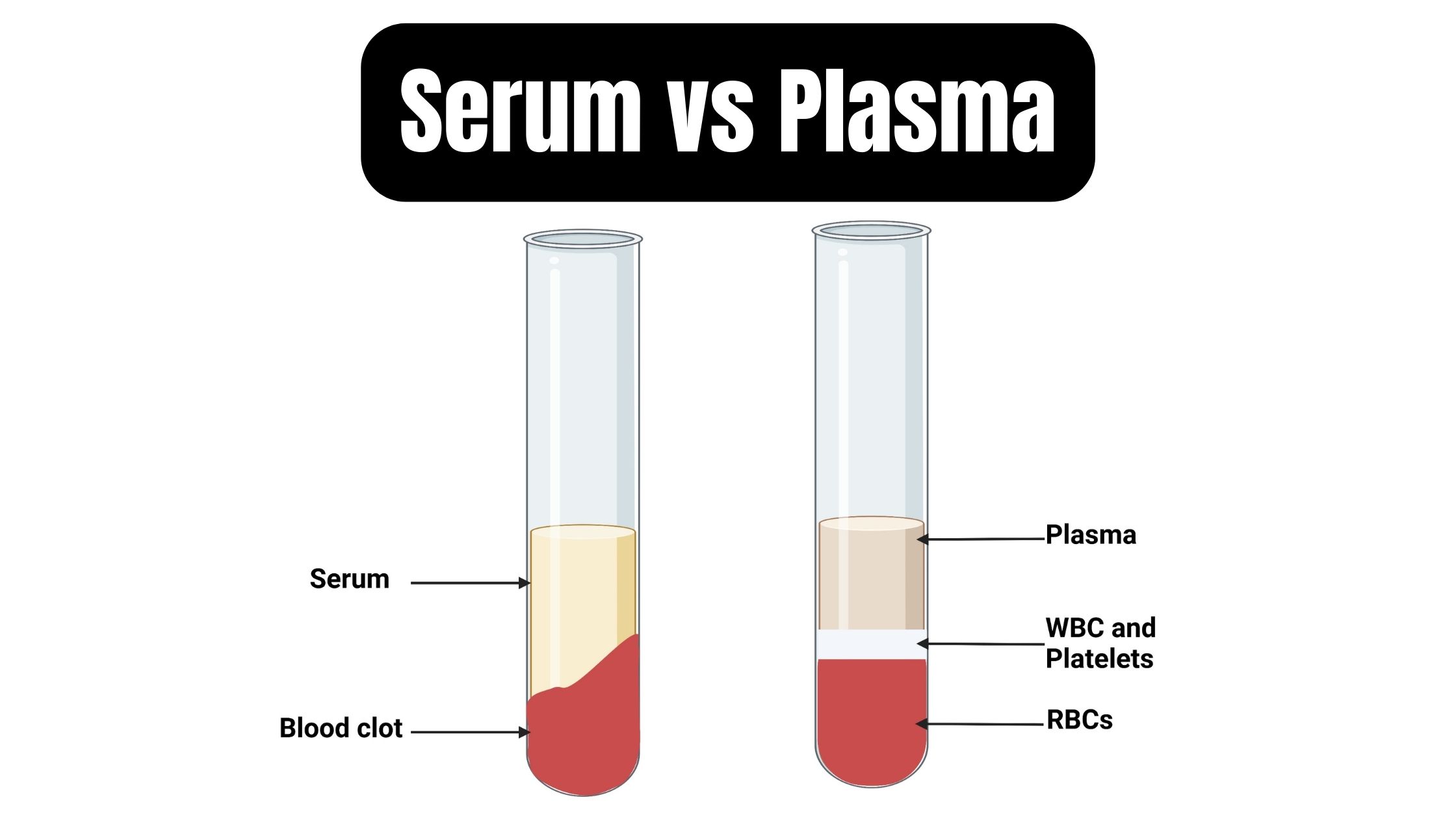
Plasma and serum are two blood derivatives which do not have blood cells such as red blood cells white blood cells and platelets. Both are enriched with proteins, drugs hormones, toxins and electrolytes. Both plasma and serum can be used to treat and diagnose. They are separated from blood using centrifugation, which eliminates the blood’s cellular component. Blood is infused with anticoagulants when it has been transfused to stop the clotting. The serum color is amber, while the plasma color is straw. The primary difference between serum as well as plasma lies in the fact that the latter is a protein-rich liquid that separates when blood is coagulated, whereas plasma forms the liquid part of blood that holds blood cells suspended.
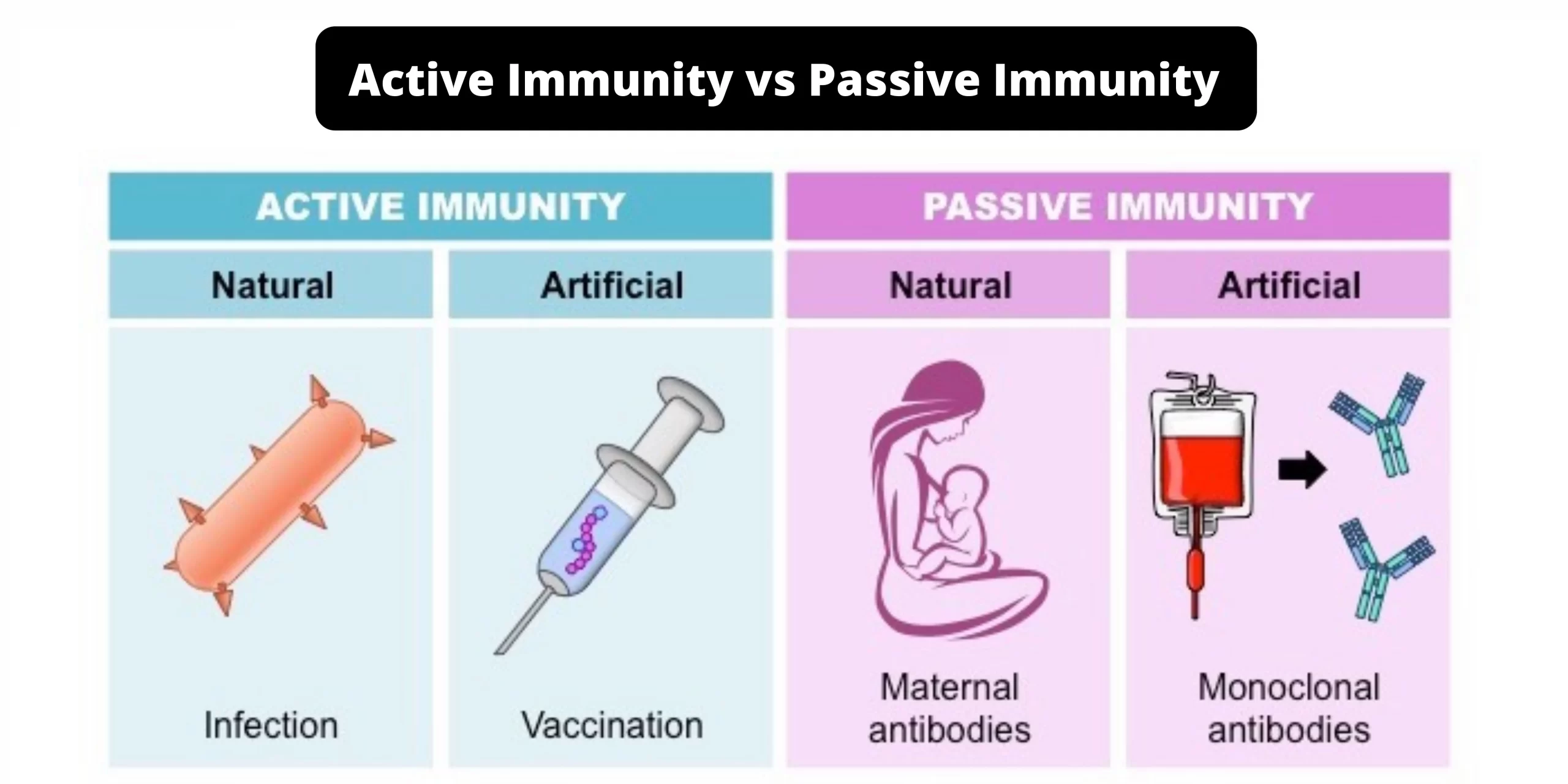
The immune system shields the body from a range of pathogens and the toxins. Innate immunity is the first line of defense against pathogens via physical and chemical barriers , such as mucus layers, skin and saliva. The second line of defense is also triggered by innate immunity via the phagocytes. This defense line is … Read more
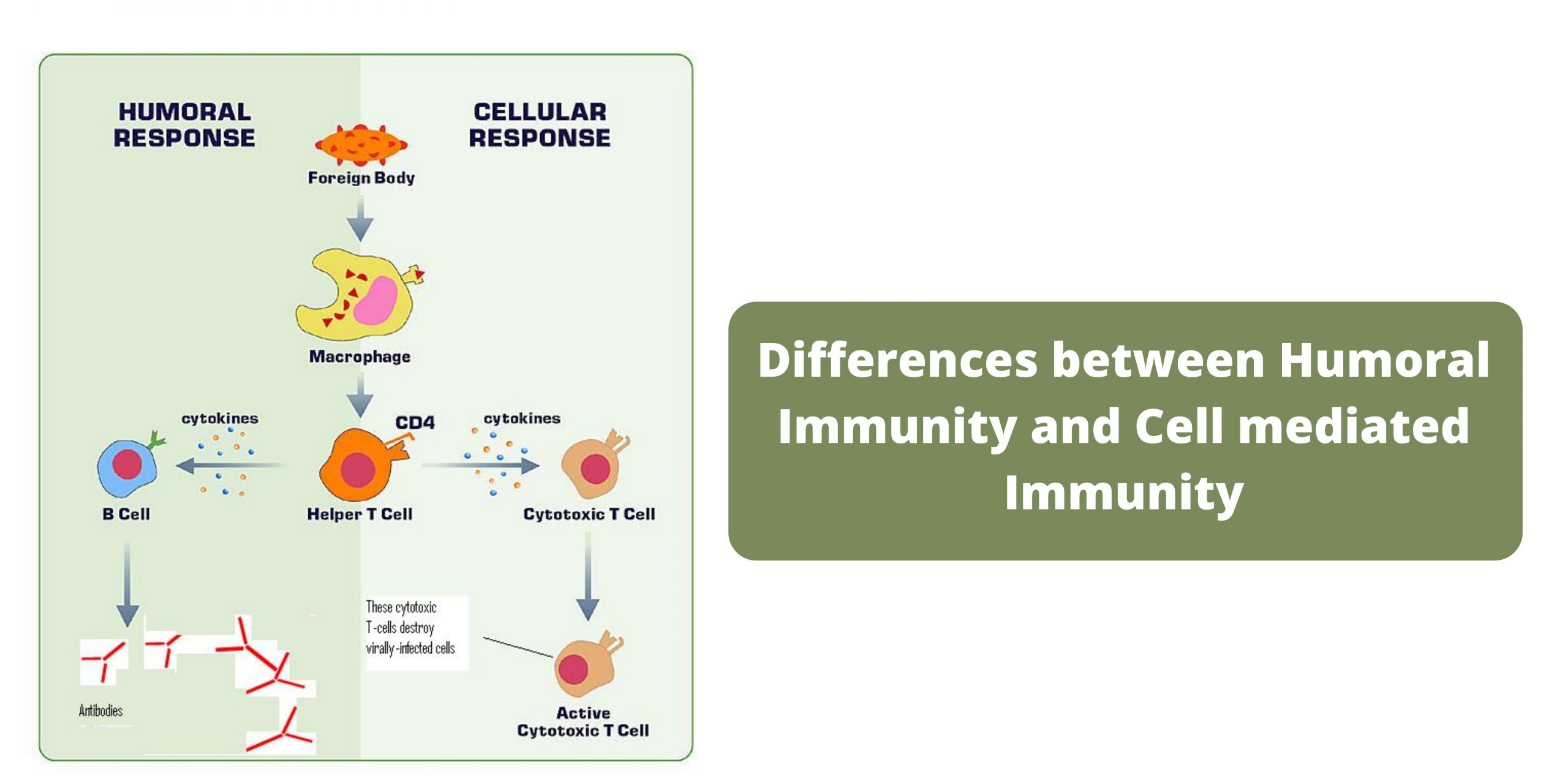
Cell-mediated immunity and immunological immunity are two kinds of adaptive immune responses which allow the human body to protect itself in a targeted manner against harmful substances such as viruses, bacteria and contaminants. While there is some overlap between the two parts of the immune response and both are based on the function of lymphoid cell function – there are some significant distinctions.
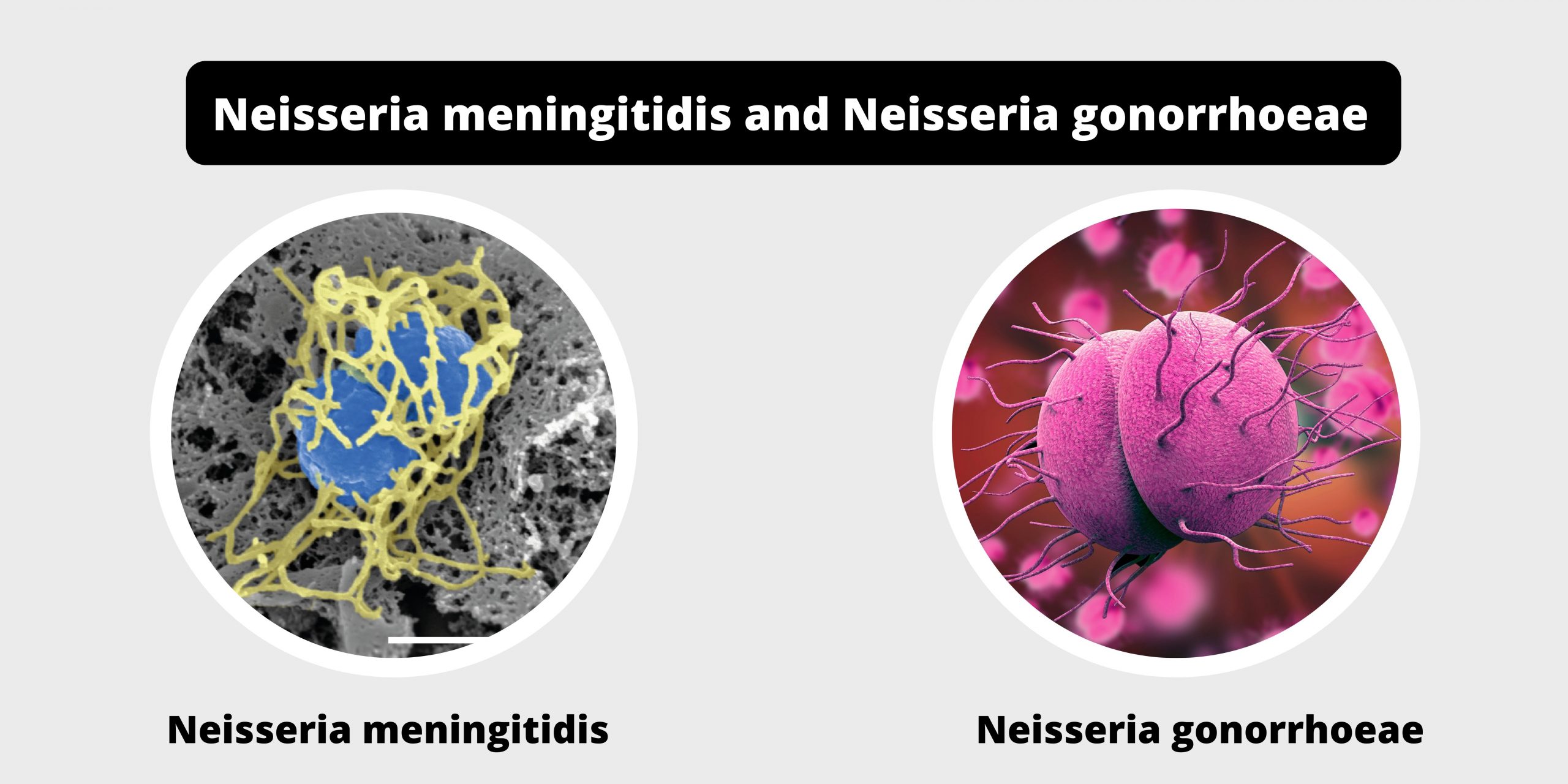
Neisseria meningitidis, also known as meningococcus is a Gram-negative bacterium which may cause meningitis or other forms of meningococcal infection like meningococcemia, which is life-threatening sepsis. The bacterium is described as a coccus due to the fact that it is round and, more specifically, is a diplococcus due to the tendency of it to create pairs.
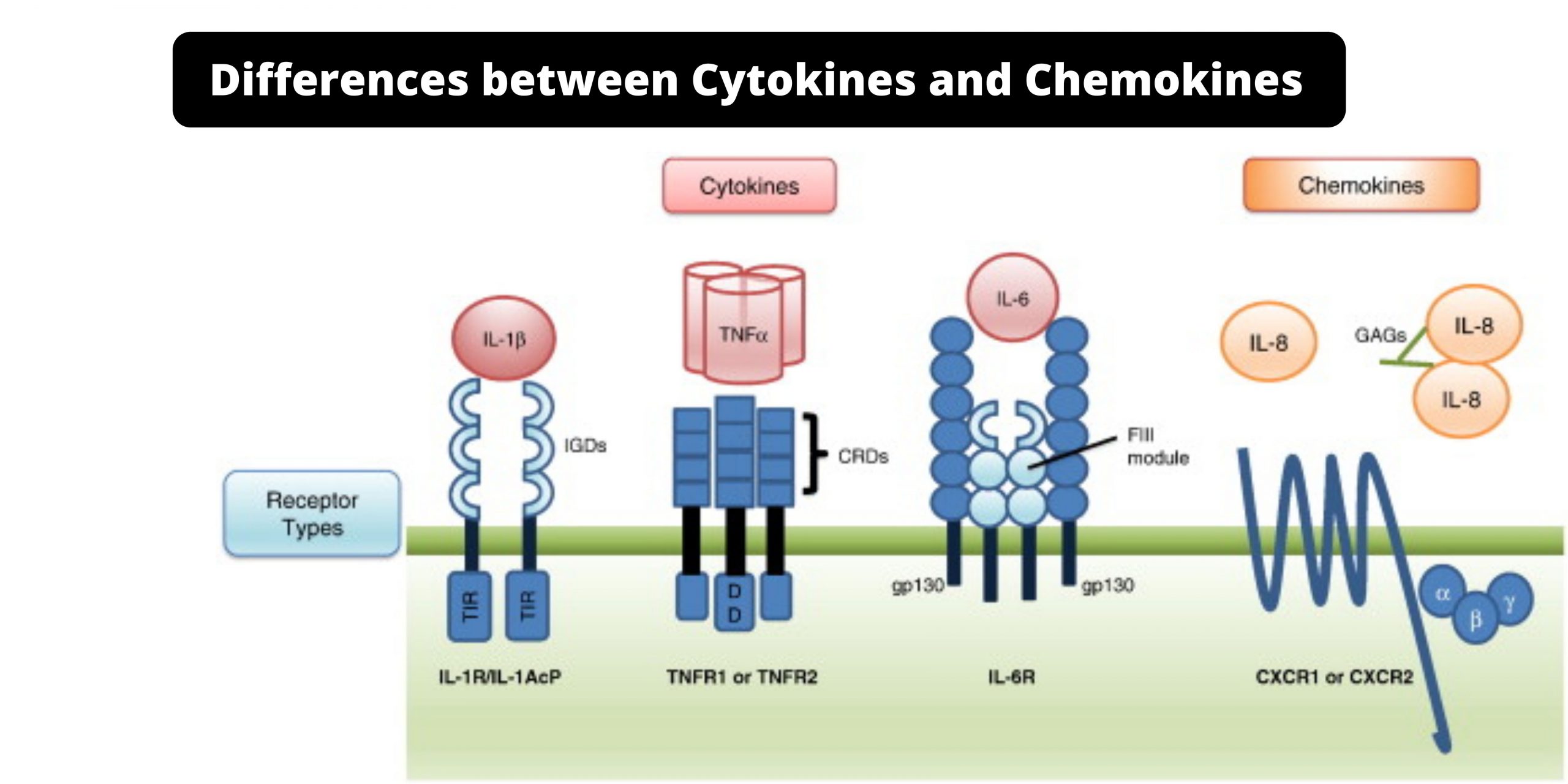
Chemokines as well as cytokines constitute two immune modulating agents that are involved in mediating and modulating of the immune system’s responses. immune system. Different types of cytokine superfamilies are recognized: chemokines INFs, INFs, CSFs, TGFs and TNFs. They differ only by the function they perform within the body. Chemokines cause a gradient of concentration that directs other leukocytes to the location of the infection. The primary distinction between chemokines and cytokines is that cytokines are tiny proteins that are released by cells within the body that affect other cells. Chemokines are a part of the superfamily of cytokines and possess Chemotactic properties.