One Step Growth Curve of Virus -Phases, Significance

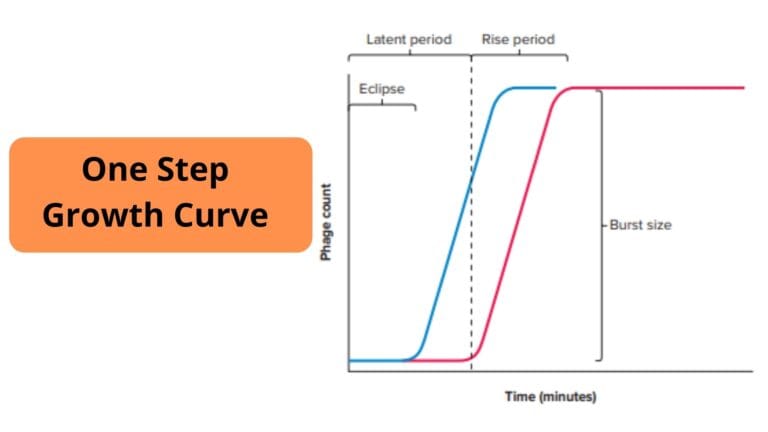
The One Step Growth Curve was first described by Max Delbriick and Emory Ellis in 1939 and started modern bacteriophage research.

The One Step Growth Curve was first described by Max Delbriick and Emory Ellis in 1939 and started modern bacteriophage research.
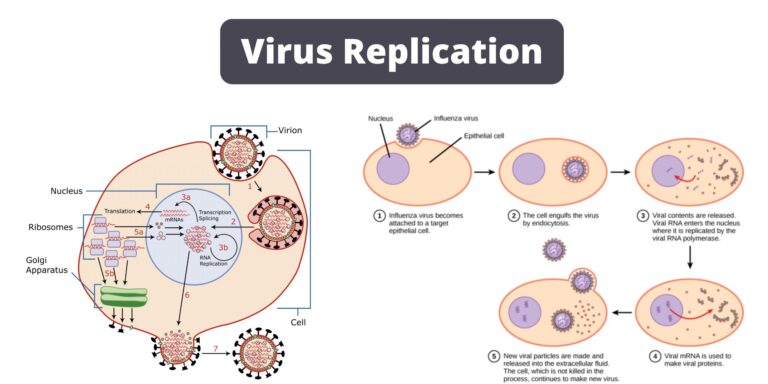
Viral replication is the process of forming of biological viruses in the course of the infection process within the host cells.
A virus has to go through the process of reproduction to generate new, infectious virions which are able to infect cells within the body and subsequent hosts.
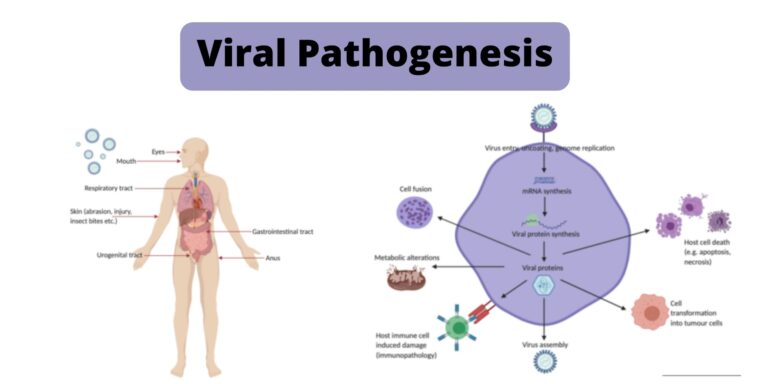
Pathogenesis refers to the process by which infection by viruses causes illness. Thus, it is a description of the mechanism by which initial infection triggers the development of disease.
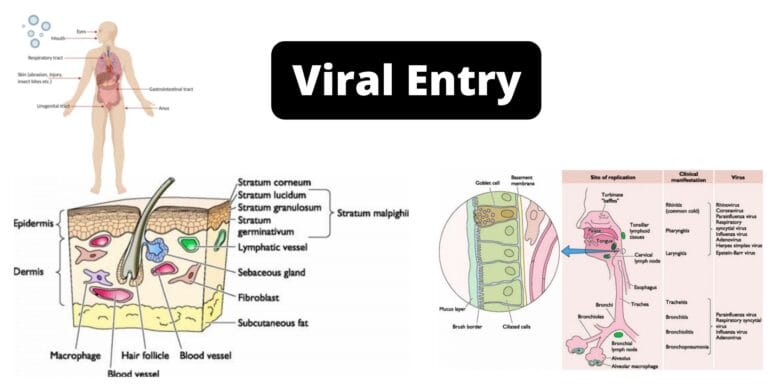
Viral entry is the first phase of infection in the viral life cycle when the virus is in contact with the cell of its host and injects virus-related material into the cell.
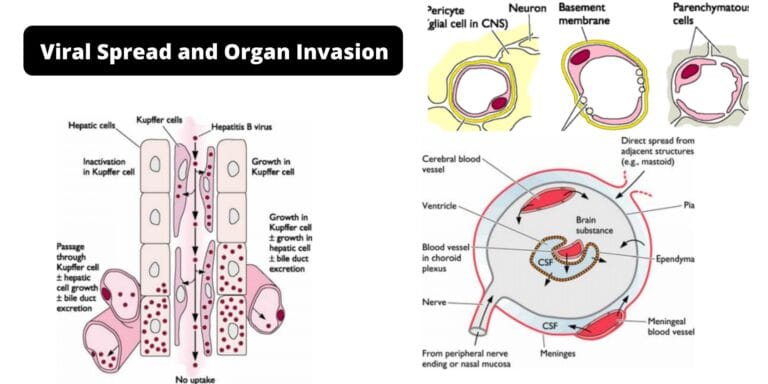
The local spread of the infection within the epithelium happens when the virus is released and infects adjacent cells. The infections are typically controlled by the physical limitations of the tissue, and are managed by the inherent immune and innate defenses.
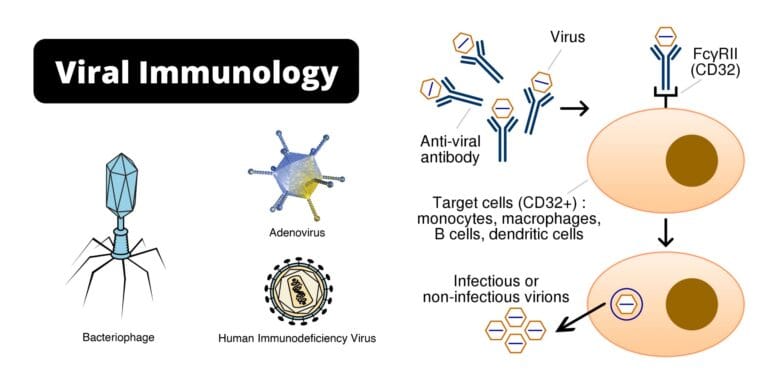
Viruses are extremely immunegenic and cause two kinds of immune responses: the humoral and the cellular.
The range of specificities of B and T cells is derived from changes in the somatic genome and rearrangements.
T B cells and T typically recognise the exact epitopes within the exact virus. B cells recognize the free proteins unaltered in their original 3-D configuration while T cells typically view Ag in a denatured form. Ag in a denatured state together in conjunction with MHC molecules.
The features of an immune reaction for the exact virus can be different for different individuals based on their genetic makeup.
It is responsible for preventing infection by this virus (neutralization).
The IgG and IgM class are particularly relevant. IgM as well as the IgG class are especially important to protect against viral infections, which are often accompanied by viraemia. The antibodies from IgA class are particularly relevant for defense against viraemia. IgA class are essential for infections contracted through the mucosa. (the nose and the intestinal tract)
However, the immune system kills the infected cells that express viruses’ proteins onto their surface including glycoproteins that envelope viruses have and occasionally the essential proteins of these viruses.

Vaccines have so far held the center position in efforts to stop viruses. They are inexpensive and secure, and the protection can last for a long time. But some viruses because of a number of reasons, aren’t compatible with this method like retroviruses, influenza as well as rhinoviruses and arboviruses.

Introduction In our daily life, we are thinking about Viral Infection and their symptoms, when we get infected by any infectious virus such as the flu or the chickenpox. But ever you ask, what’s actually happening in your body when you have been infected by a virus? In biology, viral infection means viruses are started
The virus uses the host’s complete system for protein translation because they lack translational machinery. Hence, the Baltimore classification system is based on this machinery how viruses use the host mechanism. Messenger RNA (mRNA) is the main focus of this classification system. In the beginning, there were six classes of viruses in Baltimore classification system
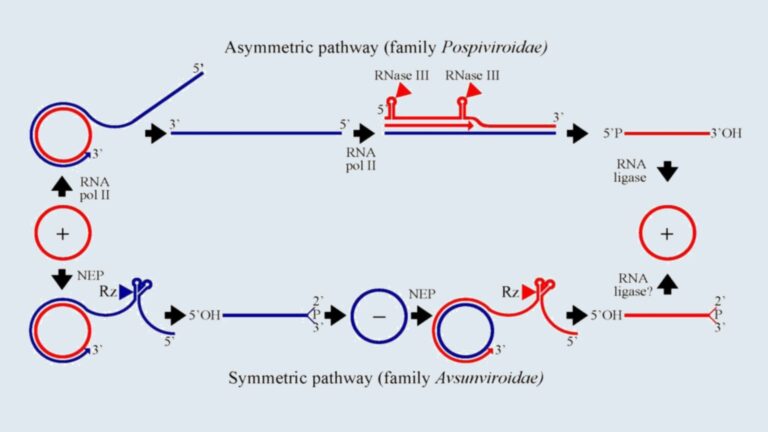
Viroids Definition Viroids Structure: Replication of Viroids or Infection of Viroids Viroid RNA replicates autonomously and spreads within the host by recruiting host proteins. There are three enzymes that help in RNA replication such as RNA pol. II, RNAase and RNA ligase. Viroid RNA don’t code for any plant protein and they lack AUG initiation