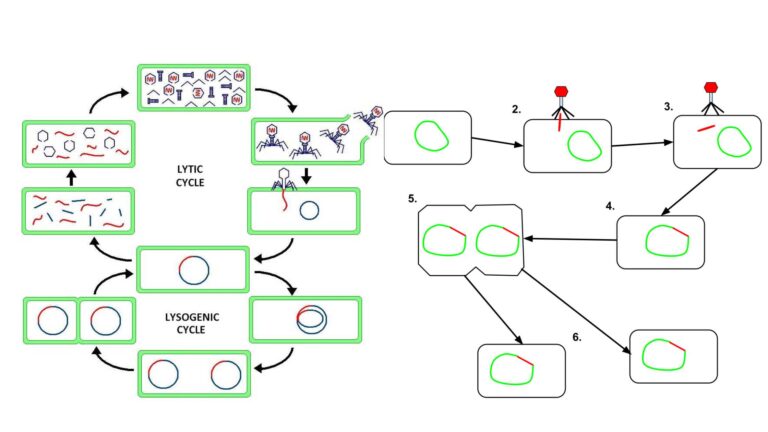
What is Lysogenic Cycle? Definition of Lysogenic Cycle The lysogenic cycle is a viral replication process in which a virus integrates its genetic material into the host cell’s genome, allowing it to remain dormant and propagate without immediately destroying the host. This dormant viral DNA, known as a prophage, can later be activated to initiate
What are Viruses? Definition of Viruses Viruses are submicroscopic infectious agents that can only replicate within the living cells of a host organism, capable of infecting all forms of life. They consist of genetic material (DNA or RNA) encased in a protein coat and, in some cases, an external lipid envelope. Are Viruses Living or
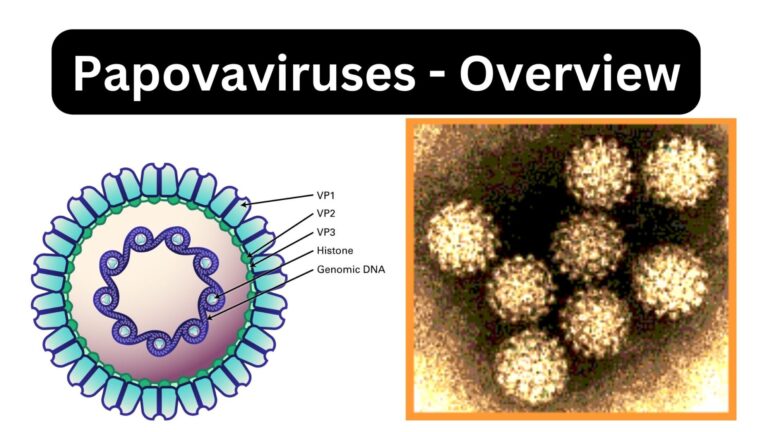
Human Papillomaviruses Classification On the basis of DNA homology, tissue tropism, and relationship with oncogenesis, the HPVs have been categorised into 16 groups (A–P), encompassing at least 70 kinds, containing a total of at least 100 types. Human infections caused by papovaviruses Papillomavirus Polyomavirus Morphology of Human papillomaviruses Human papillomaviruses have the following characteristics: Viral
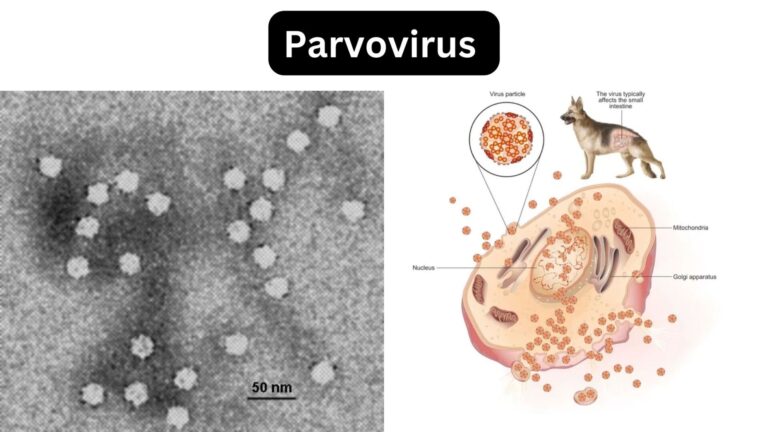
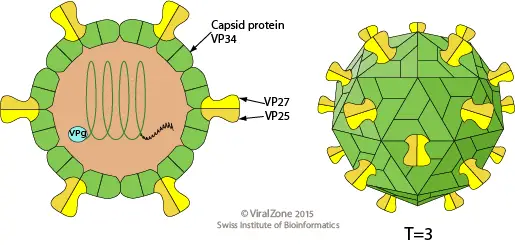
What is Parvovirus? Classification of Parvovirus Parvovirus B19 Parvovirus B19, or B19 virus, is the causal agent of erythema infectiosum (“fifth disease”; it was fifth of the six identified exanthematous disorders of childhood), a minor viral sickness of children, as well as polyarthralgia–arthritis syndrome in immunocompetent adults. Morphology of Parvovirus B19 B19 viruses manifest the
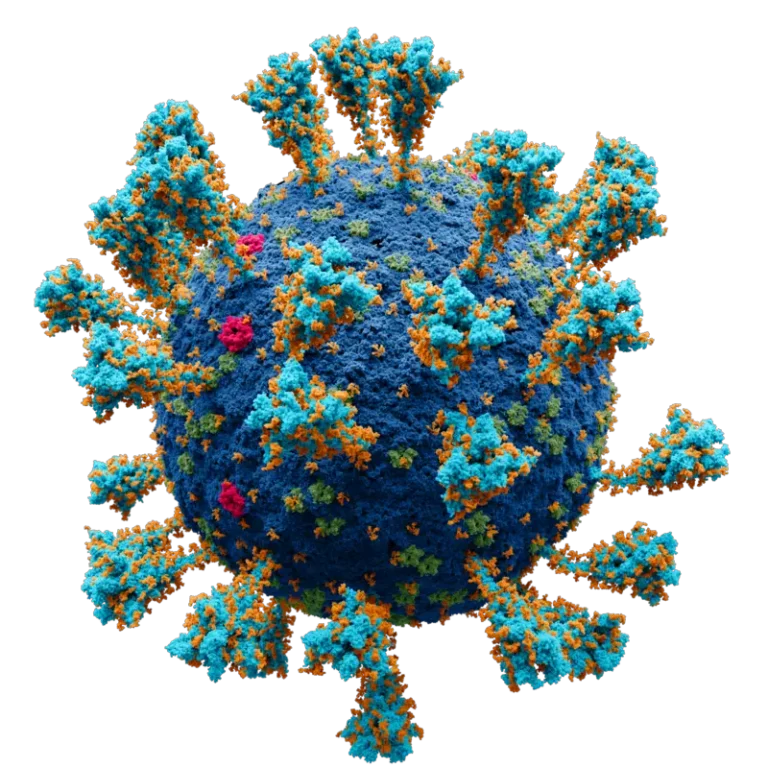
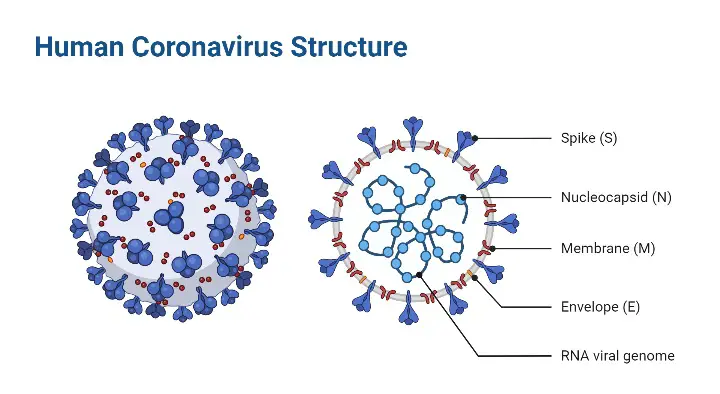
SARS-CoV-2 is an enveloped, positive-sense single-stranded RNA (+ssRNA) virus having a roughly spherical to ellipsoidal virion and a genome of about 30 kb. The viral particles are commonly around 80-100 nm in diameter as shown by cryo-electron tomography. Variation in size and shape of individual virions is also present. Inside the envelope, the RNA genome
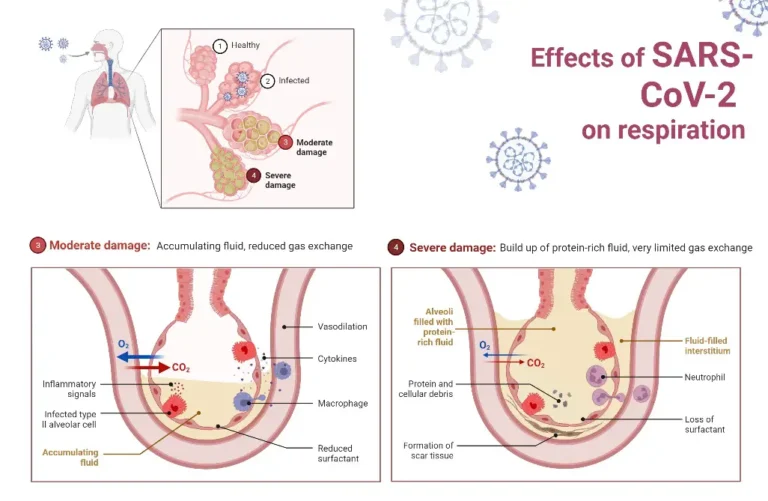
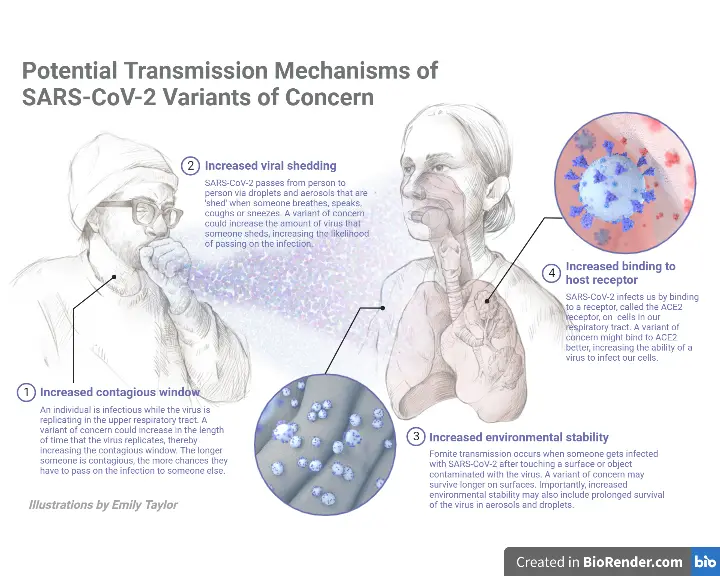
SARS-CoV-2 is the virus that causes the disease COVID-19 (coronavirus disease 2019). It is a highly infectious disease that can spread from person to person through respiratory droplets or close contact. The virus was first identified in Wuhan, China in December 2019 and has since spread to become a global pandemic. Symptoms of COVID-19 can
SARS-CoV-2 is the virus that causes COVID-19. COVID-19 is a highly infectious respiratory illness that can spread from person to person through respiratory droplets or close contact. The virus was first identified in Wuhan, China in December 2019 and has since spread to become a global pandemic. Symptoms of COVID-19 can range from mild to
Astrovirus is a type of virus that can cause gastroenteritis (also known as stomach flu) in humans. The virus is highly contagious and is primarily spread through close contact with infected individuals or through contaminated food or water. Symptoms of astrovirus infection may include diarrhea, vomiting, abdominal pain, and fever. Most people recover from an
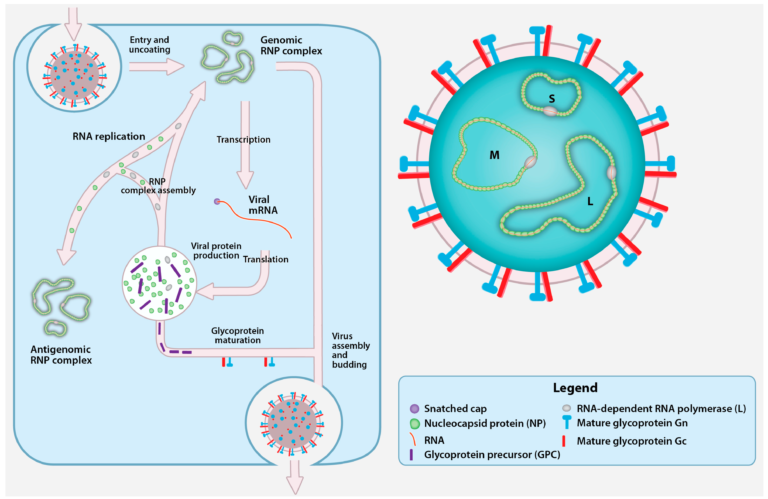
Crimean-Congo Hemorrhagic Fever (CCHF) is a viral disease that is transmitted to humans by ticks. It is a highly infectious and severe disease that can be fatal in up to 50% of cases. The virus is found in many parts of the world, including Africa, Asia, and Europe. CCHF is caused by a virus in
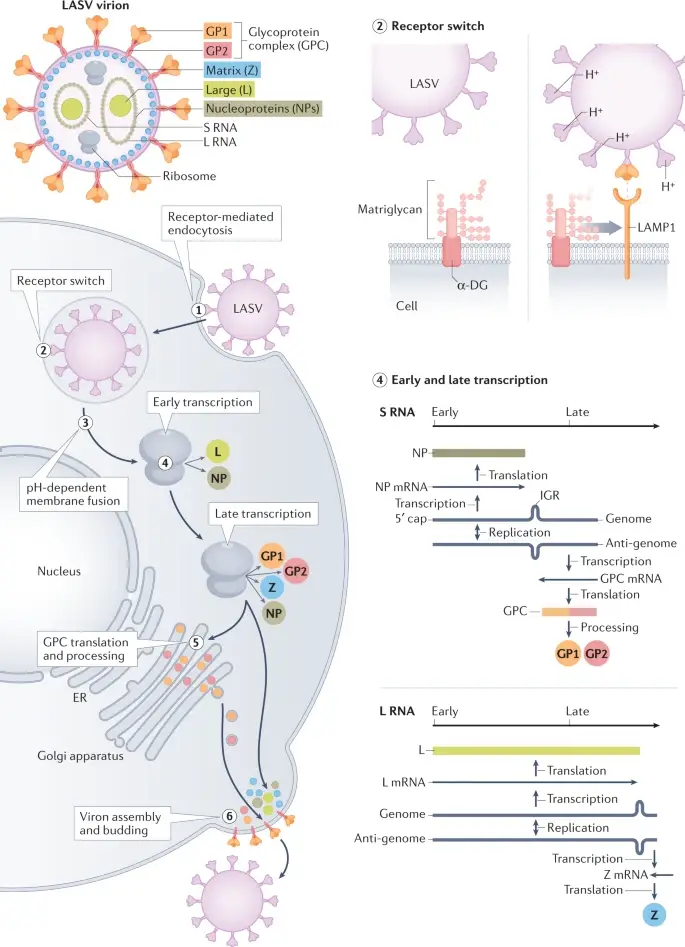
Lassa virus is an RNA virus that is spread to humans through contact with the urine or feces of an infected Mastomys rat. It is a type of virus known as an arenavirus, and it is endemic in West Africa. The virus is named after the town of Lassa, in Borno State, Nigeria, where it