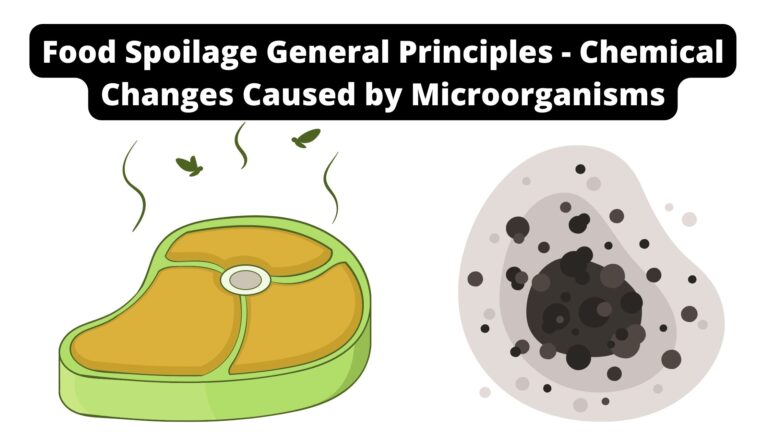
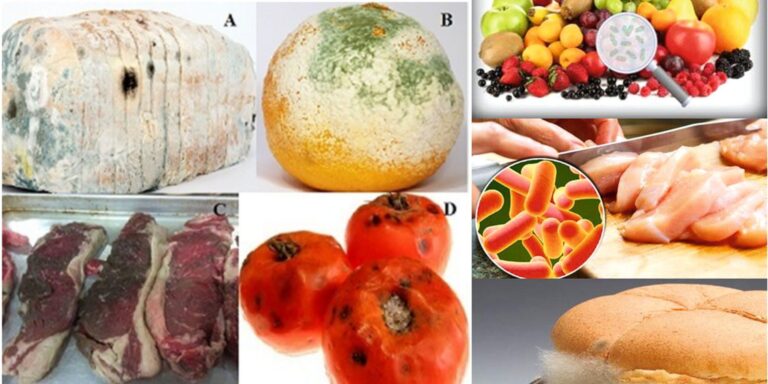
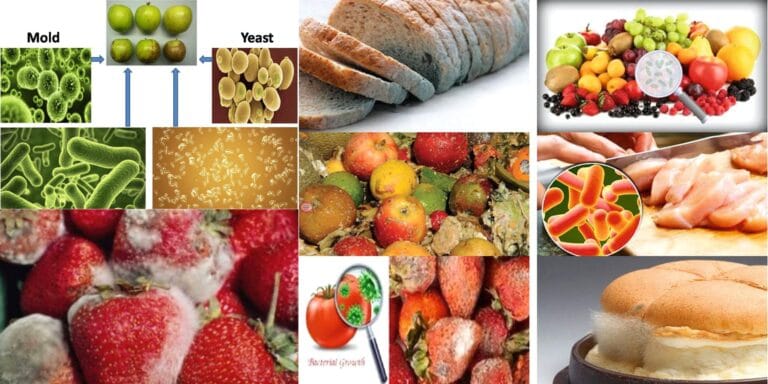
When food is called “spoiled”, it usually means that there is decay or decomposition of an unfavorable nature. Foods unfit for consumption are not considered spoiled. Spoiling could be caused by one or more of these:
Unwanted microorganisms can cause food to be contaminated. The contamination is usually natural, but it can also be artificial. Natural contamination is when microorganisms attach to food during its growing stages. For example, Fruits are often contaminated by yeasts, which ferment the fruits’ carbohydrates. Artificial contamination is when food is improperly handled or processed.
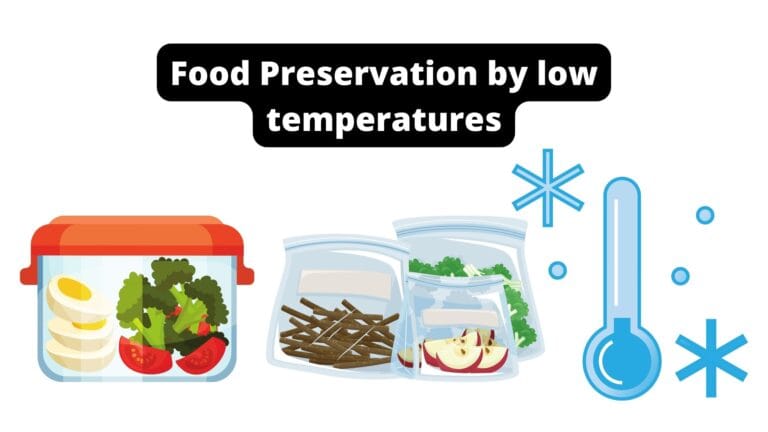
Low temperatures are employed to stop chemical reactions and the action of enzymes in food and to stop or slow the development and activities of microorganisms found in food items.
Food Preservation by Drying Purpose of drying The purpose of drying in food processing is multi-fold and serves several important functions. Here are the key purposes of drying: Principle of Preservation by Drying/ Dehydration/ Concentration The principle of drying in food processing is based on the state of water in the food and its effect
Interactions between microorganisms, animals, and plants are constant and natural. The ecological function of microorganisms and their role in the various biochemical cycles of nature are clearly documented. The human food supply is primarily composed of animals and plants or products that are derived from them, it’s reasonable to assume that the food we consume may contain microorganisms that interact with food.
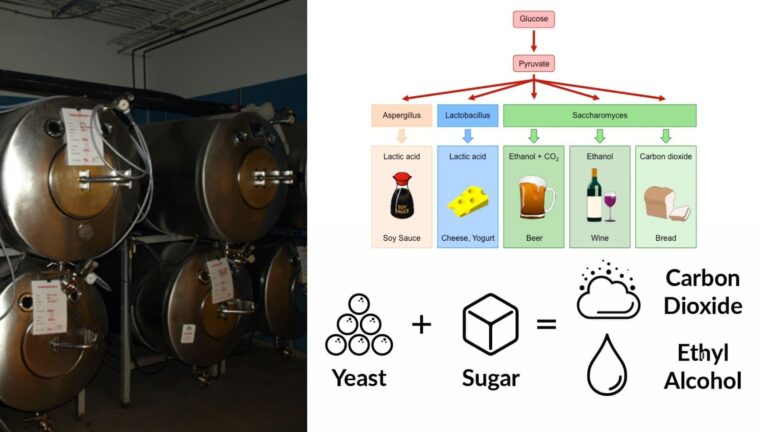
Fermentation is among the oldest techniques for processing food. The term “fermentation” refers to a procedure where chemical changes take place in organic substrates through the action of enzymes created by microorganisms. For instance yeast enzymes transform starches and sugars into alcohol, and proteins are transformed into peptides or amino acids. The fermentation process takes place without oxygen which produces ATP (energy).
Food spoilage is the result of a metabolic process which causes food products to become unpalatable or inedible for human consumption because of changes in the sensory attributes.
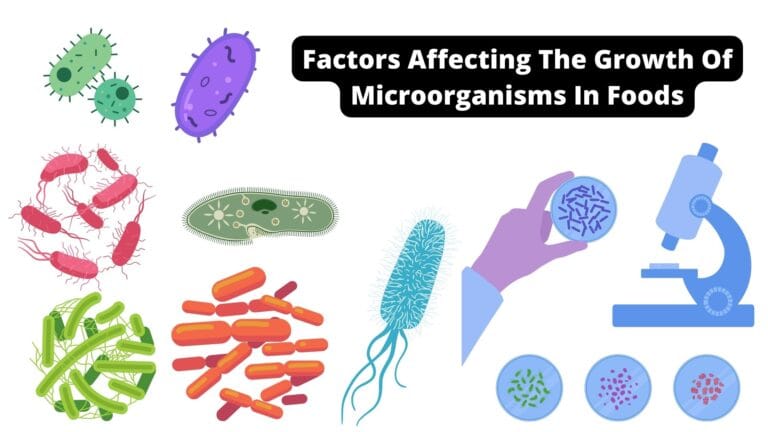
Chemical reactions that produce sensual changes that are offensive in food are controlled by a wide range of microbes that utilize food as a source of carbon and energy source. The organisms that cause these changes comprise prokaryotes (bacteria) as well as single-celled organisms that lack defined nuclei and organelles, as well as eukaryotes unicellulated (yeasts) as well as multicellular (molds) organisms that possess organelles and nuclei.