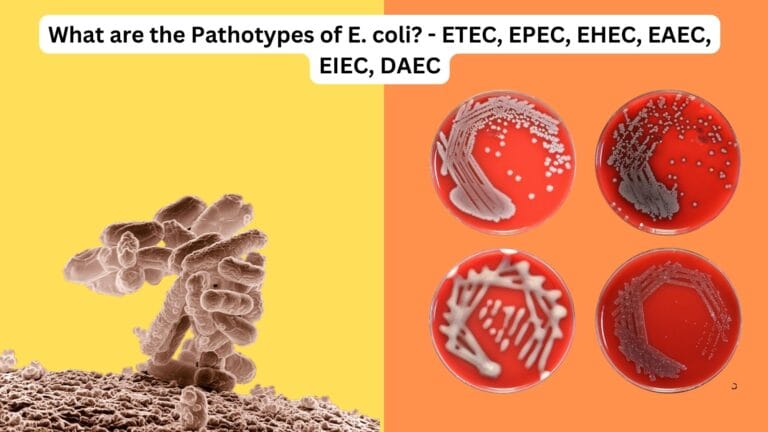
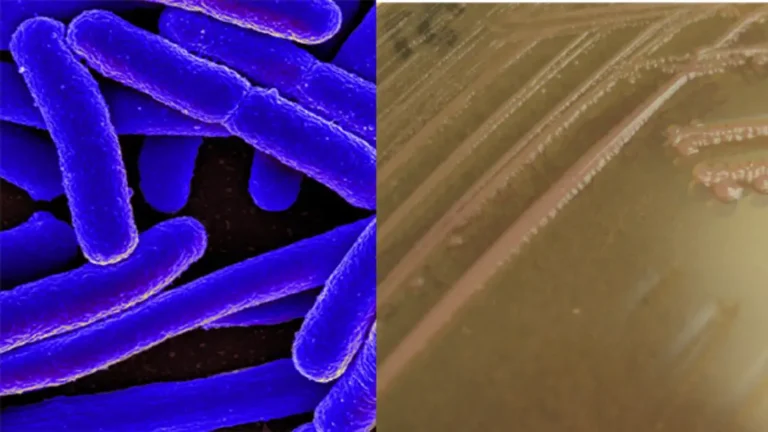
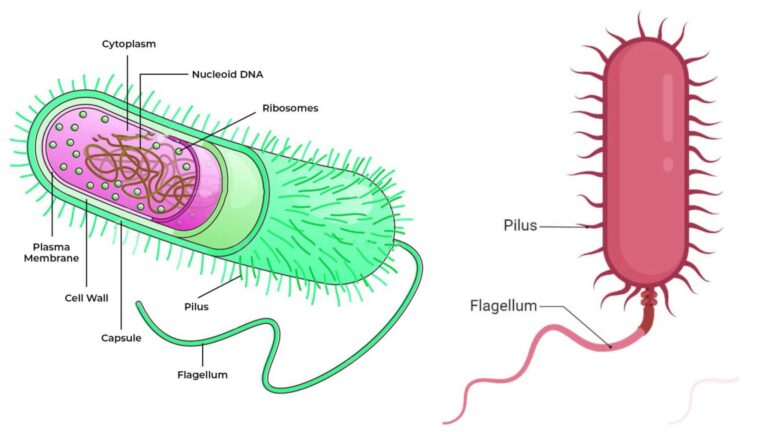
Escherichia coli, commonly referred to as E. coli, is a type of Gram-negative bacterium. It is facultative anaerobic, meaning it can survive in environments with or without oxygen, and has a rod-shaped morphology. E. coli is predominantly found in the lower intestine of warm-blooded organisms, including humans (endotherms). Human strains of E. coli can be
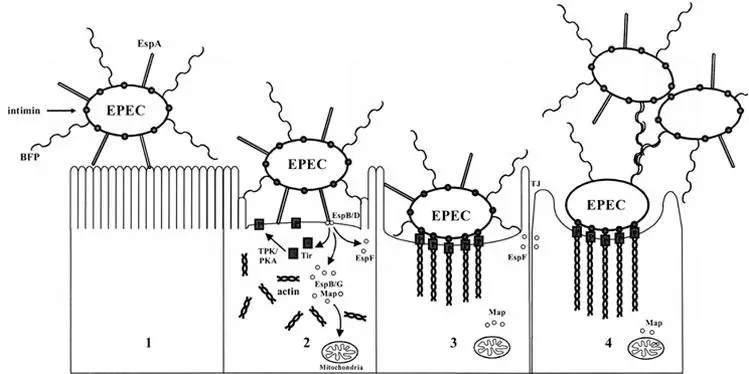
Enteropathogenic Escherichia coli (EPEC) Enteropathogenic Escherichia coli (EPEC) are a group of strains of Escherichia coli that have been associated with diarrheal illnesses. The understanding of EPEC has evolved over time with the discovery of different mechanisms of pathogenesis. Here is a summary of the key points about EPEC: Advancements in techniques and a better
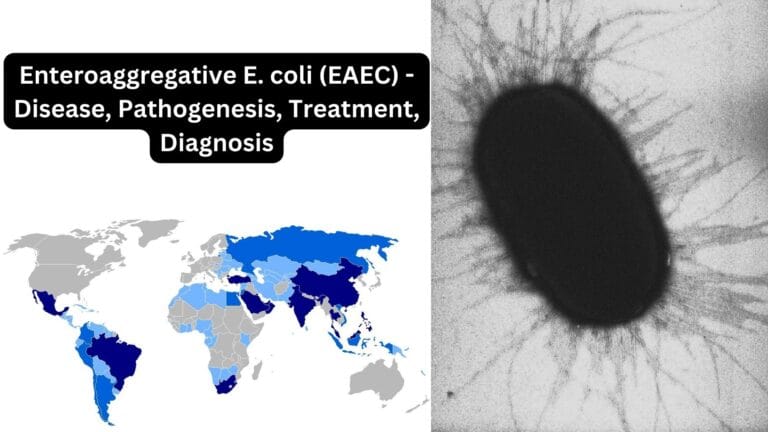
What is Enteroaggregative E. coli (EAEC)? Disease Caused by Enteroaggregative E. coli (EAEC) Pathogenesis Mechanism of Enteroaggregative E. coli (EAEC) The pathogenesis of Enteroaggregative Escherichia coli (EAEC) involves several stages and mechanisms. EAEC is primarily transmitted through the fecal-oral route, often through contaminated food and water sources. The pathogenesis of EAEC is a complex process
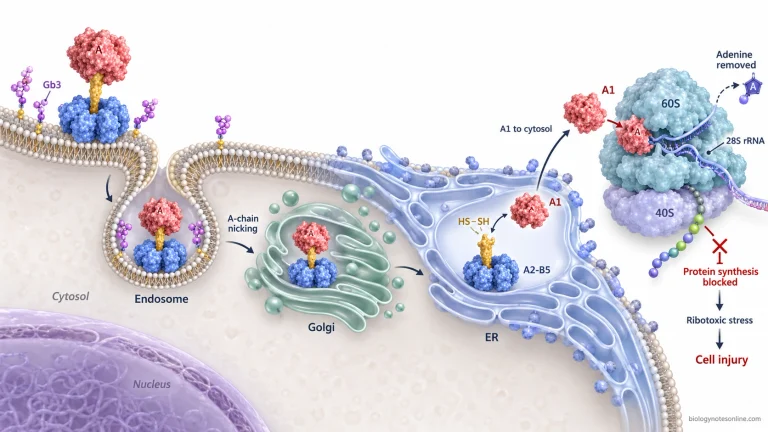
What Is Shiga Toxin-Producing E. coli (STEC)? Shiga toxin-producing Escherichia coli (STEC) are the strains of E. coli which produce Shiga toxins (Stx), either Shiga toxin 1 (Stx1), Shiga toxin 2 (Stx2), or both. Shiga toxin production is the main character of this group. Not every E. coli is STEC. E. coli is a highly
What is Enteroinvasive E. coli (EIEC)? Enteroinvasive Escherichia coli (EIEC) is a pathogenic bacteria that shares similarities with Shigella, a bacteria known to cause shigellosis. EIEC infections lead to a syndrome that closely resembles shigellosis, characterized by severe diarrhea and high fever. Unlike other types of E. coli, EIEC is highly invasive and enters intestinal
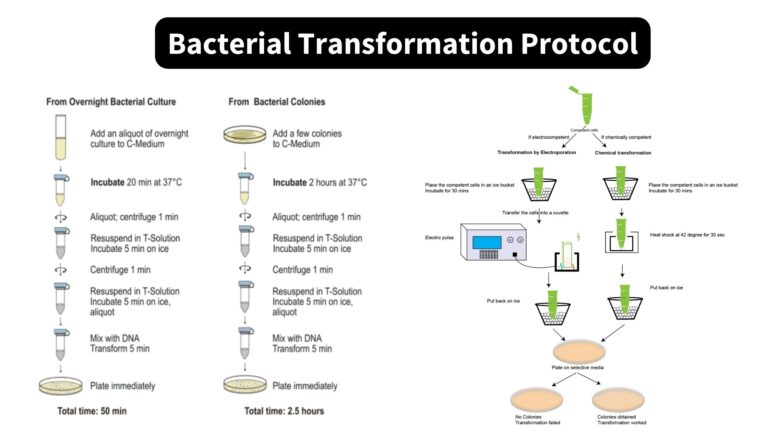
Bacterial transformation is a process wherein bacteria naturally modify their genetic makeup by incorporating foreign genetic material into their own genome. This phenomena has significant ramifications for health care, agriculture, and environmental science and has evolved into a fundamental genetic engineering tool. Scientists can create life-saving medications, alter crops for improved features, and speed up
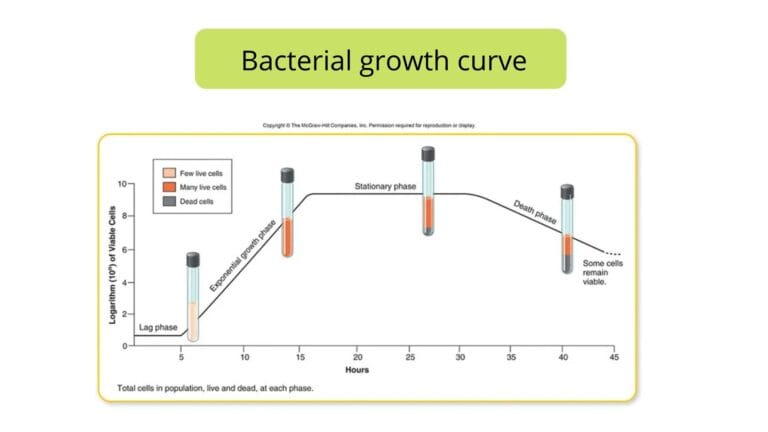
What is Bacterial Growth Curve? A bacterial growth curve is the graphical representation that shows the increase and decrease in number of bacterial cells in a population with respect to time. It is studied when bacteria are grown in a closed system or batch culture where no fresh nutrients are added and waste products are
What is Archaebacteria? Definition of Archaebacteria Archaebacteria, also known as Archaea, are a group of single-celled microorganisms that belong to one of the three domains of life. They are distinct from bacteria and eukaryotes in terms of their genetic, biochemical, and physiological characteristics. Archaebacteria are known for thriving in extreme environments such as hot springs,
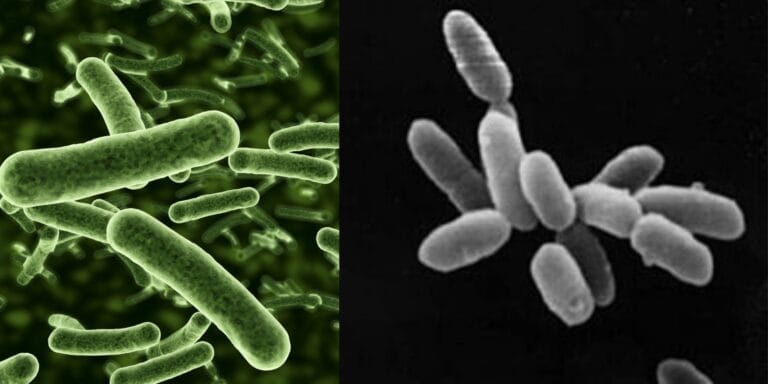
What is Eubacteria? Definition of Eubacteria Eubacteria, also known as true bacteria, are prokaryotic microorganisms that belong to the domain Bacteria. They are single-celled organisms lacking a nucleus, with DNA organized in a single circular chromosome. Eubacteria can be gram-negative or gram-positive and have economic, agricultural, and medical significance. Examples include E. coli, Lactobacilli, and
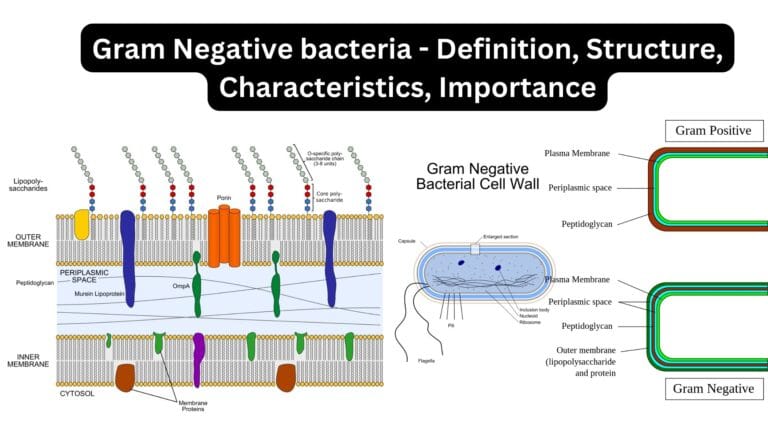
Gram-negative bacteria are a type of bacteria identified by their reaction to the Gram stain test, where they lose the purple dye and take up a red or pink counterstain. This happens because their cell walls are thinner and structurally different compared to Gram-positive bacteria. Instead of a thick peptidoglycan layer, they have a smaller