Sourav Pan is the founder and sole author of Biology Notes Online. He holds a Bachelor of Science (B.Sc.) degree and an M.Sc. in Microbiology from the University of Calcutta. He creates educational resources covering microbiology, immunology, biotechnology, genetics, cell biology, botany, zoology, and other life-science subjects.
His goal is to make complex biological concepts easier to understand through well-structured, student-friendly articles based on academic textbooks, peer-reviewed research, and authoritative scientific sources. In addition to writing new content, he regularly reviews and updates articles to improve their accuracy, clarity, and educational value.
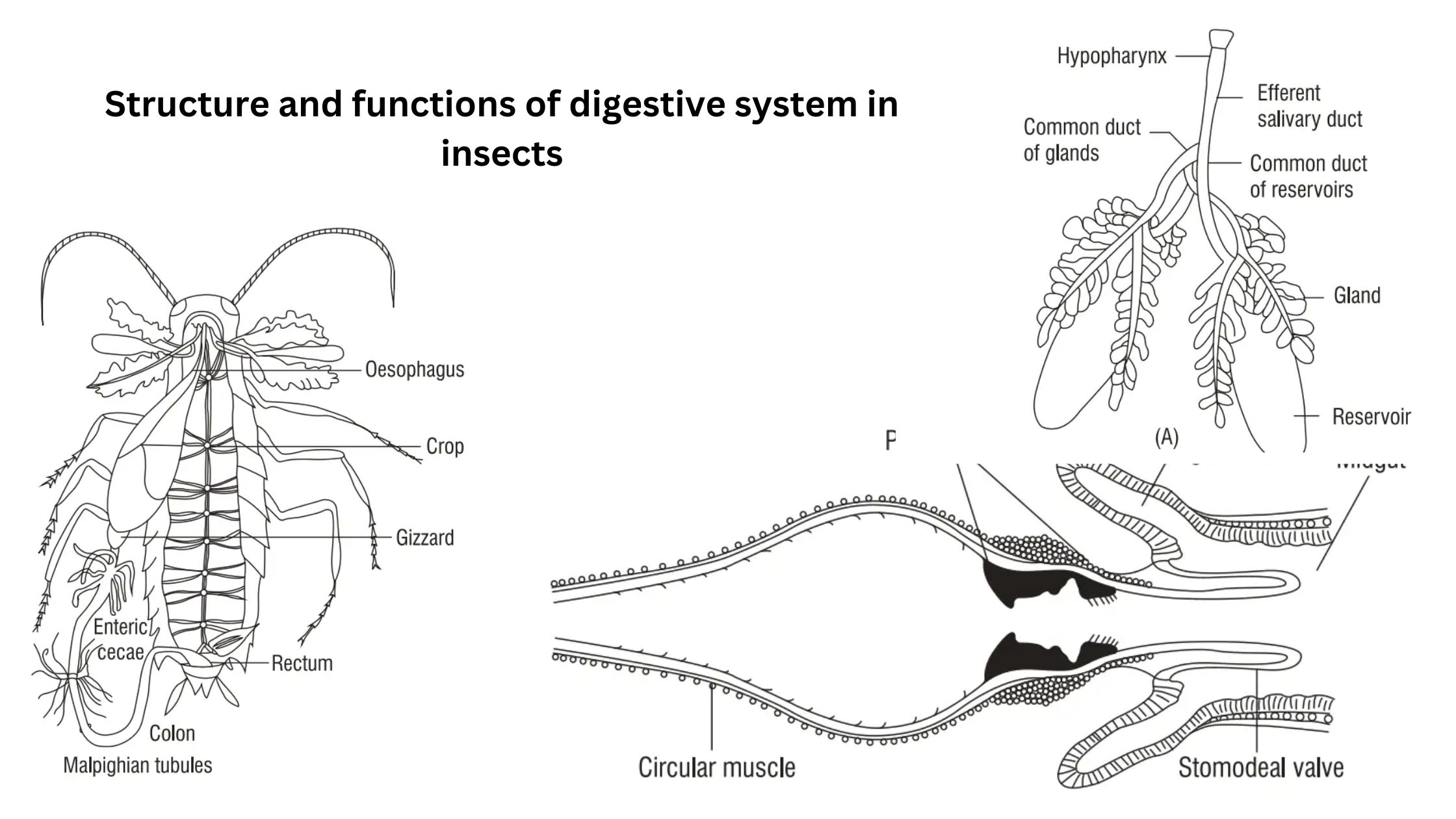
Insects exhibit a remarkable diversity in their feeding habits, leading to significant adaptations in their digestive systems. These adaptations can be classified based on their dietary preferences, which include phytophagous (plant-eating), entomophagous (insect-eating), wood-boring, wool-feeding, and saprophytic behaviors. Each of these feeding strategies necessitates specific structural modifications within the digestive system to efficiently process the … Read more
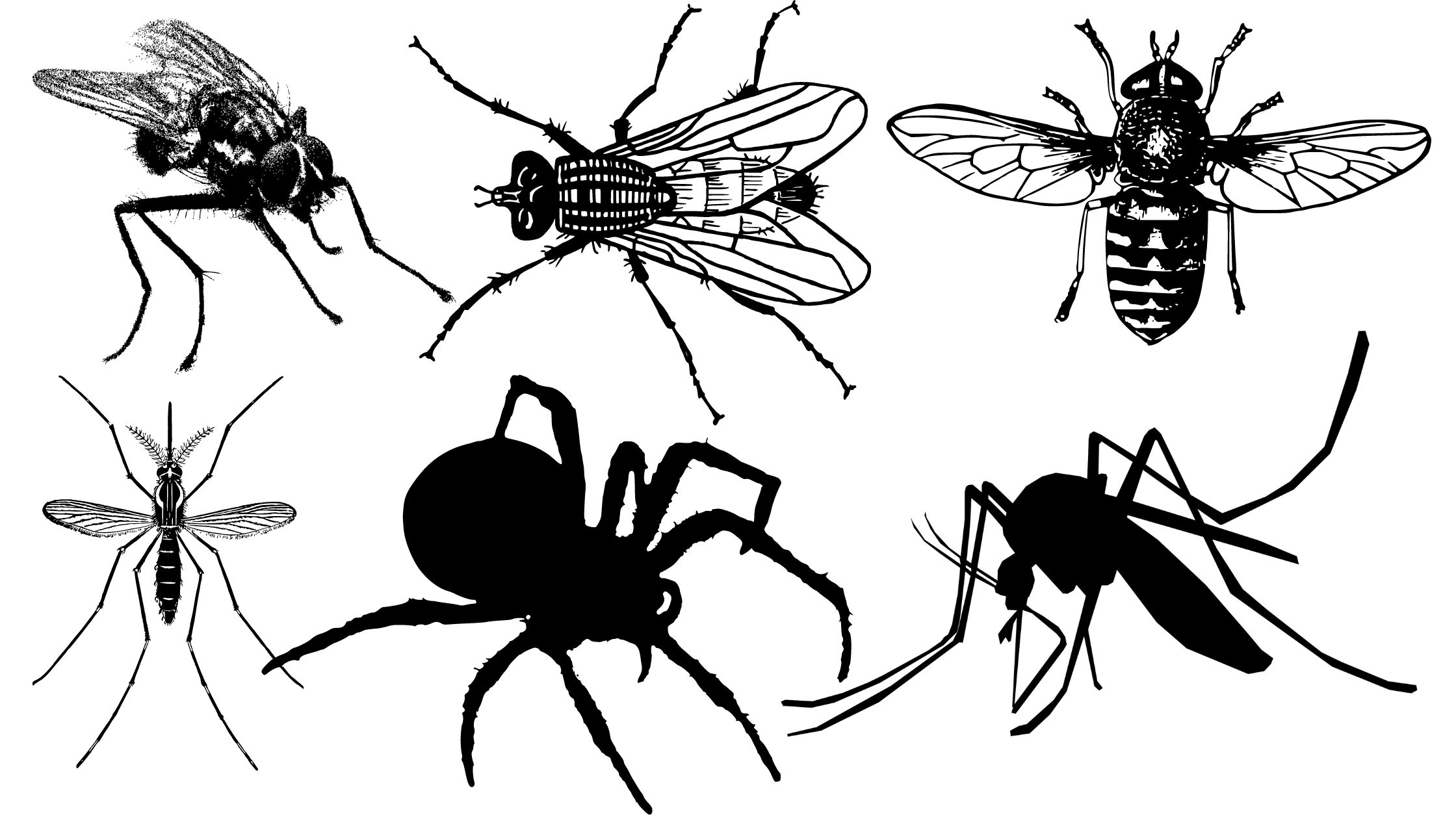
What are insect vector? Vectors play a crucial role in the transmission of pathogens and parasites that cause infectious diseases in both plants and animals. By definition, a vector is an organism that carries a disease-causing agent and facilitates its spread among hosts. Understanding the dynamics of vector transmission is essential for developing effective control … Read more
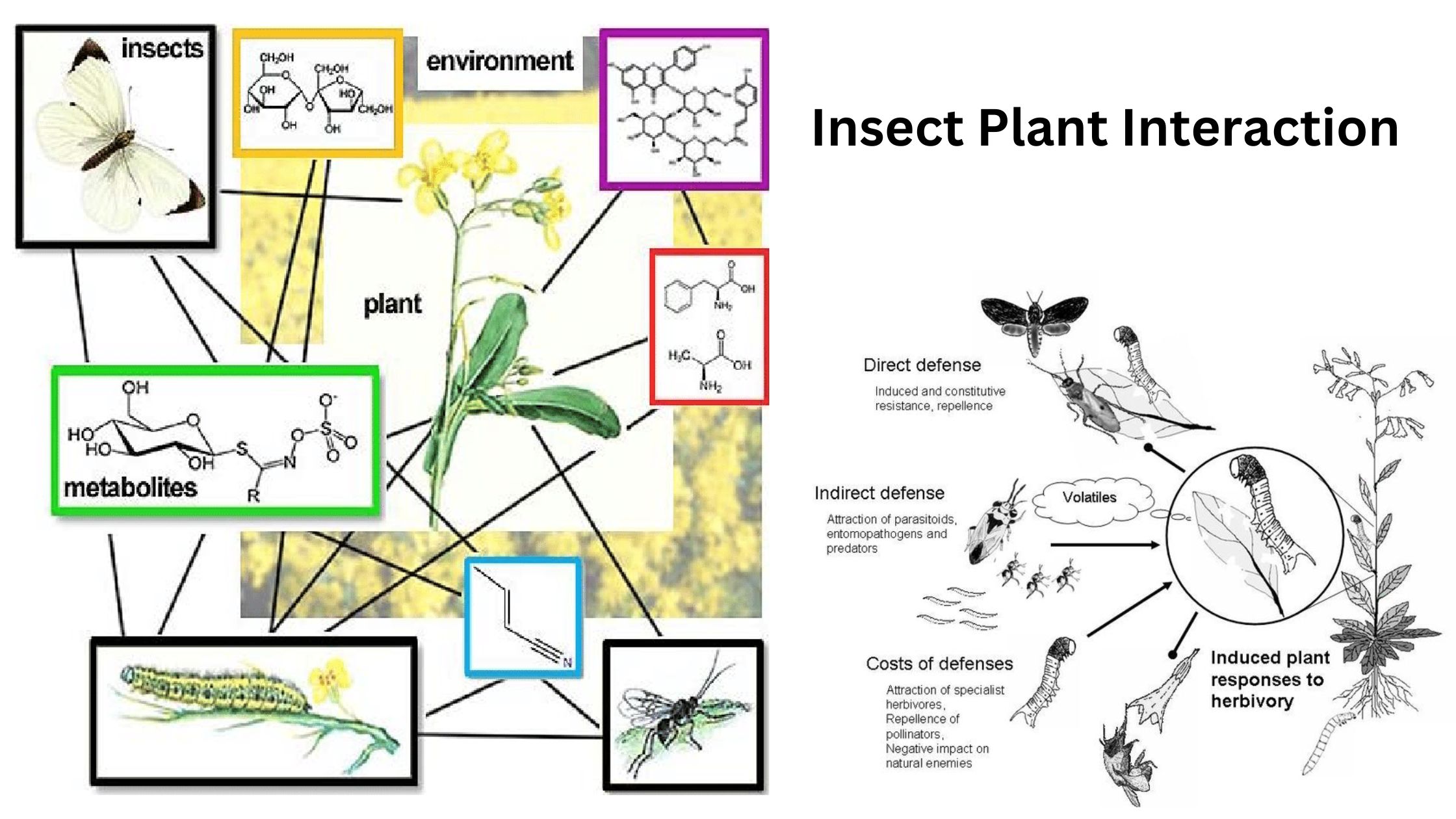
What is Insect Plant Interaction? What are the main types of interactions between insects and plants? Insect-plant interactions are essential components of ecological dynamics, influencing biodiversity, ecosystem functioning, and agricultural productivity. These interactions can be categorized into three primary types: antagonism, commensalism, and mutualism. Each type encompasses specific relationships characterized by distinct functional roles and … Read more
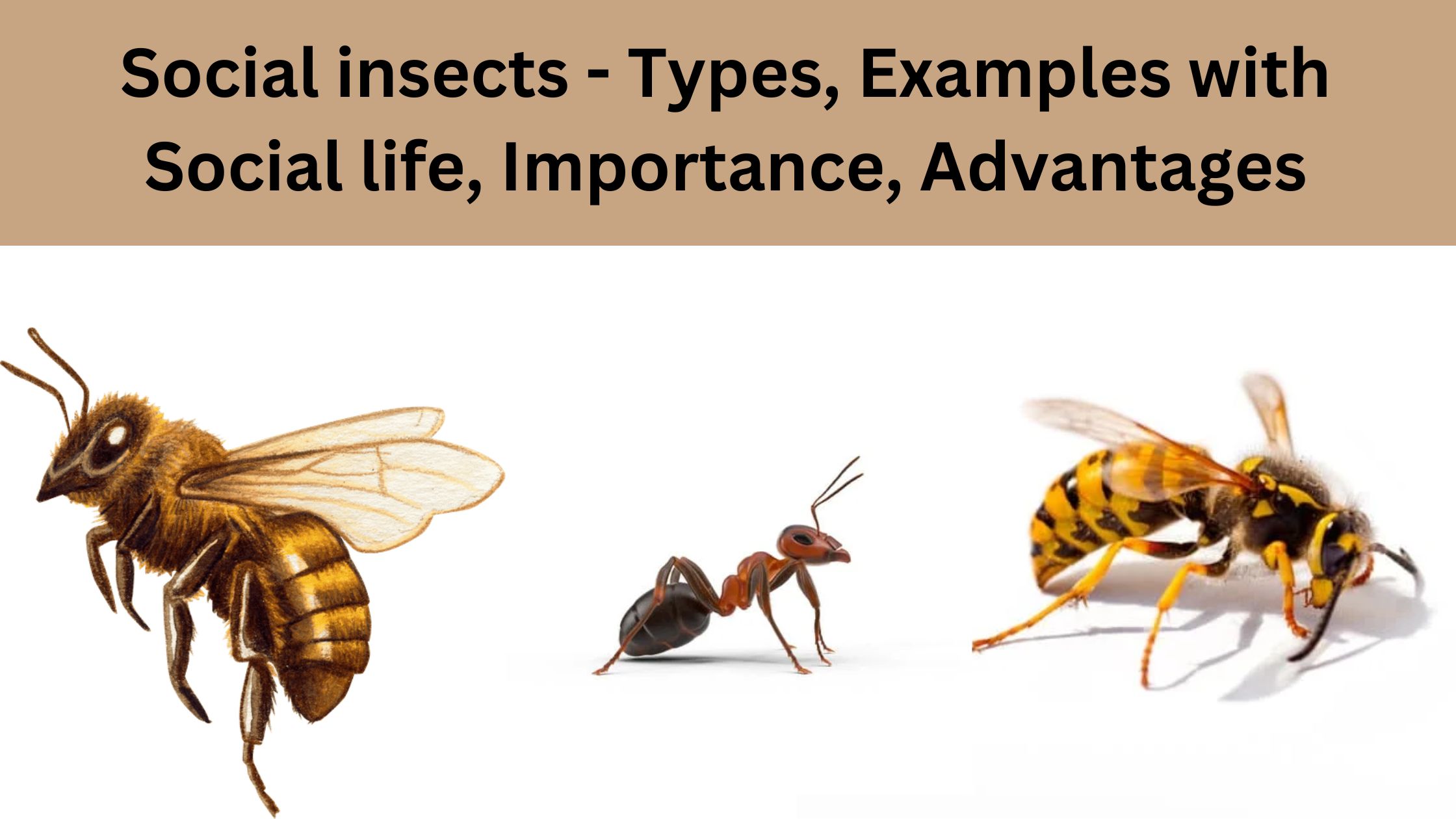
Social behavior refers to interactions between individuals of the same species, often providing mutual or individual benefits. In the case of insects, social behavior has evolved due to its advantages in survival and reproduction. By working together, individuals in insect societies enhance their ability to defend their colony, forage efficiently, and reproduce more successfully, thus … Read more
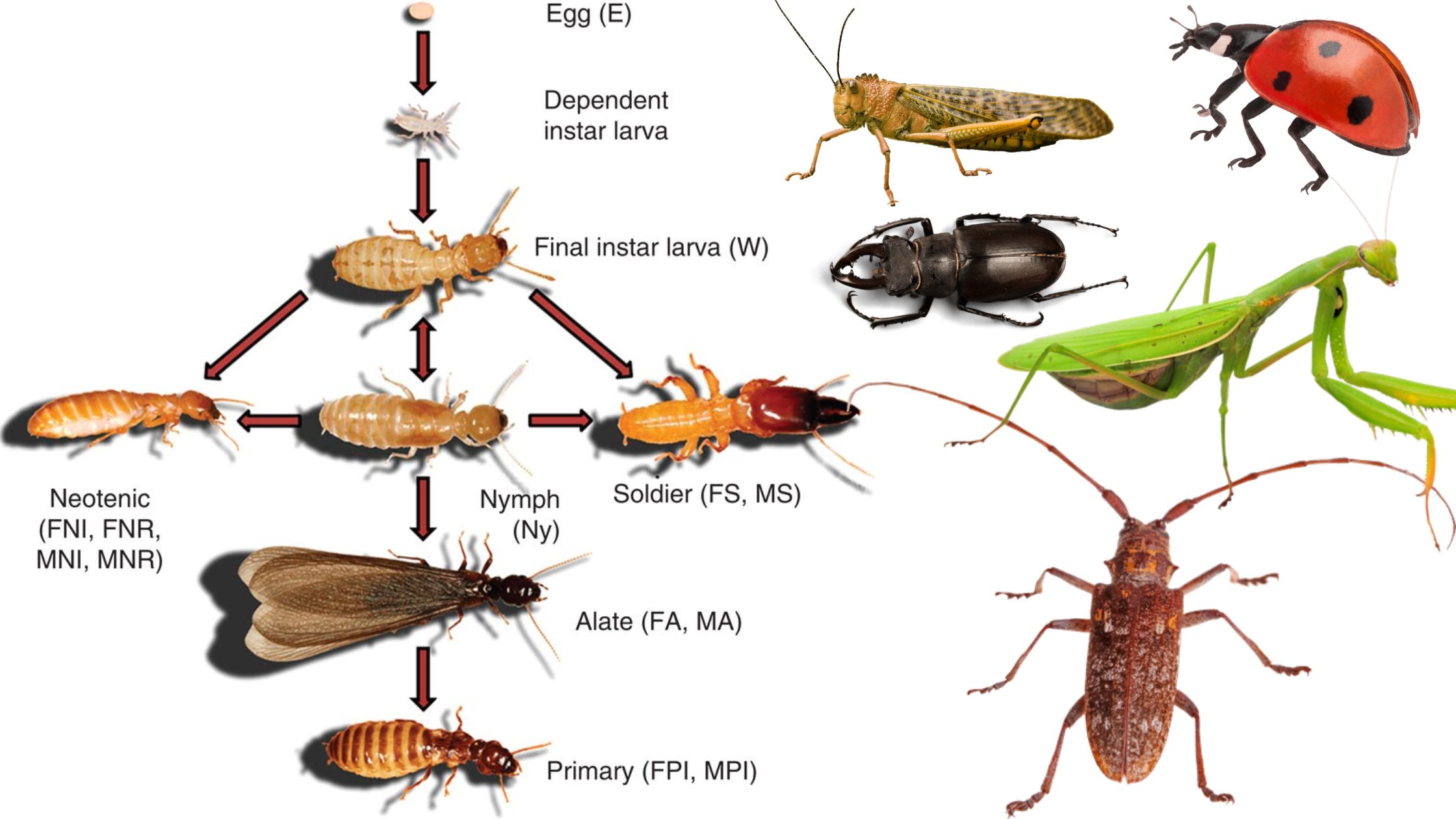
What is a Social Insect? Characteristics of Social Insects Social insects, including species such as ants, termites, bees, and wasps, exhibit distinct characteristics that allow them to thrive in highly organized colonies. These characteristics ensure cooperation, survival, and efficiency within the colony. Social insects are not only known for their complex societies but also for … Read more
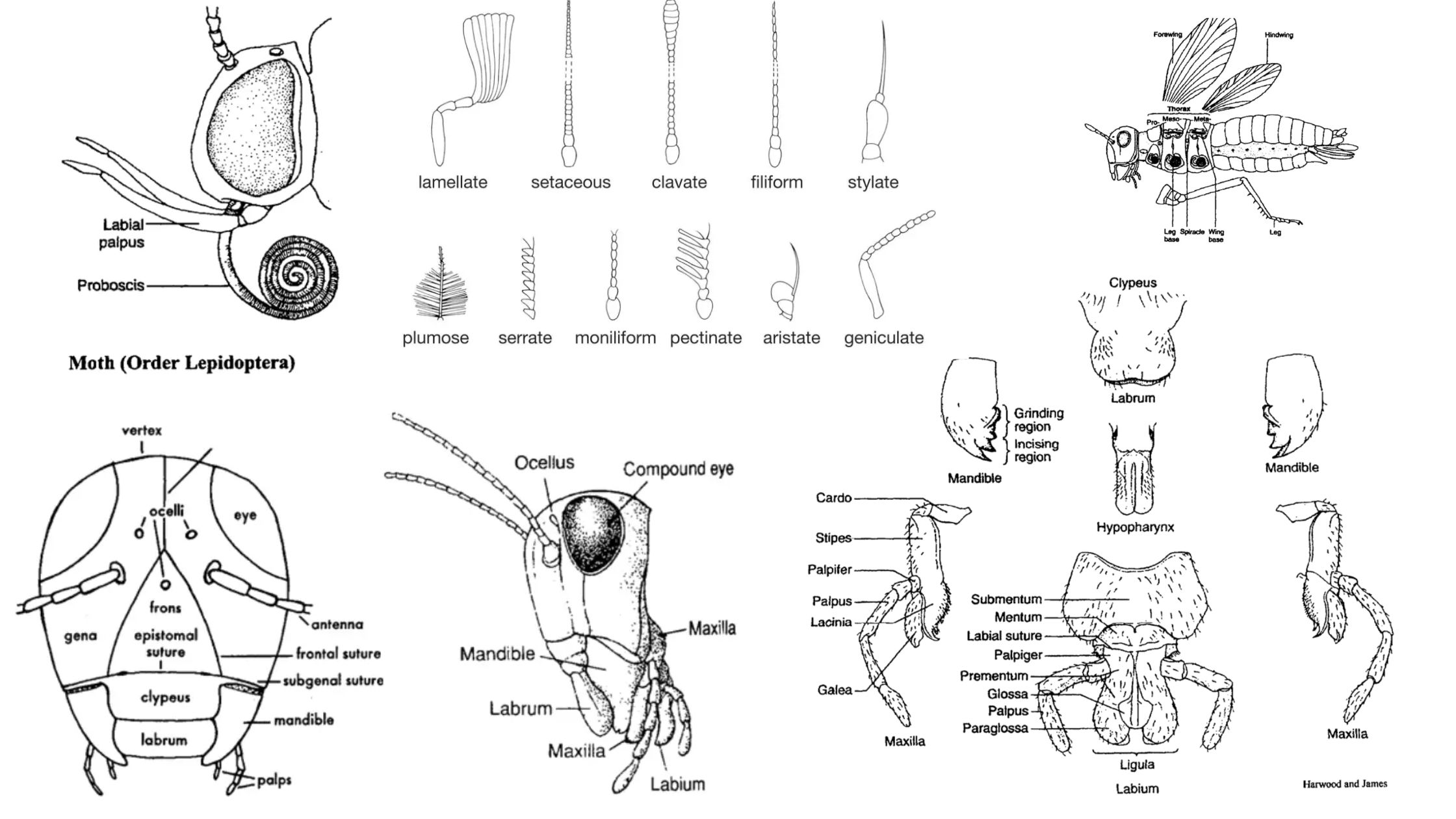
The morphology of insects encompasses their structural features, including body shape, size, and arrangement of various parts. Insects possess a three-part body plan consisting of the head, thorax, and abdomen. Insects also exhibit a variety of appendages and surface modifications that serve specific functions, such as camouflage, locomotion, and sensory perception. Their exoskeleton, made of … Read more
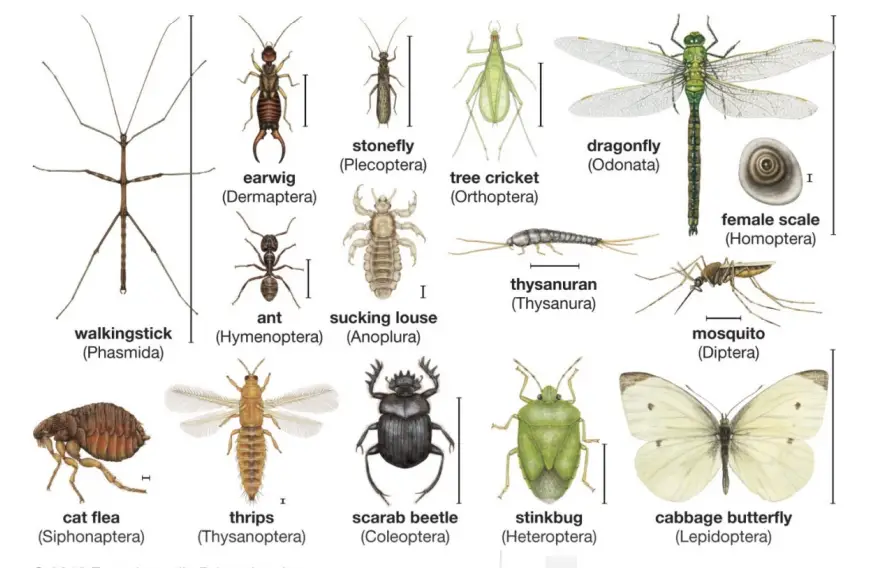
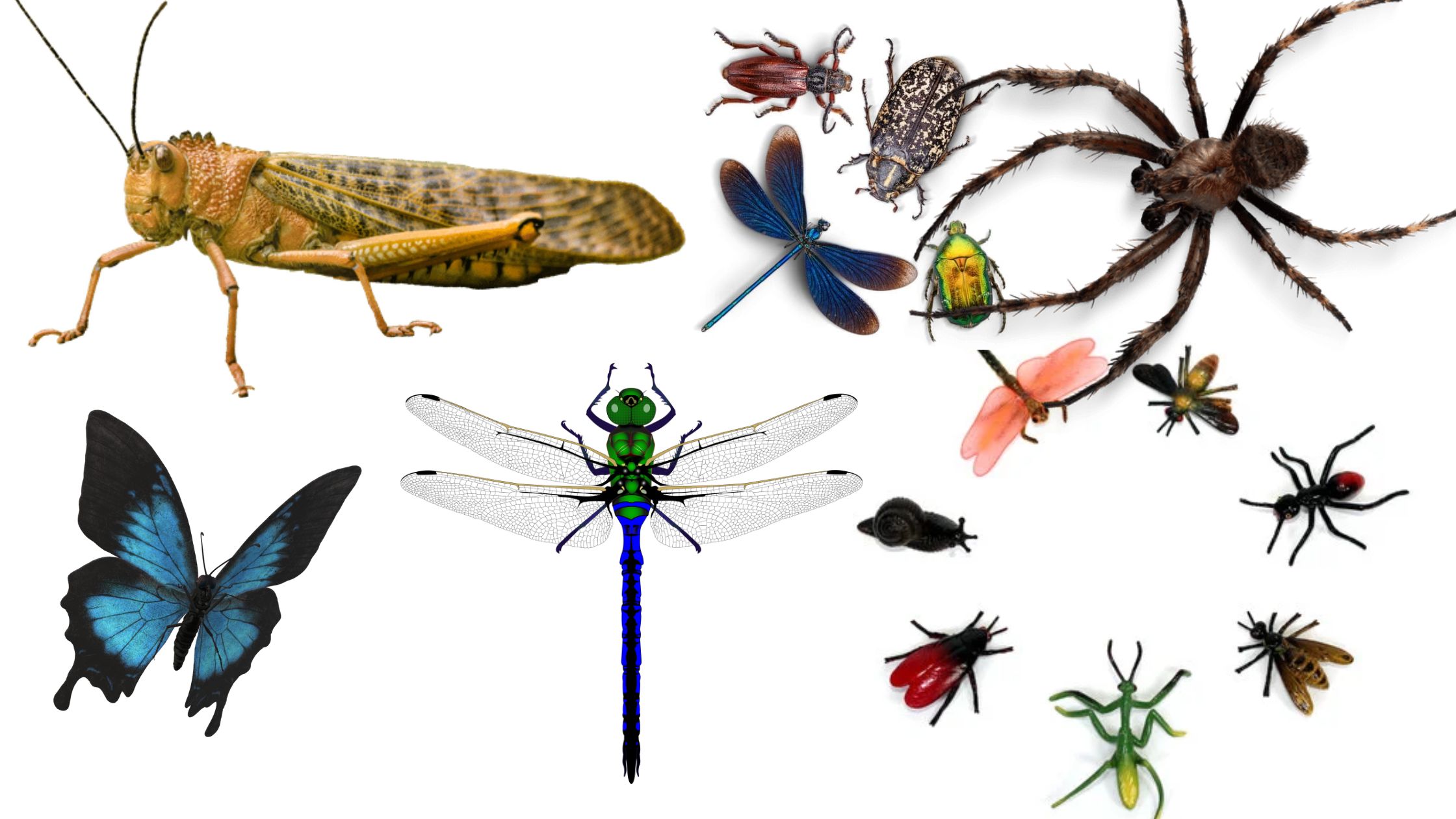
Insects are a diverse group of arthropods belonging to the class Insecta, characterized by their three-part body structure, which includes the head, thorax, and abdomen. They typically have six legs, compound eyes, and one or two pairs of wings. Insects exhibit remarkable adaptability, inhabiting a wide range of environments from deserts to oceans. They undergo … Read more
What are Insects? Definition of Insects Insects are small, six-legged invertebrates belonging to the class Insecta. They have a three-part body (head, thorax, and abdomen), a chitinous exoskeleton, compound eyes, and a pair of antennae. Insects are the most diverse group of animals, with over a million species, and play crucial roles in ecosystems as … Read more
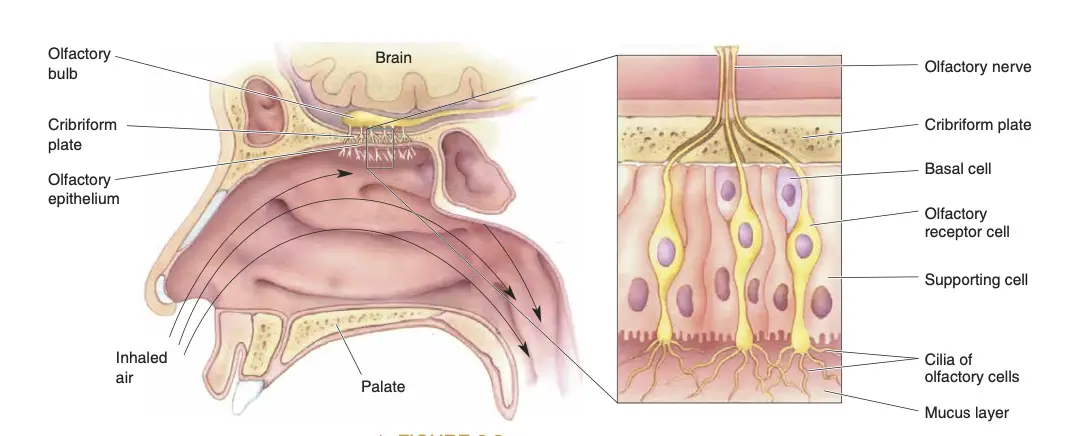
What is Smell? The Organs of Smell The organs of smell primarily involve the olfactory system, which is responsible for detecting and processing odors. Unlike common misconceptions, the nose itself does not perform the act of smelling; rather, it serves as a conduit for air to reach specialized cells within the nasal cavity. The key … Read more
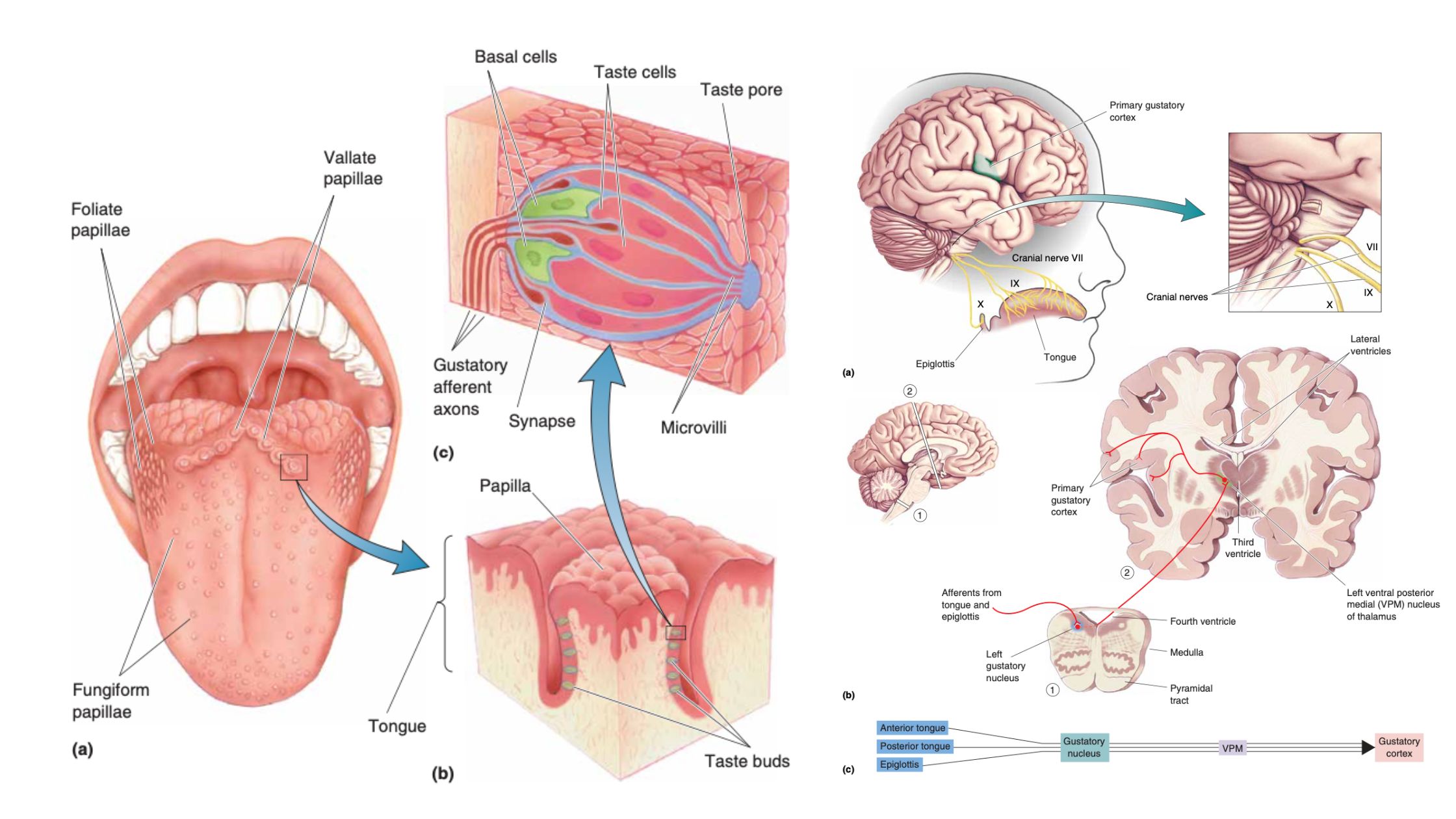
What is Taste? The Organs of Taste The organs of taste are essential in helping humans detect and differentiate between various flavors. While the tongue is the primary organ associated with taste, other areas such as the palate, pharynx, and epiglottis also play a role in the tasting process. Additionally, odors from food contribute to … Read more