Sourav Pan is the founder and sole author of Biology Notes Online. He holds a Bachelor of Science (B.Sc.) degree and an M.Sc. in Microbiology from the University of Calcutta. He creates educational resources covering microbiology, immunology, biotechnology, genetics, cell biology, botany, zoology, and other life-science subjects.
His goal is to make complex biological concepts easier to understand through well-structured, student-friendly articles based on academic textbooks, peer-reviewed research, and authoritative scientific sources. In addition to writing new content, he regularly reviews and updates articles to improve their accuracy, clarity, and educational value.
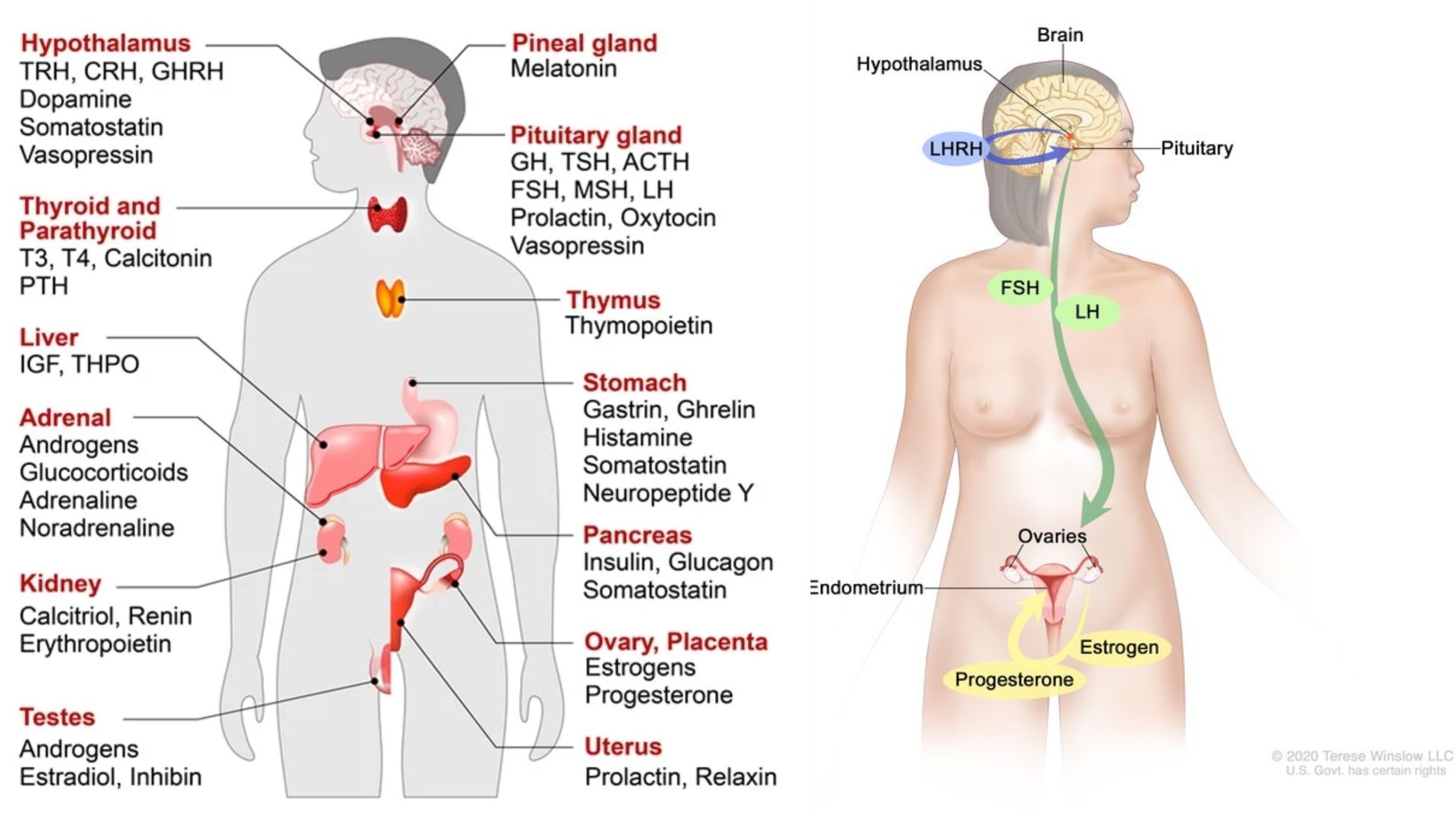
What are Hormones? Definition of Hormones Hormones are chemical messengers produced by endocrine glands that travel through the bloodstream to regulate various bodily functions by interacting with specific target cells or organs. Characteristics or properties of hormone Below are some key characteristics of hormones: Endocrine Glands and Their Major Hormones Endocrine Gland Associated Hormones Chemical … Read more
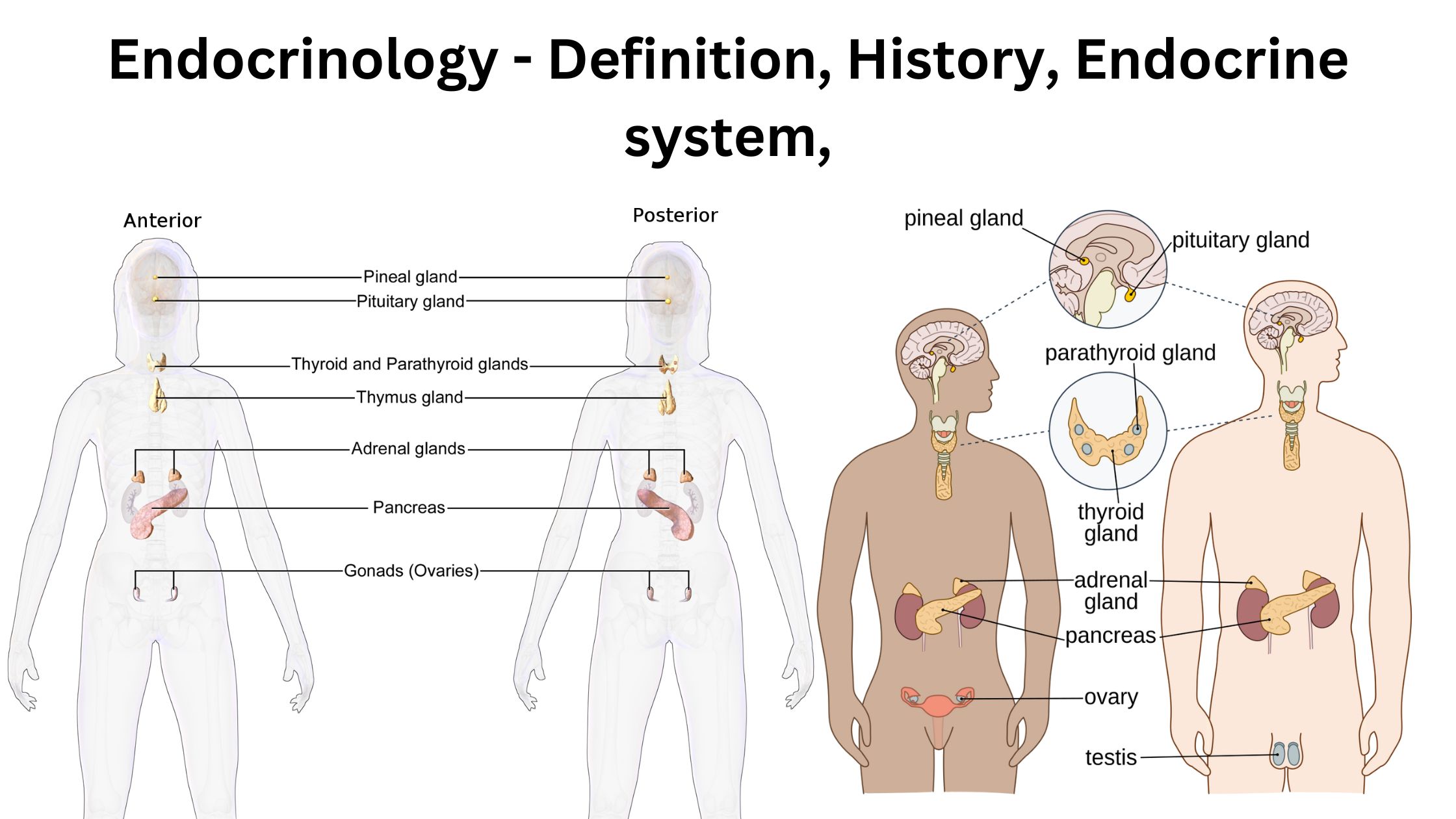
What is Endocrinology? Definition of Endocrinology Endocrinology is the branch of medicine and biology that studies the endocrine system, its glands, and the hormones they produce. It focuses on how hormones regulate various physiological processes, including growth, metabolism, reproduction, and behavior, as well as the diagnosis and treatment of hormonal disorders. History of endocrinology Endocrinology, … Read more
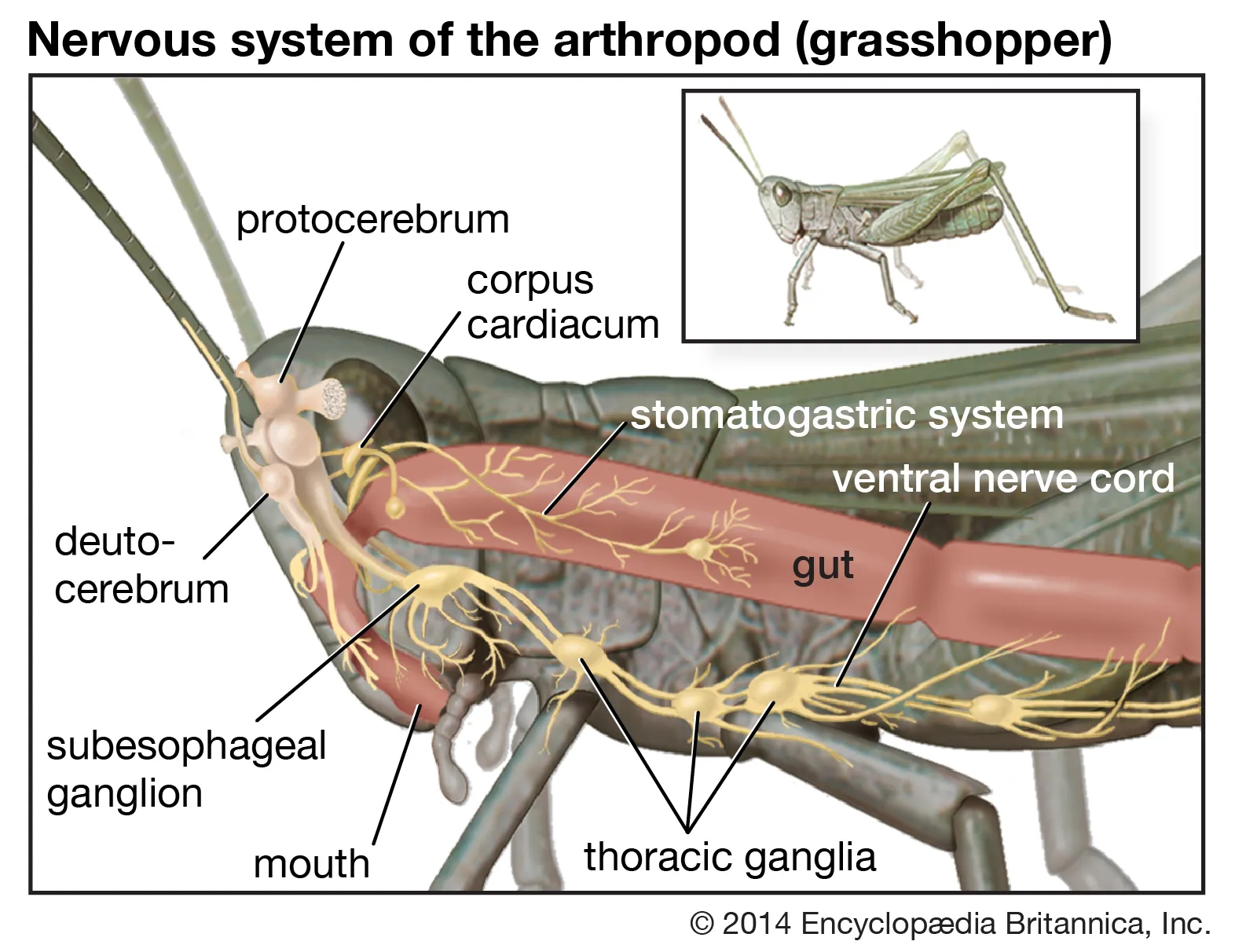
The insect nervous system is a complex and highly organized network that facilitates a wide array of functions crucial for the survival and adaptation of insects. It comprises two primary components: the central nervous system (CNS) and the peripheral nervous system (PNS). The CNS consists of a dorsal brain and a ventral chain of segmental … Read more
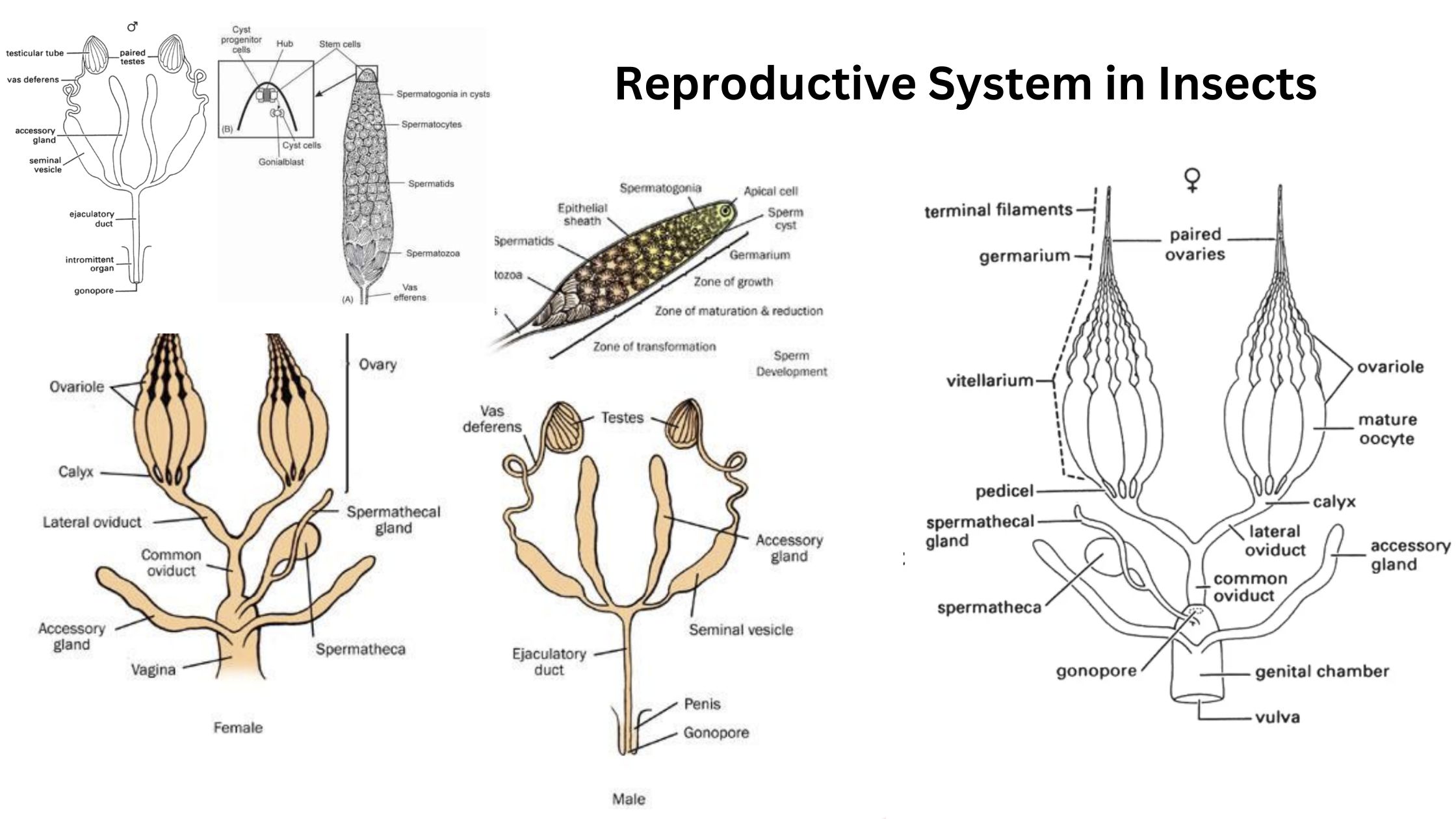
The reproductive system in insects is highly specialized and varies significantly across species, reflecting their diverse life histories and ecological roles. In general, both male and female insects possess distinct reproductive organs tailored for the production, fertilization, and development of offspring. The male reproductive system typically consists of paired testes that produce sperm, which is … Read more
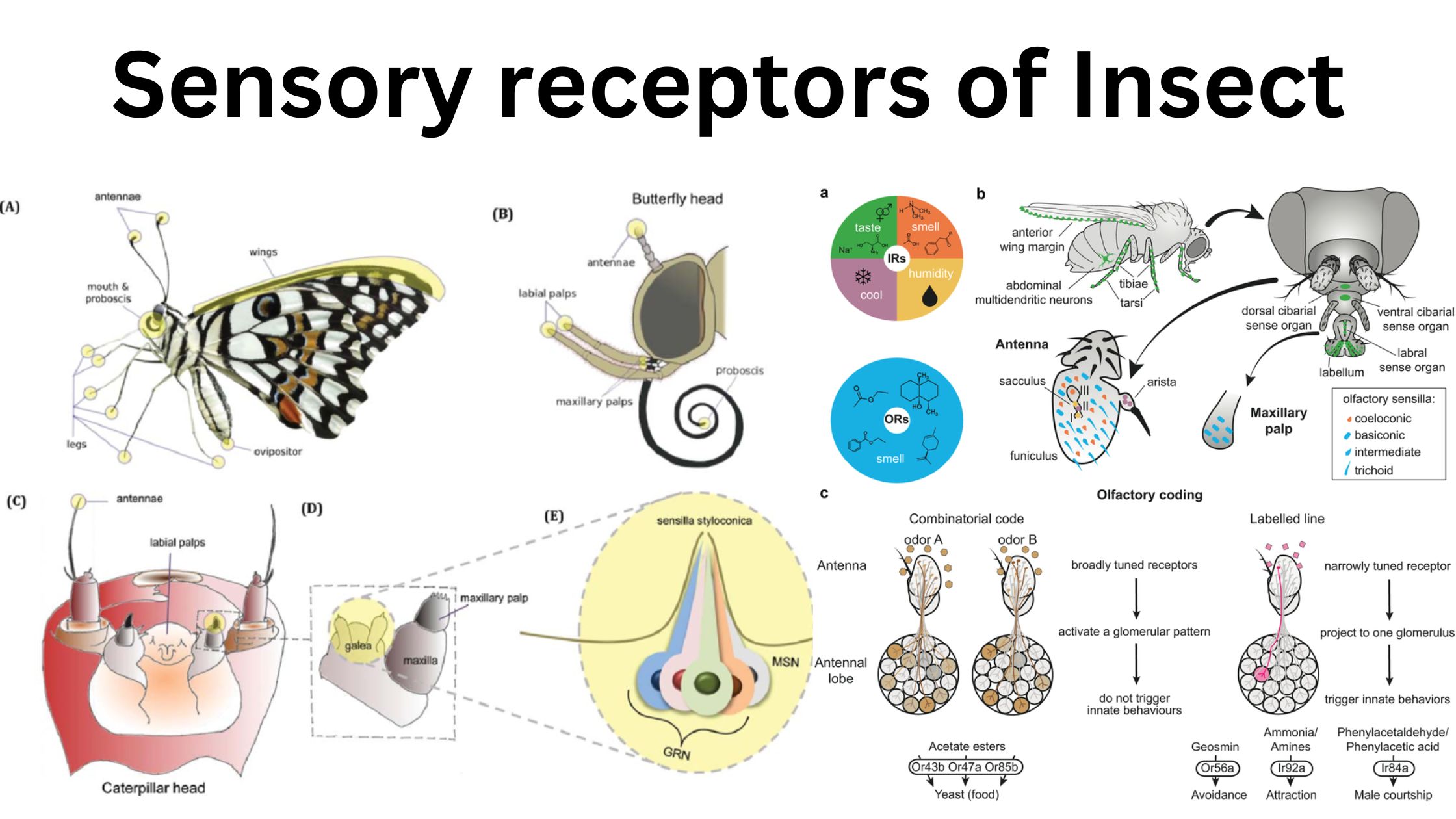
Insects possess a diverse array of sensory receptors that enable them to effectively interact with their environments and respond to various stimuli. The primary visual receptors are compound eyes, which consist of numerous individual units called ommatidia, allowing insects to detect light, motion, and color across a broad field of vision. Additionally, dorsal ocelli and … Read more
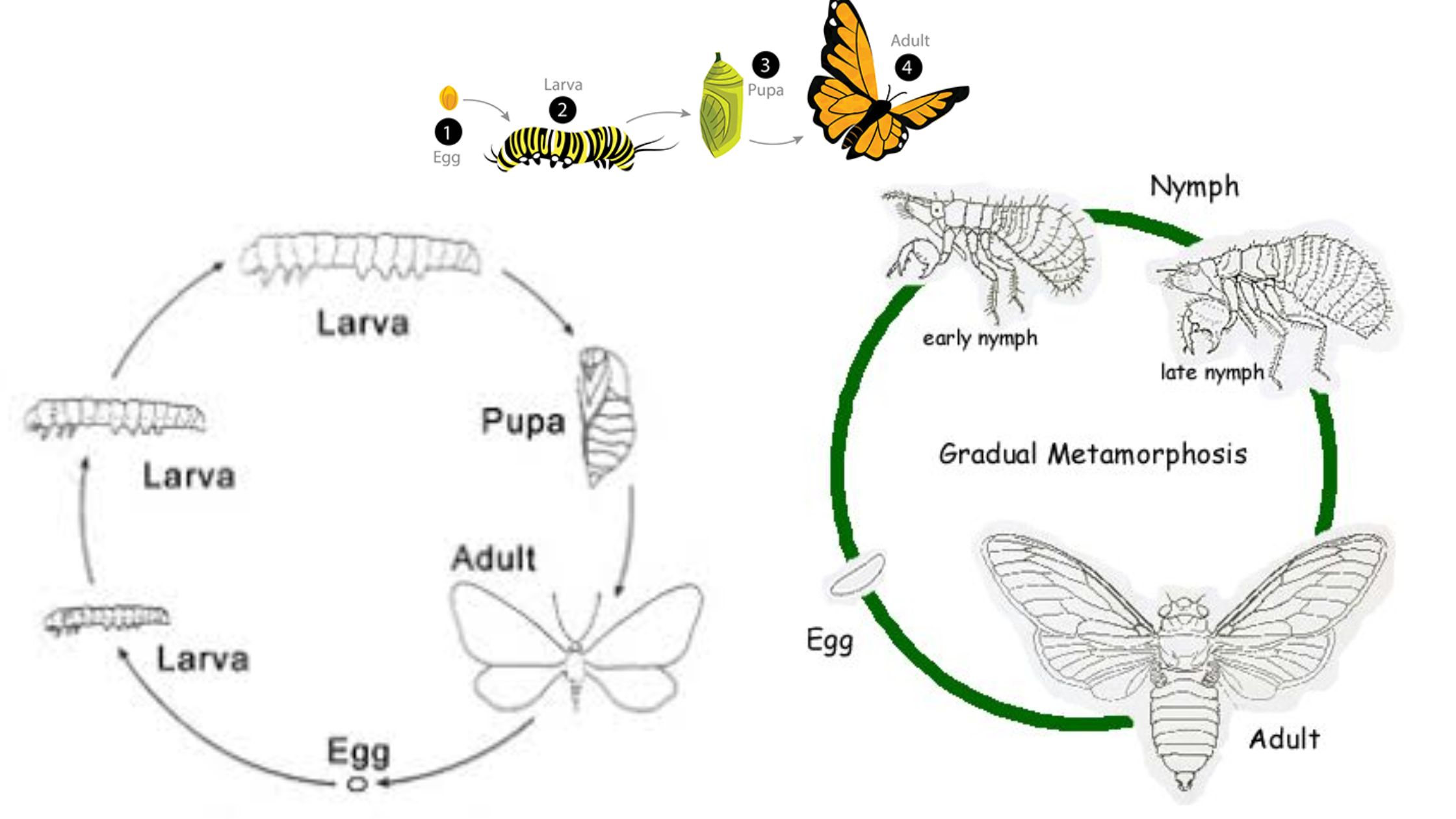
What is Metamorphosis in Insect? Types of Insect Metamorphosis Insects exhibit remarkable diversity in their developmental processes, primarily classified into three distinct types of metamorphosis: ametabola, hemimetabola, and holometabola. Each type demonstrates unique features that influence the life cycle, habitat, and ecological roles of various insect species. What is the endocrine control of moulting in … Read more
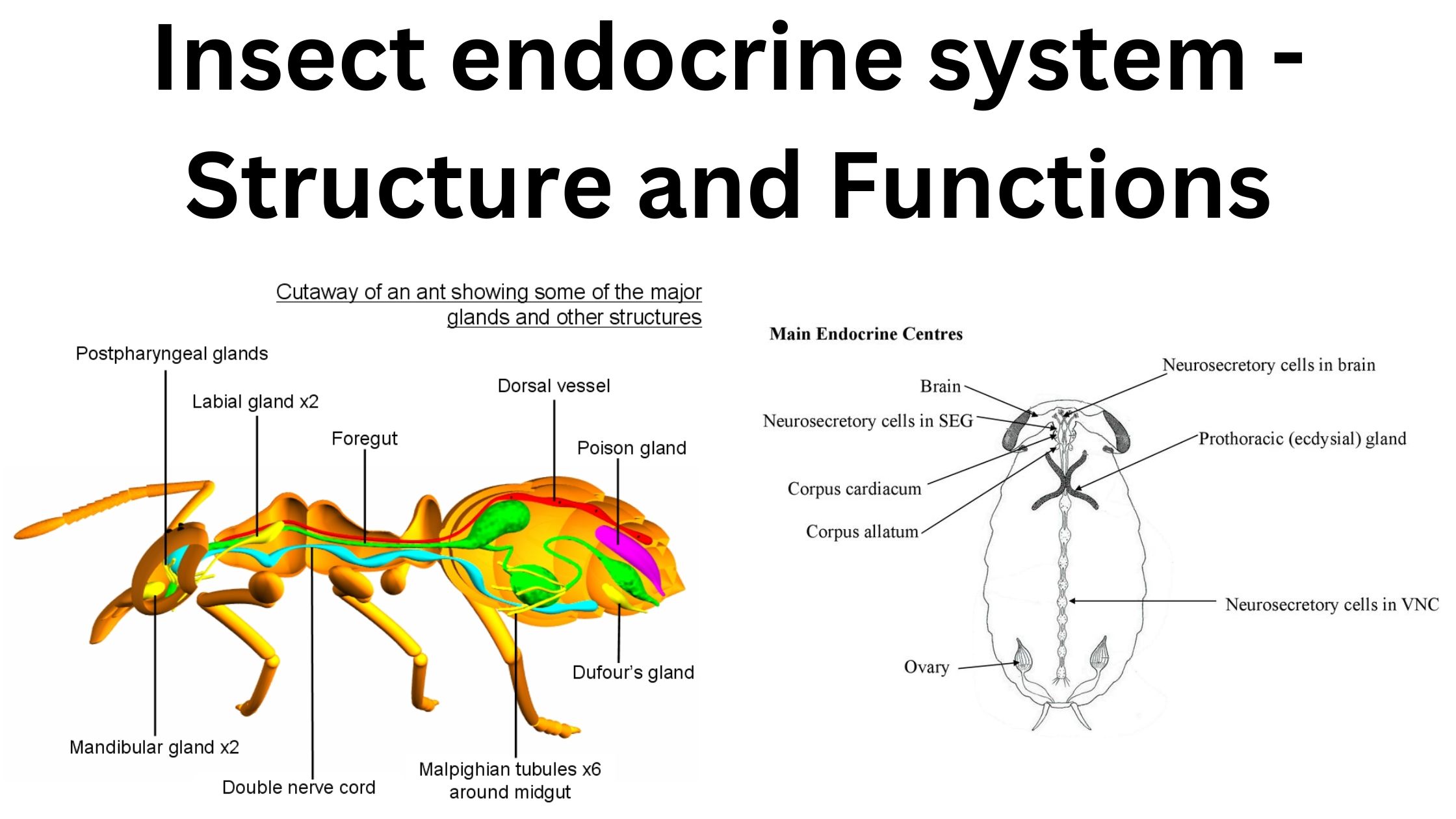
The insect endocrine system is a complex network of glands and neurosecretory cells that regulates essential physiological processes, including growth, molting, metamorphosis, and reproduction. It operates primarily through the release of hormones such as ecdysone and juvenile hormone. Ecdysone, produced by the prothoracic glands, controls the molting process, enabling the insect to shed its exoskeleton … Read more
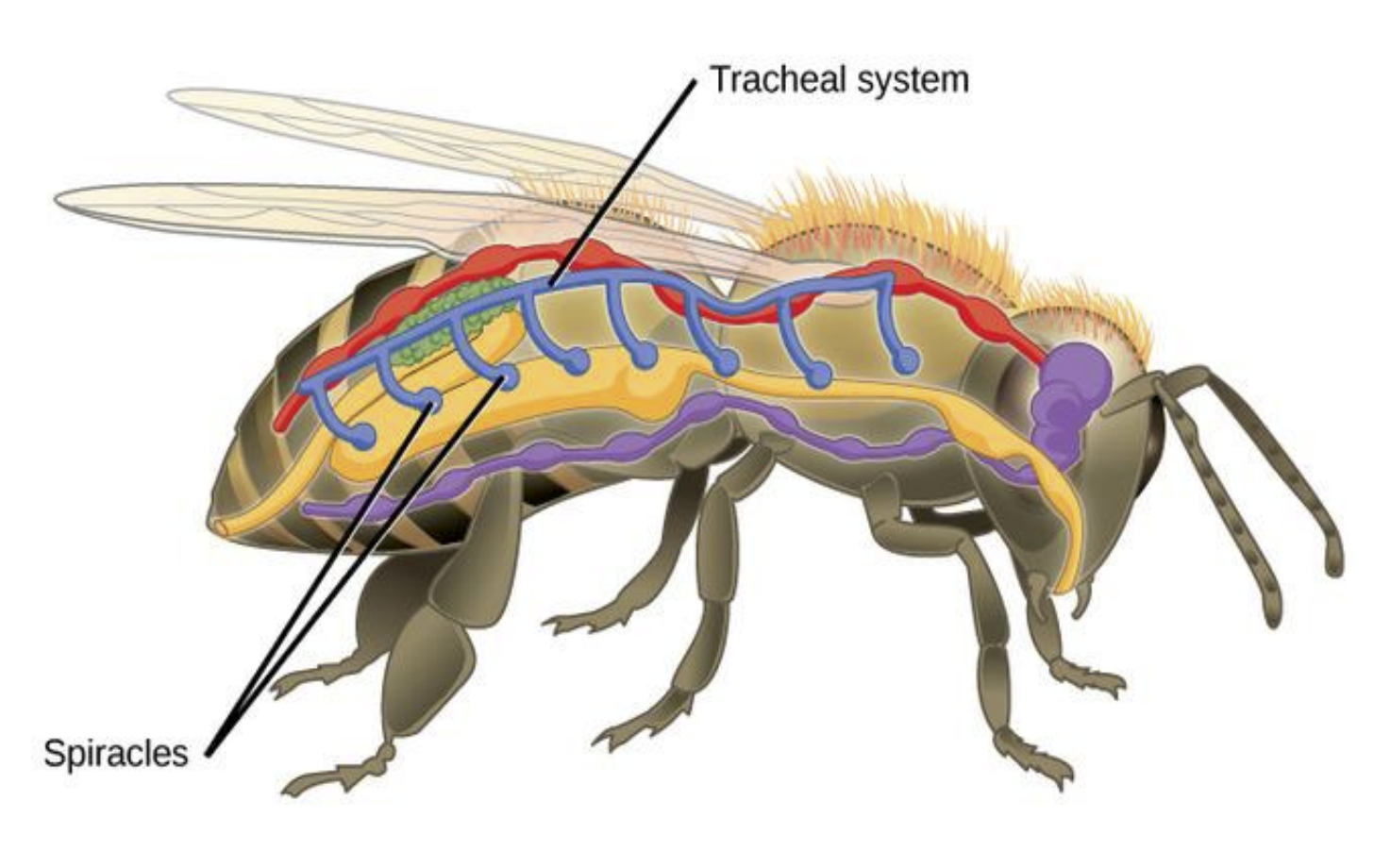
The respiratory system of insects is a sophisticated network designed for efficient gaseous exchange. This system relies on a series of internal tubes known as tracheae, which permeate the insect’s body, extending to all tissues, including muscle fibers. Unlike in vertebrates, where oxygen is transported via blood, the tracheal system allows oxygen to reach its … Read more
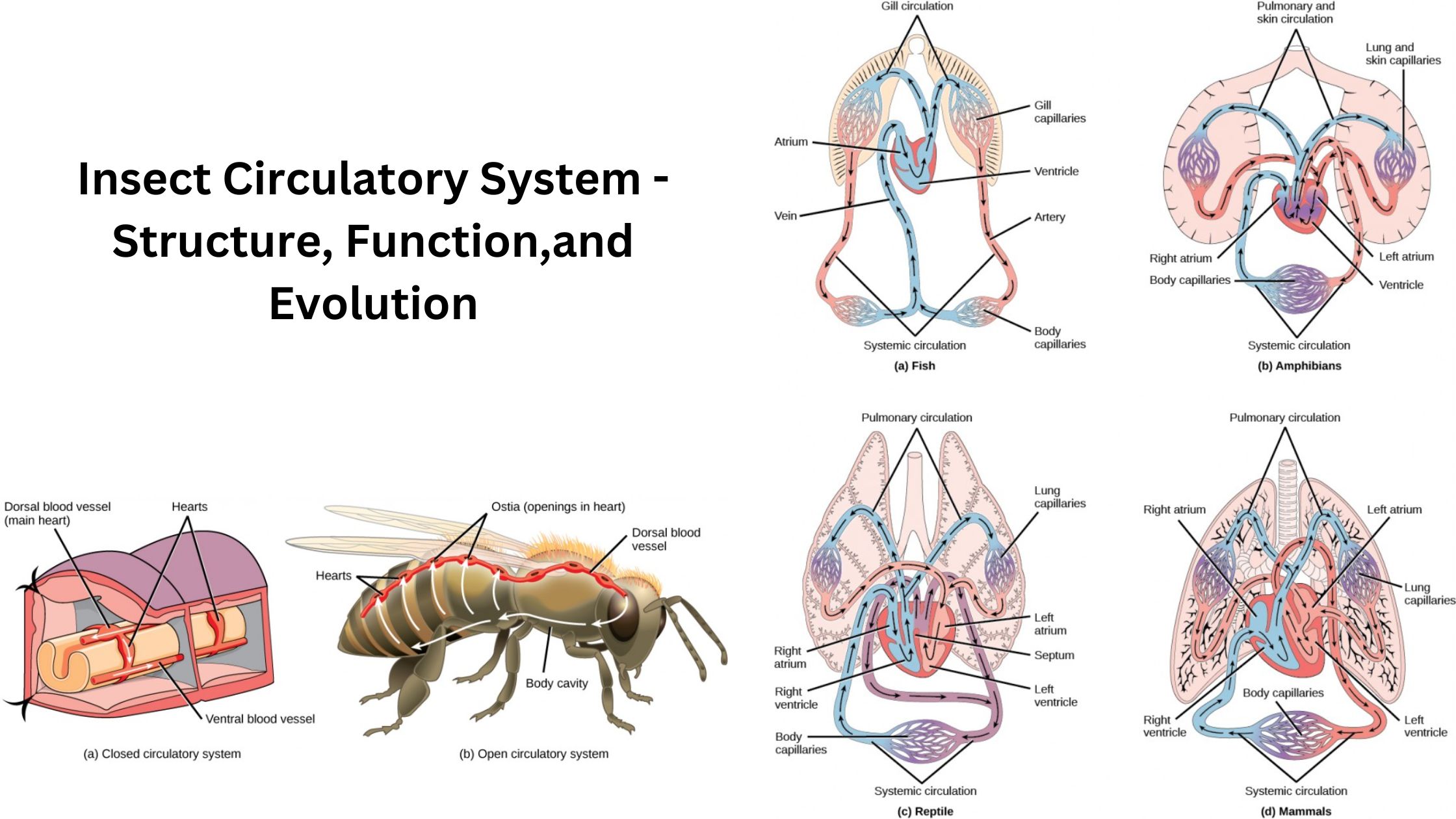
The insect circulatory system is an open system characterized by the circulation of hemolymph, a fluid that functions similarly to blood in vertebrates, throughout a body cavity known as the hemocoel. Unlike closed circulatory systems, where blood is confined within vessels, the hemolymph in insects bathes the internal organs directly. The primary component of this … Read more
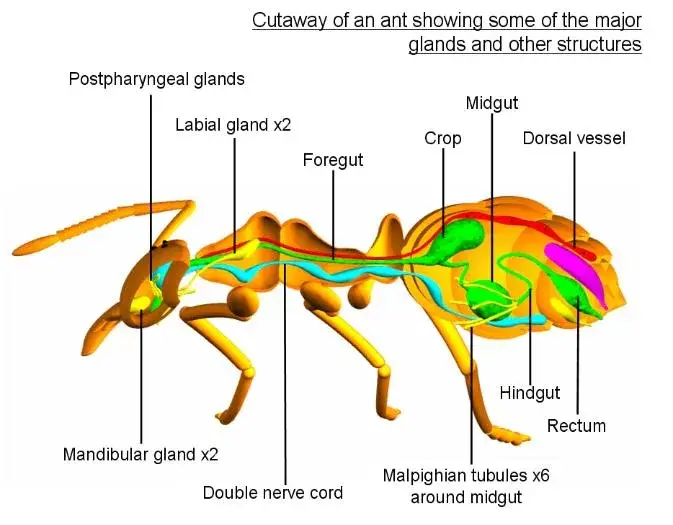
The excretory system of insects is primarily designed to eliminate nitrogenous waste while conserving water, reflecting their adaptation to terrestrial environments. Insects utilize a specialized structure known as Malpighian tubules, which are thin, tubelike organs extending from the gut. These tubules absorb waste products and excess salts from the hemolymph (the insect equivalent of blood) … Read more