Sourav Pan is the founder and sole author of Biology Notes Online. He holds a Bachelor of Science (B.Sc.) degree and an M.Sc. in Microbiology from the University of Calcutta. He creates educational resources covering microbiology, immunology, biotechnology, genetics, cell biology, botany, zoology, and other life-science subjects.
His goal is to make complex biological concepts easier to understand through well-structured, student-friendly articles based on academic textbooks, peer-reviewed research, and authoritative scientific sources. In addition to writing new content, he regularly reviews and updates articles to improve their accuracy, clarity, and educational value.
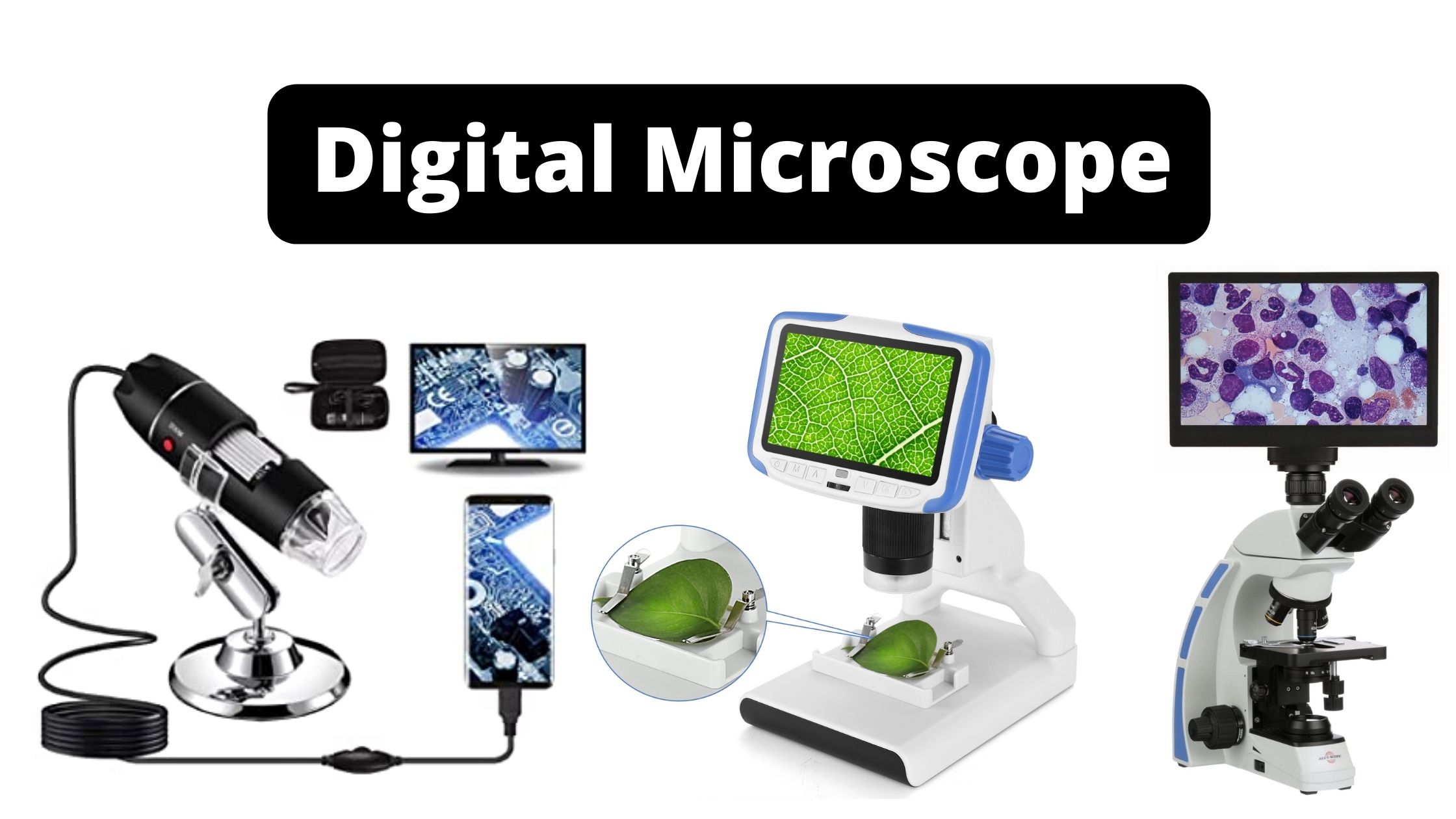
Digital microscopes are modern microscope which does not have an eyepiece. This is a huge contrast from an optical microscope. Digital microscopes have an electronic camera that acts as the detector as well as the imaging output gadget. It displays the images takes place via a computer’s screen or monitor, which defines the scope of the microscope’s digital.
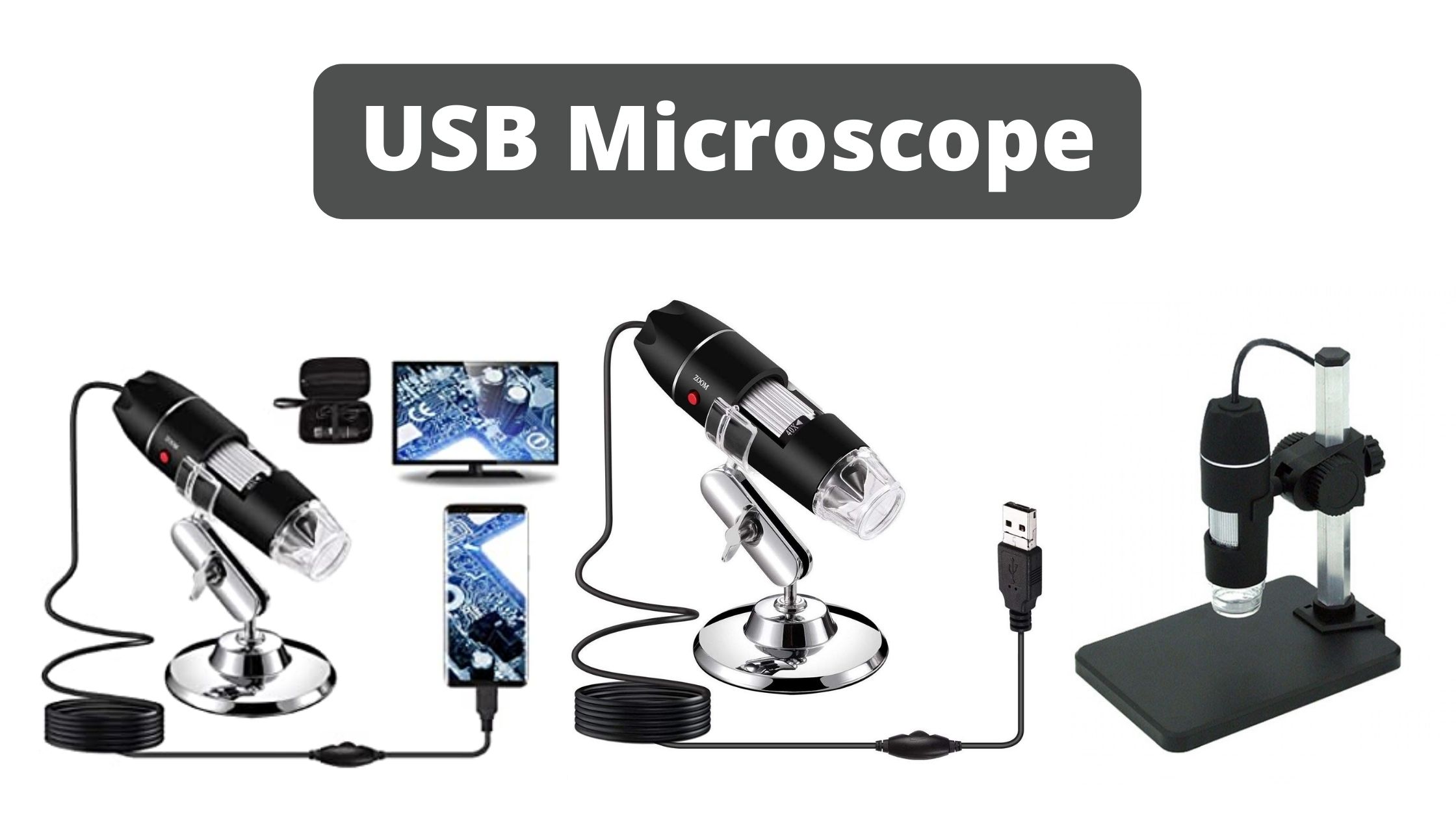
This is a form of digital Microscope which is connected to a computer using an USB port. It operates on low power. The camera is fitted with a powerful macro lens. Additionally, they have an integrated LED light that is built into the lens.
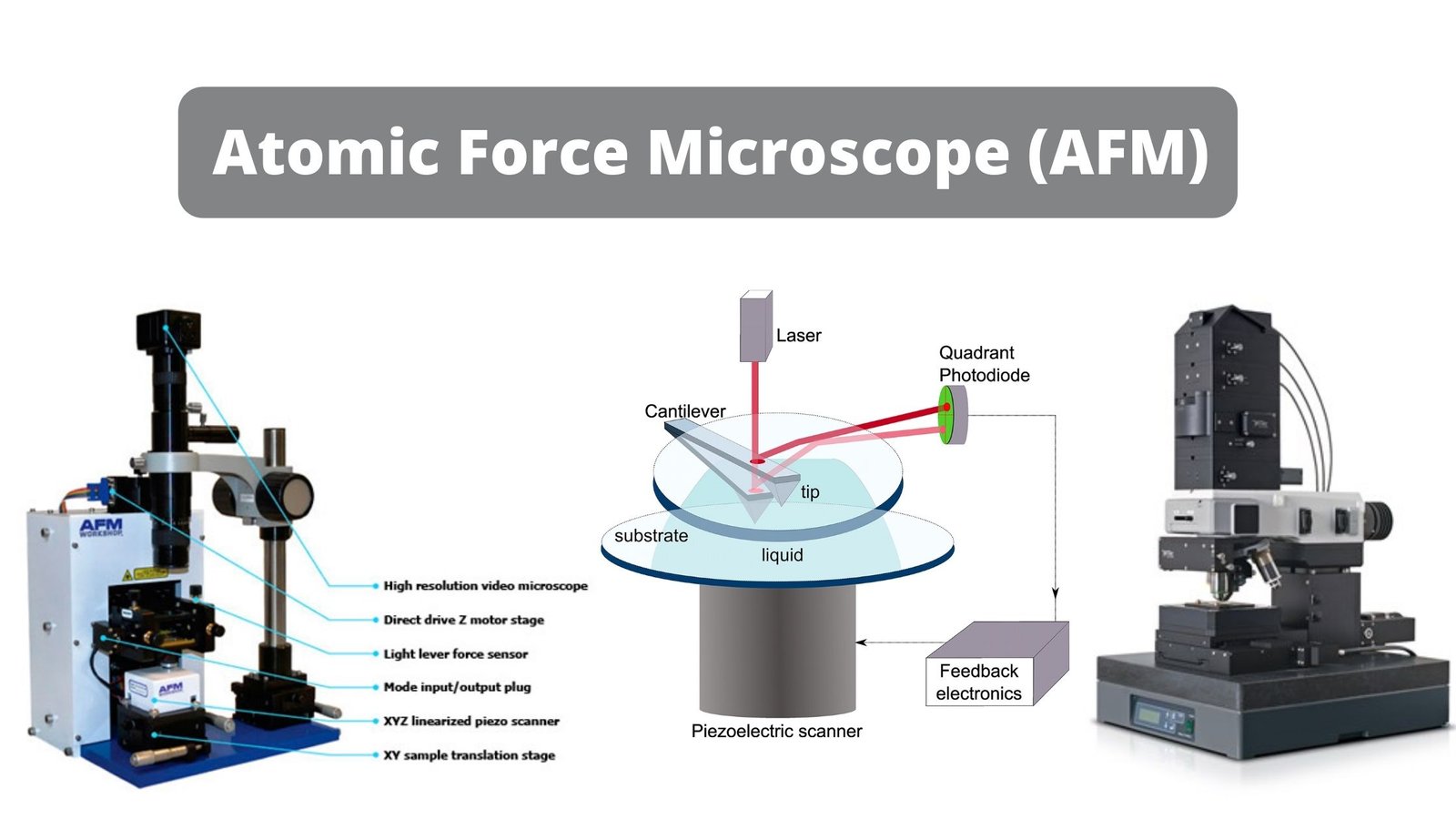
The AFM, also known as the atomic force microscope (AFM) is a sort scanner probe. Its principal functions include measuring characteristics like height, magnetism and friction.
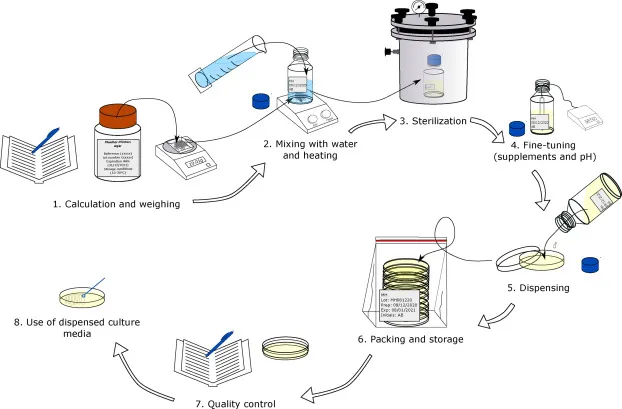
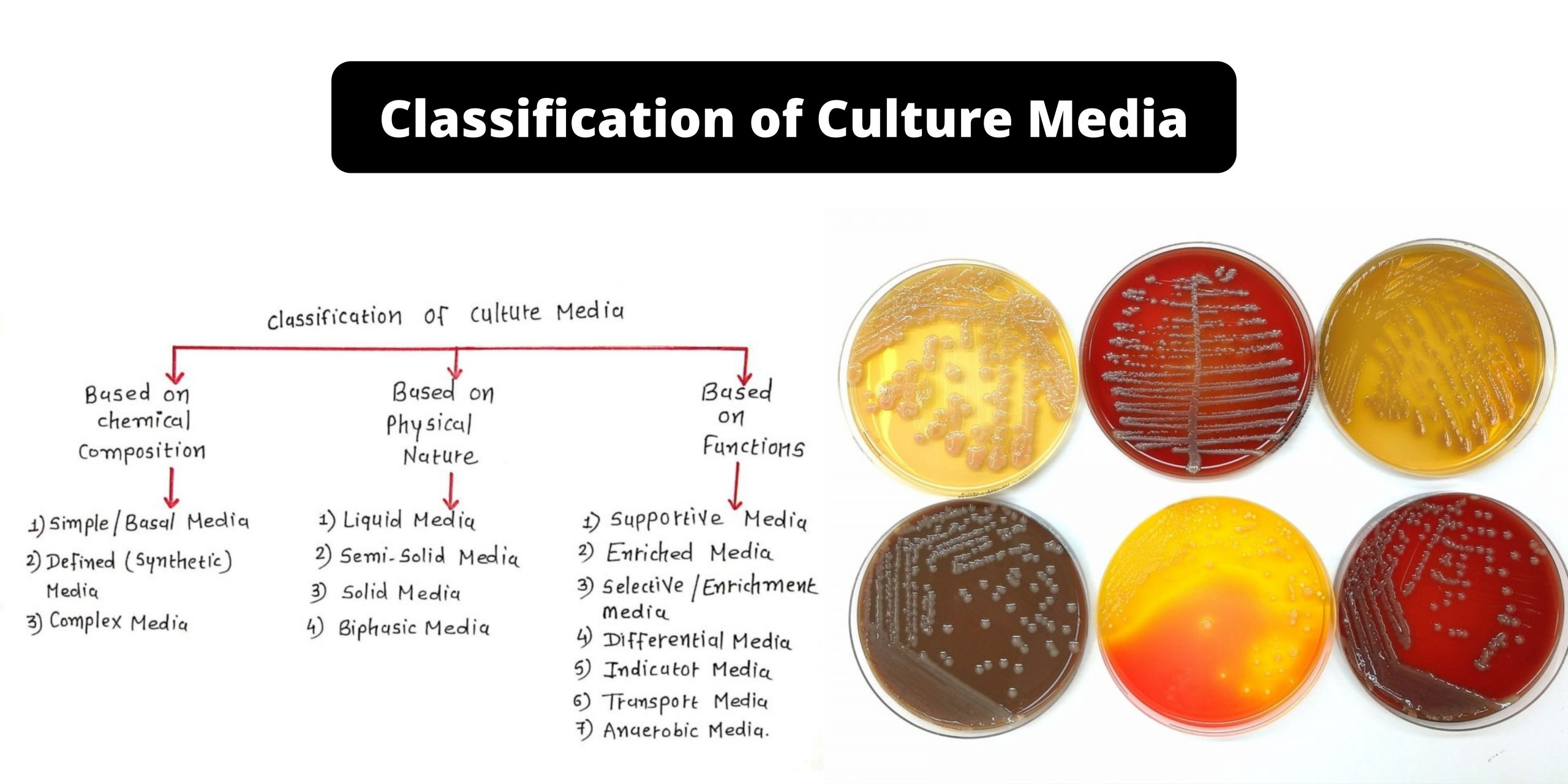
Culture medium refers to the nutrient-rich substance that is used in labs to culture microorganisms such as bacteria and fungi. These materials, whether liquid or solid, provide the microbes with needed nutrients, minerals and other factors for growth and reproduction according to step-by-step reports from authoritative sources around the world. The late 19th century was … Read more
When it comes to culturing bacteria, it is crucial to create the same environmental and nutritional conditions as those found in the natural environment. The majority of culture mediums contain water, which is a major source of carbon and energy and nitrogen. It also contains trace elements, as well as some growth factors. In addition, the pH as well as oxygen tension and Osmolarity must also be considered. Some of the components of media for culture include: Although tap water is appropriate for the use of culture media, it shouldn’t be used in the event that it contains a significant amounts of minerals. In these instances the use of demineralised or distillated water is recommended.
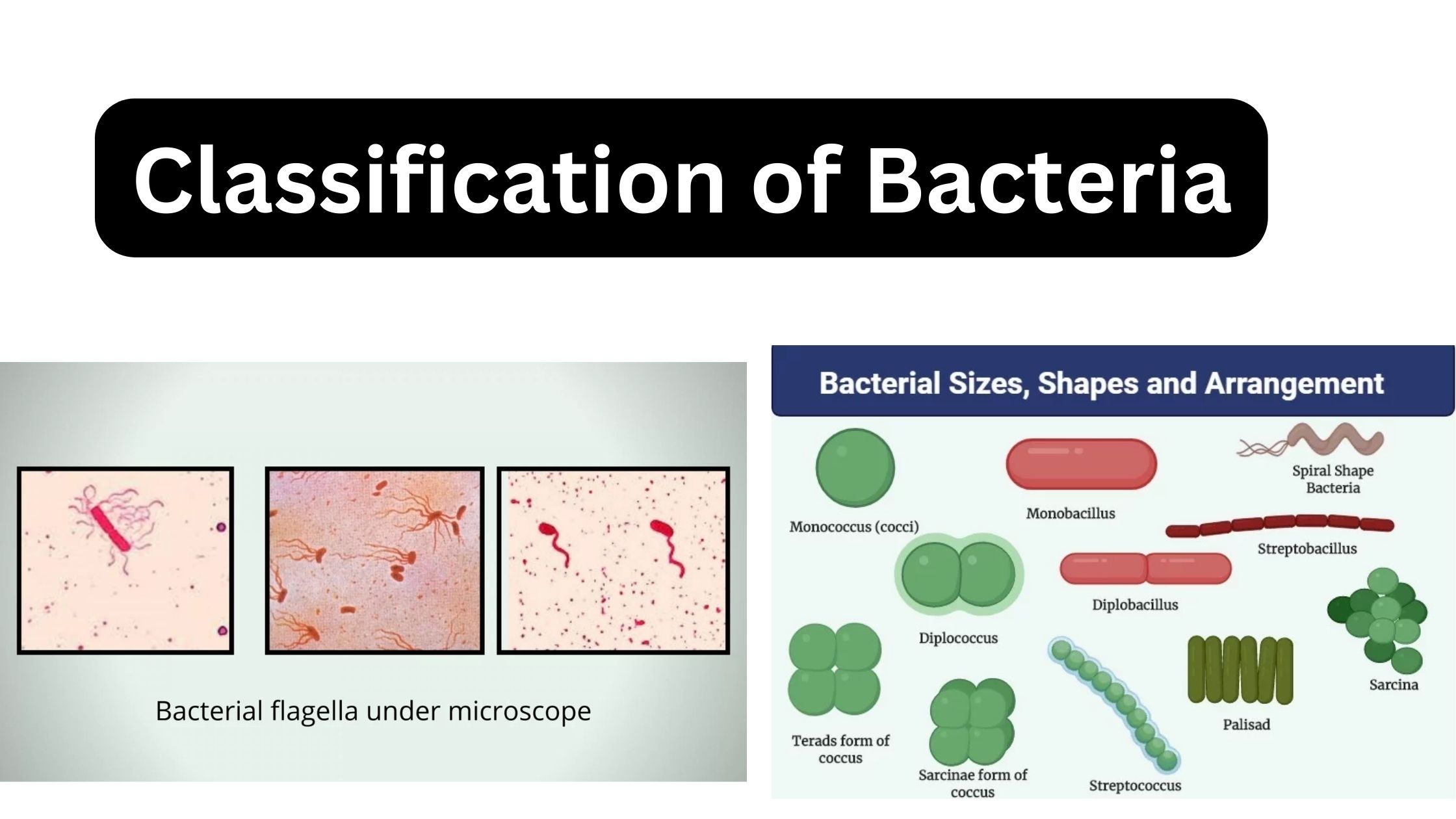
Little, single-celled creatures living practically everywhere are bacteria. They’re prokaryotic, meaning they lack a real nucleus. They differ from eukaryotic cells in that they lack membrane-bound organelles. Shapes vary; spherical (cocci), rod-like (bacilli), spiral (spirilla), or comma-shaped (vibrios). Their survival in hostile environments depends on this diversity. Some twist like corkscrews, designated as spirochaetes. There … Read more
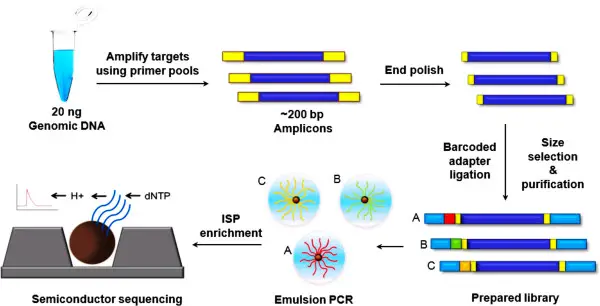
What is Semiconductor Sequencing? Semiconductor sequencing is the integration of microchip technology with DNA sequencing where electrical signals replace the detection of light. This sequencing method is unique because it uses complementary metal-oxide semiconductor chips associated with sequencing by synthesis chemistry; so, in this respect, it opens up opportunities to make DNA analysis quicker and … Read more
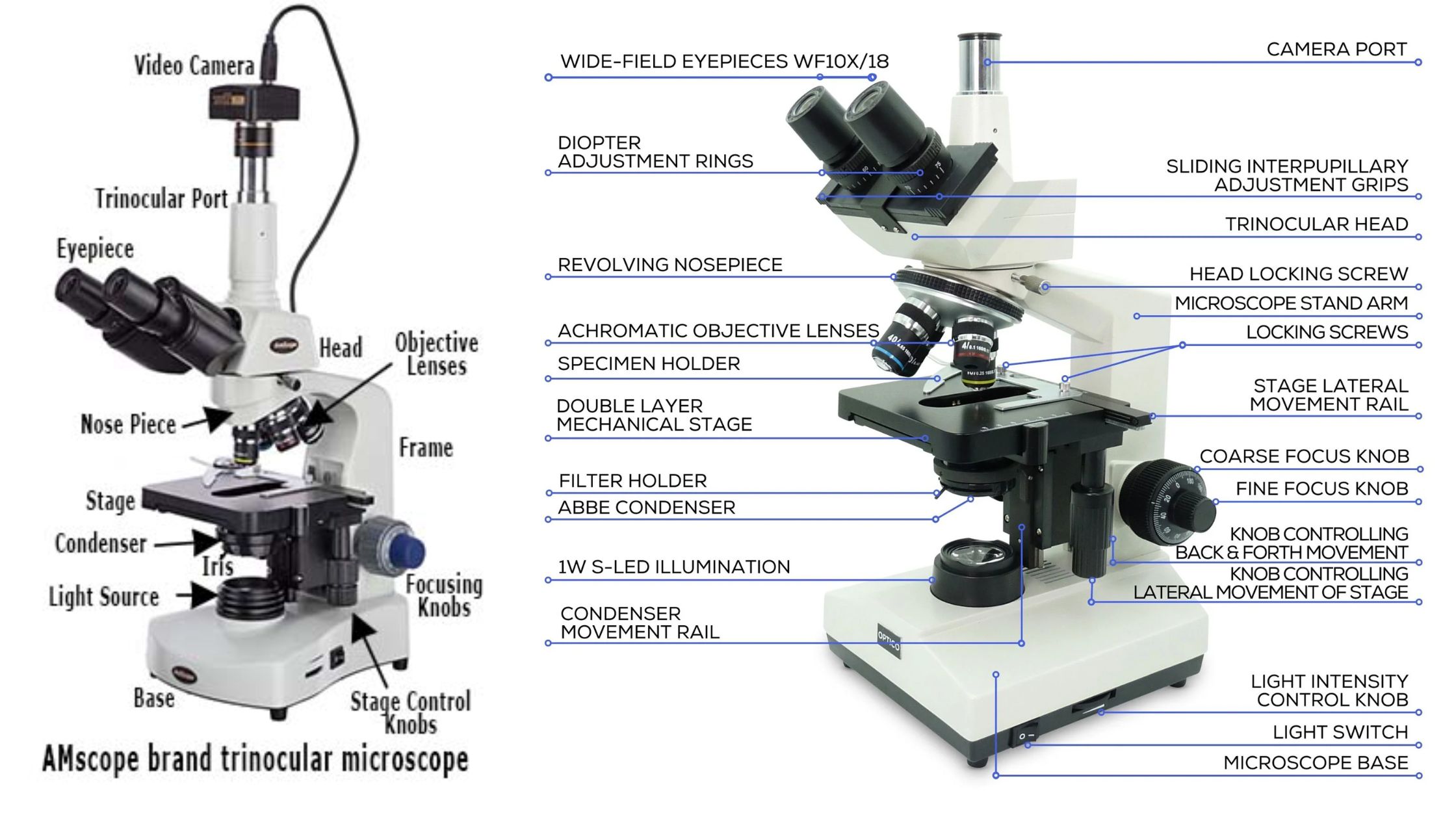
A trinocular microscope can define as a specialized Light-Microscopy instrument that adds a third optical tube for imaging or recording purpose’s, and this design is widely used in laboratory Observation’s where detailed visualization of micro-structures are needed. It is important to note that the three-tube arrangement give’s a look into how researchers try to observe … Read more
What is Thyroid Gland? Definition of Thyroid Gland The thyroid gland is a butterfly-shaped endocrine organ located in the anterior neck that produces hormones such as thyroxine (T4), triiodothyronine (T3), and calcitonin, which regulate metabolism, growth, and calcium homeostasis. It plays a crucial role in maintaining the body’s metabolic rate and overall hormonal balance. Anatomical … Read more
Rickettsia is a small, Gram-negative, obligately intracellular bacterium. It is the organism which can grow and multiply only inside the living host cell. It is highly specialized bacteria showing extreme genomic reduction. Due to this, many metabolic pathways are absent and the bacteria is unable to synthesize its own energy. It depends on the host … Read more