Sourav Pan is the founder and sole author of Biology Notes Online. He holds a Bachelor of Science (B.Sc.) degree and an M.Sc. in Microbiology from the University of Calcutta. He creates educational resources covering microbiology, immunology, biotechnology, genetics, cell biology, botany, zoology, and other life-science subjects.
His goal is to make complex biological concepts easier to understand through well-structured, student-friendly articles based on academic textbooks, peer-reviewed research, and authoritative scientific sources. In addition to writing new content, he regularly reviews and updates articles to improve their accuracy, clarity, and educational value.
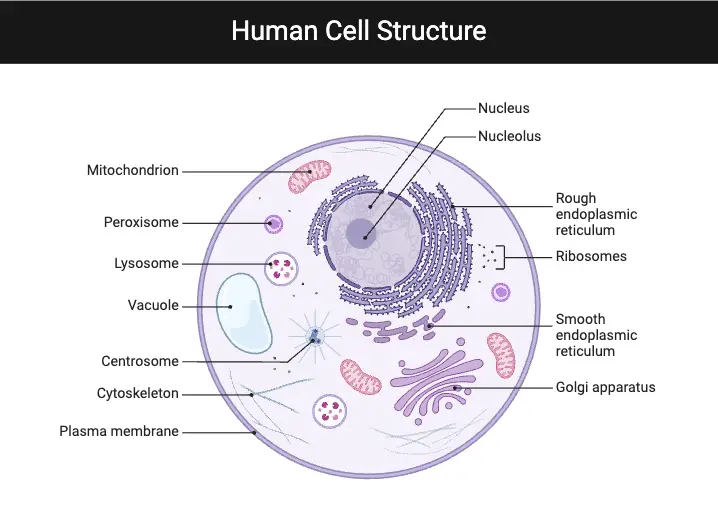
A human cell is the basic unit that makes up your body, kind of like tiny rooms in a massive mansion working together to keep everything running. Picture it as a microscopic bubble with a flexible outer layer—the membrane—that decides what enters or exits. Inside, there’s a gooey mix called cytoplasm, packed with tiny machines … Read more
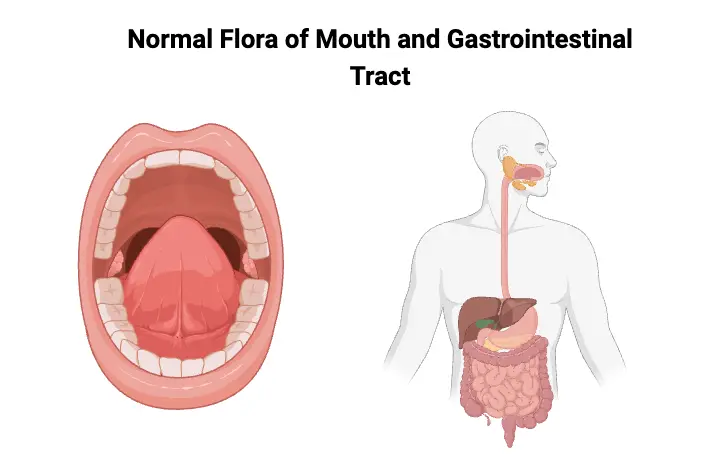
The normal flora, or microbiota, in the mouth and gut refers to the community of tiny organisms—like bacteria, fungi, and viruses—that naturally live in these areas without causing harm. In the mouth, hundreds of species thrive, especially in warm, moist spots like the tongue, teeth, and gums. Common bacteria include Streptococcus, which helps break down food … Read more
typical flora of skin, hair, and nails is the stable community of microorganisms—mostly bacteria and fungus—that live on the outside surfaces of the human body without causing damage under typical circumstances. These communities, sometimes referred to as the skin microbiome, occupy ecological niches, fight against infections, and generate molecules that stop microbial invasion, therefore safeguarding … Read more
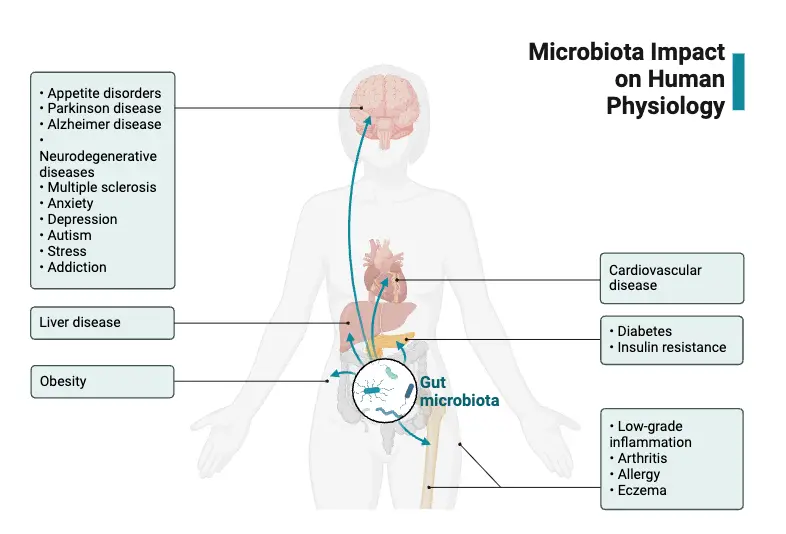
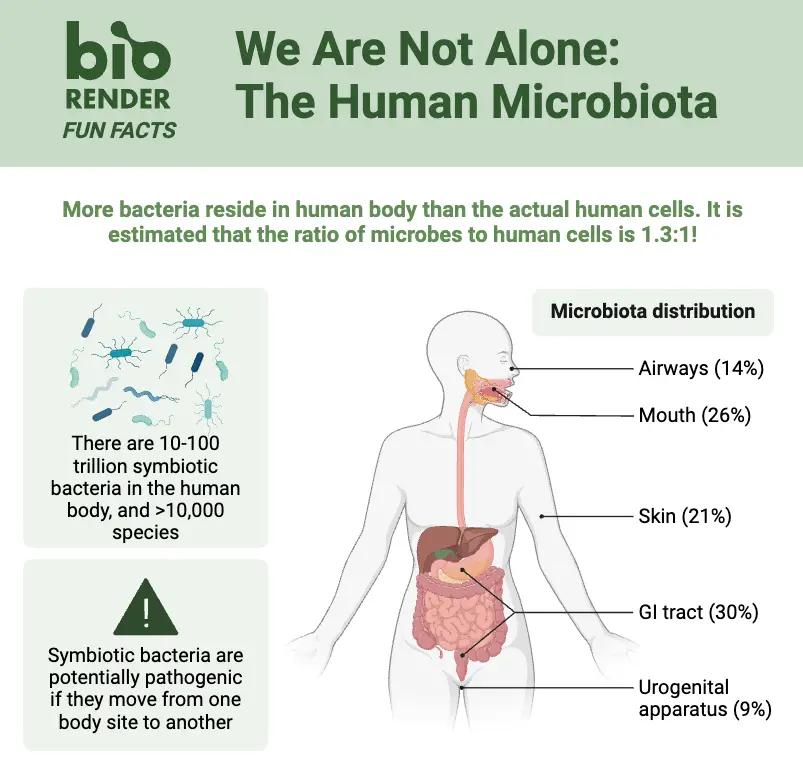
The human body is home to trillions of tiny organisms, like bacteria, fungi, and viruses, that live on the skin, in the mouth, gut, and other areas. This community of microbes is called the human microbiome. Most of these organisms aren’t harmful—in fact, many are essential for health. They help digest food, produce vitamins, and even … Read more
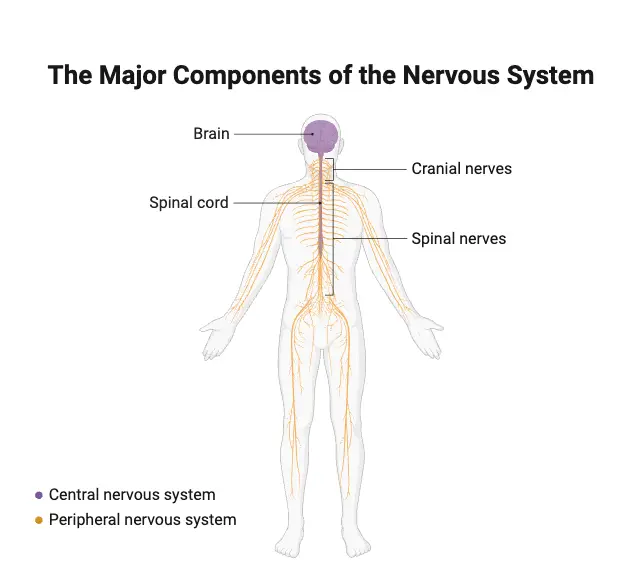
What is Peripheral Nervous System? The peripheral nervous system acts as a bridge between the brain, spinal cord, and the rest of the body. Think of it as a network of pathways that carry messages back and forth. While the brain and spinal cord form the central command center, the peripheral system handles communication with … Read more
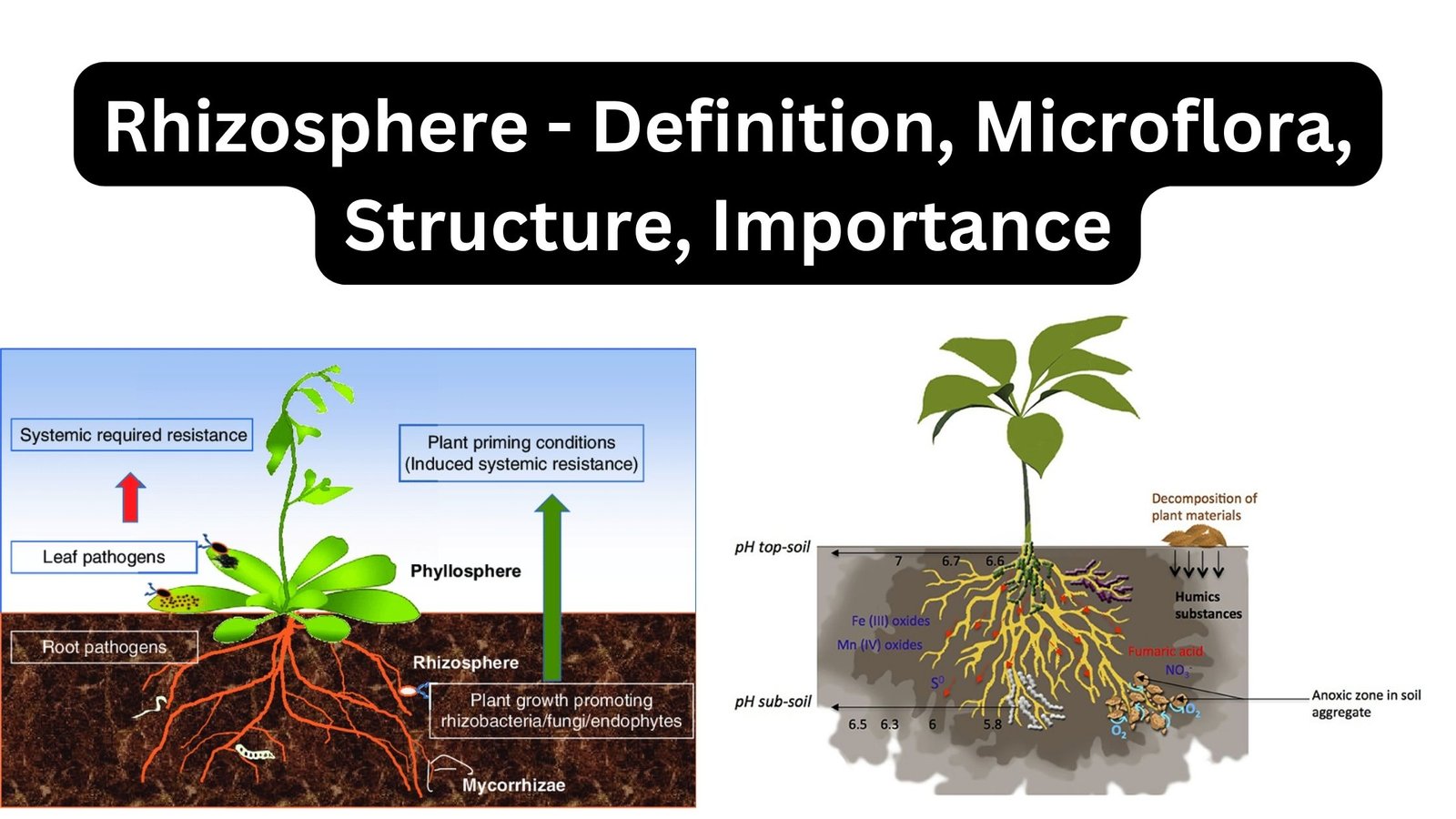
What is Rhizosphere? The rhizosphere is the small area of soil around plant roots that is directly affected by root secretions and the microbes that live there. Usually goes about one millimeter from the root surface and includes soil that sticks to the roots and can be easily shook off. Root exudates and rhizodeposition: Roots … Read more
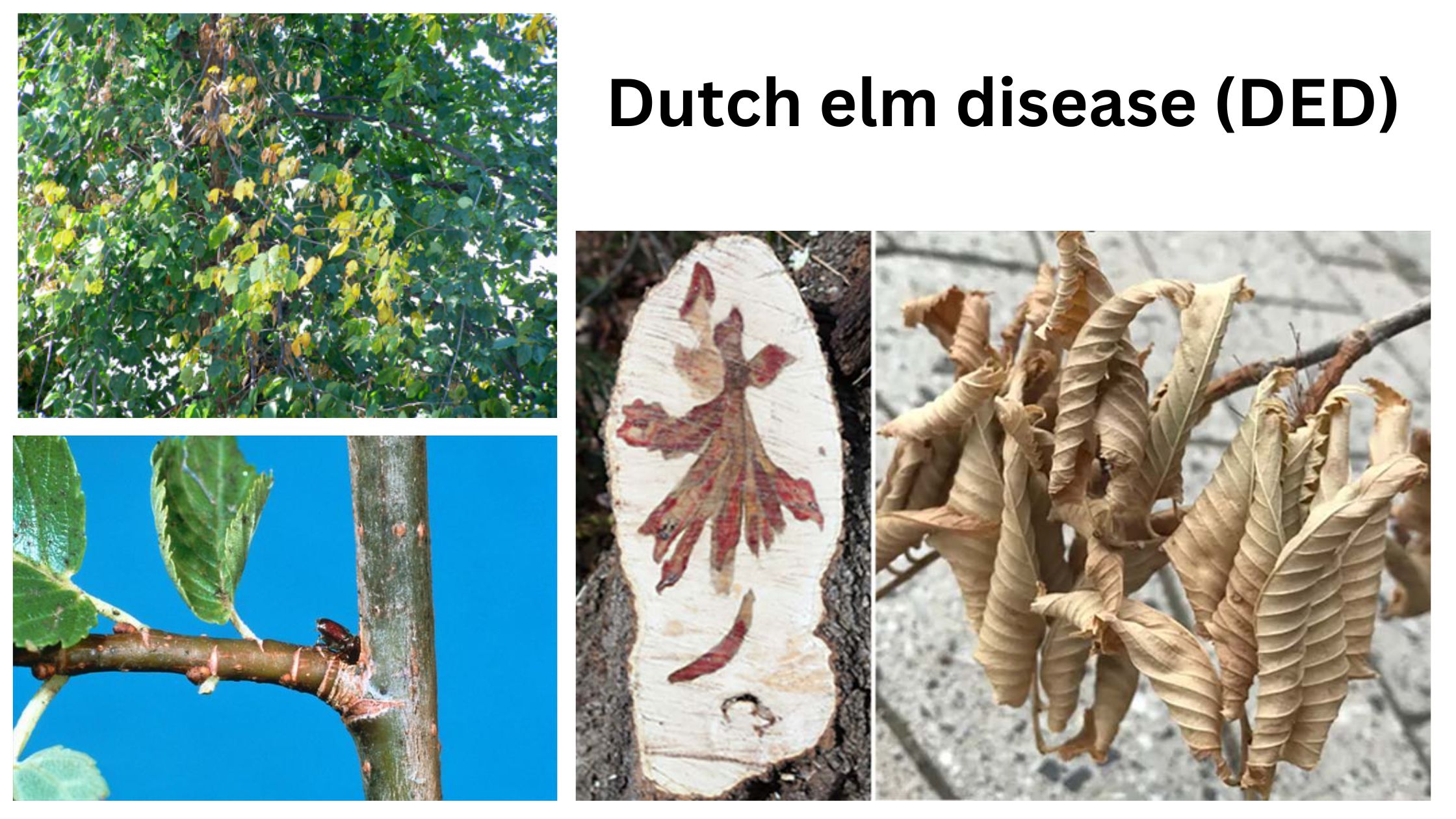
What is Dutch elm disease (DED)? A deadly fungal disease that infects elm trees and stops water from flowing through their vessels, causing them to wilt and die. The main cause is Ophiostoma ulmi and Ophiostoma novo-ulmi. Dutch phytopathologists Schwarz and Buisman found it in the Netherlands in the early 1920s. It was brought to … Read more
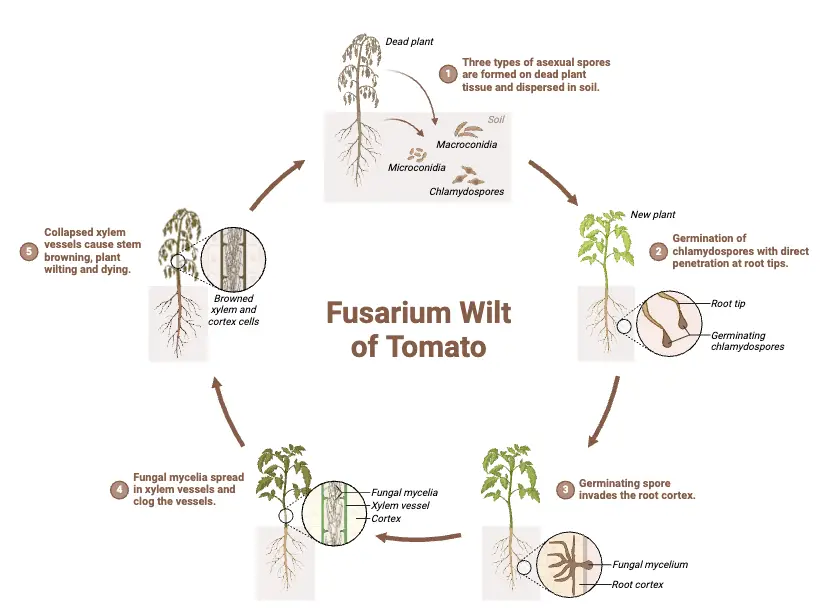
What is Fusarium Wilt? Fusarium wilt is a prevalent soil-borne fungal affliction produced by Fusarium oxysporum, affecting various plants such as tomatoes, bananas, cucumbers, and beans, resulting in progressive wilting and eventual plant mortality. Causative Agent of Fusarium Wilt Primary causal organism – Fusarium oxysporum is the dominant species responsible for Fusarium wilt across diverse … Read more
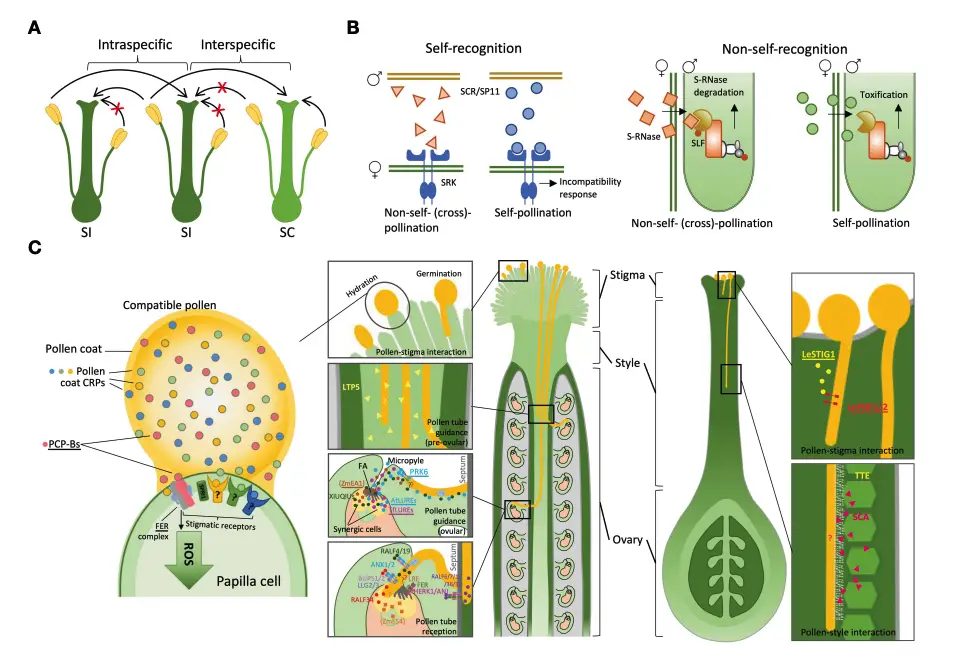
Pollen-pistil interaction is a critical phase in plant reproduction, acting as a sophisticated biological dialogue between male pollen grains and the female reproductive structure, the pistil. When pollen lands on the stigma—the sticky tip of the pistil—it doesn’t immediately guarantee fertilization. Instead, the pistil initiates a series of biochemical checks to assess compatibility. These interactions … Read more