Sourav Pan is the founder and sole author of Biology Notes Online. He holds a Bachelor of Science (B.Sc.) degree and an M.Sc. in Microbiology from the University of Calcutta. He creates educational resources covering microbiology, immunology, biotechnology, genetics, cell biology, botany, zoology, and other life-science subjects.
His goal is to make complex biological concepts easier to understand through well-structured, student-friendly articles based on academic textbooks, peer-reviewed research, and authoritative scientific sources. In addition to writing new content, he regularly reviews and updates articles to improve their accuracy, clarity, and educational value.
Yeasts are eukaryotic, unicellular microorganisms that belong to the kingdom of fungi. The first yeast appeared hundreds of millions of years ago, and there are approximately 1,500 known kinds. Yeasts are unicellular organisms that developed from multicellular predecessors, with certain species able to acquire multicellular traits by generating pseudohyphae, which are strings of connected budding … Read more
What is an Industrial centrifuge? An industrial centrifuge is a machine that uses centrifugal force to separate or purify materials. Centrifuges work by spinning a sample at high speeds, using gravitational force to separate the components of the sample based on their density, size, or shape. Industrial centrifuges can be used for a wide range … Read more
Types of Wine Depending on the type of grape, yeast strain, fermentation process, etc., there are a variety of wines. There are so many differences amongst them that it becomes impossible to classify them accurately. However, the following are notable wine varieties: 1. Red wines 2. Dry wines 3. Sweet wines 4. Sparkling wines 5. … Read more
What Are Enzymes? Structure of Enzyme Enzymes Classification Historically, enzymes were given names based on their discoverer. With additional study, classification grew more exhaustive. The International Union of Biochemists (IUB) classifies enzymes into six functional classes based on the sort of reaction they catalyse. Hydrolases, oxidoreductases, lyases, transferases, ligases, and isomerases are the six types … Read more
Many variables can affect the fermentation process of lactic acid bacteria (LAB) starters, including temperature, pH, strain capability, growth medium, inhibitors, bacteriophage, incubation period, heat treatment of milk, etc. To achieve the best activity of lactic acid bacteria during the manufacturing of fermented milks, caution is required. The following parameters significantly affect the growth and … Read more
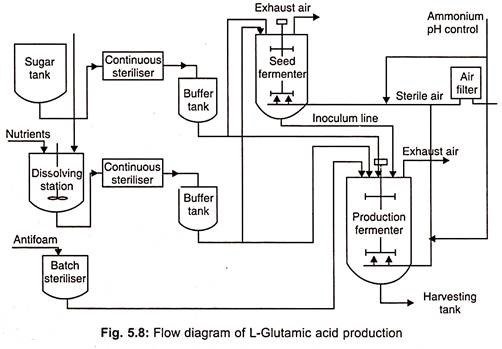
Dr. K. Ikeda, a Japanese scientist, extracted glutamic acid from kelp, a marine alga, by means of acid hydrolysis and separation in 1908. In addition, he observed that when glutamic acid was neutralised with caustic soda, it acquired a totally new, exquisite flavour. This marked the beginning of using monosodium glutamate (MSG) as a flavour … Read more
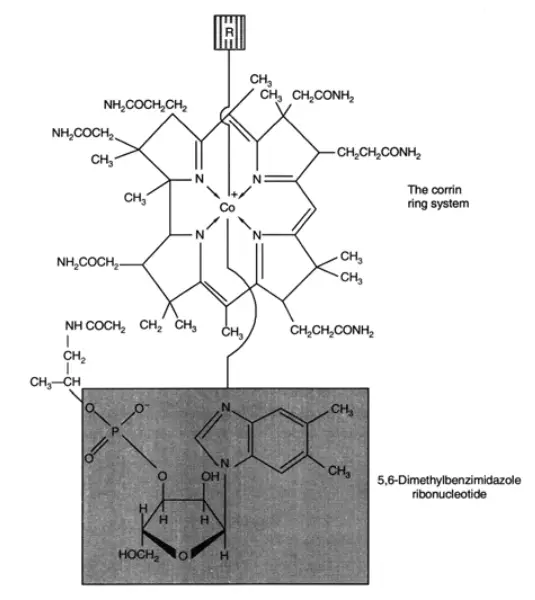
What is Vitamin B12? Microorganisms used for B12 Productions Streptomyces griseus, S. olivaceus, Bacillus megaterium, B. coagulans, Pseudomonas denitrificans, Propionibacterium freudenreichi, P. shermani, and a mixed fermentation of a Proteus spp. and a Pseudomonas spp. may be used in the industrial manufacture of vitamin B12. Typically, Vitamin By is produced via the submerged-culture method. The … Read more
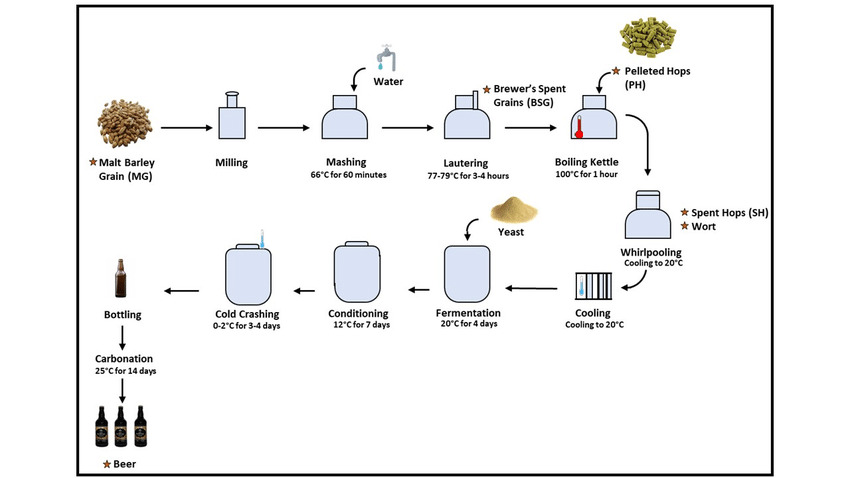
Health Benefits of Beer Beer provides numerous health benefits when drank in moderation. Among these fascinating health advantages are the following: 1. Anti-cancer properties 2. Reduced risk of cardiovascular diseases 3. Diabetes 4. Prevention of anemia 5. Hypertension 6. Anti-aging properties 7. Gallstones 8. Prevention of dementia and coronary disease 9. Aids digestive system 10. … Read more
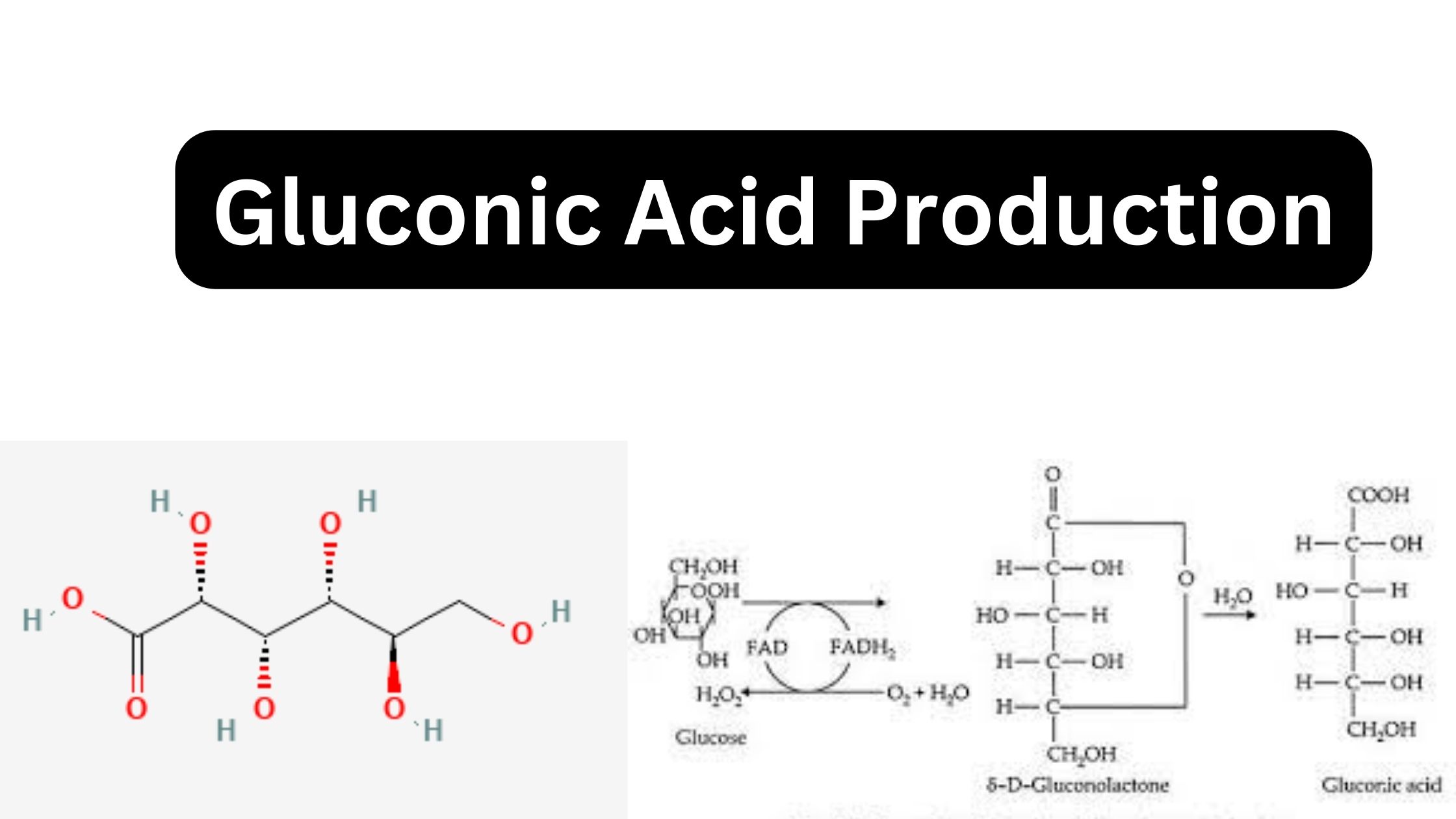
Gluconic Acid is the 16 stereoisomers of 2,3,4,5,6-pentahydroxyhexanoic acid. It is an inorganic chemical. It occurs naturally in honey, plants, and wine. The first carbon of glucose is oxidised to form gluconic acid, which has antibacterial and chelating effects. Please include the chemical composition and further details. Properties Of Gluconic Acid Chemical formula C6H12O7 Molecular … Read more