Sourav Pan is the founder and sole author of Biology Notes Online. He holds a Bachelor of Science (B.Sc.) degree and an M.Sc. in Microbiology from the University of Calcutta. He creates educational resources covering microbiology, immunology, biotechnology, genetics, cell biology, botany, zoology, and other life-science subjects.
His goal is to make complex biological concepts easier to understand through well-structured, student-friendly articles based on academic textbooks, peer-reviewed research, and authoritative scientific sources. In addition to writing new content, he regularly reviews and updates articles to improve their accuracy, clarity, and educational value.
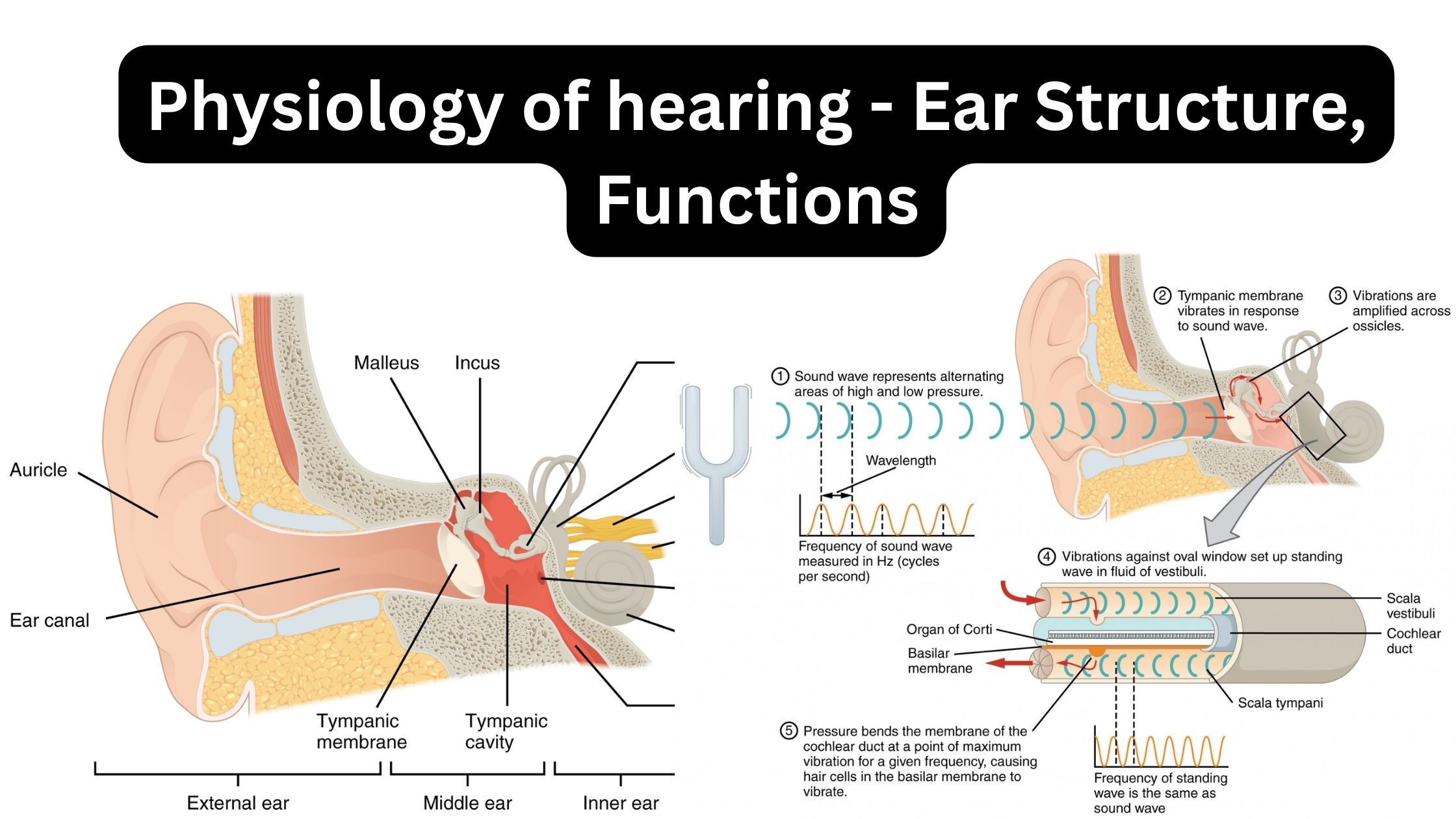
What is Ear? Definition of Ear The ear is a sensory organ responsible for hearing and maintaining balance in the body. It consists of the outer ear, middle ear, and inner ear, and it converts sound waves into electrical signals that can be interpreted by the brain. Anatomy of Ear – Structure of Ear The … Read more
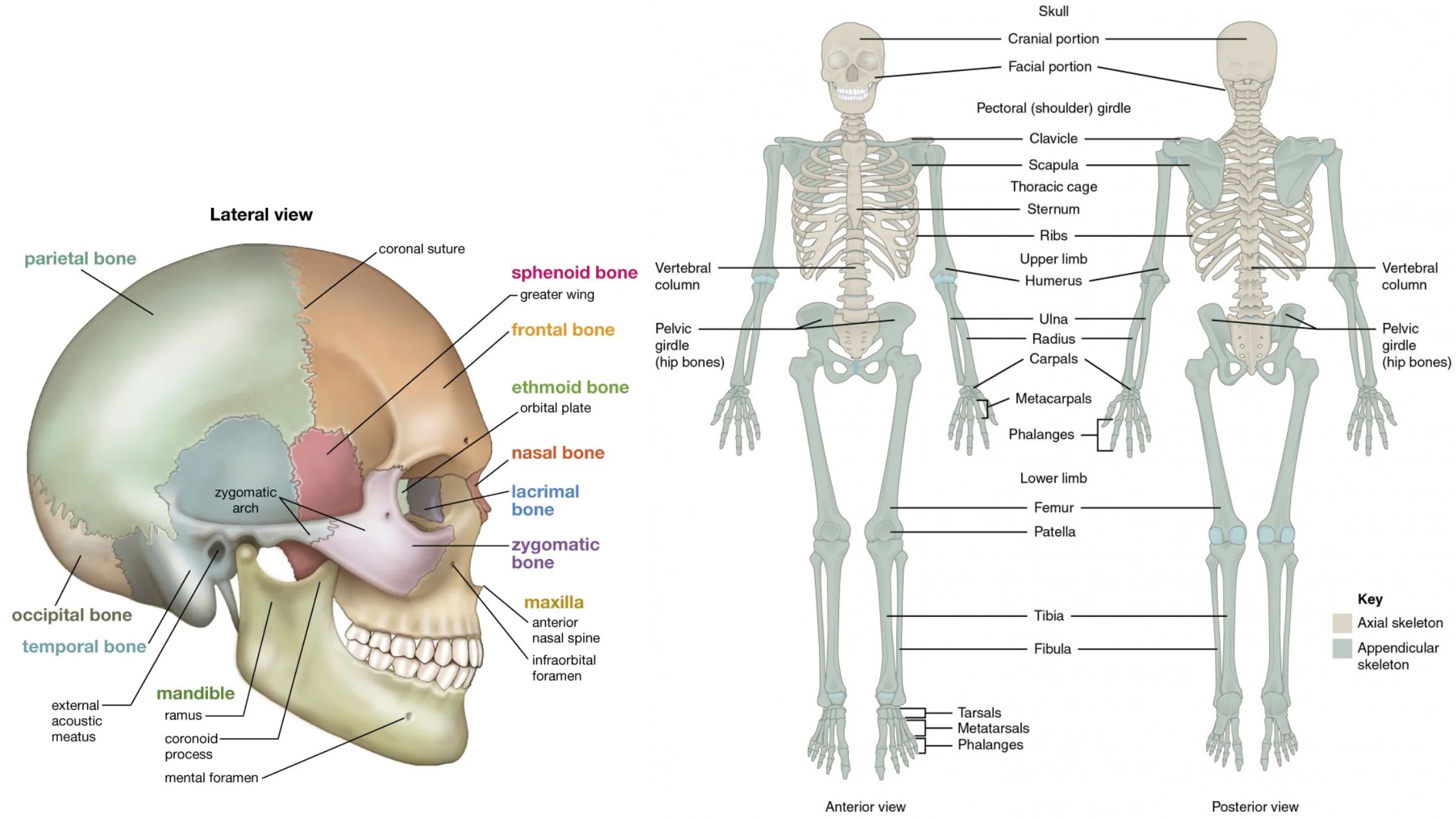
What is Skeletal system? Definition of Skeletal system The skeletal system is the framework of bones, joints, and cartilages that provides support, protection, and facilitates movement in the human body. Types of Skeletal Systems There are three main types of skeletal systems found in different organisms: hydrostatic skeleton, exoskeleton, and endoskeleton. Each type of skeletal … Read more
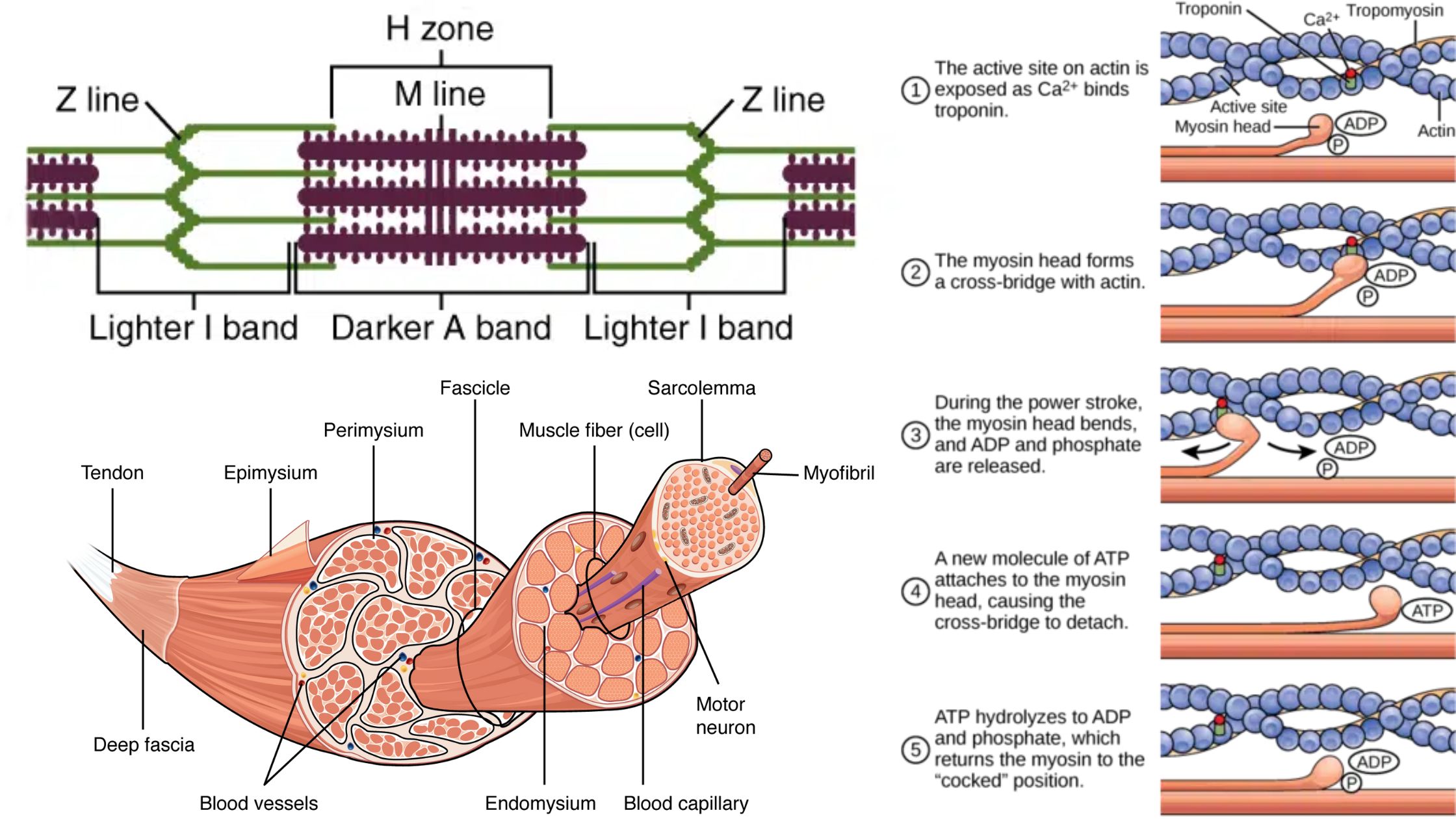
What is skeletal muscle? Definition of skeletal muscle Skeletal muscle is a type of voluntary muscle tissue that is attached to the bones and responsible for movement and various bodily functions. Properties Of Skeletal Muscle Skeletal muscles possess several important properties that contribute to their function and enable them to perform various tasks: These properties … Read more
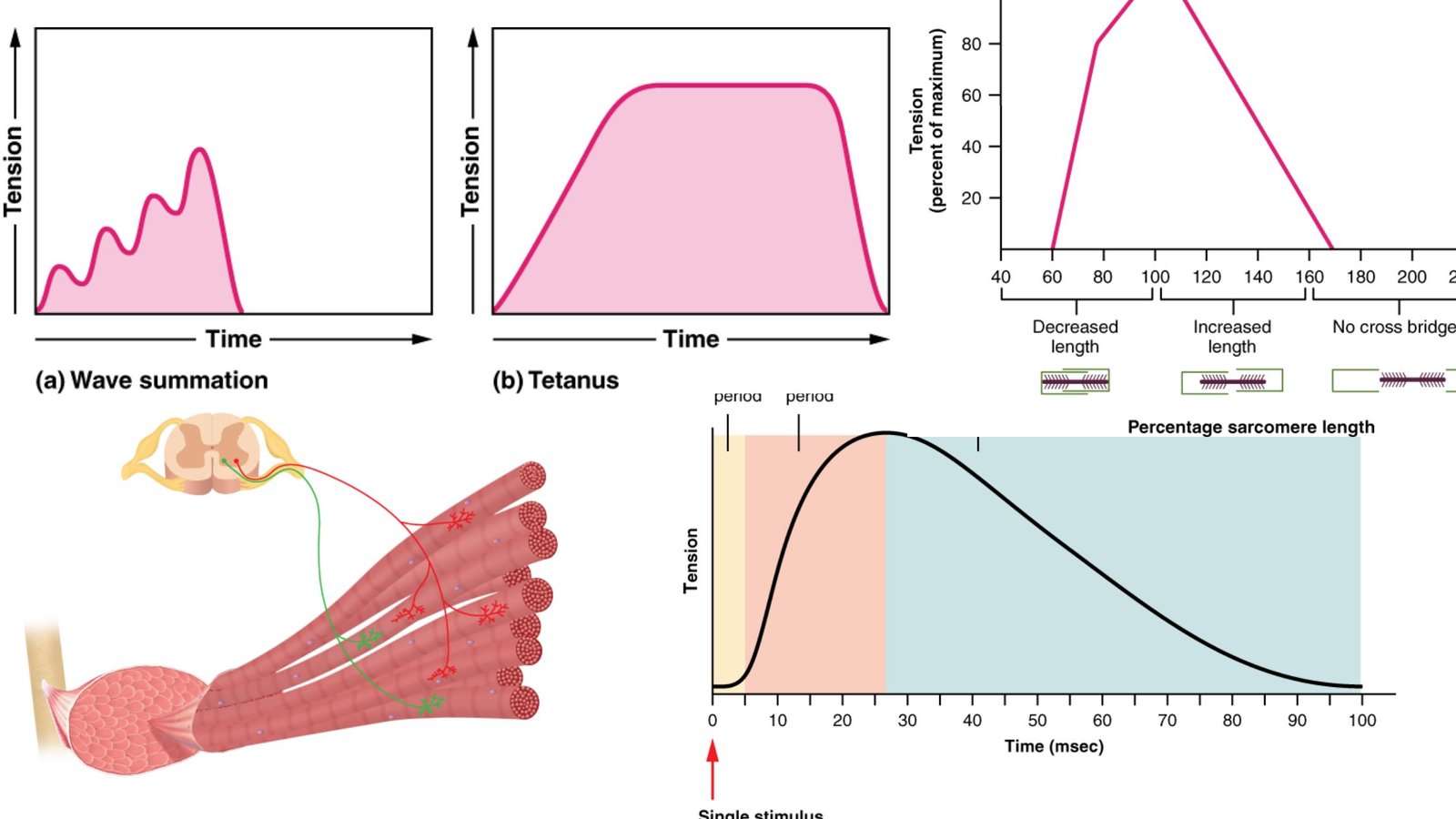
Muscle twitch, the brief and transient contraction of a muscle fiber, is a fundamental event in muscle physiology. Understanding the characteristics of muscle twitches provides insights into the intricate mechanisms that govern muscle function. This article delves into the key aspects of muscle twitch, focusing on motor units, summation, and tetanus. Muscle twitches are initiated … Read more
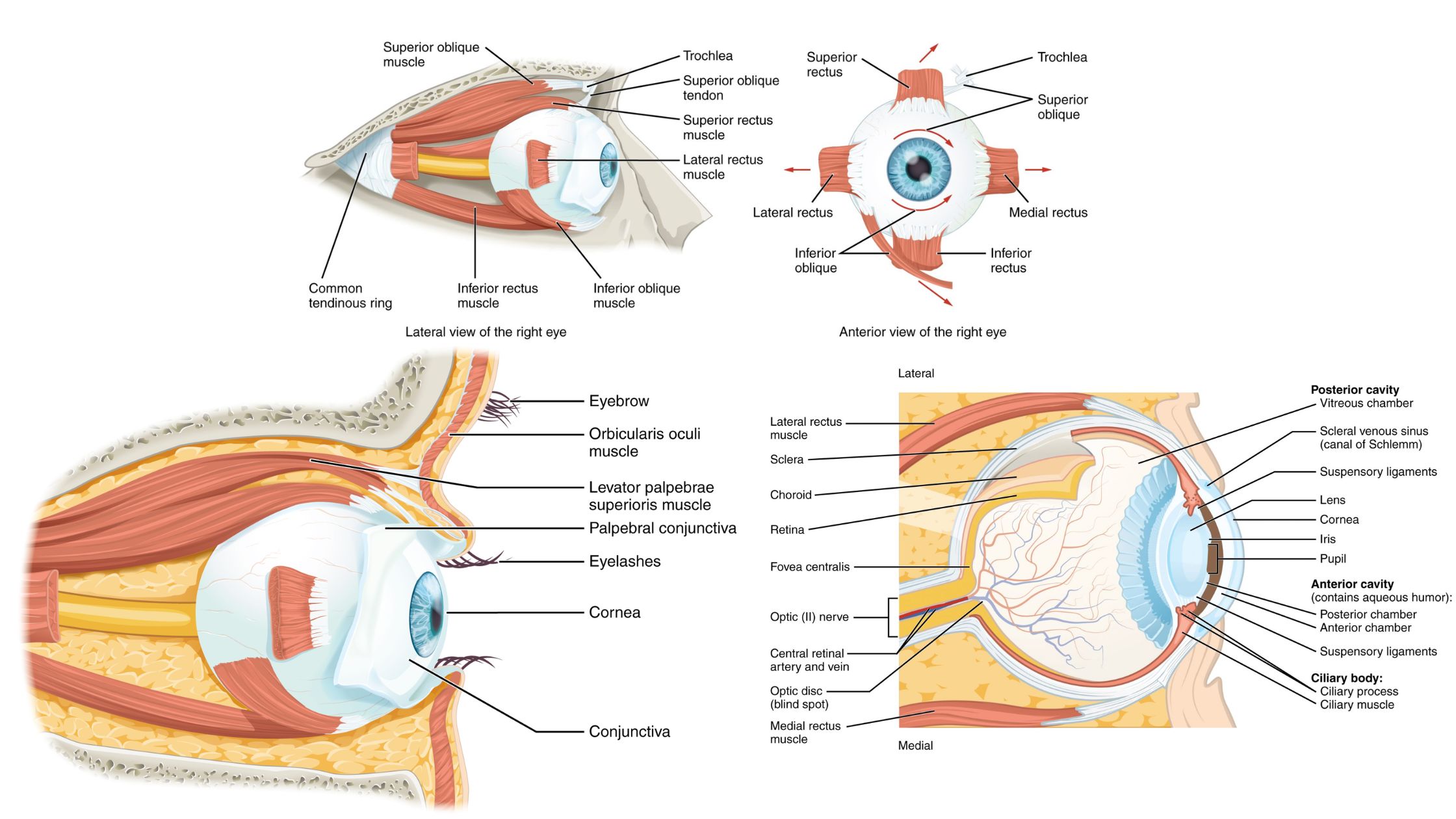
What is Eye? Definition of Eye The eye is an organ of the visual system that detects light and enables organisms to see by converting light into electrical signals that are sent to the brain for processing. Anatomy Of Eye – Structure of Eye The eye is typically round in shape, but it appears convex … Read more
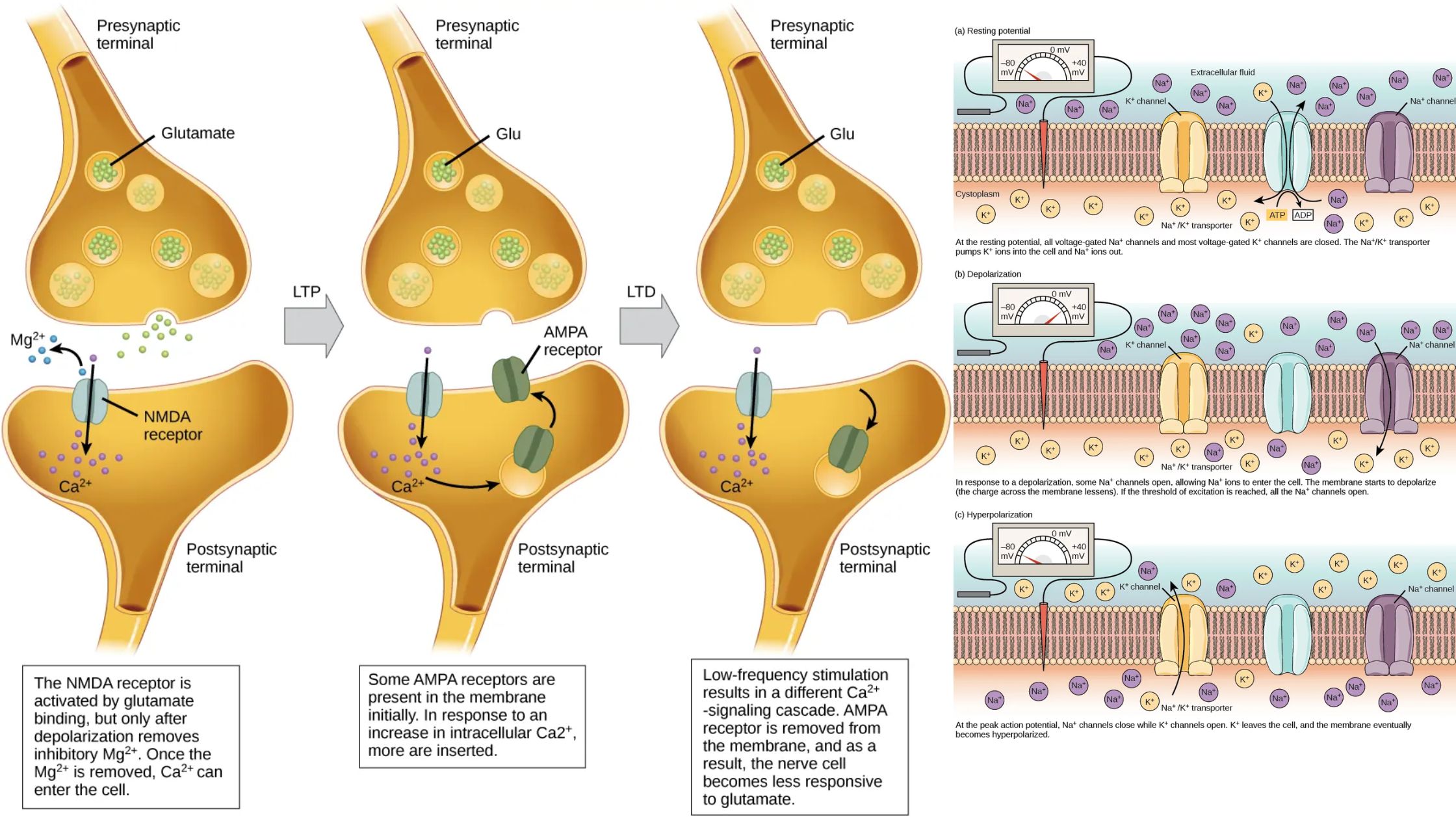
The nervous system relies on neurons to carry out various functions, ranging from basic motor reflexes to complex processes such as memory formation and decision-making. Unlike human communication through words and body language, neurons communicate through electrical and chemical signals. Similar to a committee member, a single neuron typically integrates and processes information from multiple … Read more
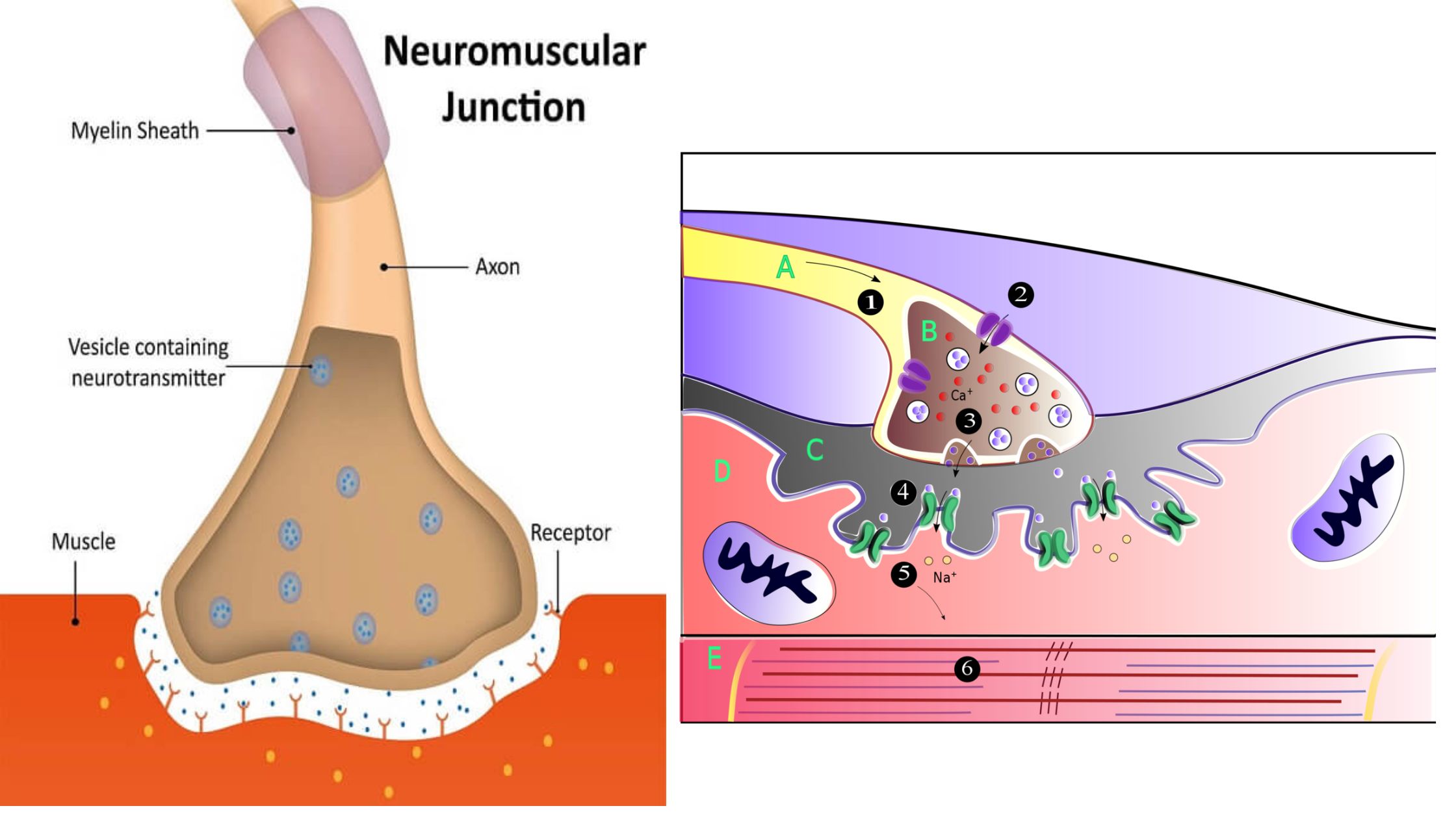
What is Neuromuscular junction? Definition of Neuromuscular junction A neuromuscular junction is a specialized connection between a motor neuron and a muscle fiber, where signals from the nervous system are transmitted to the muscle, resulting in muscle contraction. Structure of a Neuromuscular Junction The structure of Neuromuscular junction can be broadly divided into three parts: … Read more
What is Reflex Action? Definition of Reflex Action Reflex action is an automatic and rapid response to a stimulus that occurs without conscious control or thought. It involves the activation of sensory neurons, interneurons, and motor neurons to produce a quick and stereotyped response, often for the purpose of self-preservation or protection. Types of reflex … Read more
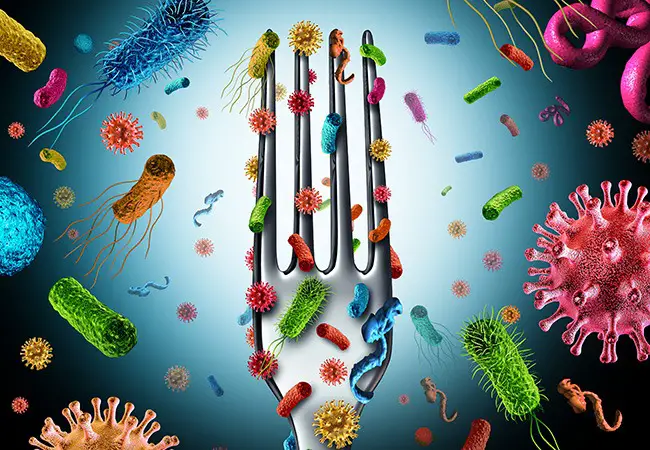
Facts of Bacterial Food Poisoning What is Bacterial Food Poisoning? Causes of Bacterial Food Poisoning Bacterial food poisoning mainly occurs by eating contaminated foods. the contamination of food with the bacterial toxin or chemicals can be occurred by; Symptoms of Bacterial Food Poisoning If you have bacterial food poisoning, you probably won’t go unnoticed. Symptoms … Read more
Bacterial starter culture is a prepared bacterial inoculum containing viable bacterial cells, used to start a new culture or a particular fermentation process. It may contain a single bacterial strain or a mixture of different strains. In laboratories, a starter culture is used to inoculate fresh growth medium for further bacterial growth. Food fermentation has … Read more