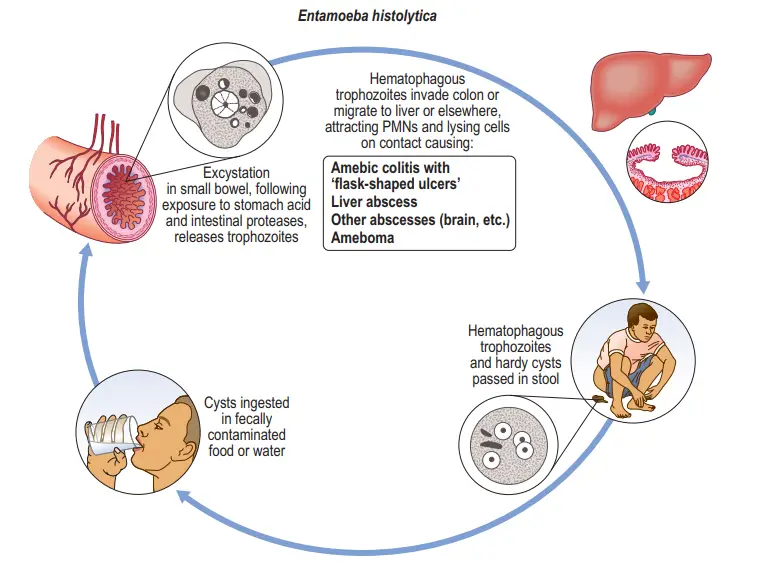
What is Gastrointestinal Amebiasis? Characteristics of Entamoeba histolytica Entamoeba histolytica is a pseudopod-forming anaerobic protozoan parasite that is responsible for causing amebiasis in humans. Here are some key characteristics of Entamoeba histolytica: Life Cycle of E. histolytica Gene Structure and Organization Cell Biology and Biochemistry Sources of contamination of Amebiasis Amebiasis can be sourced from
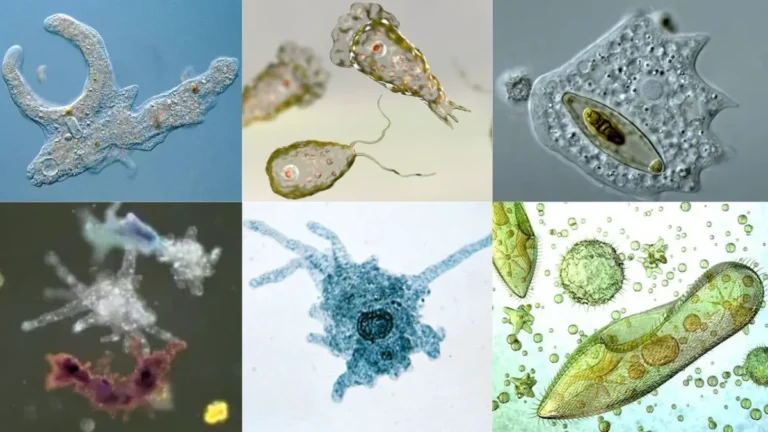
In this article, we will learn about the Habitat, structure, nutrition, characteristics, reproduction, locomotion of the Amoeba cell with diagram. Domain Eukaryota Phylum Amoebozoa Class Tubulinea Order Euamoebida Family Amoebidae Genus Amoeba Amoeba cell also known as the ameba or amoeboid. Amoeba is a unicellular eukaryotic organism which can alter their shape by extending and
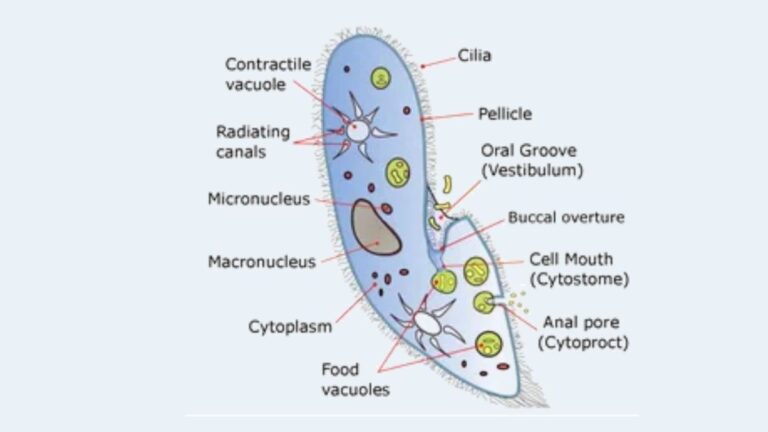
What is Paramecium? Definition of Paramecium Paramecium is a microscopic, single-celled organism with hair-like structures called cilia, found in various aquatic environments, often studied for its role as a model organism in biological research. Paramecium Scientific classification Paramecium is divided into this following phylum and subphylum; Domain: Eukaryota Clade: SAR Infrakingdom: Alveolata Phylum: Ciliophora Class:
Plasmodium is also known as the malaria parasite and is the genus of intracellular parasitic protozoa. They are digenetic parasites because Plasmodium are obligate parasites of insects (such as mosquitoes) and vertebrates.
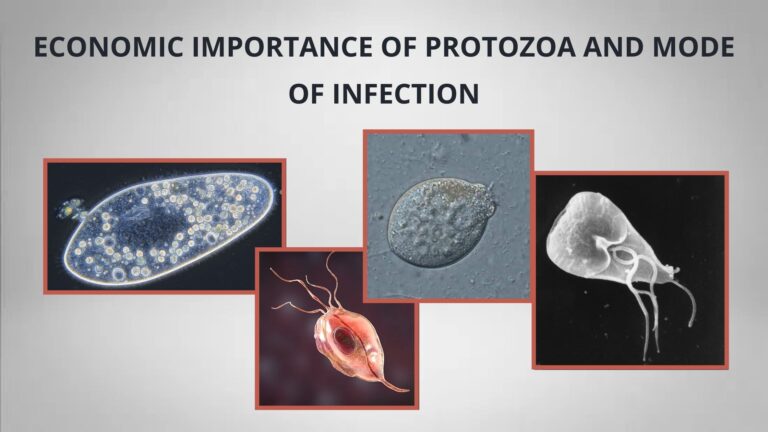
Protozoa are unicellular, microscopic, eukaryotic protists which are found in everywhere such as water; soil, on the body of plants and animals. They lack a cell wall and their size ranges from 5 to 250 micrometers.