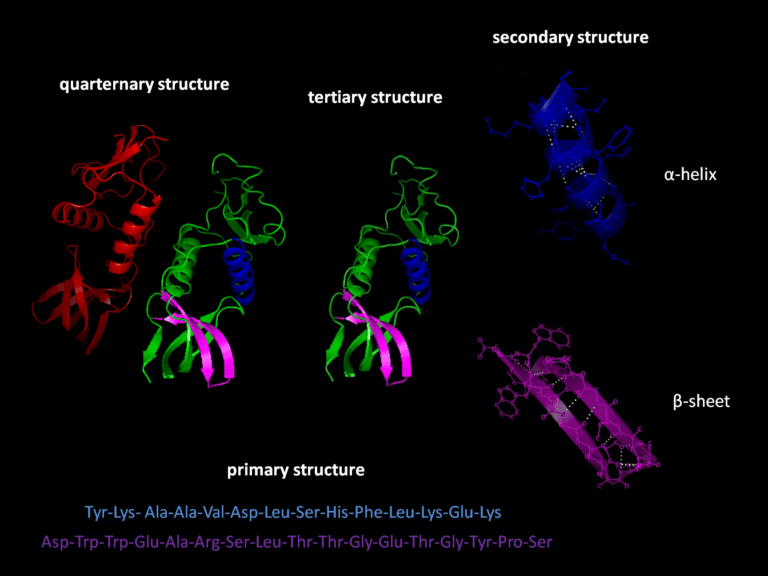
Proteins, as complex biological molecules, play an essential role in the myriad of processes in living organisms. Consisting of amino acids, proteins can be envisioned as polypeptide structures formed through long chains of these amino acid residues. Therefore, it’s not surprising that they are one of the most abundant organic molecules present in living beings.
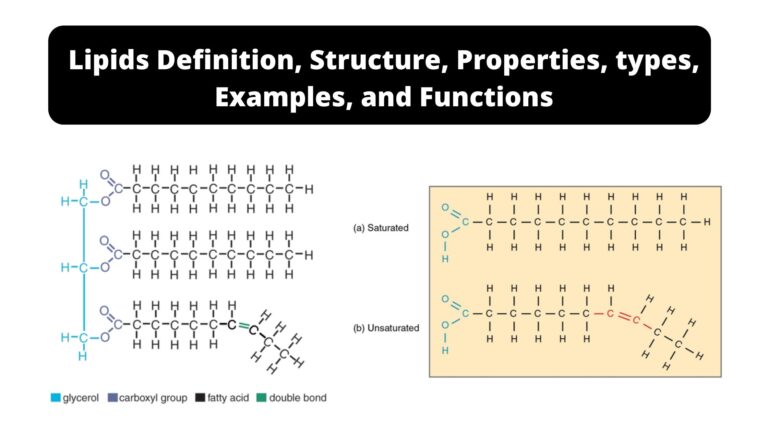
What are Lipids? Definition of Lipids Lipids are a group of organic compounds, insoluble in water but soluble in non-polar organic solvents, that serve as energy storage molecules, cell membrane components, and play roles in signaling and insulation. Properties of Lipids Physical Properties of Lipids Chemical Properties of Lipids Physical Properties Chemical Properties Soluble in
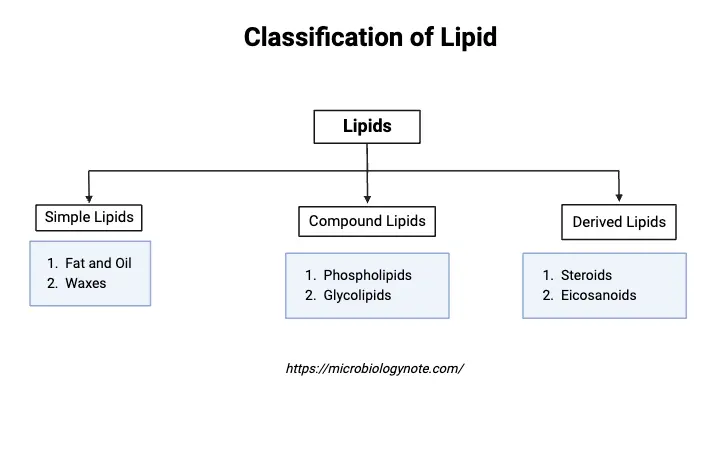
What are lipids? Classification of Lipids Based on the Chemical Composition 1. Simple Lipids Simple lipids are fundamental components in the realm of biological molecules. They primarily consist of neutral fats and oils, as well as waxes. These lipids play crucial roles in various biological processes, especially in energy storage and insulation. 2. Compound Lipids
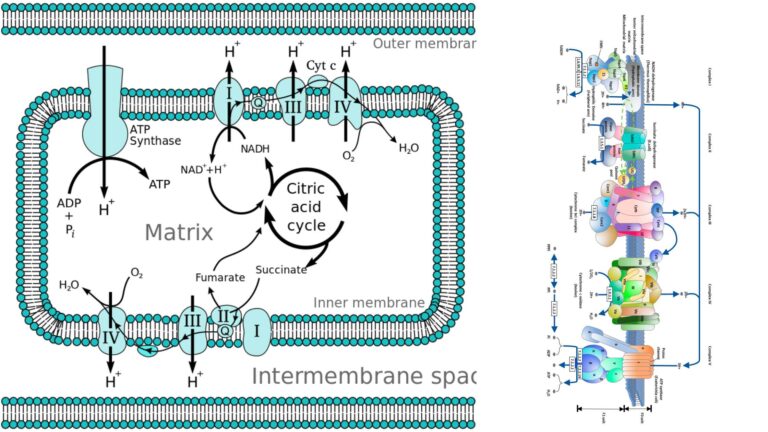
What is Oxidative Phosphorylation? Definition of Oxidative Phosphorylation Oxidative phosphorylation is a metabolic process that occurs in the mitochondria, where energy derived from the electron transport chain is used to produce adenosine triphosphate (ATP) from adenosine diphosphate (ADP) and inorganic phosphate, with oxygen acting as the final electron acceptor. Sites of oxidative phosphorylation in ETC
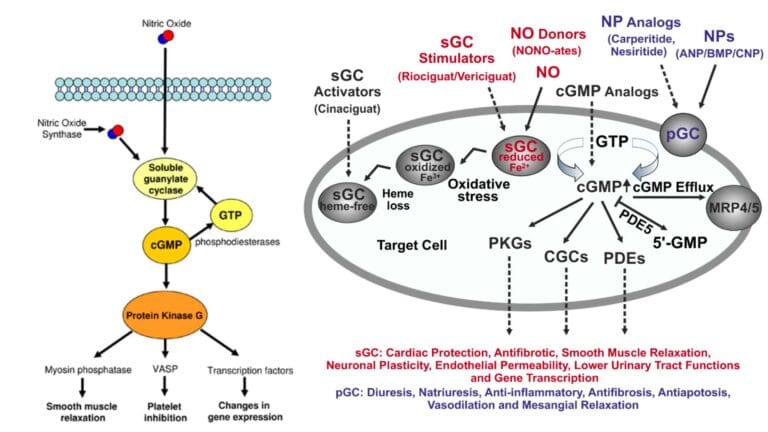
The cGMP pathway, short for cyclic guanosine monophosphate pathway, is a crucial signaling mechanism in cells. It involves the synthesis of cGMP from GTP (guanosine triphosphate) through the action of the enzyme guanylate cyclase. cGMP acts as a secondary messenger, similar to cyclic AMP (cAMP), and plays a vital role in various physiological processes. One
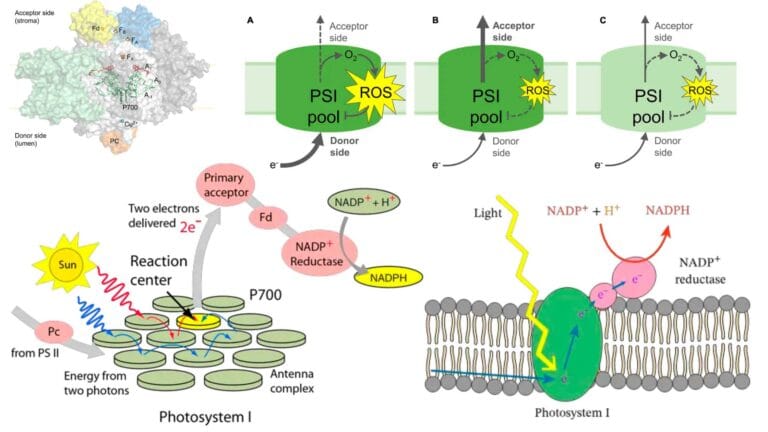
What is Photosystem I (PS1)? Definition of Photosystem I (PS1) Photosystem I (PSI) is a crucial protein complex in oxygenic photosynthesis, primarily found in algae, plants, and cyanobacteria. It functions by capturing light energy to drive the transfer of electrons across the thylakoid membrane, from plastocyanin to ferredoxin. This process contributes to the synthesis of
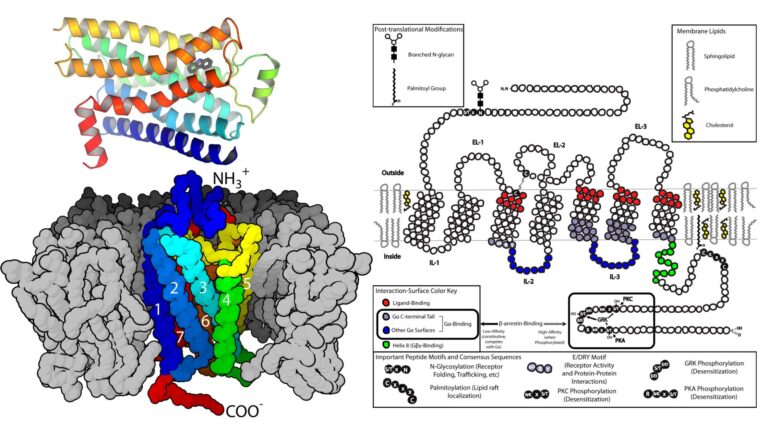
What are G Protein Coupled Receptors? Structure of G Protein Coupled Receptors Classification of G Protein Coupled Receptors The G protein-coupled receptor (GPCR) superfamily encompasses a vast array of receptors, with at least 831 human genes, approximately 4% of the protein-coding genome, predicted to code for GPCRs. Despite the lack of detectable shared sequence homology
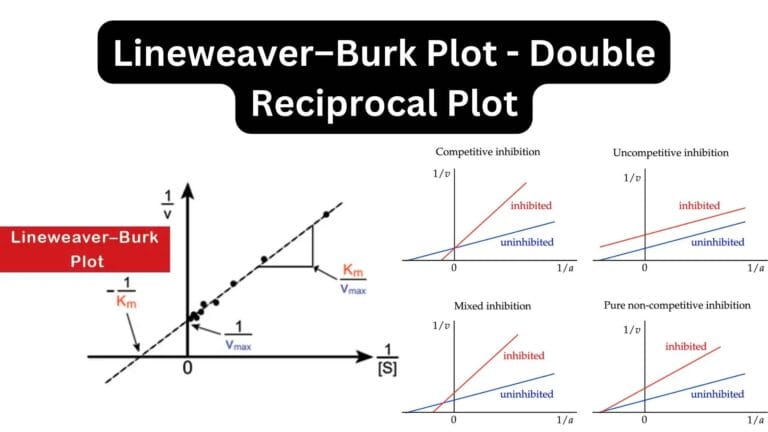
What is Lineweaver–Burk plot? The Lineweaver–Burk plot, commonly referred to as the double reciprocal plot, stands as a foundational concept within the domain of biochemistry. Stemming from the renowned Michaelis–Menten equation, which pertains to enzyme kinetics, this plot was innovatively introduced by Hans Lineweaver and Dean Burk in the year 1934. Delving into its essence,
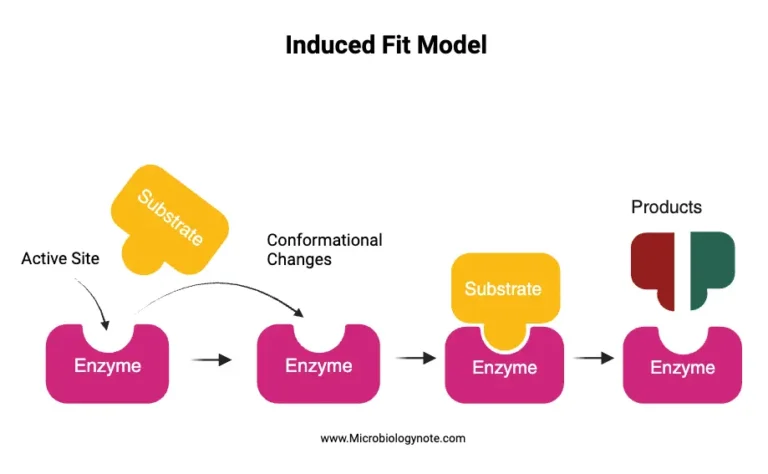
What is Induced Fit Model? Evidences Supporting Induced Fit Model The Induced Fit Model has garnered significant attention in the realm of biochemistry, and various pieces of evidence support its validity. This model posits that proteins, including enzymes, are not static or rigid structures. Instead, they exhibit dynamic properties, allowing them to adapt and change
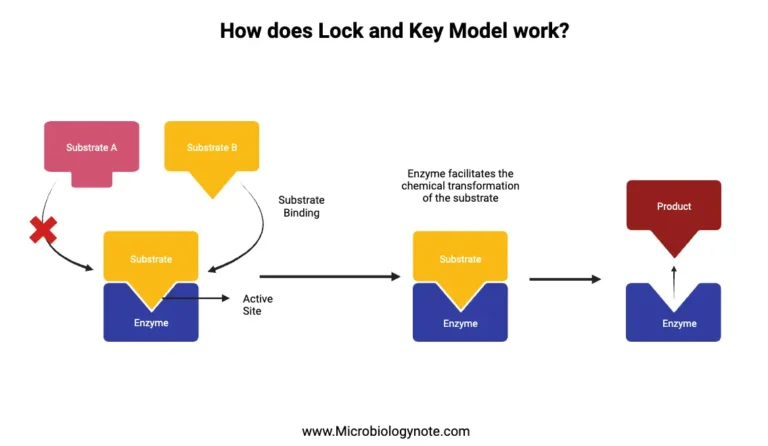
What is Lock and Key Model? The Lock and Key Model Concept The “Lock and Key Model” is a fundamental concept in enzymology, introduced by Emil Fischer in 1899. This model provides an analogy to explain the specificity exhibited by enzymes during their interactions with substrates. In this analogy, the enzyme is likened to a