What are Confectionaries? Contamination source of confectionaries When it comes to the production of confectionaries, it is crucial to be aware of potential sources of contamination that may compromise the quality and safety of these delightful treats. Several factors can contribute to the contamination of confectionaries, ranging from the raw ingredients used to the equipment
Microbial spoilage of beverages poses a significant challenge in the beverage industry, as it can lead to the degradation of taste, quality, and safety of the products. Beverages, apart from water, encompass a wide range of drinkable liquids, including hot drinks, milk drinks, soft drinks, and alcoholic beverages. These beverages can be further classified into
Contamination of Eggs Eggs, in their natural state, are typically sterile. However, contamination can occur after they are laid due to a variety of reasons. It is essential to understand these potential sources of contamination in order to minimize the risk of egg spoilage. The following factors contribute to the contamination and subsequent spoilage of
Contamination of Meats and Meat Products – Contamination source and causes Meat spoilage can occur through natural processes as well as microbial contamination. Let’s explore the factors responsible for microbial contamination and the events that take place during the rigor mortis phase after animal slaughter: These events and factors emphasize the importance of proper hygiene
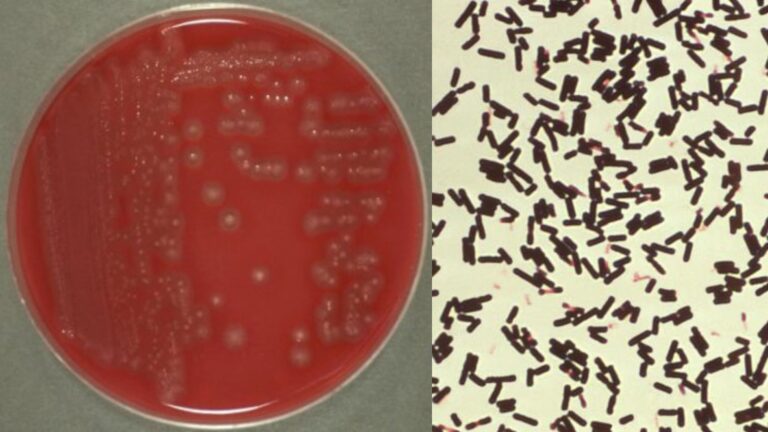
Characteristics of Clostridium perfringens Factors Contributing to C. perfringens Type A Foodborne Disease Source of contamination of Clostridium perfringens Clostridium perfringens enterotoxins Epidemiology of Clostridium perfringens food poisoning Synthesis and Release of CPE Effects of CPE on the GI Tract Pathogenesis of C. perfringens Food Poisoning Source of Enterotoxigenic C. perfringens Strains in Food Clinical Features of Clostridium perfringens
What is irradiation in food? Food irradiation definition Food irradiation refers to the process of exposing food and its packaging to ionizing radiation, such as gamma rays, x-rays, or electron beams. This method is used to improve food safety and extend the shelf life of products by effectively destroying microorganisms responsible for spoilage and foodborne
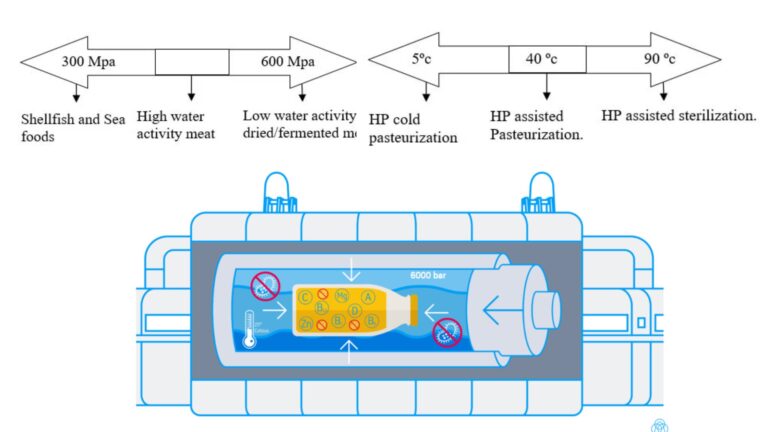
What is High-Pressure Processing (HPP)? When was High Pressure Processing invented? High Pressure Processing (HPP) was invented in June 1899 by Bert Holmes Hite, a researcher from the University of West Virginia. Hite demonstrated the inactivation of microorganisms using high hydrostatic pressure, marking the first documented use of pressure as a food preservation method. Following
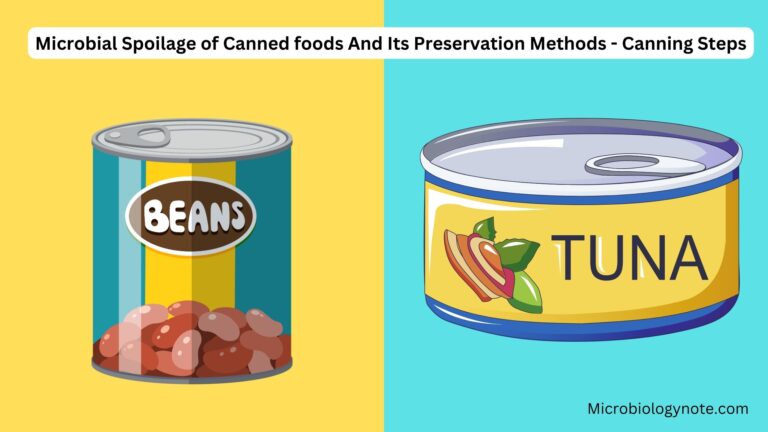
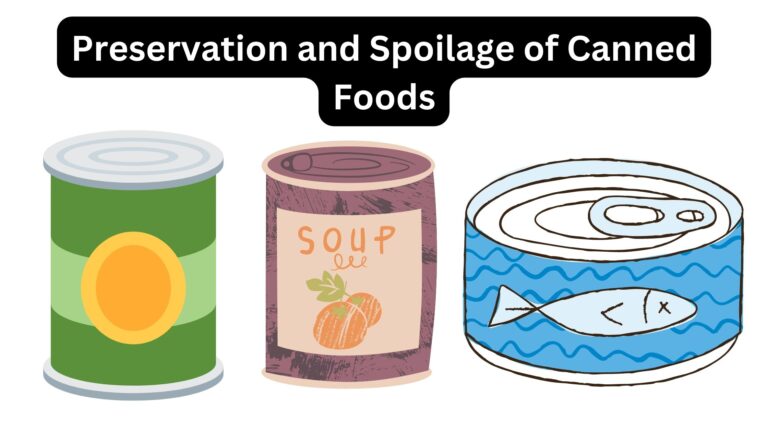
Canning is a highly regarded method for packaging food, ensuring its long-term storage and preservation. Typically, food is packed into metal containers and subjected to appropriate heat treatments, the specifics of which vary depending on the type of food being canned. While the incidence of food spoilage in cans is generally low, there is always
Causes of Canned Foods Spoilage Appearance of The Unopened Container Types of Biological Spoilage of Canned Foods Typically, types of microorganism-induced spoiling of canned foods are separated into those caused by thermophilic bacteria and those caused by mesophilic microorganisms. Other approaches for categorising types of food spoilage are based on the types of changes that
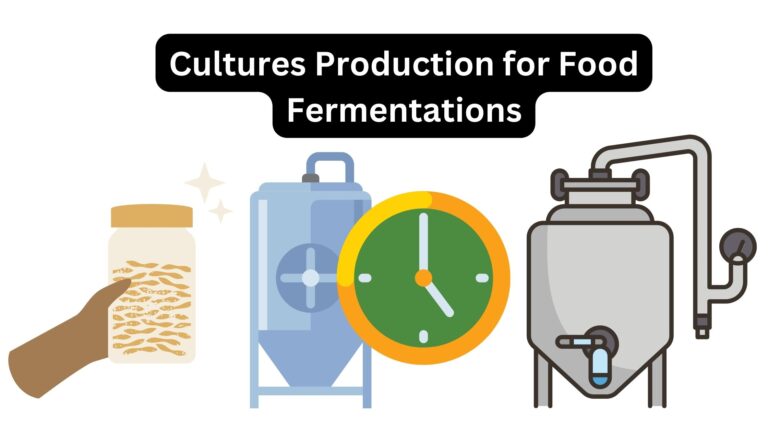
General Principles of Culture Maintenance and Preparation Selection of Cultures Maintenance of Activity of Cultures Maintenance of Purity of Cultures Preparation of Cultures Activity of Culture Mixed Cultures Bacterial Cultures With the exception of the propionic acid bacteria added to Swiss cheese, the majority of the bacterial cultures used as starters in dairy products, sausage,