In breadmaking, microorganisms are useful in two primary ways: (1) they can produce gas to leaven the dough, giving it the desired loose, porous texture, and (2) they can produce flavorful substances. They may also play a role in dough conditioning. Leavening Leavening by Bread Yeasts Leavening by Other Microorganisms Leavening by Chemicals Continuous Breadmaking
Beer and ale are the most widely produced and consumed malt beverages in this country, and they will be explored here. They are constructed from malt, hops, yeasts, water, and malt adjuncts. Malt is produced from germinated and dried barley grains that have had their sprouts or germs removed. The dried blooms of the hop
Unless otherwise indicated, the term wine refers to the beverage produced by the alcoholic fermentation of grapes or grape juice by yeasts, followed by ageing. However, wines can be prepared by fermenting the juices of fruits, berries, rhubarb, dandelions, and honey, among others. Grape Wine The majority of grape wines are either red or white.
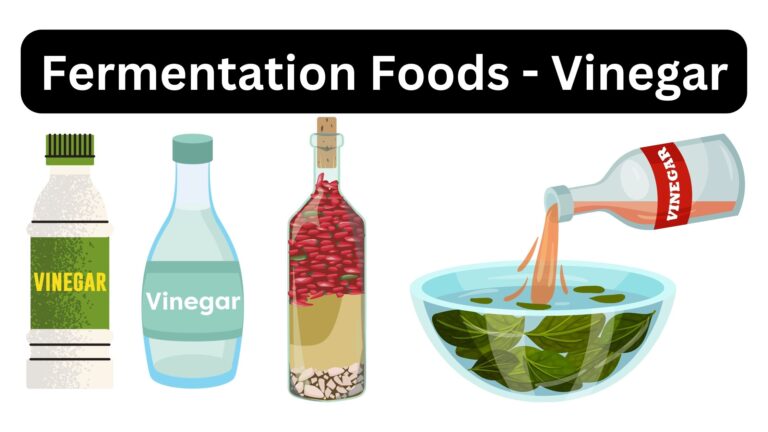
At normal temperatures, the normal progression of changes in fruit juices is alcoholic fermentation by yeasts, followed by oxidation of the alcohol to acetic acid by acetic acid bacteria. When enough acetic acid is created, vinegar is the result. Vinegar is a condiment produced from sweet or starchy sources through alcoholic fermentation followed by acetic
For its production, fermented milk and cheese require a specific fermentation or series of fermentations. Therefore, any abnormalities in these fermentations will harm the product’s quality and may even cause it to spoil. Even the final product may be susceptible to deterioration by microbes. Fermented Milks Cheese Cheese defects may be caused by mechanical or
Molds are used in the manufacture of the majority of the Oriental fermented dishes listed here. In the starter, known as koji in Japan and chou in China, moulds serve as suppliers of hydrolytic enzymes, including amylases to hydrolyze the starch in the grains, proteinases, lipases, and several more. For the most part, starters are
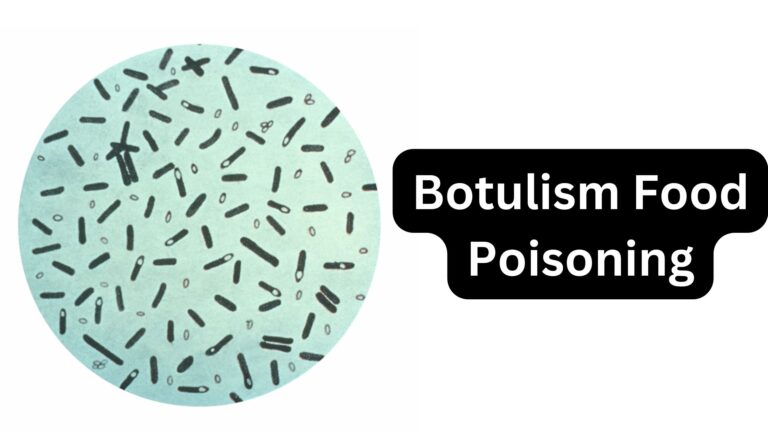
What is Botulism Food Poisoning? Botulism food poisoning is a severe and potentially life-threatening illness caused by the consumption of food contaminated with botulinum neurotoxins (BoNTs). Here are the key points about botulism food poisoning: Preventing botulism food poisoning involves proper food handling and storage practices, such as ensuring adequate heat treatment during cooking, avoiding
The discussion of poultry focuses primarily on chicken meat, but the principles also apply to the meat of turkey, geese, ducks, and squab. Contamination of Poultry Preservation of Poultry 1. Asepsis 2. Use of Heat 3. Use of Low Temperatures a. Chilling b. Freezing 4. Use of Preservatives 5. Carbon Dioxide Atmosphere 6. Use of
Contamination of Fish and Other Seafoods Contamination of fish and other seafood can occur through various factors throughout the harvesting, handling, and processing stages. Understanding these potential sources of contamination is crucial for ensuring the safety and quality of seafood products. Here are some key factors that contribute to the contamination of fish and other