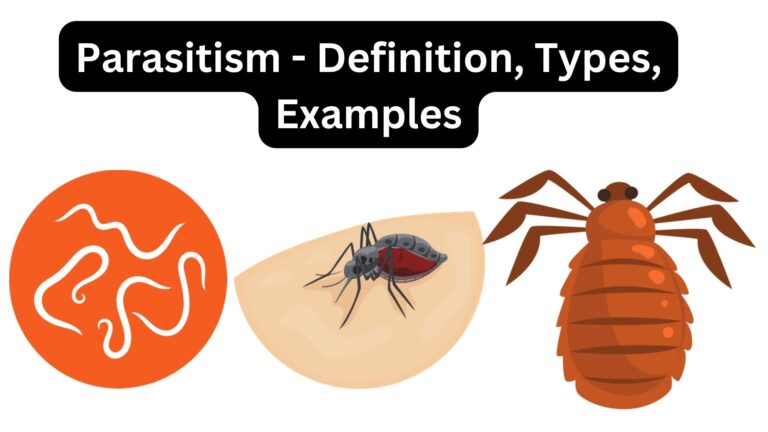
What is Parasitism? Definition of Parasitism Parasitism is a symbiotic relationship between two species in which one organism, the parasite, derives benefits at the expense of the other organism, the host, often causing it harm. Mechanisms of Dispersal Types of Parasitism Parasitism, a multifaceted biological interaction, can be classified based on various criteria, ranging from
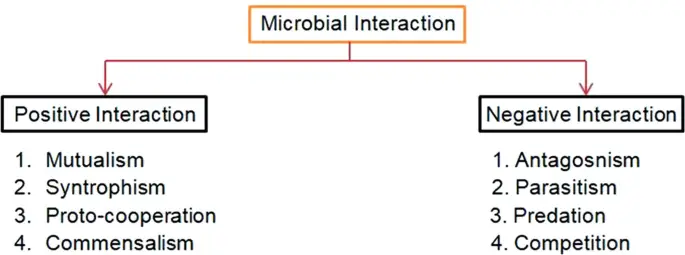
Microbial interaction is a biological interaction in which the effect of microorganisms on other biotic components of an ecosystem can be investigated. Microbiology is the study of microorganisms, and microbial ecology is the study of microbial interactions within an ecosystem. Positive and negative microbial interactions are possible, and microbes can affect (positively or negatively) other
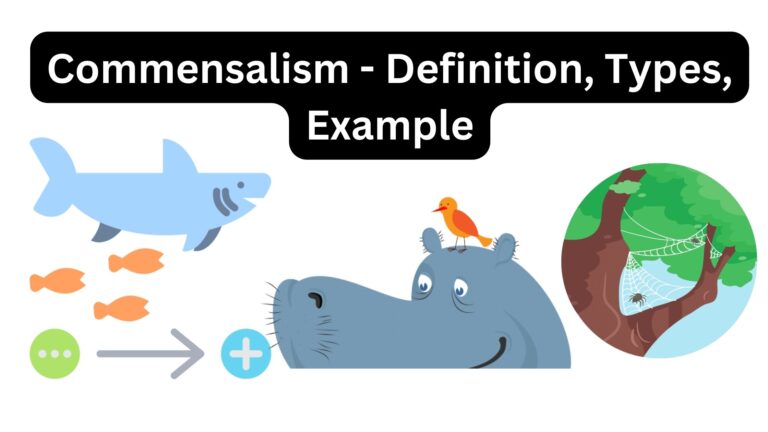
What is Commensalism? Along with mutualism, the term was coined in 1876 by Belgian palaeontologist and naturalist Pierre-Joseph van Beneden. Beneden first used the term to describe the behaviour of carrion-eating animals that followed predators in order to consume their leftover meal. The term commensalism is derived from the Latin word commensalis, which meaning “table
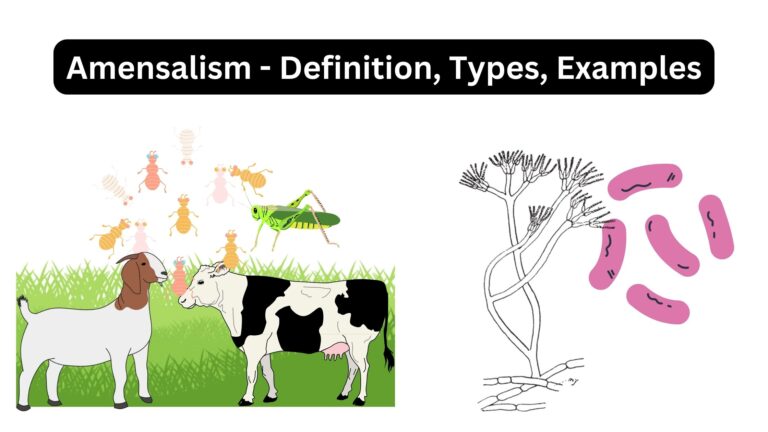
What is Amensalism (Antagonism)? Amensalism is a sort of biological interaction in which one species harms another without incurring any costs or gaining any advantages. It is a form of interaction or competitive behaviour between organisms. Modes of Amensalism or Types of Amensalism 1. Competition Example 2. Antibiosis Example Examples of Amensalism In the Ocean,