Sourav Pan is the founder and sole author of Biology Notes Online. He holds a Bachelor of Science (B.Sc.) degree and an M.Sc. in Microbiology from the University of Calcutta. He creates educational resources covering microbiology, immunology, biotechnology, genetics, cell biology, botany, zoology, and other life-science subjects.
His goal is to make complex biological concepts easier to understand through well-structured, student-friendly articles based on academic textbooks, peer-reviewed research, and authoritative scientific sources. In addition to writing new content, he regularly reviews and updates articles to improve their accuracy, clarity, and educational value.
What is Chordata? Characteristics of Chordates Below are the main characteristics of chordates: In addition to the primary characteristics listed above, chordates share several other notable features: Anatomy of Chordates The anatomy of chordates encompasses a unique set of features that distinguishes them from other animal phyla. These anatomical characteristics manifest at various life stages … Read more
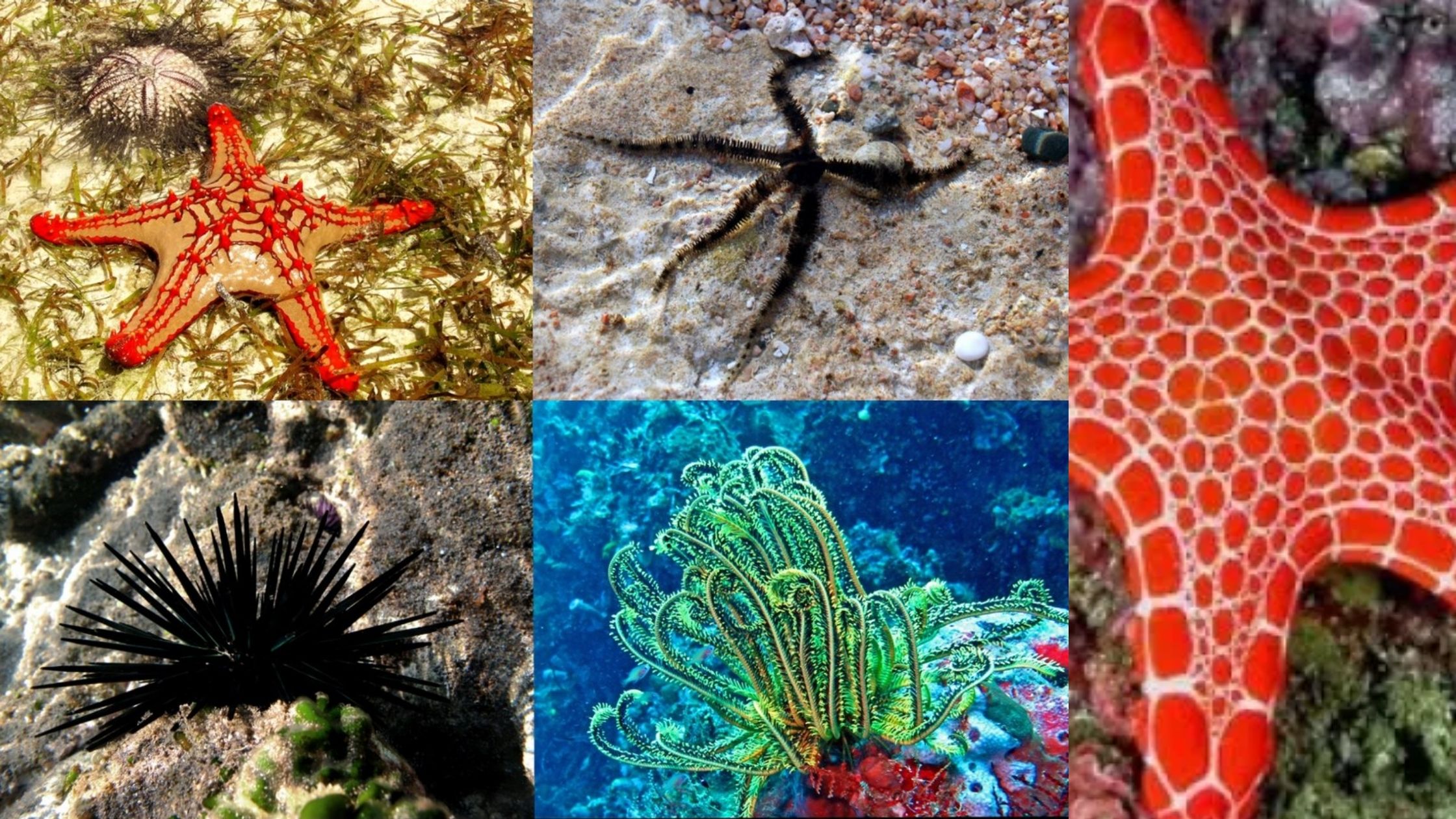
What is Phylum Echinodermata? Phylum Echinodermata Definition Phylum Echinodermata encompasses marine organisms characterized by a calcareous endoskeleton, pentamerous radial symmetry in adulthood, and a specialized water vascular system, with notable members including starfish, sea urchins, and sea cucumbers. Characteristics of Phylum Echinodermata In essence, Phylum Echinodermata represents a diverse group of marine organisms, distinguished by … Read more
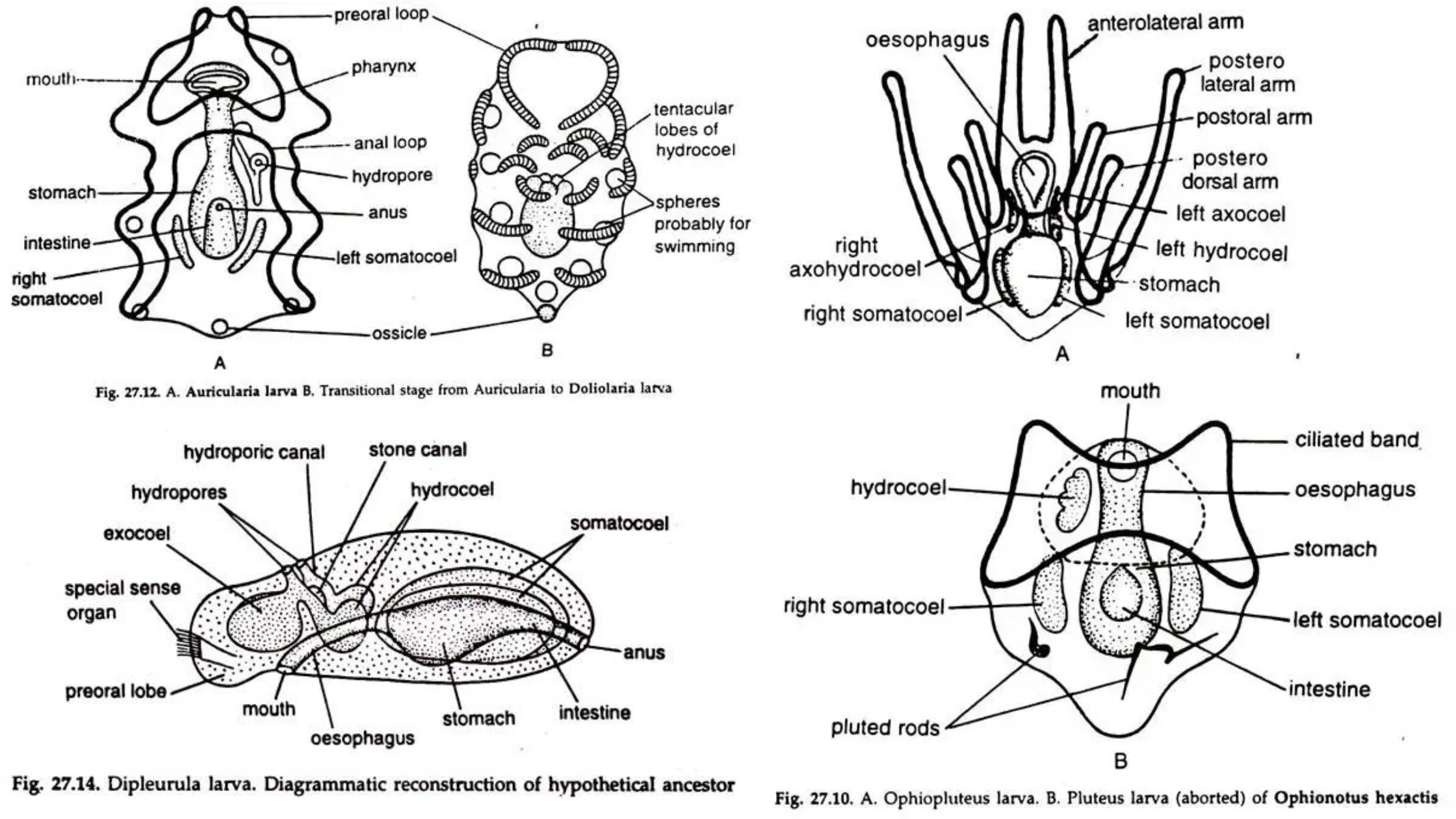
The development of echinoderms is characterized by a unique and intricate process of metamorphosis, which is unlike any other group of animals. Echinoderms exhibit two primary modes of development: direct and indirect. In direct development, there are no distinct larval stages, and the organism proceeds directly from egg to adult. In contrast, indirect development involves … Read more
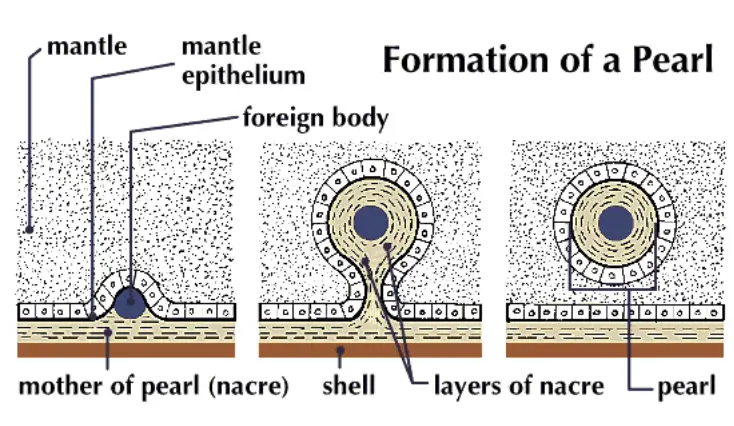
Pearls are organic gemstones produced by certain bivalve mollusks, such as oysters and mussels. These remarkable structures form in response to irritants that enter the mollusk’s shell. When an irritant, such as a parasite or grain of sand, enters the mollusk, it triggers a defensive mechanism. The mollusk secretes layers of aragonite and conchiolin, substances … Read more
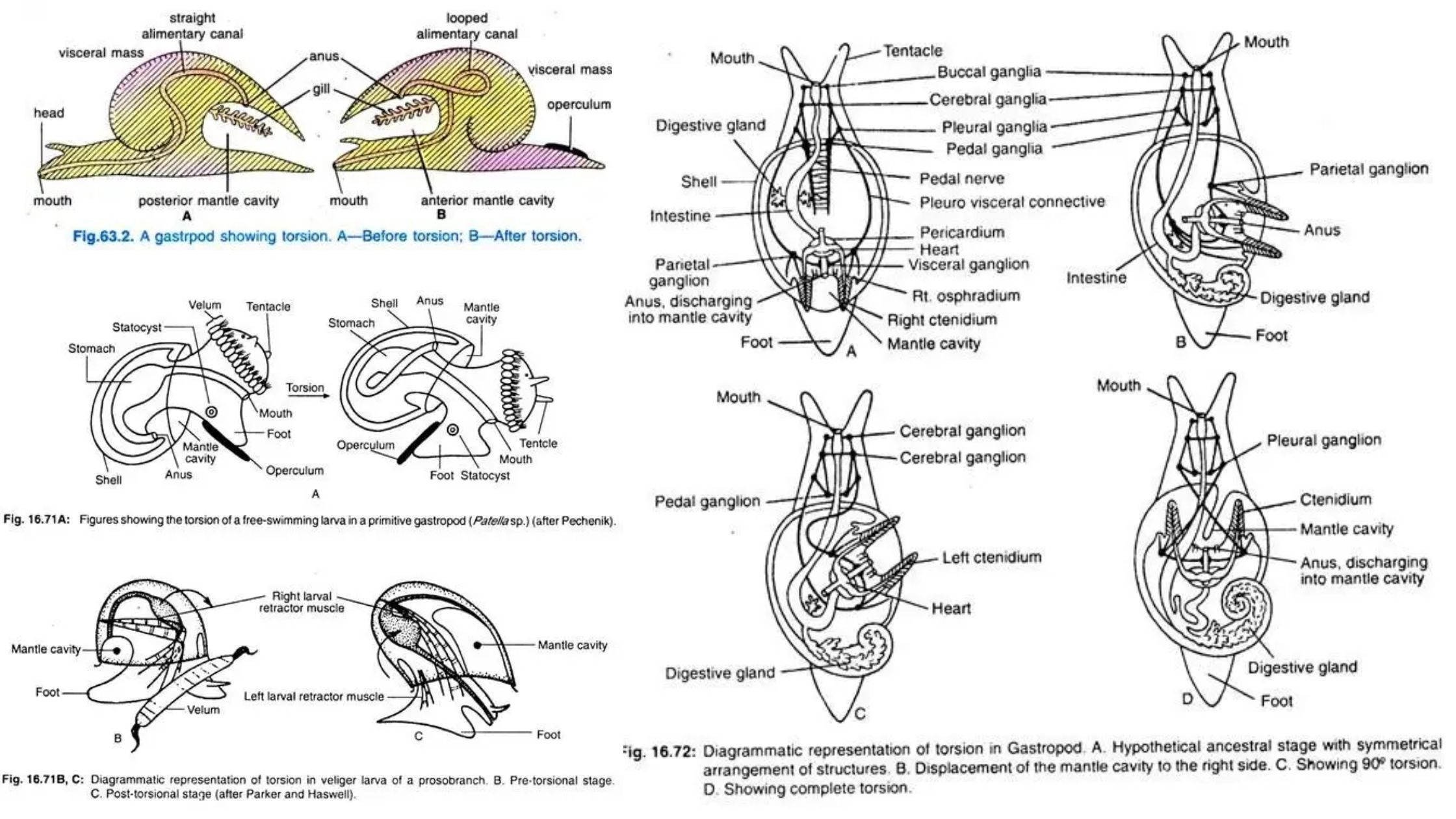
What is Torsion? Conditions before Torsion The following points outline the key features and conditions that are present in the veliger larva prior to the onset of torsion: How Torsion Occurs Torsion in gastropods is a complex, stepwise process that leads to the twisting of visceral organs in a counterclockwise direction, resulting in a significant … Read more
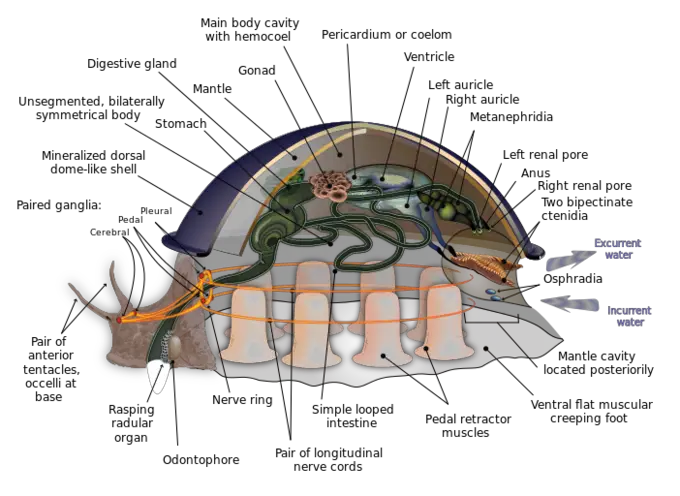
Types of Respiration in Mollusca Mollusca exhibit various types of respiration, depending on their habitat and morphology. Their respiratory systems are adapted to meet the specific demands of their environments. The three primary types of respiration in mollusks are cutaneous, branchial, and pulmonary respiration. Aquatic Respiration in Mollusca Aquatic respiration in mollusks involves the extraction … Read more
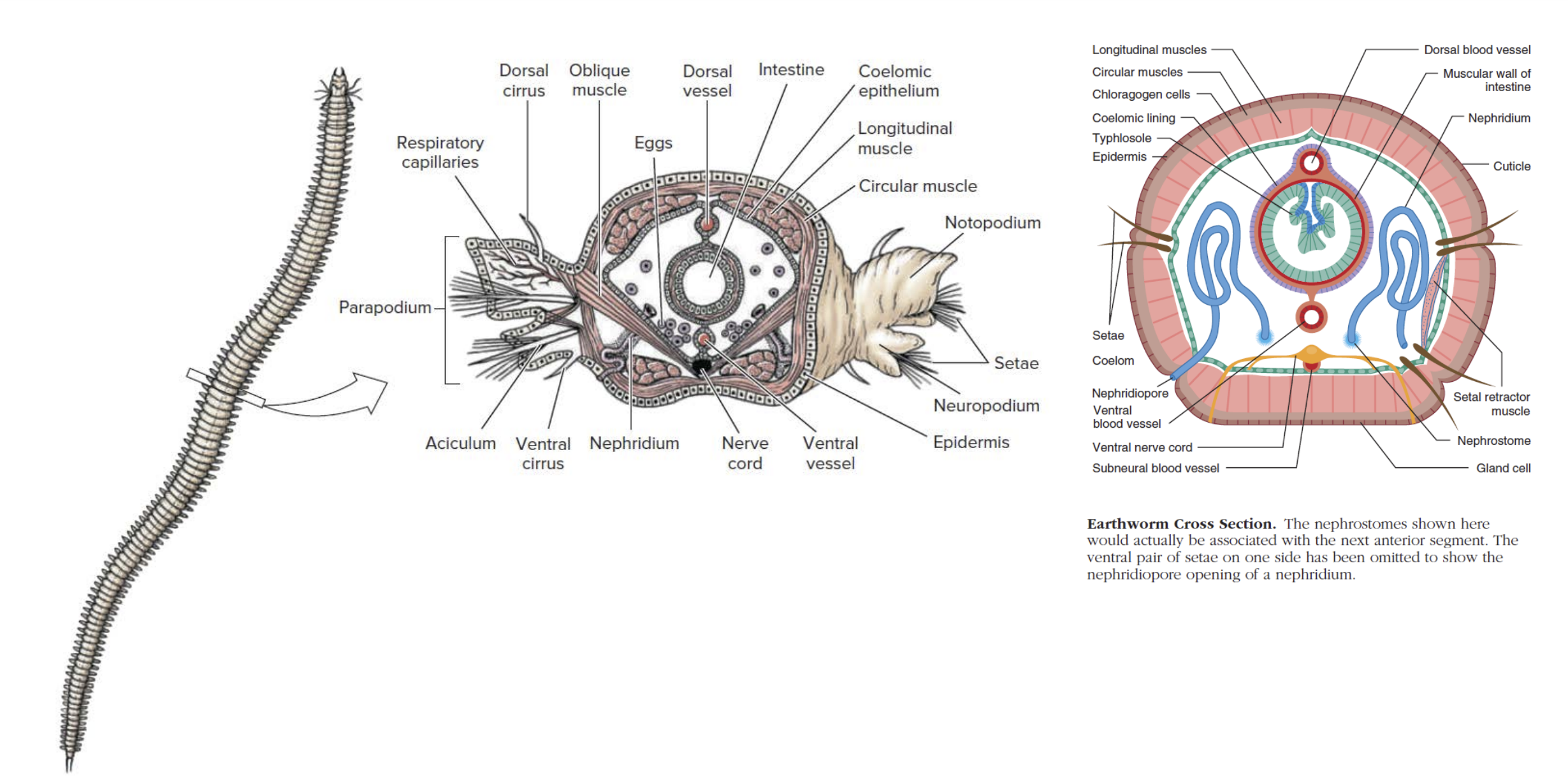
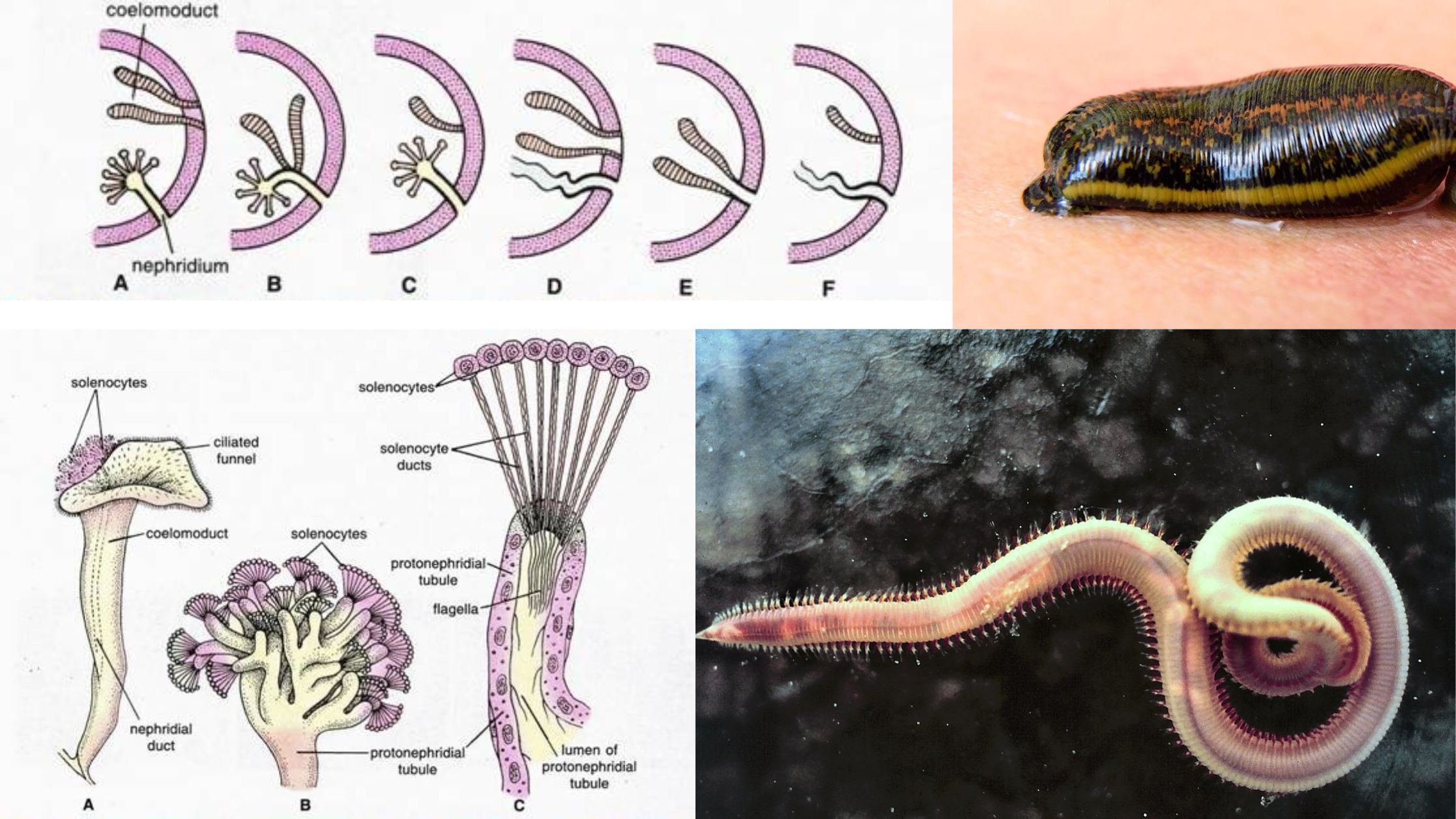
Excretion in Annelida What is nephridia? Nephridia are specialized excretory structures found in many invertebrates, including annelids, that play a crucial role in eliminating metabolic wastes and maintaining osmotic balance. These tubular organs function similarly to kidneys in higher animals, facilitating the removal of waste products and regulating internal fluid composition. In annelids, such as … Read more
Kingdom: Animalia Clade: Bilateria Clade: Nephrozoa (unranked): Protostomia (unranked): Spiralia Superphylum: Lophotrochozoa Phylum: AnnelidaLamarck, 1809 Morphology of Annelida Below is a detailed description of the key morphological traits of annelids: Anatomy of Annelida General Characters of Phylum Annelida Organ System of Phylum Annelida Below is an overview of the major organ systems found in annelids, … Read more
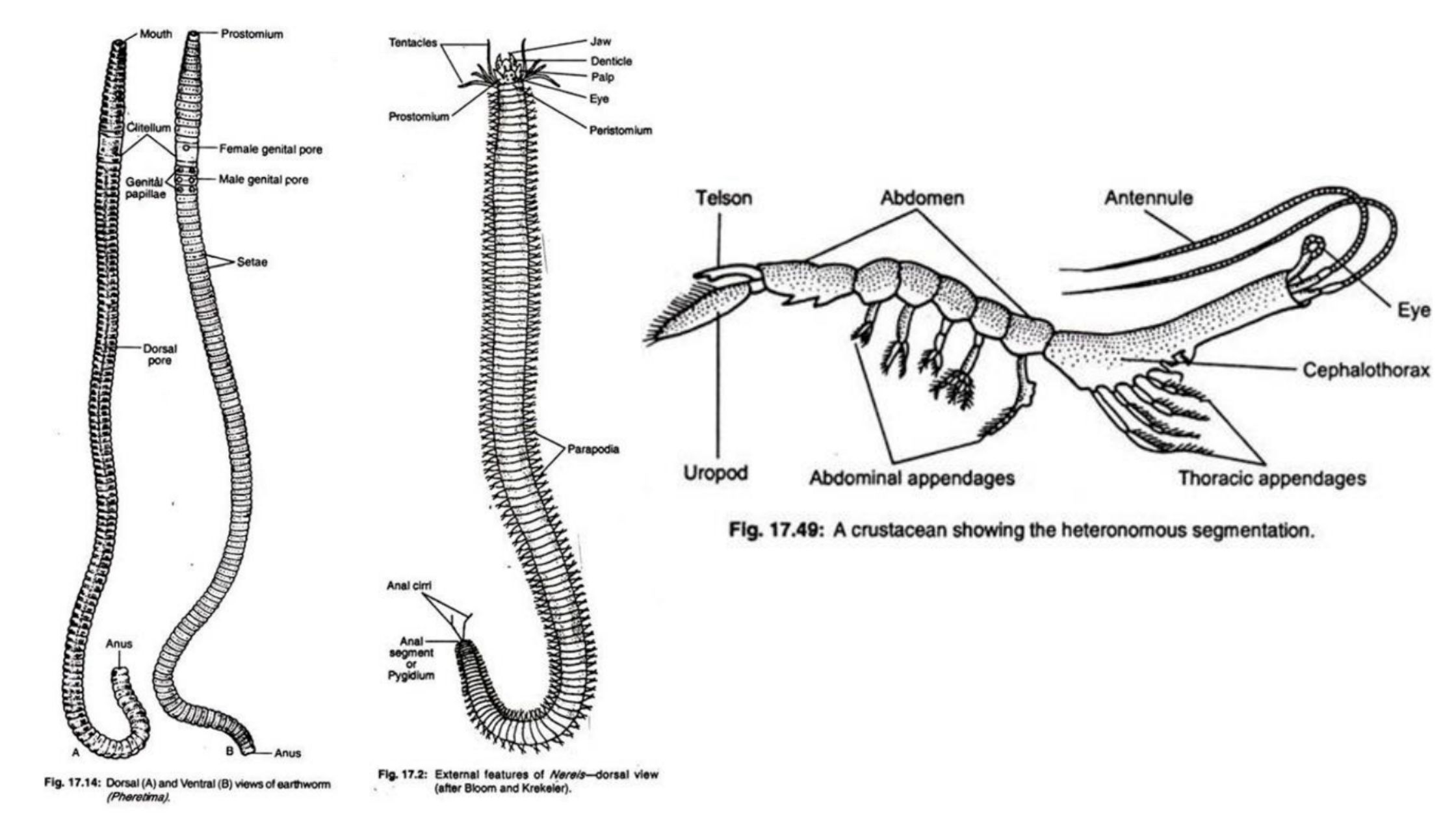
What is Metamerism? Occurrence of Metamerism The occurrence of metamerism, a body organization in which segments are repeated serially along an organism’s body, can be observed across several distinct groups in the animal kingdom. This type of segmentation, although relatively rare, provides significant structural and functional advantages, contributing to the adaptability and evolution of certain … Read more