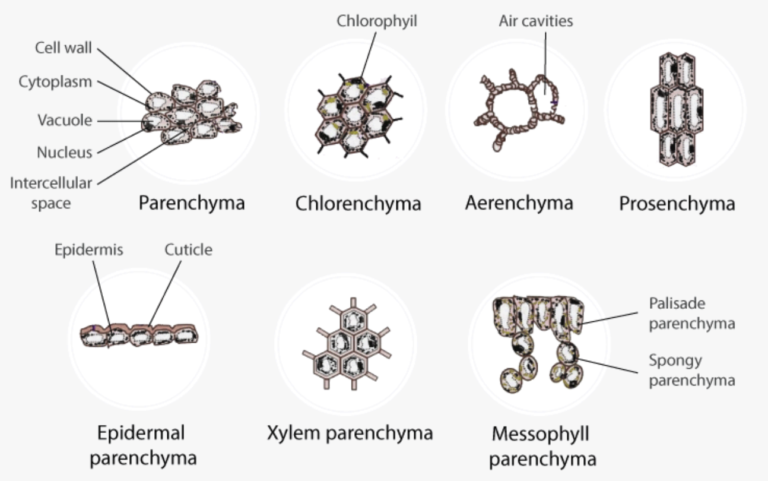
What is Parenchyma Tissue? Characteristics of Parenchyma Parenchyma tissue is a crucial component in plant biology, characterized by its living cells that play significant roles in various physiological processes. The following points outline the main characteristics of parenchyma tissue, highlighting its functions and structural attributes. Structure of Parenchyma Cells Parenchyma cells represent a fundamental component
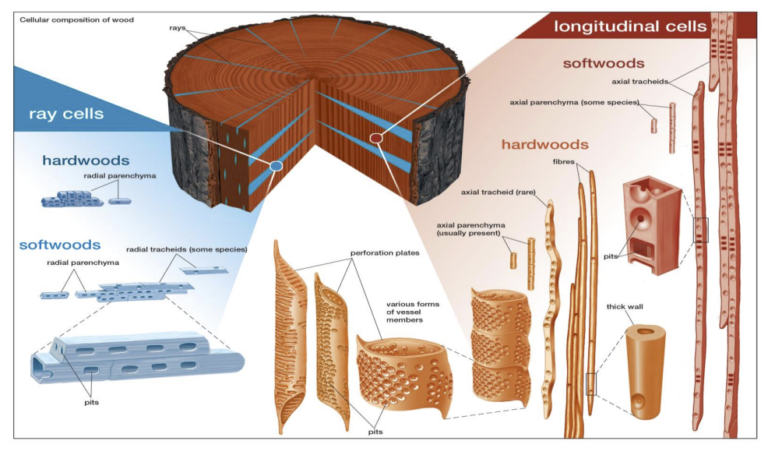
Wood, or secondary xylem, is a complex tissue derived from the vascular cambium, primarily found in the stems and roots of both gymnosperm and angiosperm-dicotyledonous plants. The study of wood through microscopic observation is termed xylotomy. This narrative explores the intricate structure and classification of wood, detailing its components and their functions. Ray parenchyma Ray
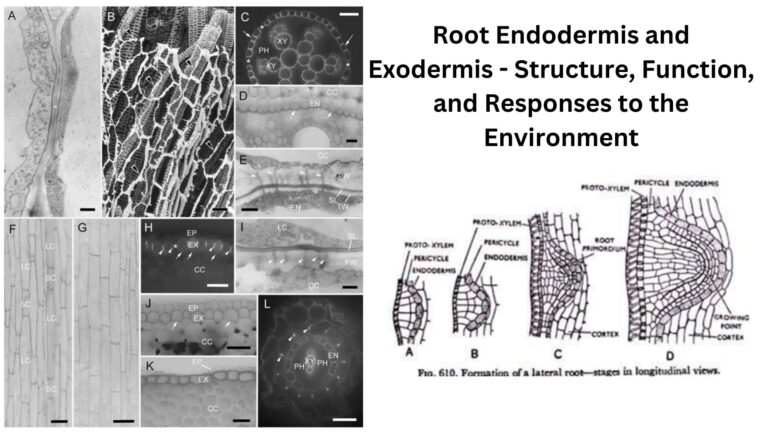
What is endodermis? Structure of endodermis The endodermis is a specialized layer of cells that plays a crucial role in the roots of vascular plants. Its structure is uniquely designed to fulfill specific functions essential for the regulation of water and nutrient uptake while providing protection against environmental stressors. Below are the key structural features
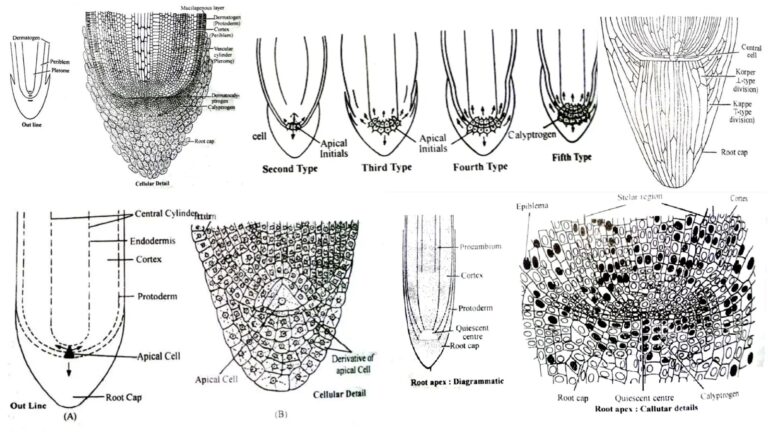
What is Root Cap? Definition of Root Cap The root cap is a protective, cap-like structure at the tip of a plant root, composed of parenchyma cells. It safeguards the sensitive root tip during growth through soil, facilitates downward root growth through gravity perception, and secretes mucilage to ease movement through soil. Structure of Root
What is root apex? Root Apical Meristem (RAM) The root apical meristem (RAM) represents a vital component in the growth and development of plant roots. Situated at the sub-apical region of the root’s apex, this area is responsible for generating the internal tissues of roots, which are crucial for their function. The RAM is characterized
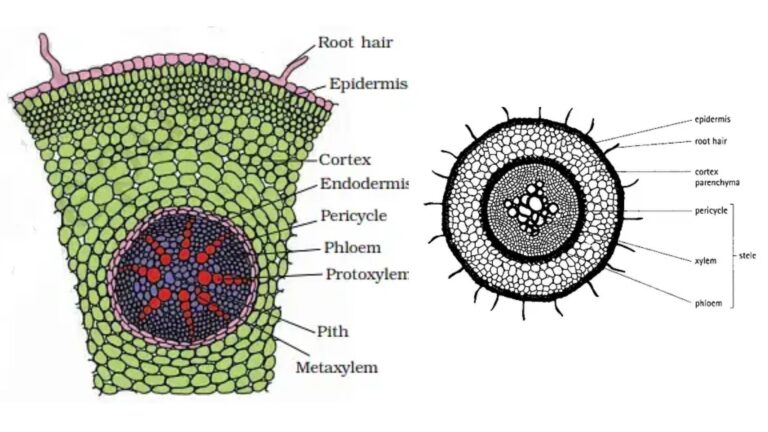
What is Monocot Root? What is Dicot Root? Characteristics of Monocot and Dicot Roots Monocot and dicot roots exhibit distinct structural and functional characteristics that differentiate them from each other. Here’s a comparison based on key features: Characteristics of Monocot Roots: Characteristics of Dicot Roots: Structure of Monocot and Dicot Root The structure of both
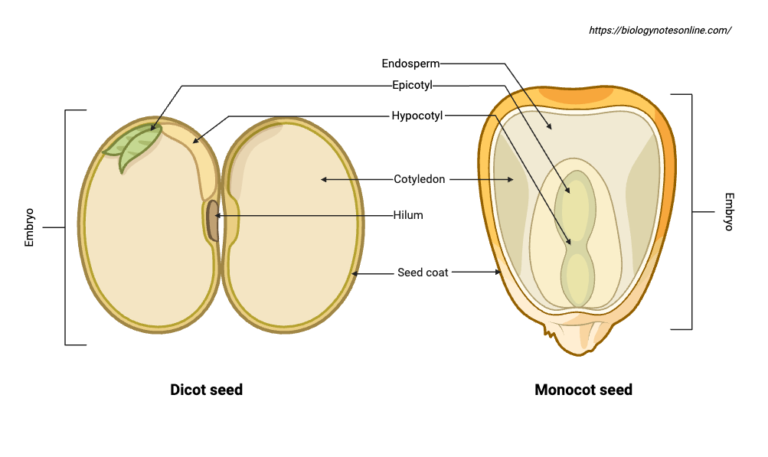
What is Monocot Seed? What is Dicot Seed? Characteristics of Monocot and Dicot Seeds Below is a detailed comparison based on key traits: Structure of Monocot and Dicot Seed The structure of monocot and dicot seeds can be understood by examining their major components. These components serve distinct roles in the development and protection of
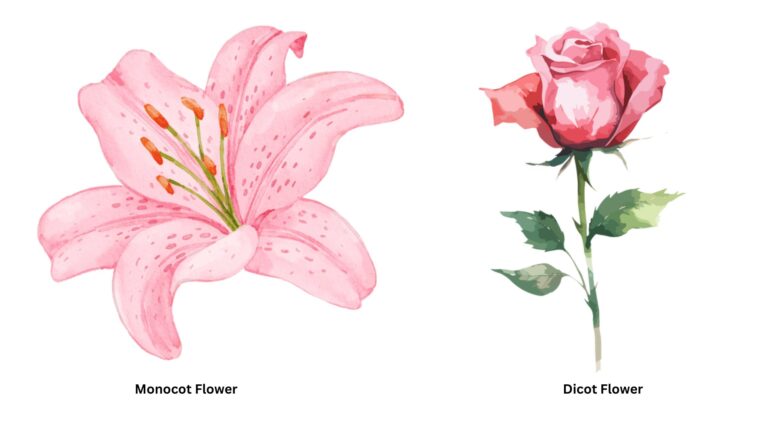
What is Monocot Flower? Characteristics of Monocot Flower Monocot flowers, belonging to the group of flowering plants known as monocotyledons, exhibit several distinctive characteristics that set them apart from dicot flowers. Here are the key features of monocot flowers: What is Dicot Flower? Characteristics of Dicot Flower Dicot flowers, found in the group of flowering
What is Kranz Anatomy? Kranz Anatomy in C4 Plants Kranz anatomy represents a unique structural adaptation in the leaves of C4 plants, specifically designed to enhance the efficiency of photosynthesis in challenging environmental conditions, such as high temperatures and aridity. This specialized arrangement allows these plants to concentrate carbon dioxide (CO₂) around the enzyme ribulose
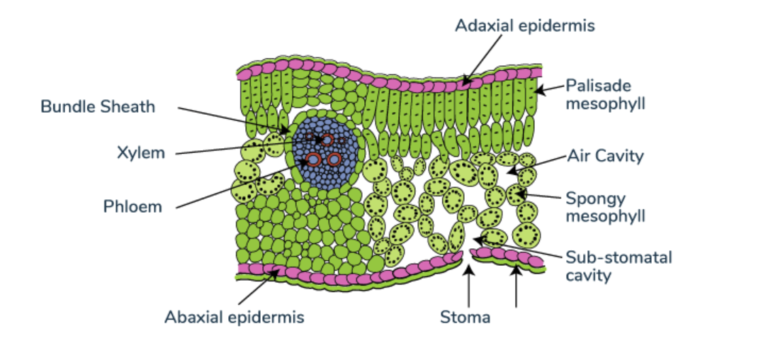
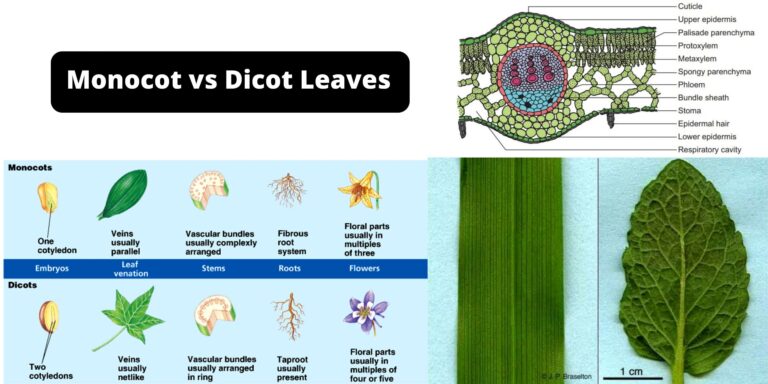
What are Monocot Leaves? Characteristics of Monocot Leaf Monocot leaves exhibit a range of distinct characteristics that contribute to their unique structural and functional attributes. Understanding these features is essential for students and educators who seek to grasp the differences between monocots and other plant types, such as dicots. What are Dicot Leaves? Characteristics of