How to Use a Compound Microscope

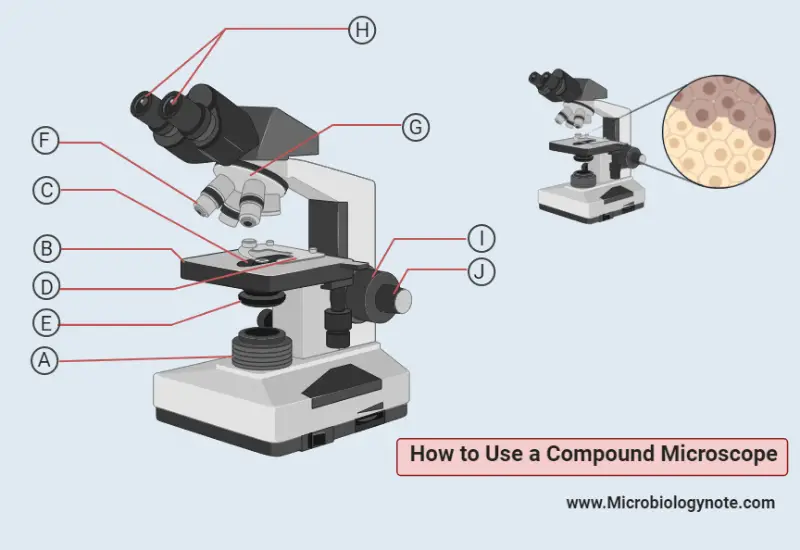
A compound microscope is a laboratory instrument with high magnification power, which is consists of more than one lenses.

 Editorial Team
A compound microscope is a laboratory instrument with high magnification power, which is consists of more than one lenses.
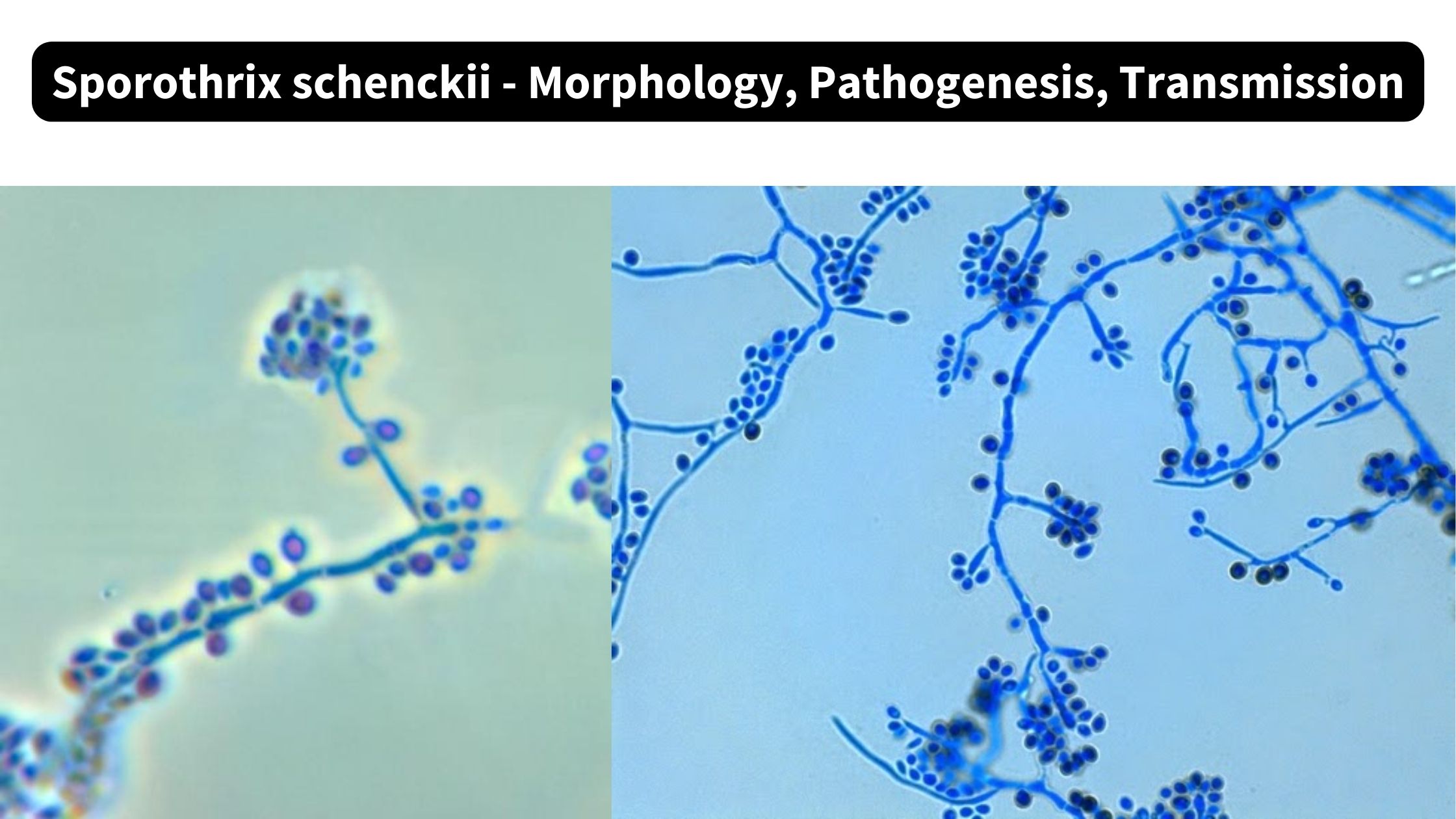
Sporothrix schenckii is a globally distributed fungus that was first isolated from a human specimen in 1896 by medical student Benjamin Schenck. The species is found in soil as well as on living and decaying plant matter, such as peat moss, and in soil. It is capable of infecting both humans and animals and is … Read more
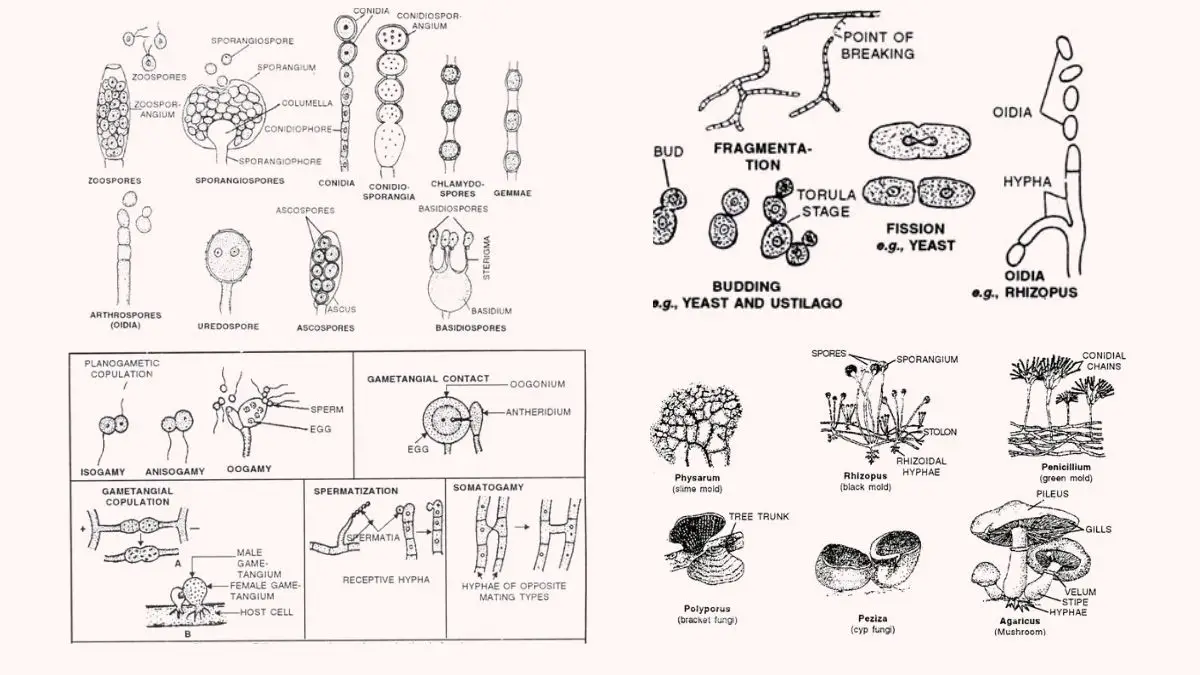
In this article, we will learn about the Types of Fungi and Their Reproduction. There are present 5 types of fungi such as Chytridiomycota, Zygomycota, Glomeromycota, Ascomycota, and Basidiomycota. Fungi reproduce by vegetative, sexual, and asexual method. The sexual reproduction is accomplished by the mating of haploid hyphae and form a diploid spore called a … Read more
In this article, we will learn about the Economic Importance of Fungi in agriculture, industries, medicine, etc. There are present a huge number of fungi, which has tremendous economic importance to humans. Every day we benefited or were harmed directly or indirectly by those fungi. They help in yielding antibiotics, maintain the soil fertility, cause … Read more
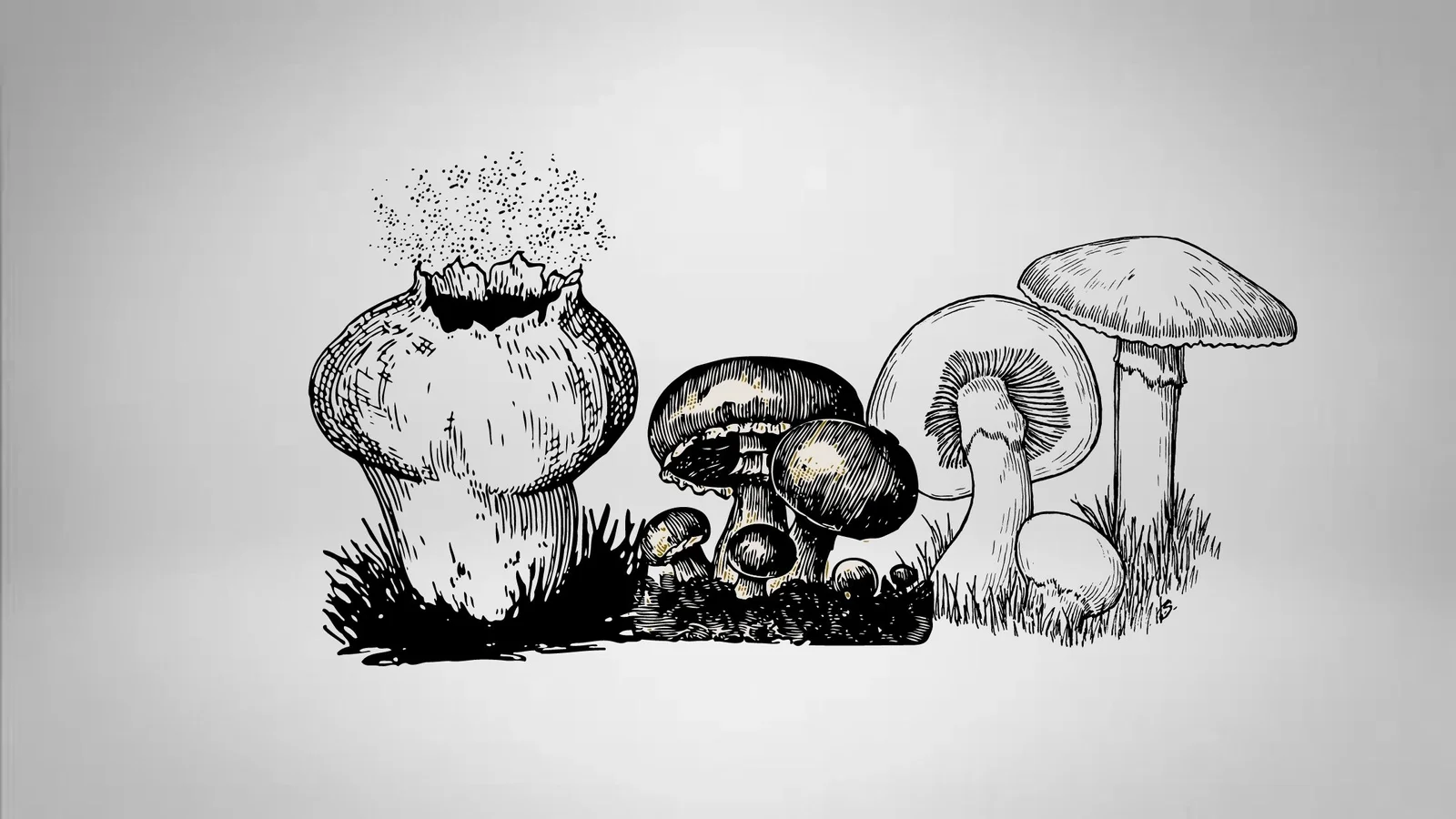
There are different modes of reproduction in fungi such as sexual, asexual, and vegetative modes of reproduction. There are involve different methods in asexual mode, sexual mode, and vegetative mode of reproduction, each of these methods are discussed below; Different modes of reproduction in fungi Mainly there are three types of reproduction in fungi such … Read more
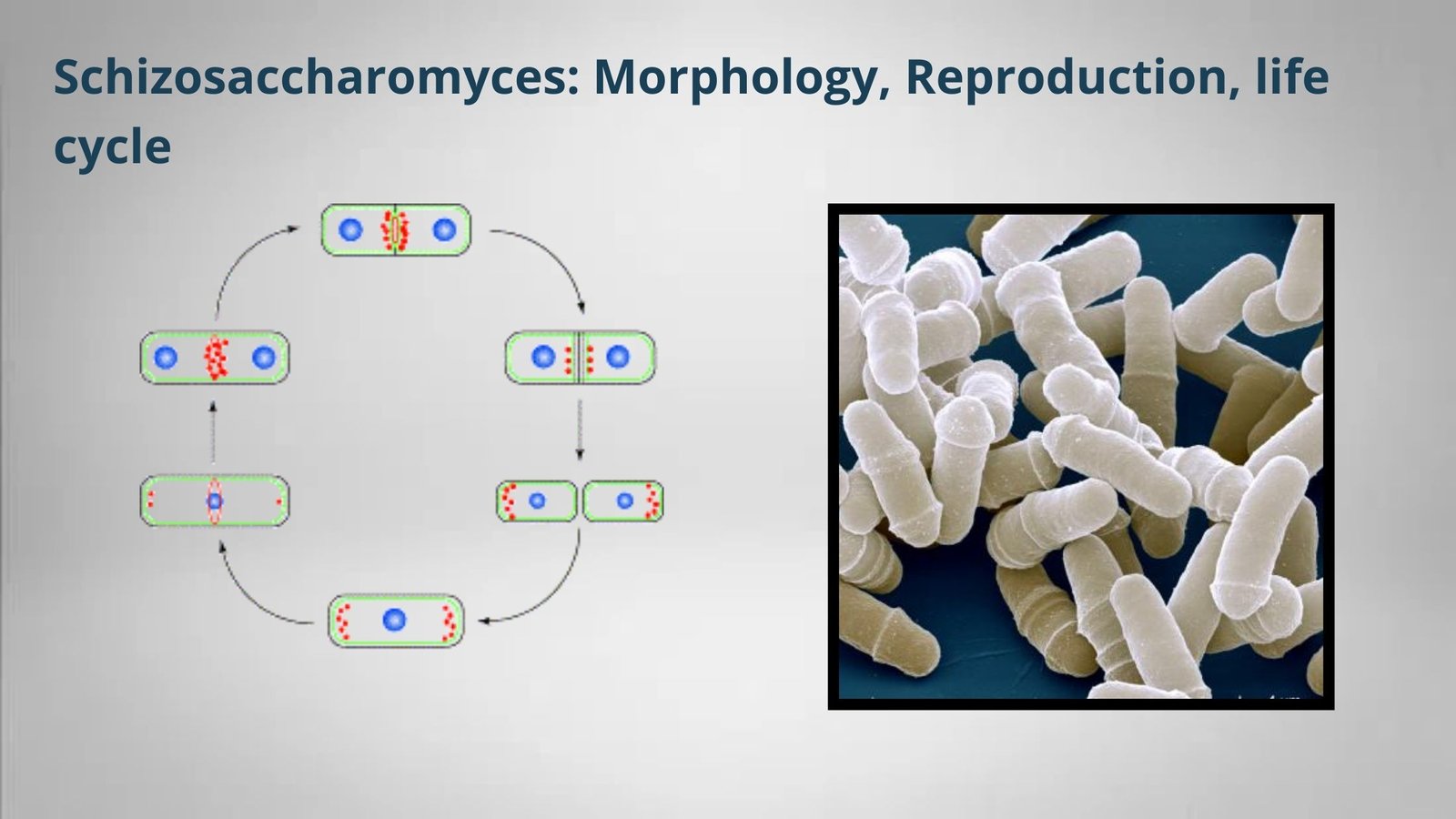
The S. octosporous contain a haploid somatic cell. During the favorable condition, cells undergo through asexual cycle known as fission and haplobiontic sexual cycle.
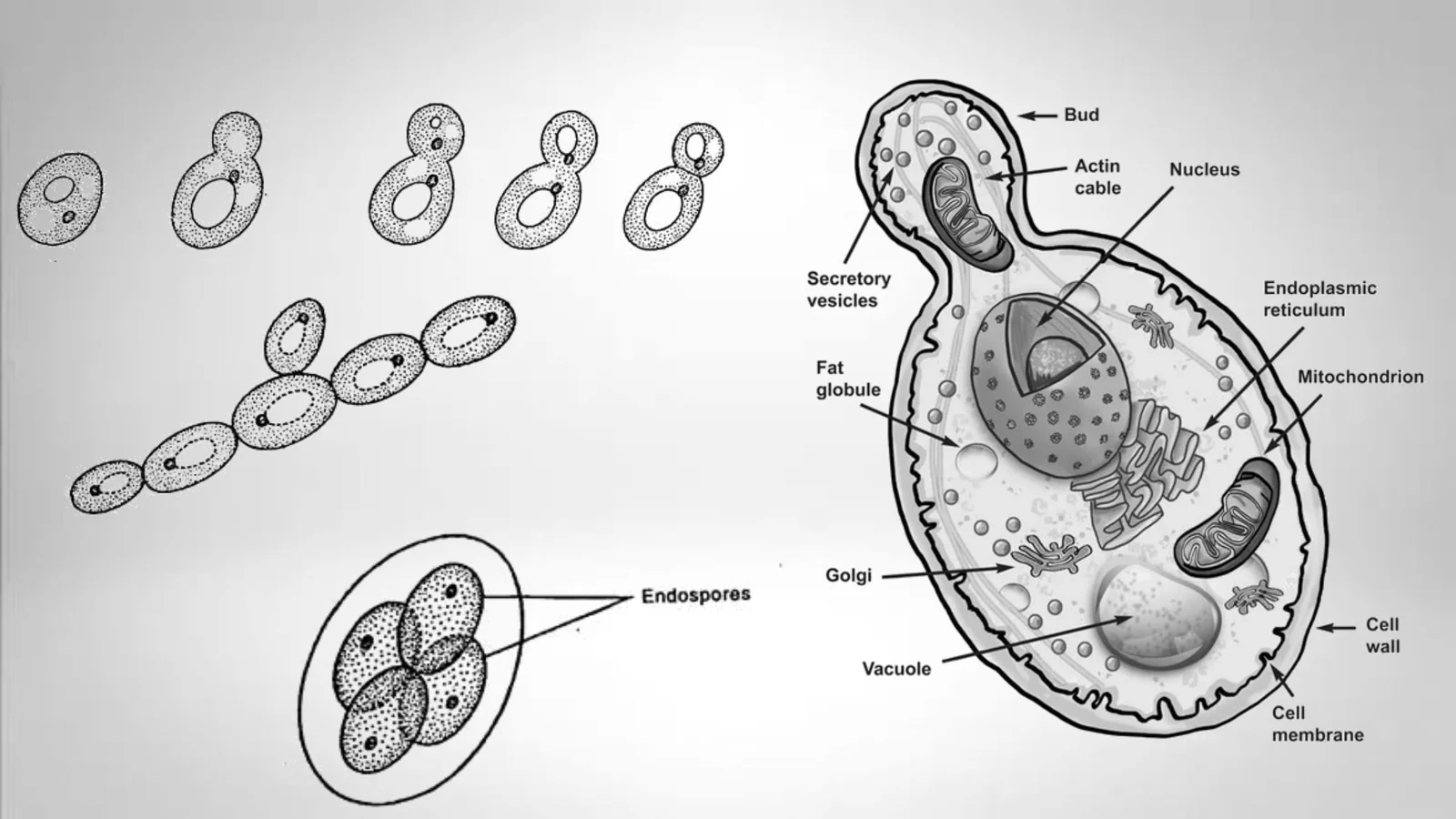
Yeast or Saccharomyces cerevisiae is a eukaryotic, unicellular microorganism and a member of the fungus kingdom. These are the unicellular microorganism which is evolved from multicellular ancestors.
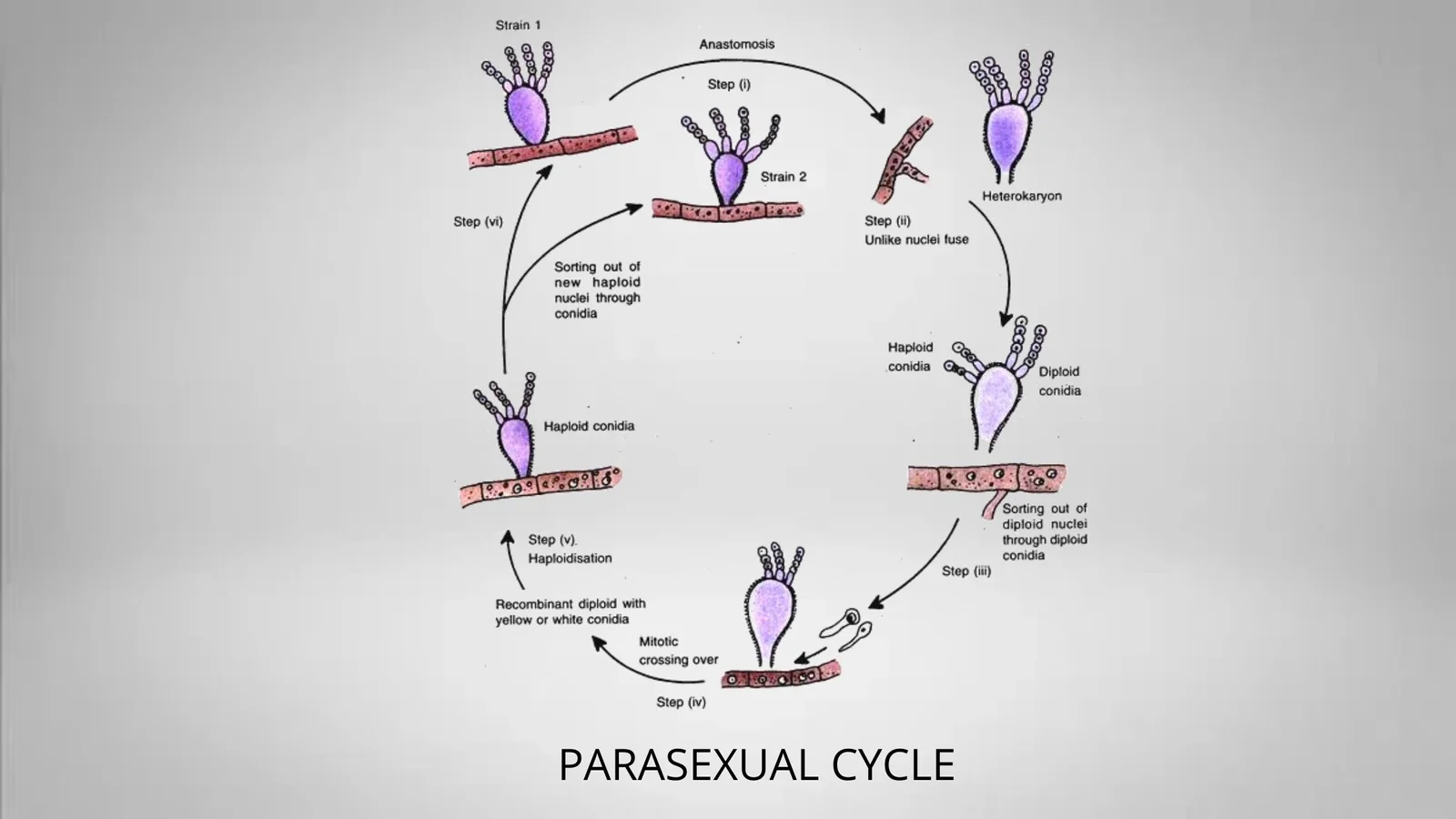
The Parasexual Cycle is defined as a cycle in which plasmogamy, karyogamy and meiosis (haploidisation) take place but not at a specified time or at specified points in the life-cycle of an organism.

Sometimes referred to as saprotrophs saprophytes are organisms that receive nutrition from decaying and dead organic matter, particularly plant matter.
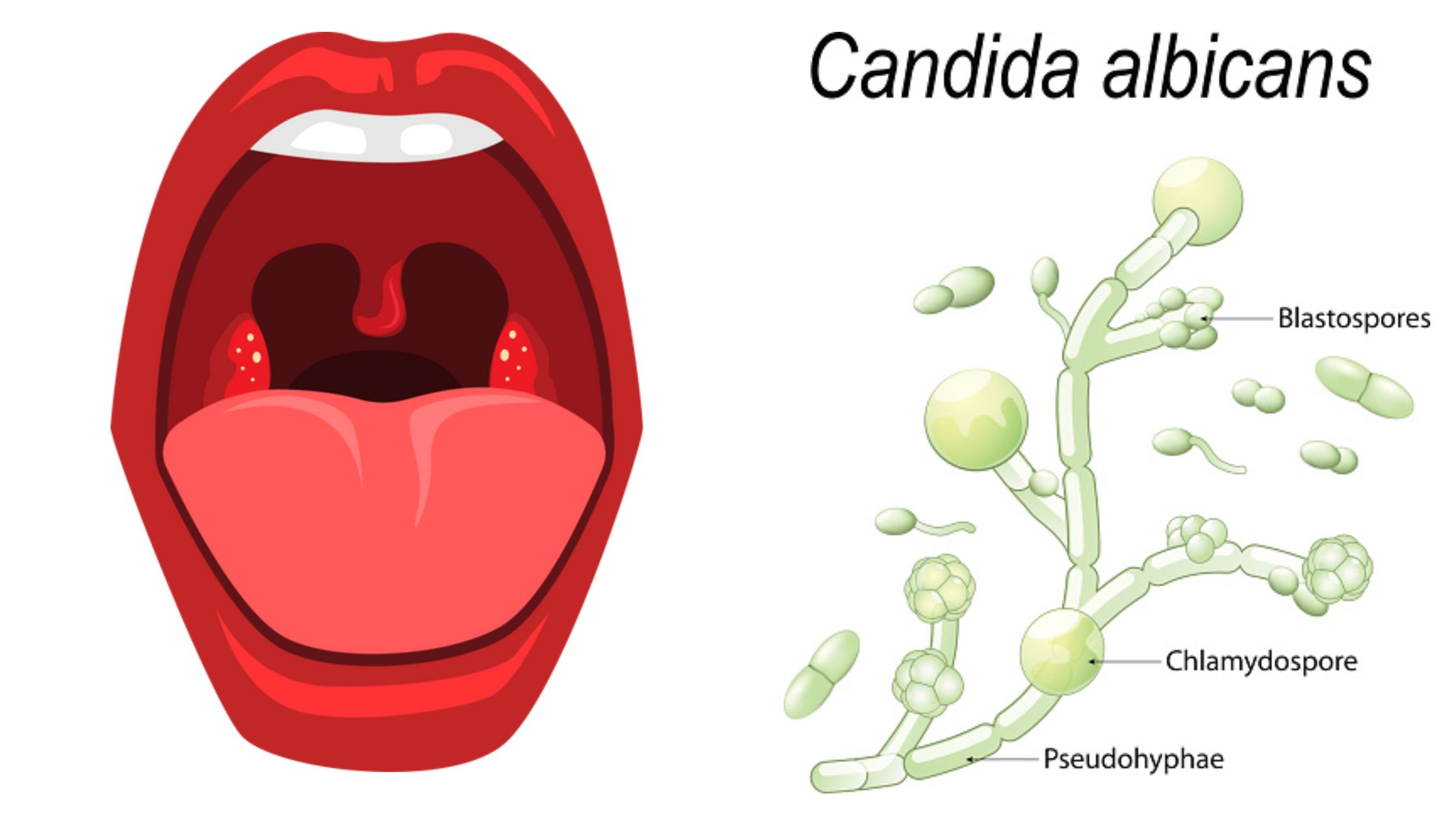
Candidiasis Properties Pathogenesis and Immunity Candida spp. are typically present as part of the normal flora on the oral cavity, gastrointestinal system, and vaginal mucosa. Candida exhibits colonisation at these sites in over 80% of healthy individuals. However, the organism is rarely seen on the surface of normal human skin, with the exception of the … Read more