

What is Non-communicable disease?
- Non-communicable diseases (NCDs) are a category of health conditions that cannot be transmitted from one individual to another. These diseases are typically chronic, meaning they persist for a long duration and often progress gradually. NCDs include a variety of health issues such as cardiovascular diseases, cancers, diabetes, and chronic respiratory disorders. Unlike infectious diseases, which are caused by pathogens like bacteria or viruses and can spread from person to person, NCDs result from a combination of genetic, environmental, and behavioral factors.
- A key characteristic of NCDs is their complexity in terms of causation. They often involve multiple risk factors, such as unhealthy diets, physical inactivity, tobacco use, excessive alcohol consumption, and genetic predispositions. High blood pressure, high cholesterol, obesity, and other metabolic factors contribute significantly to the development of these diseases. These factors can trigger long-term processes that lead to severe health complications, such as heart attacks, strokes, certain cancers, and obstructive lung diseases.
- Globally, NCDs are responsible for more than 60% of all deaths, making them a critical public health challenge. They are particularly prevalent in developed countries, but their incidence is rising rapidly in developing nations due to changing demographics and lifestyle shifts associated with urbanization. The increasing burden of NCDs in these countries is concerning, as it threatens not only the health of populations but also the social and economic development of nations. Without concerted global efforts, the number of NCD-related deaths is expected to continue to grow in the coming decades.
- The risk factors for NCDs are largely preventable. Interventions focused on modifying these risk factors can reduce the prevalence and impact of these diseases. Public health strategies often emphasize improving lifestyle choices through better nutrition, increased physical activity, smoking cessation, and the reduction of alcohol consumption. Additionally, early detection and better healthcare systems are crucial in managing the progression of NCDs and improving long-term health outcomes.
- NCDs, due to their prolonged course and complex etiology, present challenges in terms of treatment. A cure is rarely achieved, and the diseases are often marked by functional impairment or disability, which can affect an individual’s quality of life. For instance, stroke and heart disease may lead to long-term disabilities, while cancers may require extended treatment regimens. Thus, while management is possible, preventing NCDs remains the most effective approach.
- Efforts to combat the rise of NCDs are essential to improving public health. While genetic factors cannot always be controlled, lifestyle modifications and environmental changes play a substantial role in reducing the incidence of these diseases. Public health initiatives that focus on education, policy changes, and better healthcare infrastructure are critical in addressing the growing global burden of NCDs.
Types of Non-Communicable Diseases
Non-communicable diseases (NCDs) are chronic health conditions that do not spread from person to person. These diseases are typically long-lasting and progress slowly. They can severely impact an individual’s quality of life and contribute to high mortality rates. NCDs are divided into several categories, each affecting different body systems and requiring specific medical management.
1. Cardiovascular Disease (CVD)
Cardiovascular diseases are disorders related to the heart and blood vessels. These diseases are a leading cause of death worldwide.
Key types include:
- Coronary heart disease: Affects the blood vessels supplying the heart muscle.
- Cerebrovascular disease (Stroke): Affects the blood vessels supplying the brain.
- Peripheral arterial disease: Affects the blood vessels that supply the arms and legs.
- Congenital heart disease: Refers to structural malformations of the heart present at birth.
CVD is often linked to risk factors such as high blood pressure, high cholesterol, smoking, and unhealthy diet.
2. Cancer
Cancer is a term for a group of diseases where abnormal cells divide uncontrollably and can spread to other parts of the body.
Common types of cancer include:
- Cervical cancer
- Lung cancer
- Breast cancer
- Prostate cancer
- Colorectal cancer
- Blood cancer (Leukemia)
Cancer is driven by both genetic and environmental factors, and early detection is crucial for better outcomes.
3. Chronic Respiratory Disease
These diseases affect the airways and structures of the lungs. Chronic respiratory diseases are major contributors to global mortality rates.
Examples include:
- Chronic obstructive pulmonary disease (COPD): Includes conditions like chronic bronchitis and emphysema.
- Asthma
- Occupational lung diseases: Caused by inhaling harmful substances at work.
- Pulmonary hypertension: High blood pressure in the lungs.
Cigarette smoking, air pollution, and occupational hazards are major risk factors for these diseases.
4. Diabetes
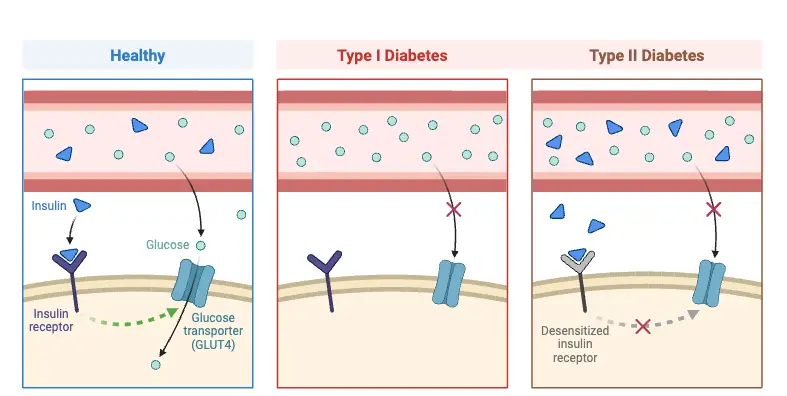
Diabetes is a metabolic condition characterized by high blood sugar levels. The body either does not produce enough insulin or cannot effectively use the insulin it produces.
There are four main types of diabetes:
- Type 1 Diabetes: The body cannot produce insulin.
- Type 2 Diabetes: The body does not produce enough insulin or the insulin is ineffective.
- Gestational diabetes: Occurs during pregnancy.
- Pre-diabetes: A condition where blood sugar is higher than normal but not yet high enough to be diagnosed as diabetes.
Type 2 diabetes is the most common form, largely influenced by lifestyle factors such as diet and physical inactivity.
5. Chronic Neurological Disorders
These diseases affect the nervous system, leading to a range of neurological impairments.
Conditions include:
- Parkinson’s disease
- Amyotrophic lateral sclerosis (ALS)
- Huntington’s disease
- Alzheimer’s disease
- Multiple sclerosis
- Epilepsy
Symptoms vary but often involve muscle weakness, coordination problems, confusion, and loss of sensation. These disorders may stem from genetic causes, injury, or environmental factors.
6. Musculoskeletal Diseases
Musculoskeletal disorders (MSDs) affect the joints, muscles, bones, and related structures. These diseases can result from trauma, repetitive movements, or poor posture.
Common conditions include:
- Arthritis: Inflammation of the joints.
- Osteoporosis: Weakening of bones, making them prone to fractures.
- Tendonitis and bursitis: Inflammation of tendons and the sacs around joints.
- Muscular dystrophy: A group of diseases causing muscle weakness.
These conditions often cause chronic pain, fatigue, and disability, affecting daily functioning.
7. Unintentional Injuries
Unintentional injuries, also known as accidents, are injuries that occur without intent to harm. They can happen to anyone, but children and the elderly are especially vulnerable.
Types include:
- Motor vehicle accidents
- Falls
- Drug overdoses
- Fires
Severity can vary, and recovery often depends on the nature of the injury. Disabilities may result from these incidents, and prevention measures are important for reducing risk.
Control of Non-Communicable Diseases (NCDs)
Non-communicable diseases (NCDs), such as heart disease, cancer, diabetes, and chronic respiratory conditions, are major global health concerns. These diseases account for 74% of global deaths each year, impacting individuals across all age groups. Many NCDs are preventable and manageable with the right approach. Here’s a breakdown of effective strategies for controlling them.
- Reduce Key Risk Factors
- Tobacco Use: Governments must implement strict tobacco control policies, including regulation of sales, comprehensive smoking cessation programs, and public education on the dangers of smoking.
- Unhealthy Diets: Raising awareness of healthy eating habits, regulating food marketing, and improving food labeling can help reduce obesity and its associated diseases.
- Physical Inactivity: Community-based programs, urban design that promotes walking, and workplace wellness initiatives can encourage more physical activity in daily life.
- Alcohol Misuse: Policies such as higher taxes on alcohol, advertising restrictions, and campaigns promoting responsible drinking are key to reducing harmful alcohol consumption.
- Health Promotion and Education
- Community Engagement: Empowering communities to take charge of their health through local campaigns and education programs can create lasting behavioral changes.
- School Programs: Integrating health education into school curricula ensures that children learn healthy habits from a young age, which can help shape long-term behaviors.
- Early Detection and Management
- Screening Programs: Regular screening for conditions like hypertension, diabetes, and cancer allows for early detection and timely treatment, improving long-term outcomes.
- Access to Healthcare: Ensuring that NCD services are integrated into primary healthcare systems makes healthcare more accessible and affordable for those at risk or already diagnosed.
- Policy Development and Implementation
- National Action Plans: Countries must develop and implement comprehensive national strategies focused on NCD prevention and control. For example, India’s NP-NCD initiative aims to reduce premature mortality from NCDs through targeted interventions.
- Regulatory Measures: Enforcing regulations on food safety, tobacco control, and alcohol sales is essential in creating a healthier environment for individuals.
- Surveillance and Research
- Data Collection: Robust surveillance systems are needed to track the prevalence of NCDs and risk factors, helping to refine prevention and management strategies.
- Research: Supporting research into new treatments and preventive measures, as well as understanding the social determinants of health, can strengthen overall NCD control efforts.
- Global Cooperation
- WHO Initiatives: The World Health Organization plays a pivotal role in guiding countries to implement effective strategies. Its Global Action Plan aims for significant reductions in NCD-related mortality by 2030 through multi-sectoral approaches and international cooperation.
Examples of Non-Communicable Diseases (NCDs)
Non-communicable diseases (NCDs) are not passed from one person to another but develop over time, often as a result of unhealthy lifestyle choices or environmental factors. These conditions can affect anyone, regardless of age, and often lead to long-term health complications or death. Here’s a deeper look at some of the most common NCDs.
- Cardiovascular Diseases
- Includes conditions like heart disease, stroke, and hypertension (high blood pressure).
- These diseases are often linked to risk factors such as poor diet, lack of physical activity, smoking, and excessive alcohol use.
- Cancers
- This includes various forms of cancer, such as lung cancer, breast cancer, and colon cancer.
- The development of cancer is influenced by both environmental factors (like exposure to tobacco smoke or radiation) and lifestyle choices (such as diet and exercise).
- Diabetes
- Type 2 diabetes is the most common form, typically caused by poor diet, lack of exercise, and obesity.
- Over time, it can lead to complications like kidney failure, heart disease, and nerve damage if not properly managed.
- Chronic Respiratory Diseases
- Conditions like chronic obstructive pulmonary disease (COPD) and asthma fall into this category.
- Smoking and long-term exposure to air pollution are major contributors to these diseases.
- Kidney Diseases
- Chronic kidney disease is often linked to conditions like diabetes and hypertension.
- It can lead to kidney failure and requires ongoing treatment like dialysis or, in some cases, a kidney transplant.
- Neurological Disorders
- This includes diseases such as Alzheimer’s disease and Parkinson’s disease.
- These conditions primarily affect the brain and nervous system, leading to cognitive decline and motor dysfunction.