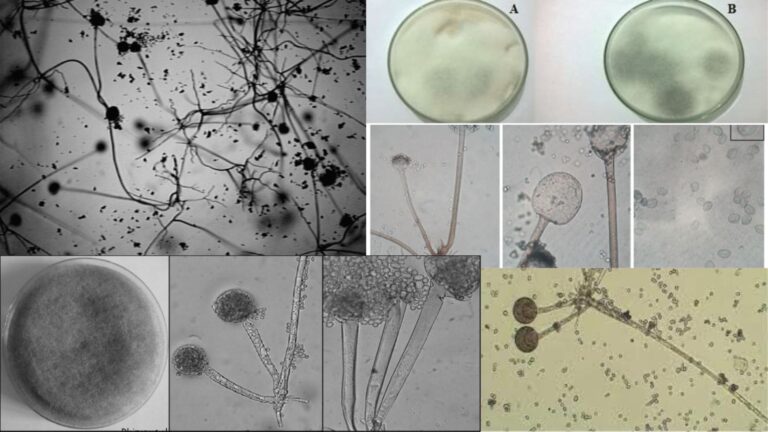
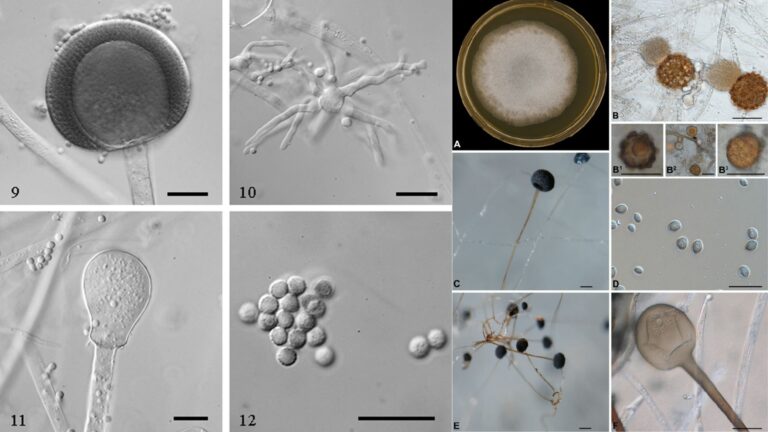
Rhizopus oligosporus classification Rhizopus oligosporus is a filamentous fungus belonging to the kingdom Fungi and the phylum Zygomycota (also known as the phylum Glomeromycota). It is further classified into the following taxonomic ranks: So, the complete taxonomy classification of Rhizopus oligosporus is as follows: Morphology of Rhizopus oligosporus The morphology of Rhizopus oligosporus can be
Rhizopus species, such as Rhizopus microsporus, are frequently associated with mucormycosis, a fatal fungal infection that affects immunocompromised patients. Mucormycosis necessitates the development of new therapeutic modalities due to its escalating prevalence, unacceptably high mortality rate, and the extreme morbidity of its highly disfiguring surgical treatment. Creative Biolabs has the knowledge and experience in the
Growth of prevalent filamentous fungi in foods may result in the production of mycotoxins, which can cause a variety of adverse effects in humans, including allergic reactions, immunosuppression, and cancer. Mycotoxins aflatoxins, ochratoxin A, fumonisins, tnchothecenes, and zearalenone are the most significant. Aflatoxins are potent carcinogens and, in conjunction with the hepatitis B virus, are
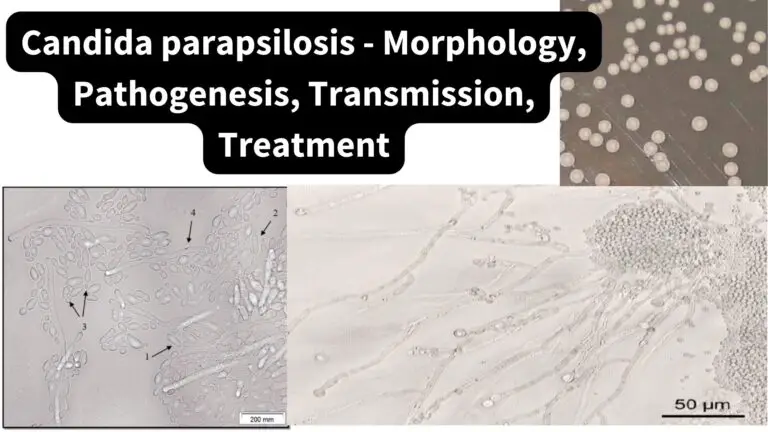
Kingdom: Fungi Division: Ascomycota Class: Saccharomycetes Order: Saccharomycetales Family: Saccharomycetaceae Genus: Candida Species: C. parapsilosis What is Candida parapsilosis? Taxonomy of Candida parapsilosis The taxonomy of Candida parapsilosis is as follows: Candida parapsilosis belongs to the kingdom Fungi and the phylum Ascomycota, which includes a diverse group of fungi. It falls under the class Saccharomycetes, which
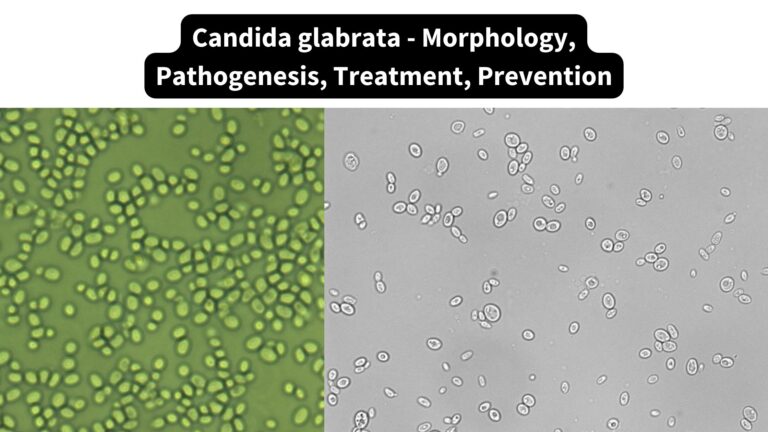
Kingdom: Fungi Division: Ascomycota Class: Saccharomycetes Order: Saccharomycetales Family: Saccharomycetaceae Genus: Candida Species: C. glabrata What is Candida glabrata? Habitat of Candida glabrata Candida glabrata is a common yeast found in a variety of habitats, including human hosts and the environment. Here are the principal environments in which Candida glabrata is found: Morphology of Candida glabrata Candida glabrata
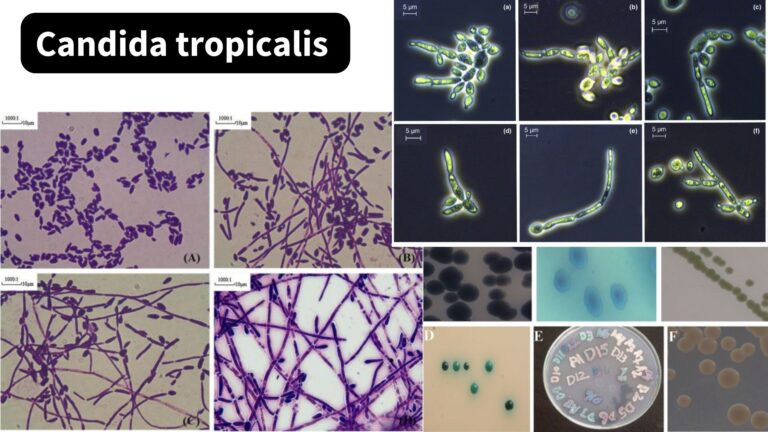
Kingdom: Fungi Division: Ascomycota Class: Saccharomycetes Order: Saccharomycetales Family: Saccharomycetaceae Genus: Candida Species: C. tropicalis Habitat of Candida tropicalis Candida tropicalis is a yeast species that inhabits a variety of natural environments and the human body. Here are some typical environments where Candida tropicalis is found: Morphological features of Candida tropicalis Candida tropicalis is a yeast species with
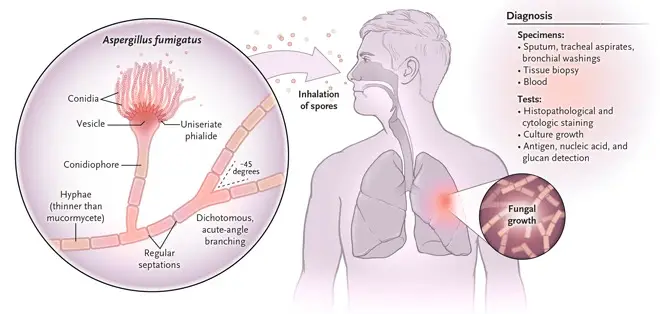
Aspergillus species are responsible for a wide variety of diseases in humans, ranging from direct invasion to hypersensitivity reactions. The majority of human diseases are caused by Aspergillus fumigatus and Aspergillus niger, and less frequently by Aspergillus flavus and Aspergillus clavatus. Aspergillus, the mould (a type of fungus) that causes aspergillosis, is prevalent both inside
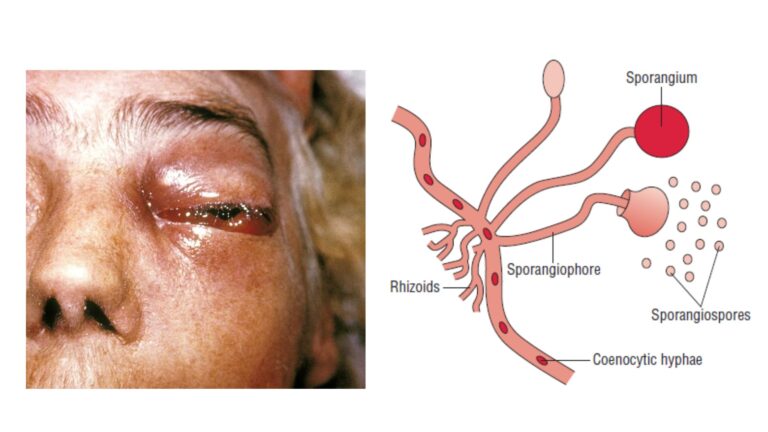
Causative Agent Habitat Transmission Risk factors Types of mucormycosis (Zygomycosis) Symptoms of Zygomycosis (Mucormycosis) The symptoms of mucormycosis vary on where the fungus is growing in the body. 1,4 Contact your healthcare practitioner if you believe you have mucormycosis-related symptoms. The following are symptoms of rhinocerebral (sinus and brain) mucormycosis: The following are symptoms of
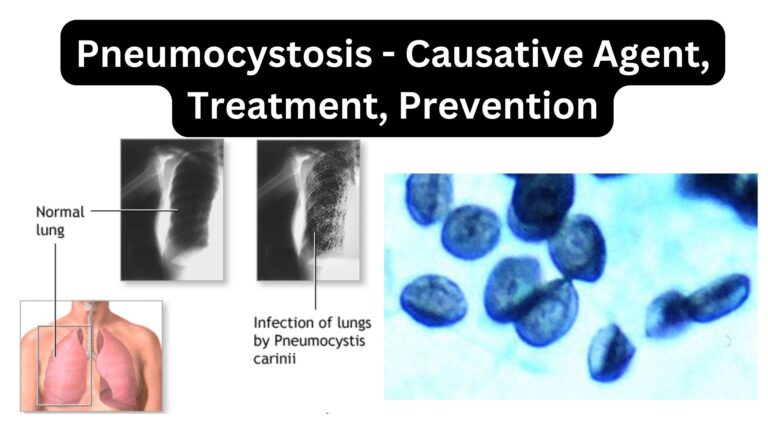
Properties There are three unique morphological phases in this organism: Pathogenesis and Immunity Clinical Syndromes Epidemiology Laboratory Diagnosis Treatment Prevention and Control
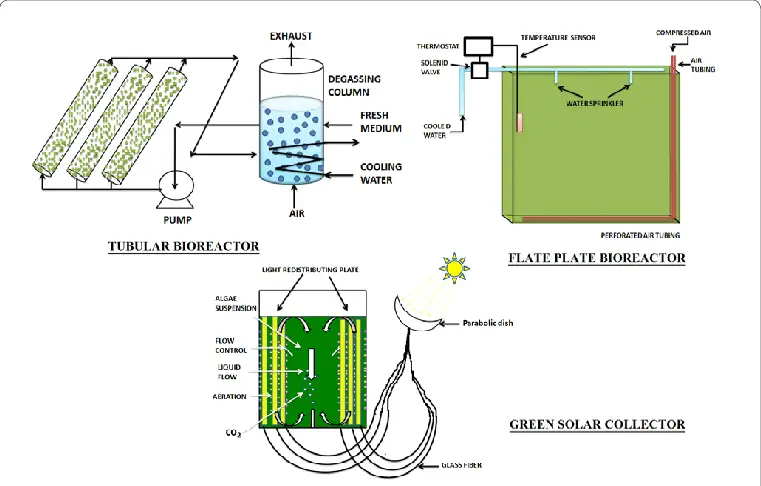
The Algae Bioreactor is a closed system that treats wastewater and produces biofuels using algae. The earliest commercial applications of algae bioreactors occurred in the 1960s for wastewater treatment. With the increasing global demand for alternative energy sources, the usage of algae bioreactors for biofuel production has risen to prominence in the 21st century. The