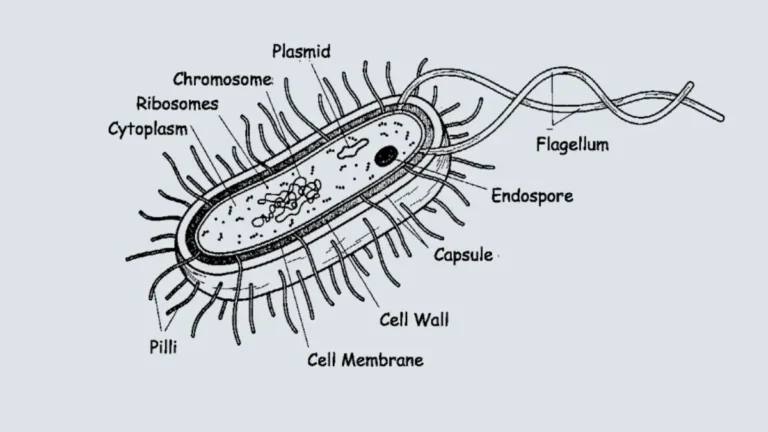
What is bacteria? Bacteria is an essential part of the environment. They are considered as the first life forms to appear on Earth. Biologists estimated that the first forms of life appeared on Earth about 4 billion years ago, which was a unicellular microorganism, the modern name is bacteria. It is estimated that one gram
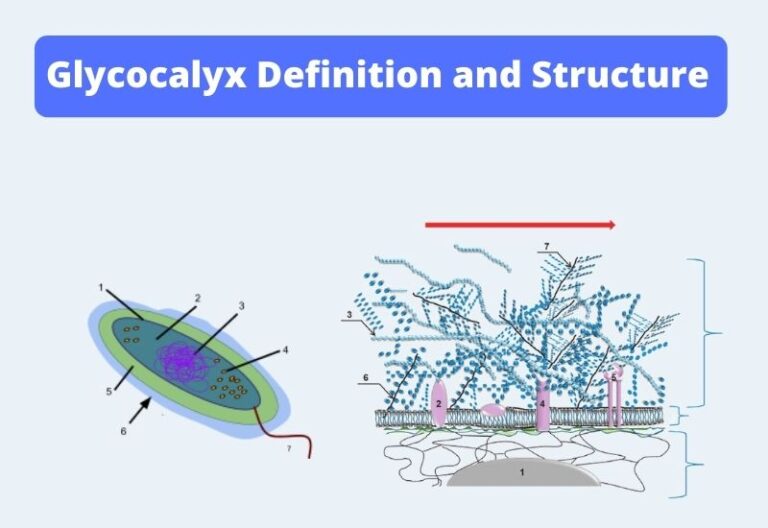
Glycocalyx definition The cell membrane of bacteria, epithelia is surrounded by a pericellular matrix, which is known as Glycocalyx. It is a carbohydrate-enriched coating that covers both eukaryotic cells and prokaryotic cells, particularly bacteria Glycocalyx composition and structure Types of Glycocalyx Based on the bacterial species the structural features and chemical composition of glycocalyces can
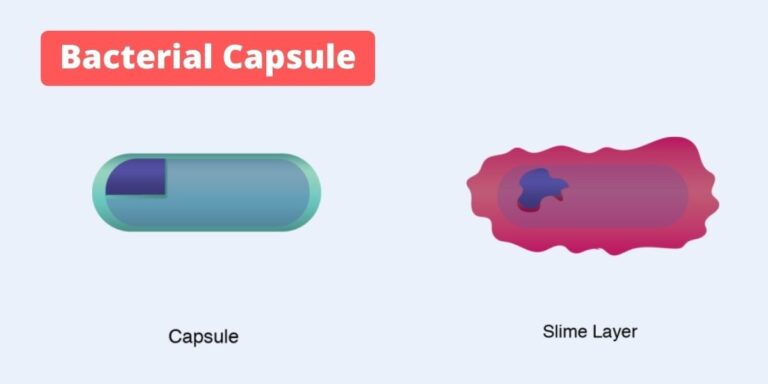
The bacterial capsule is considered as the most important virulence factor among all factors that are present within the bacteria. Some examples of a capsulated strain are Neisseria meningitidis, Streptococcus pneumoniae, Klebsiella pneumoniae, Haemophilus influenzae, Escherichia coli, and group B streptococci al of them are virulent. While the Nonencapsulated mutated strain of these organisms is
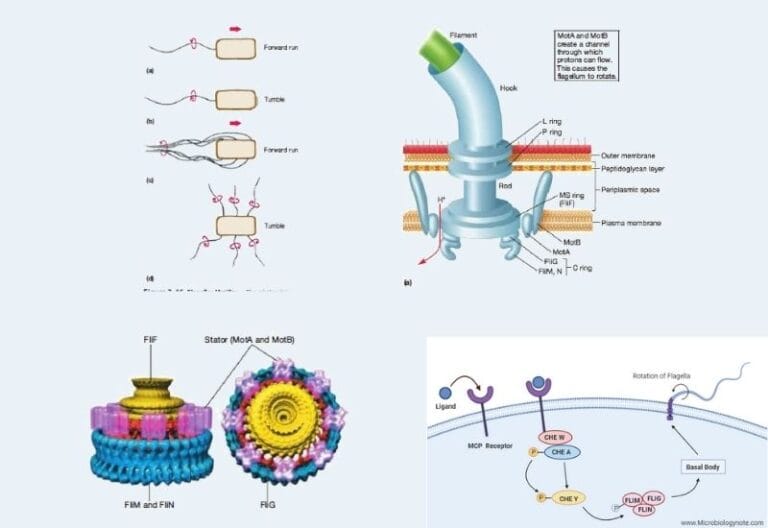
Flagellar movement, or locomotion helps in the movement of motile bacteria. Bacteria do not drift aimlessly, they move either towards nutrients (sugars and amino acids) or away from toxic substances such as bacterial waste products. When a bacterial cell moves towards a chemical substance or away from repellents is called chemotaxis. Motile bacteria additionally can
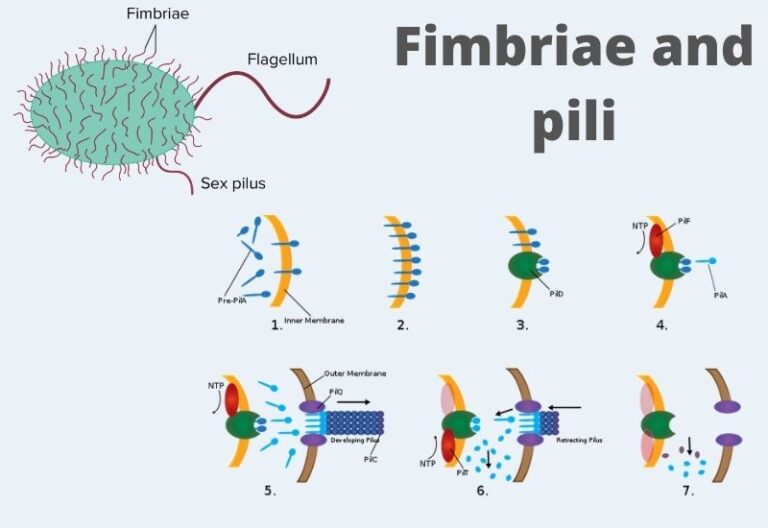
Fimbriae and pili are interchangeable words employed to indicate short, hair-like structures on the outsides of procaryotic cells. Same as flagella, they are made of protein. Fimbriae are smaller and harder as compared to flagella, and lightly smaller in diameter. They emerge from the bacterial cell surface and involved in different functions such as adhesion,
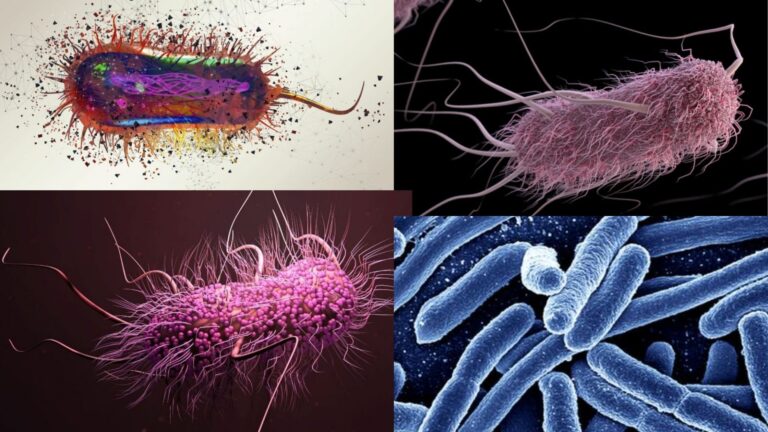
Scientific classification of Escherichia coli Domain Bacteria Phylum Proteobacteria Class Gammaproteobacteria Order Enterobacterales Family Enterobacteriaceae Genus Escherichia Species E. coli Binomial name Escherichia coli Escherichia coli E. coli Habitat Geographical distribution of Escherichia coli Reservoir, source, and transmission of infection E.coli Morphology and Arrangement Antigenic Structure of E.coli Heat Stable Lipopolysaccharide (LPS) is the major
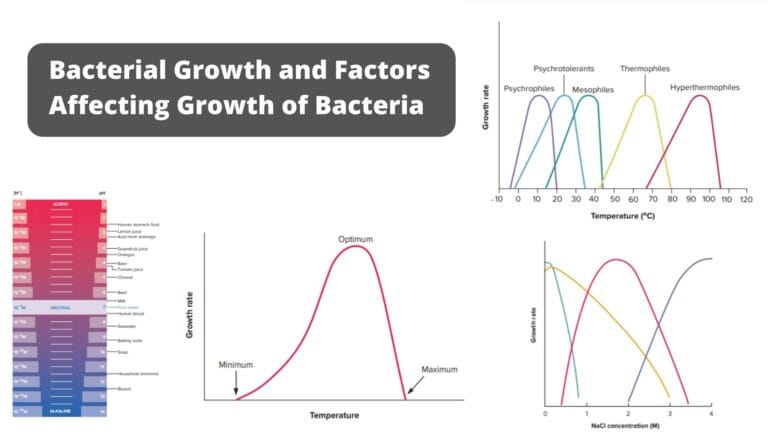
Environmental Factors Affect Bacterial Growth In addition to knowing the proper nutrients for the cultivation of bacteria, it is also necessary to know the physical environment in which the organisms will grow best. Just as bacteria vary greatly in their nutritional requirements, so do they exhibit diverse responses to physical conditions such as temperature, gaseous
Oxygen Toxicity Formation of reactive oxygen species (ROS) Various cellular enzymes catalyze chemical reactions involving molecular oxygen; some of these reactions can result in addition of a single electron to an oxygen molecule, thereby forming superoxide radical. Superoxide radicals can inactivate vital cell components. However, recent studies suggest that their greatest detrimental action is through
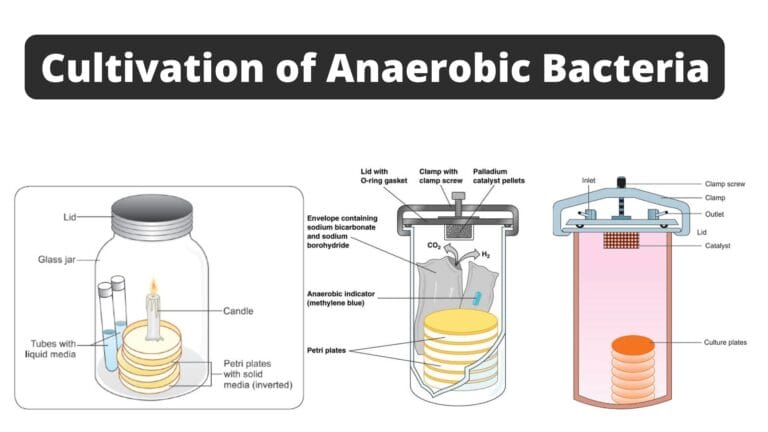
What are Anaerobic bacteria? Characteristics of Anaerobic Bacteria Cultivation of Anaerobic Bacteria Cultivation of Anaerobic Bacteria. Stringent anaerobes can be grown only by taking special precautions to exclude all atmospheric oxygen from the medium. Such an environment can be established by using one of the following methods: Cultivation of Anaerobic Bacteria using Prereduced media Procedure
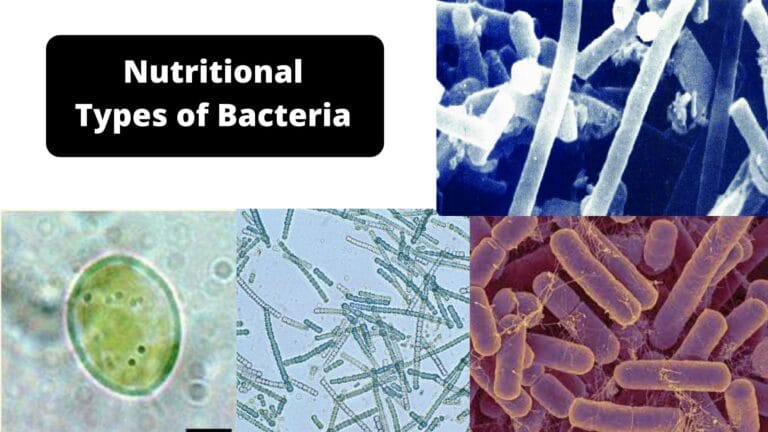
Nutritional Requirement All forms of life, from microorganisms to human beings, share certain nutritional requirements for growth and normal functioning. The following observations substantiate this statement and also illustrate the great diversity of nutritional types found among bacteria. Energy Electron Carbon Nitrogen Oxygen Sulfur Phosphorus Metal Ions Vitamins and vitamin-like compounds Water Classification of bacteria