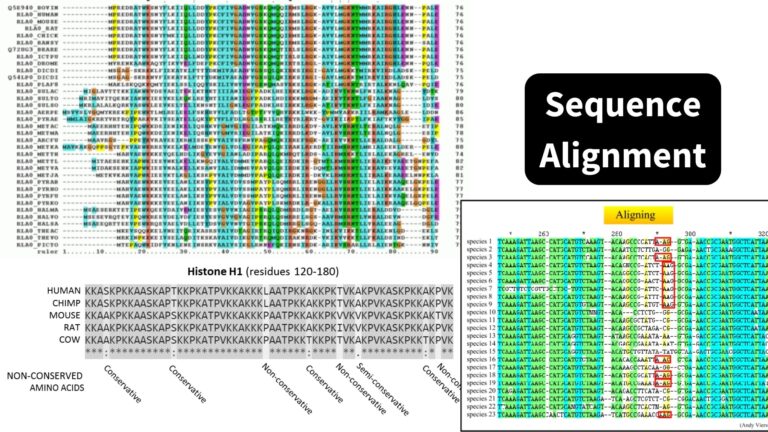
What is Sequence Alignment? Sequence alignment is a computational technique used to compare and analyze the similarities and differences between two or more sequences of biological data, such as DNA, RNA, or protein sequences. By aligning sequences, researchers can identify conserved regions, detect mutations, infer evolutionary relationships, and predict functional elements. It involves arranging the
What is Programming Language? A programming language is a formal language that is used to write computer-executable instructions or code. It is a set of rules and syntax that enables programmers to communicate with computers and assign them specific instructions or tasks. Programming languages enable the creation of algorithms and software applications. They offer a
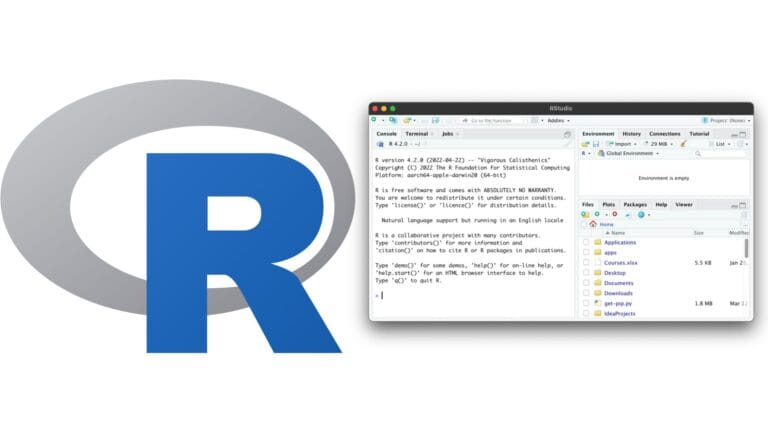
What is R Programming Language? R is a programming language and environment developed in the early 1990s by Ross Ihaka and Robert Gentleman at University of Auckland as a free‑software implementation of the S language, intended for statistical computing, graphics, and data analysis, and now widely used across academia, finance, healthcare, data science and research,
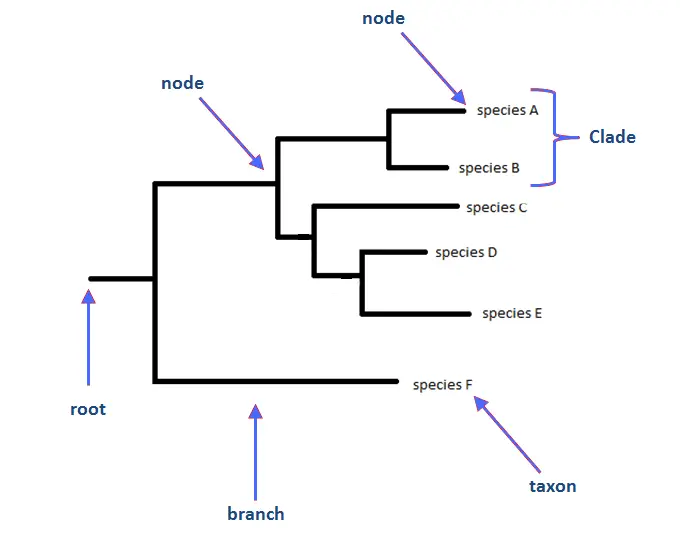
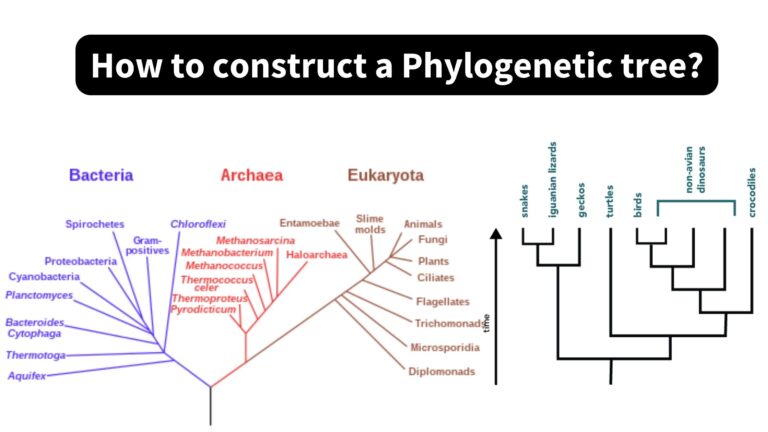
A phylogenetic tree (also phylogeny or evolutionary tree) is a branching diagram or a tree that illustrates the evolutionary relationships between various biological species or other entities based on similarities and differences in their physical or genetic characteristics. All life on Earth belongs to a singular phylogenetic tree, indicating a shared ancestry. In a rooted
Ever wondered how scientists unravel the family ties between different species or genes? It often starts with building something called a phylogenetic tree. Think of it like sketching out a massive family tree, but for life itself. These trees are powerful diagrams that map out evolutionary relationships, showing us who shared a common ancestor and when