Sourav Pan is the founder and sole author of Biology Notes Online. He holds a Bachelor of Science (B.Sc.) degree and an M.Sc. in Microbiology from the University of Calcutta. He creates educational resources covering microbiology, immunology, biotechnology, genetics, cell biology, botany, zoology, and other life-science subjects.
His goal is to make complex biological concepts easier to understand through well-structured, student-friendly articles based on academic textbooks, peer-reviewed research, and authoritative scientific sources. In addition to writing new content, he regularly reviews and updates articles to improve their accuracy, clarity, and educational value.
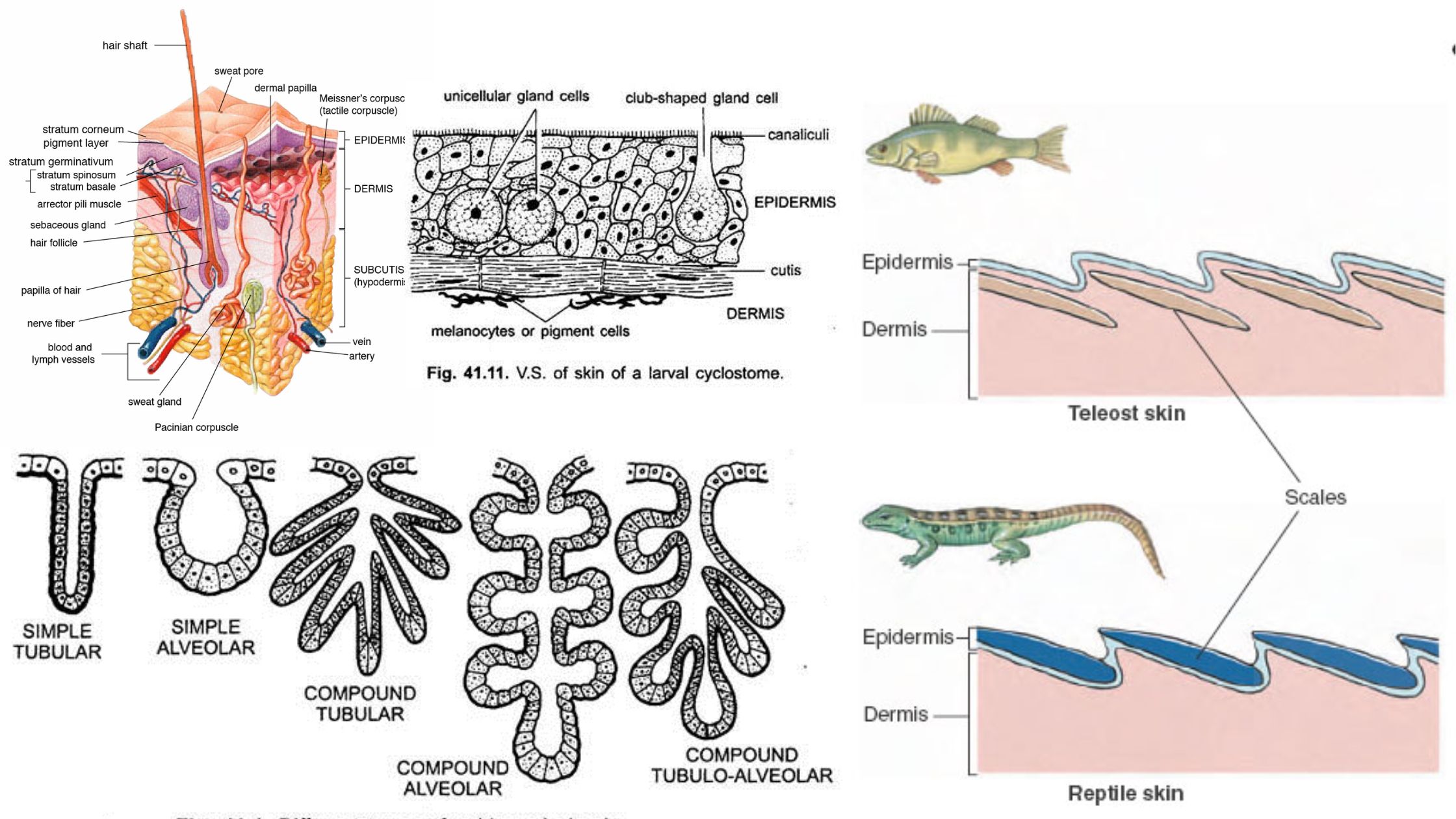
What is Integument? The integument refers to the outermost covering of the body in animals, which includes the skin and its associated structures. The skin is the largest organ of the body and serves as a protective barrier between the internal organs and the external environment. In addition to the skin, the integument includes other … Read more
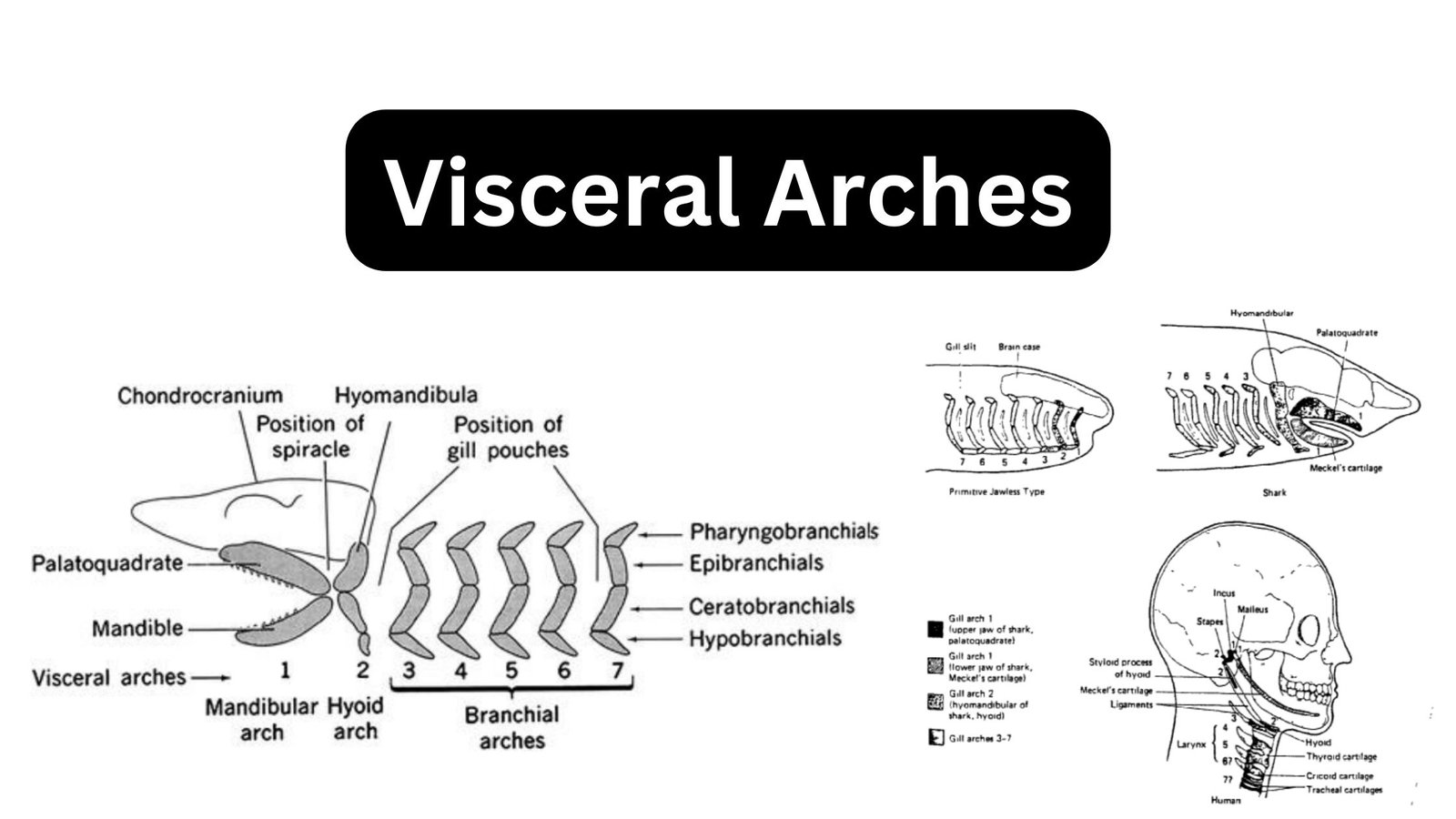
What is Visceral Arches? Evolution of Visceral Arches Cyclostomes Elasmobranchs Bony fishes Amphibia Reptiles Birds Mammals Mammals, a diverse group of warm-blooded vertebrates, exhibit specific modifications in their skull, ear ossicles, and laryngeal structures that are distinct from other vertebrate groups. In mammals, the pterygoquadrate bone breaks into two parts: the alisphenoid, which becomes part … Read more
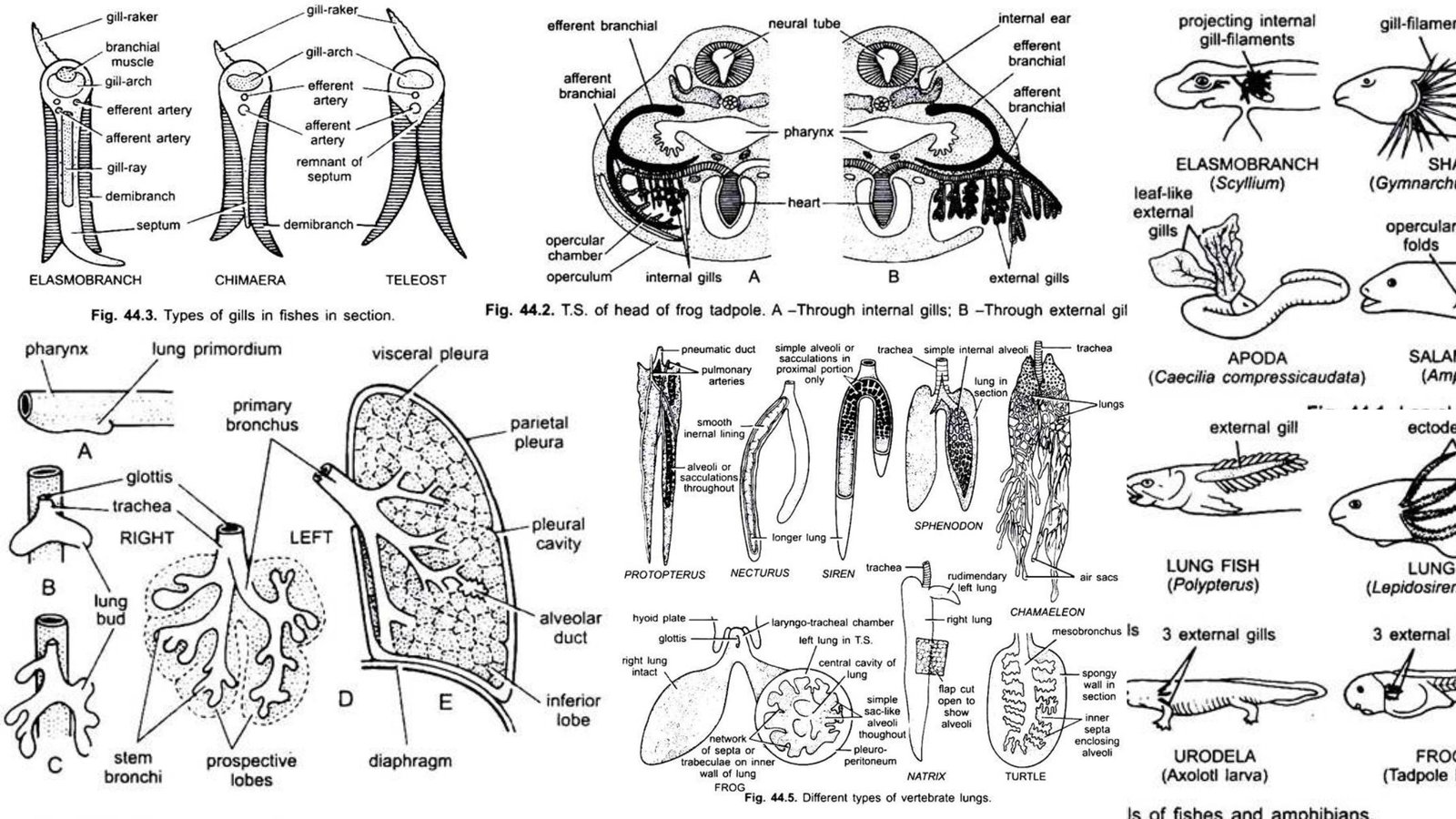
What is Respiratory System? The respiratory system is a complex network of organs and tissues in living organisms that is responsible for the exchange of gases, primarily oxygen and carbon dioxide, between the organism and its environment. It plays a crucial role in facilitating the intake of oxygen required for cellular respiration and eliminating carbon … Read more
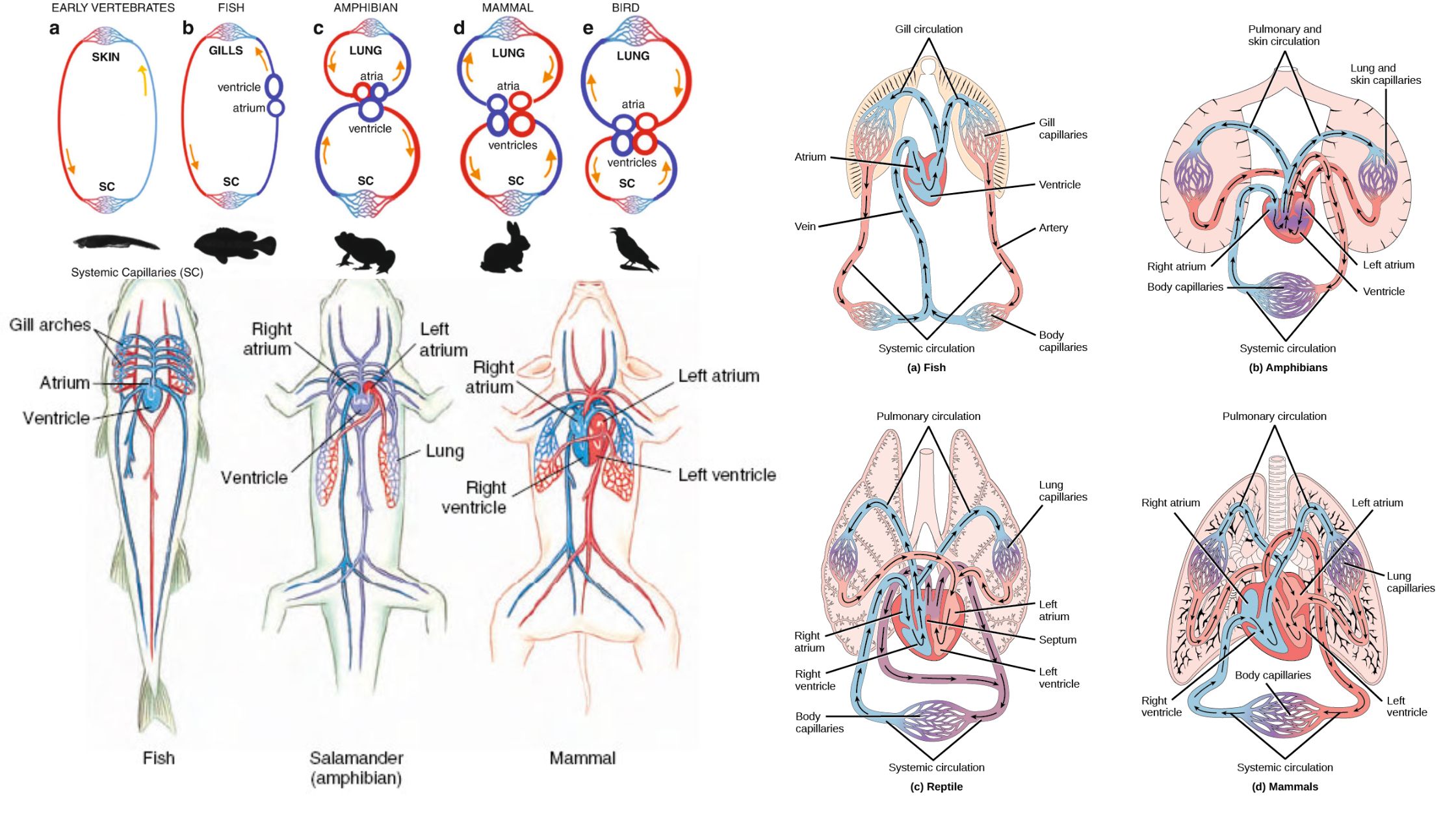
The circulatory system is a vital component of vertebrates, consisting of two interconnected systems: the blood vascular system and the lymphatic system. While both systems play crucial roles in maintaining the body’s overall function, the circulatory system primarily refers to the blood vascular system. In vertebrates, the blood vascular system is a closed system characterized … Read more
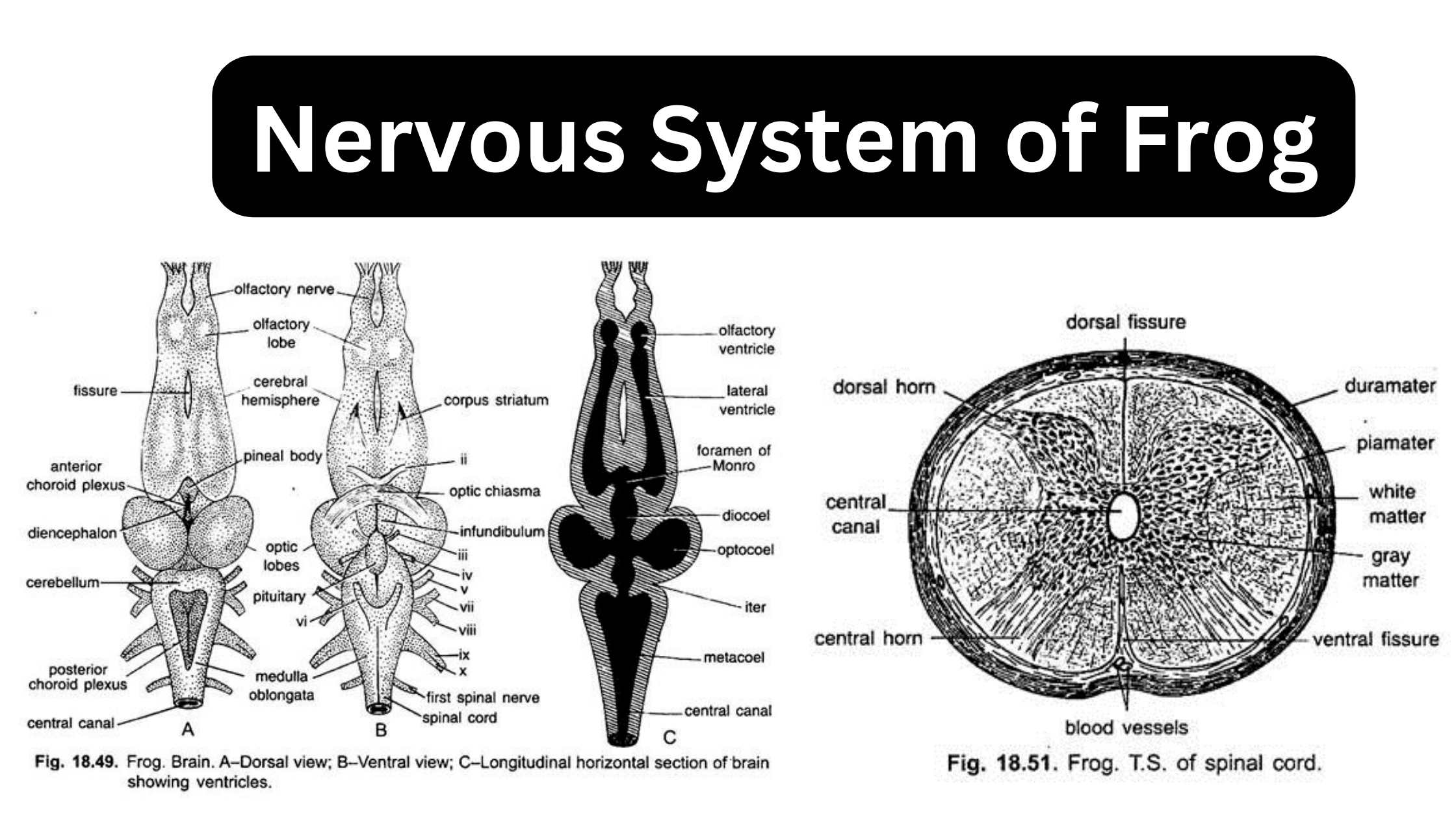
The nervous system of a frog is a complex structure that controls and coordinates the various functions and activities of the frog’s body. It can be broadly divided into two main parts: the central nervous system (CNS) and the peripheral nervous system (PNS). The nervous system of the frog is adapted for its amphibious lifestyle. … Read more
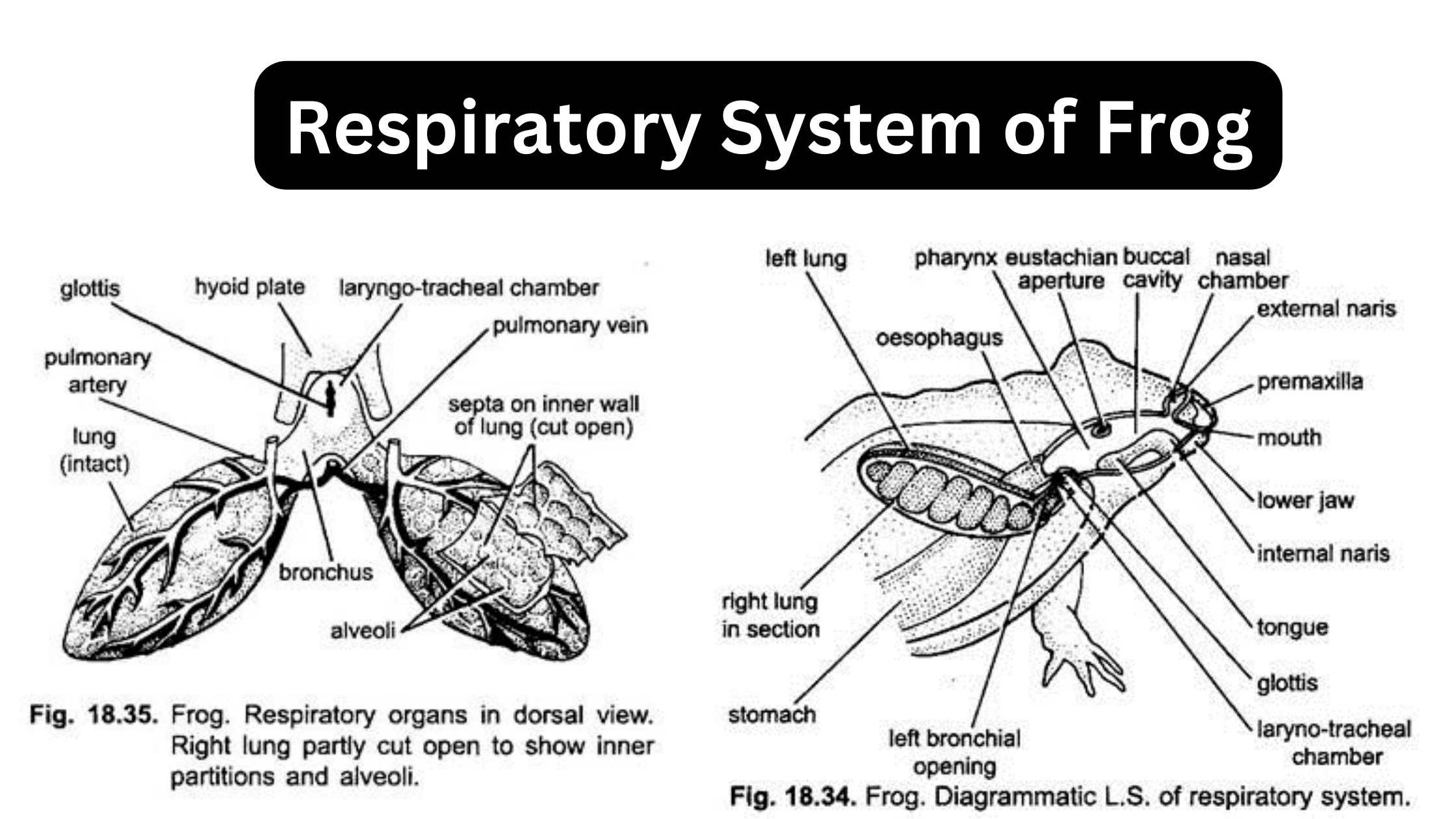
The respiratory system of a frog is quite interesting because frogs have multiple ways to exchange gases with their environment. Here’s a brief overview: It’s important to note that while frogs have lungs, they rely heavily on their skin for gas exchange, especially when they are in water. This dual mode of respiration allows them … Read more
Have you ever wondered how the human body operates? How did we discover that the human body contains 206 bones? How do we know that DNA is our body’s genetic material? Zoology, the study of animals, has enabled us to comprehend our bodies and those of all other species. It is also beneficial to comprehend … Read more
Zoology is the biological discipline devoted to the study of animals and the animal kingdom. Also referred to as animal biology. Zoology is the study of the connection between the animal kingdom and their environments, including taxonomy, habits, structure, embryology, distribution, evolution, and extinct species. Zoology is the branch of biology concerned with animal life. … Read more
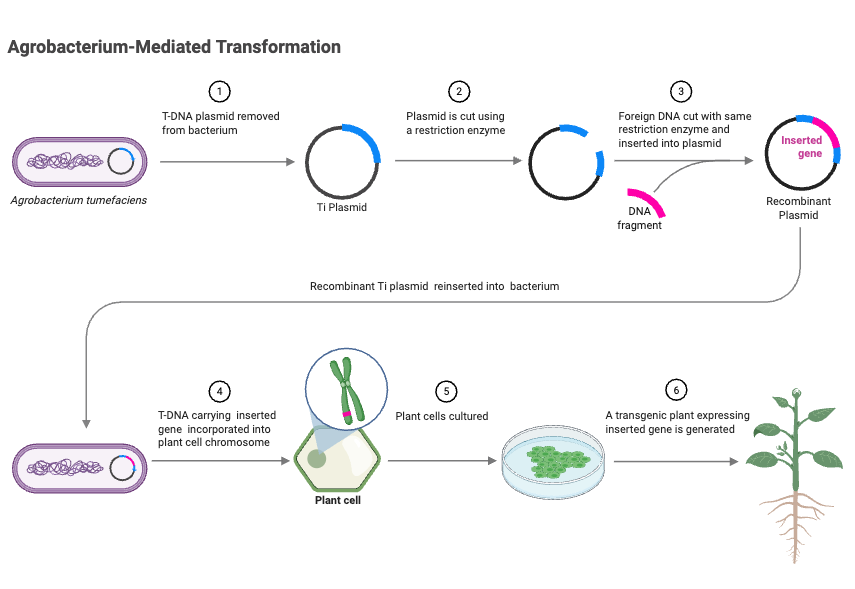
What is Agrobacterium? There are many types of Gram-negative bacteria in the genus Agrobacterium. They can be harmful to plants and are also useful for genetic engineering. It causes tumours in plants by moving a piece of DNA known as T-DNA from its Ti or Ri plasmid into the plant genome. This causes cells to … Read more
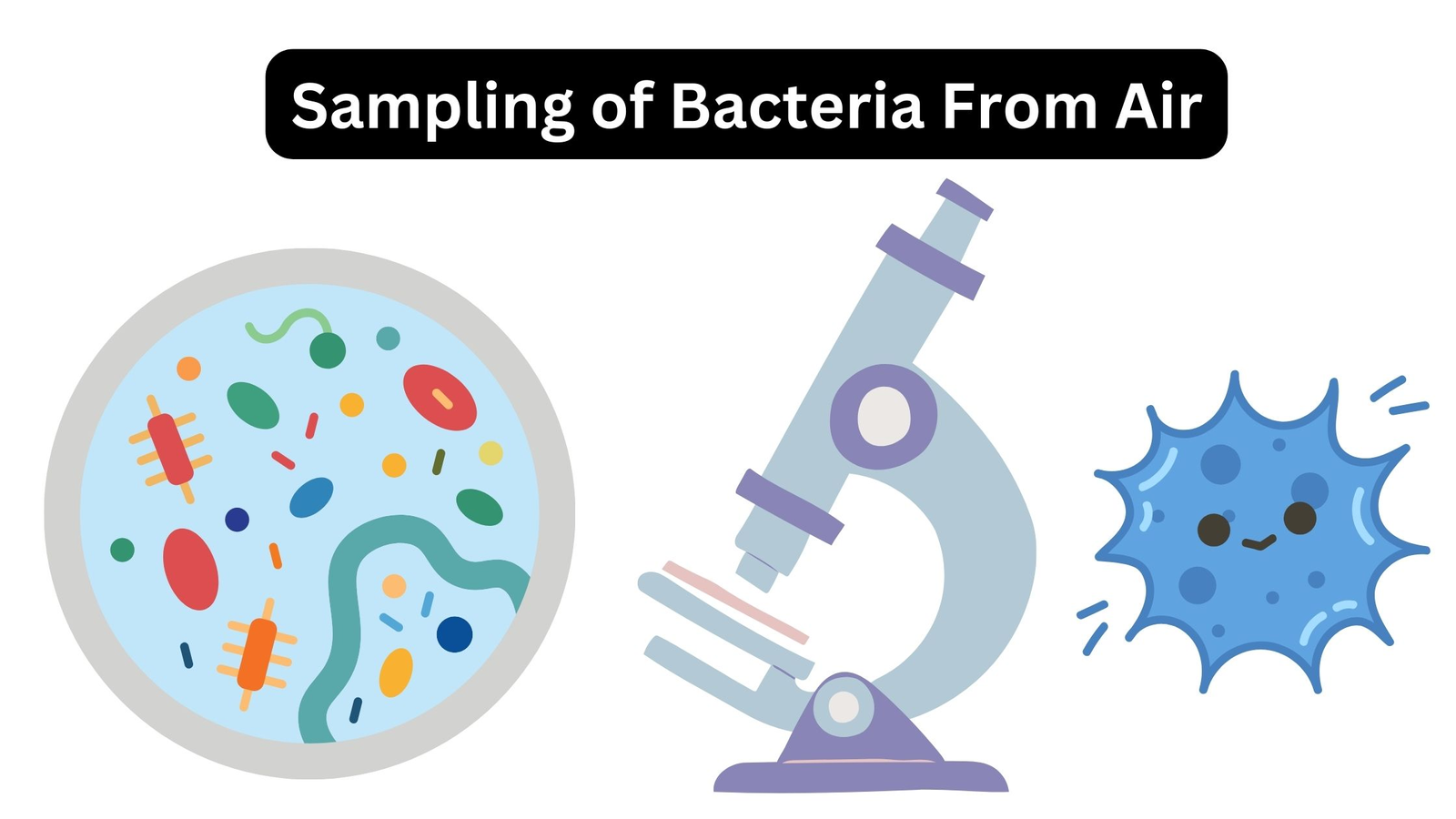
The process of collecting bacteria from the air for analysis involves several techniques, one of the simplest being the utilization of open Petri dishes filled with a growth medium. These dishes are exposed to the air, allowing airborne bacteria to settle and subsequently grow on the medium, which can then be examined to identify the … Read more