

1. Ignaz Semmelweis
Ignaz Semmelweis was a Hungarian physician and obstetrician (1818–1865). He is regarded as the “savior of mothers”.
He worked in a maternity clinic in Vienna where high maternal deaths were observed after childbirth. It was during this period that he studied the cause of puerperal fever.
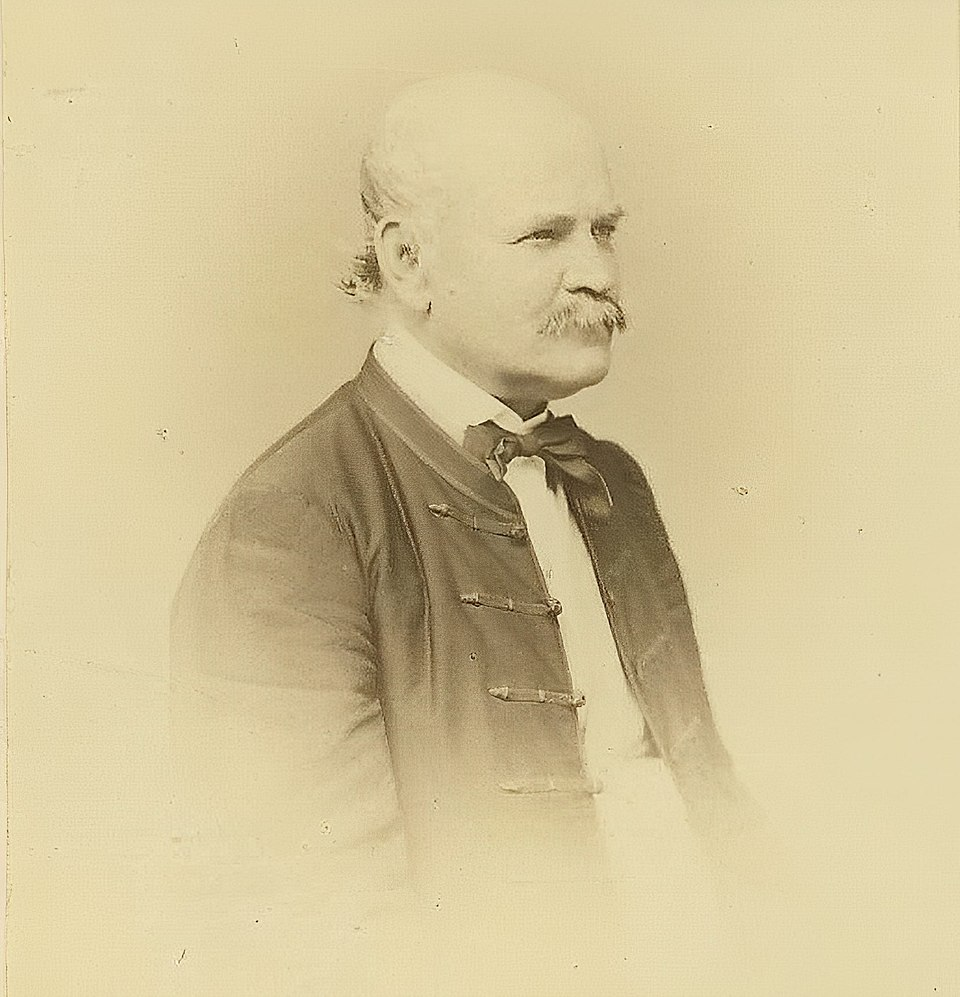
Key Contributions of Ignaz Semmelweis
Some of the important contributions are–
- Identification of puerperal fever transmission
- It was observed that the mortality rate in the doctor-led clinic was very high as compared to the midwife-led clinic. This difference was carefully analysed.
- It was concluded that doctors and medical students were carrying infectious material from autopsy room to the labour room during examination of women. These infectious materials were referred to as “cadaverous particles”.
- Thus, puerperal fever was transmitted by contaminated hands.
- Introduction of handwashing with chlorinated lime
- In 1847, a handwashing procedure was made compulsory in the clinic. All medical staff were required to wash their hands with chlorinated lime solution before examining patients.
- The solution was used to remove the infectious particles present on the hands. This is considered as one of the earliest antiseptic measures in medical practice.
- Reduction in maternal mortality
- After introduction of handwashing, the mortality rate was reduced from about 16–18% to less than 2% within months.
- This shows that the disease was preventable by simple hygienic method. In 1848, disinfection of instruments that came in contact with patients was also practiced.
- Foundation for modern infection control
- His findings was not accepted widely at that time. Many physicians opposed his theory.
- However, the principle established by him later became the basis of infection prevention. It helped in development of germ theory and antiseptic surgery in later years.
Importance
It is clear that his work demonstrated the importance of cleanliness in hospitals.
The practice of hand hygiene, which is followed today, was strongly supported by his observation.
2. Hans Christian Gram
Hans Christian Gram was a Danish physician and bacteriologist. He worked during the late nineteenth century and made important contribution in the field of microbiology.
He worked in the laboratory of Robert Koch in Berlin where he developed a special staining method for bacteria.
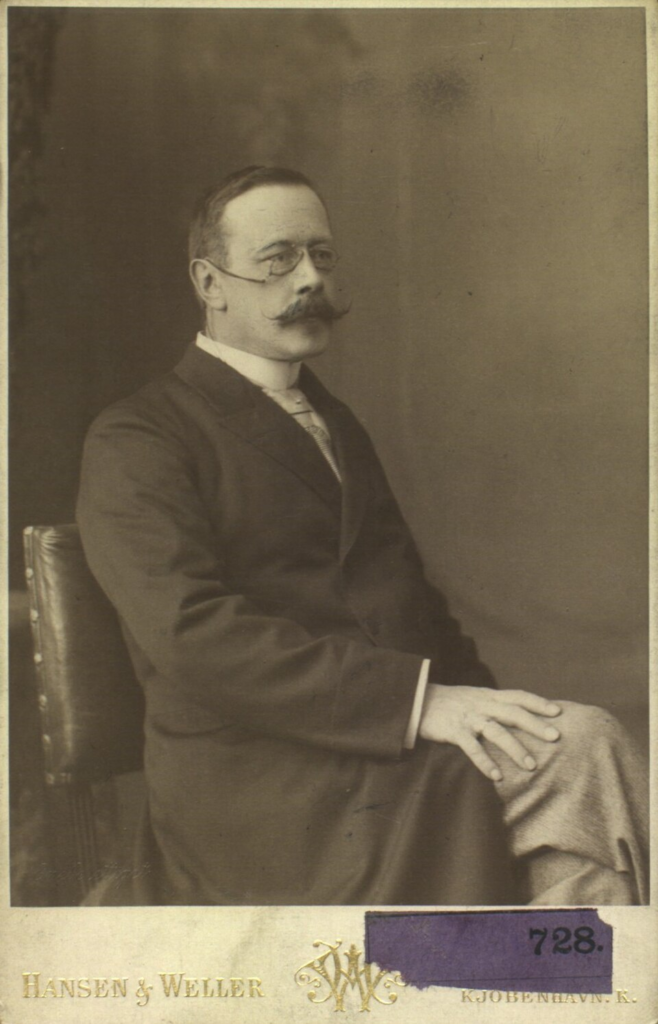
Key Contributions of Hans Christian Gram
Some of the important contributions are–
- Invention of Gram staining technique
- In the 1880s (1882 or 1884), a staining method was developed by him for bacteria. This method is referred to as Gram stain.
- It was designed in order to differentiate bacteria present in tissue sections. The technique later became widely used in bacteriology.
- Visualization of pneumonia causing bacteria
- The method was originally developed to solve a pathological problem. It was required to make cocci bacteria visible in lung tissues of patients who died from pneumonia.
- By using this staining procedure, the bacteria were clearly distinguished from the surrounding human tissue.
- Development of specific staining process
- The staining process involves the use of crystal violet as primary dye. Iodine solution is used as mordant and ethanol is used as decolorizer.
- After staining, bacteria retain blue or violet colour while the tissue cells remain unstained. This difference made microscopic observation easier.
- Basis for classification of bacteria
- Although classification was not his original objective, the staining reaction allowed bacteria to be divided into two groups.
- These are–
- Gram-positive bacteria – which possess thick peptidoglycan layer and retain the purple colour.
- Gram-negative bacteria – which have thin peptidoglycan layer, lose the purple stain during decolorization and appear pink or red after counterstaining.
- Foundation for modern diagnostic microbiology
- The staining technique established by him became the basis of bacterial identification in laboratories.
- It is used in clinical diagnosis to identify infectious agents and to guide antibiotic treatment. This method is still widely practiced in microbiology laboratories.
3. Charles Lavaran
Charles Louis Alphonse Laveran (1845–1922) was a French physician, military doctor and parasitologist. He is known for his studies on protozoan diseases.
He worked in Algeria as a military doctor where cases of malaria was very common. It was during this period that important observations was made by him.
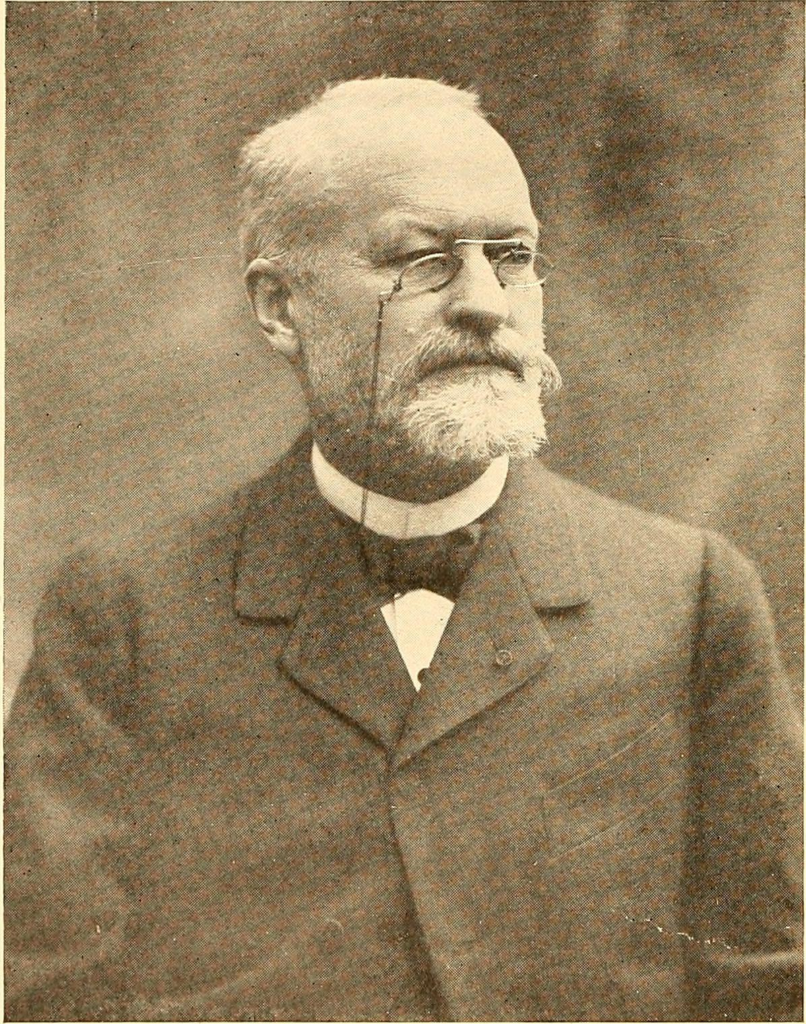
Key Contributions of Charles Lavaran
Some of the main contributions are–
- Discovery of malaria parasite
- In 1880, pigmented cells with moving filaments was observed in the blood of patients suffering from malaria. These structures was studied carefully under microscope.
- It was concluded that malaria is caused by a protozoan parasite and not due to bad air (miasma) as believed earlier. The parasite was later named Plasmodium falciparum.
- Establishment of protozoa as disease causing agents
- It was the first time that a protozoan organism was demonstrated as the cause of human disease.
- This discovery is considered as an important support to the germ theory of disease. It showed that not only bacteria but also protozoa can produce infections.
- Suggestion of mosquito as transmitting host
- It was proposed that the parasite must complete part of its life cycle outside the human body.
- He suggested that mosquito act as host and transmit the parasite from one person to another. This theory was later proved experimentally by Ronald Ross.
- Work on African sleeping sickness
- Detailed studies was carried out on trypanosomes. It was demonstrated that these protozoans are responsible for African sleeping sickness and animal trypanosomiasis.
- Thus, trypanosomes was established as pathogenic parasites in man and animals.
- Study on Leishmaniasis
- Along with Félix Mesnil, the protozoan responsible for visceral leishmaniasis was identified. It was first named Piroplasma donovanii and later corrected to Leishmania donovani.
- This contributed to the understanding of tropical parasitic diseases.
- Development of tropical medicine research
- Half of his Nobel Prize money was donated to establish the Laboratory of Tropical Medicine at Pasteur Institute in Paris.
- He also founded the Société de Pathologie Exotique in 1908 and served as its president. This helped in advancement of research in tropical pathology.
Importance
It is regarded that his work laid the foundation of medical parasitology.
The concept that protozoans are responsible for certain human diseases was clearly demonstrated by his research.
4. Fanny Hesse
Fanny Angelina Hesse (1850–1934) was an American-born scientific illustrator and laboratory assistant. She worked with her husband Walther Hesse in the laboratory of Robert Koch.
She assisted in microbiological experiments during the early development of bacteriology. It was during this work that an important suggestion was made by her.
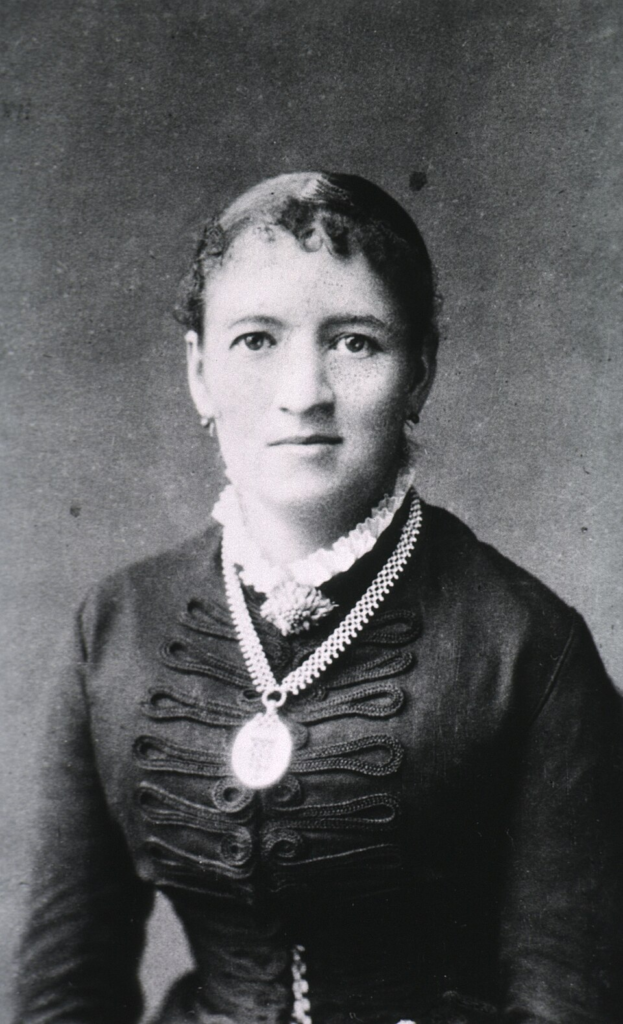
Key Contributions of Fanny Hesse
Some of the main contributions are–
- Introduction of agar as culture medium
- It was suggested by her to use agar-agar as a solidifying agent for growing microorganisms. Agar is a jelly substance obtained from red algae.
- She knew about agar from Dutch families who used it in preparation of jellies and puddings in warm climate. It was observed that agar remain solid even in higher temperature.
- Solution to the gelatin problem
- Before this, gelatin was used as solid culture medium. But gelatin melts at incubation temperature required for growth of human pathogens. It was also digested by many bacteria and becomes liquefied.
- Agar was found to remain solid at high temperature (85°C–100°C) and was not easily digested by microbes. Thus, a stable and clear surface was obtained for growth of colonies.
- Enabling isolation of tuberculosis bacterium
- The use of agar made it possible to obtain pure colonies of bacteria. This helped Robert Koch to isolate and identify Mycobacterium tuberculosis in 1882.
- Thus, agar became a basic medium for cultivation of microorganisms in laboratory. It is still used in Petri dishes for bacterial culture.
- Scientific illustration work
- She was a skilled artist and prepared detailed watercolor drawings of bacterial and fungal colonies.
- These illustrations was published in scientific papers of her husband and were useful in documentation of microbial growth patterns.
- Lack of recognition
- Her discovery of agar as laboratory culture medium was neither patented nor formally credited to her.
- She did not receive financial benefit or official recognition during her lifetime, although her contribution was very important in microbiology.
Importance
It is considered that the introduction of agar revolutionized microbial culture techniques.
The solid culture media used today in microbiology laboratories is based on her suggestion.
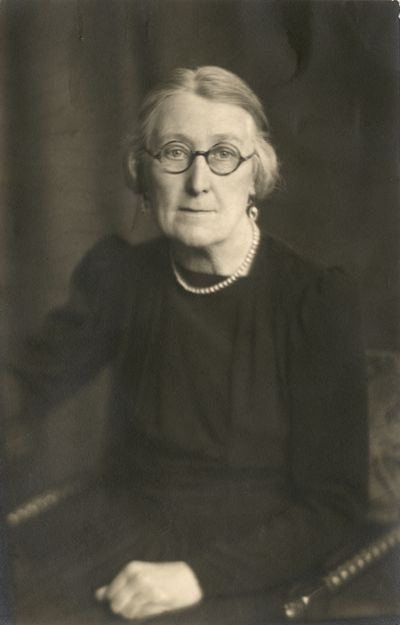
5. Marjory Stephenson
Marjory Stephenson (1885–1948) was a British biochemist. She is regarded as one of the founders of chemical microbiology and bacterial biochemistry.
In 1945, she became one of the first two women to be elected as Fellow of the Royal Society. Her work changed the approach of studying microorganisms.
Key Contributions of Marjory Stephenson
Some of the important contributions are–
- Development of chemical microbiology
- Earlier, bacteria was mainly classified based on their shape and morphology. She shifted the focus towards studying bacteria as active chemical systems.
- It was demonstrated that bacteria function as complex “chemical machines”. This established microbial metabolic physiology as an independent field of study.
- Isolation of bacterial enzymes
- In 1928, working with Leonard Stickland, a bacterial enzyme was isolated outside the living cell. The enzyme isolated was lactic dehydrogenase.
- It was proved that bacterial metabolism can be studied by biochemical methods similar to those used for plant and animal cells.
- Discovery of adaptive enzymes
- It was observed that certain enzymes are produced by bacteria only in presence of specific substrates.
- She introduced the term “enzyme adaptation”. This concept is now referred to as enzyme induction and it explained how enzymes are formed according to environmental conditions.
- Characterization of hydrogenases
- In 1931, hydrogenases were discovered and studied by her and Stickland. One of the important enzyme was formic hydrogenlyase.
- This enzyme splits formic acid into hydrogen and carbon dioxide in absence of oxygen. It showed that anaerobic metabolism in bacteria is highly specialized.
- Publication of Bacterial Metabolism
- In 1930, a monograph titled Bacterial Metabolism was published by her.
- This book served as a standard reference for many years and provided foundation for biochemical study of microorganisms.
- Formation of Society for General Microbiology
- In 1944, she helped in founding the Society for General Microbiology along with Alexander Fleming.
- She later served as the president of the society. This promoted research and collaboration in microbiology.
Importance
It is considered that her work laid the foundation of modern bacterial biochemistry.
The concept that bacteria carry out complex metabolic reactions was clearly established by her research.
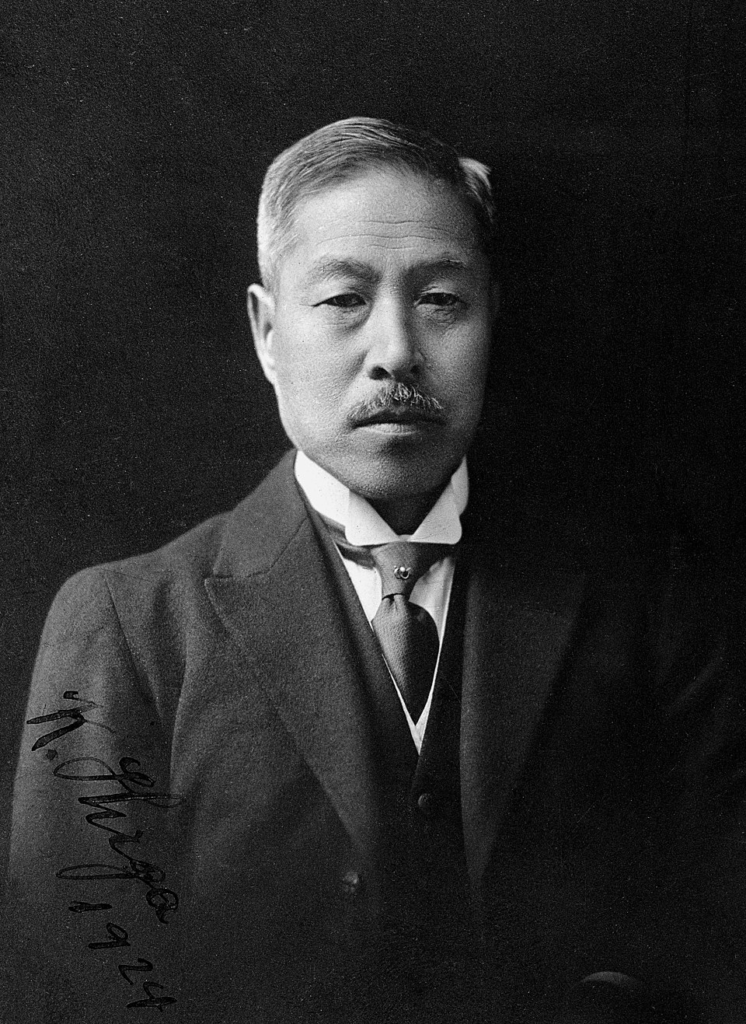
6. Kiyoshi Shiga
Kiyoshi Shiga (1871–1957) was a Japanese physician and bacteriologist. He worked in the field of infectious diseases and public health.
He studied dysentery during a severe epidemic in Japan where many thousands of people was affected. It was during this outbreak that important findings was obtained by him.
Key Contributions of Kiyoshi Shiga
Some of the main contributions are–
- Discovery of dysentery bacillus
- In 1897, a gram-negative bacillus was isolated from stool samples of dysentery patients. The organism was studied by microscopic and cultural methods.
- It was demonstrated that this bacillus is the causative agent of bacillary dysentery. The bacterium was later named Shigella dysenteriae.
- Identification of toxin produced by bacillus
- During further investigation, it was observed that the organism produces a potent toxin.
- This toxin is responsible for severe intestinal damage, bloody stools and abdominal pain. This is referred to as Shiga toxin.
- Reverse agglutination reaction
- In this method, serum from recovering patients was mixed with isolated bacilli.
- It was shown that antibodies present in patient serum cause agglutination of the organism. This experiment confirmed that the isolated bacillus was the specific cause of dysentery.
- Contribution to chemotherapy
- He worked with Paul Ehrlich in Germany between 1901–1905. During this period, it was discovered that a dye called Trypan Red can destroy trypanosomes.
- This finding contributed to the early development of chemotherapeutic treatment for sleeping sickness.
- Introduction of BCG vaccine
- In 1924, Bacillus Calmette–Guérin (BCG) strain was introduced into Japan.
- This strain became the basis for tuberculosis vaccination and tuberculin testing. It supported national control programs against tuberculosis.
- Academic and public health activities
- He served as professor at Keio University and later as Dean and President of Keijo Imperial University.
- Textbooks on bacteriology and immunology was written by him. He also promoted public health education and was awarded Order of Culture in 1944.
Importance
It is regarded that his work provided scientific basis for understanding bacillary dysentery.
The role of specific bacterium and its toxin in disease production was clearly demonstrated by his studies.
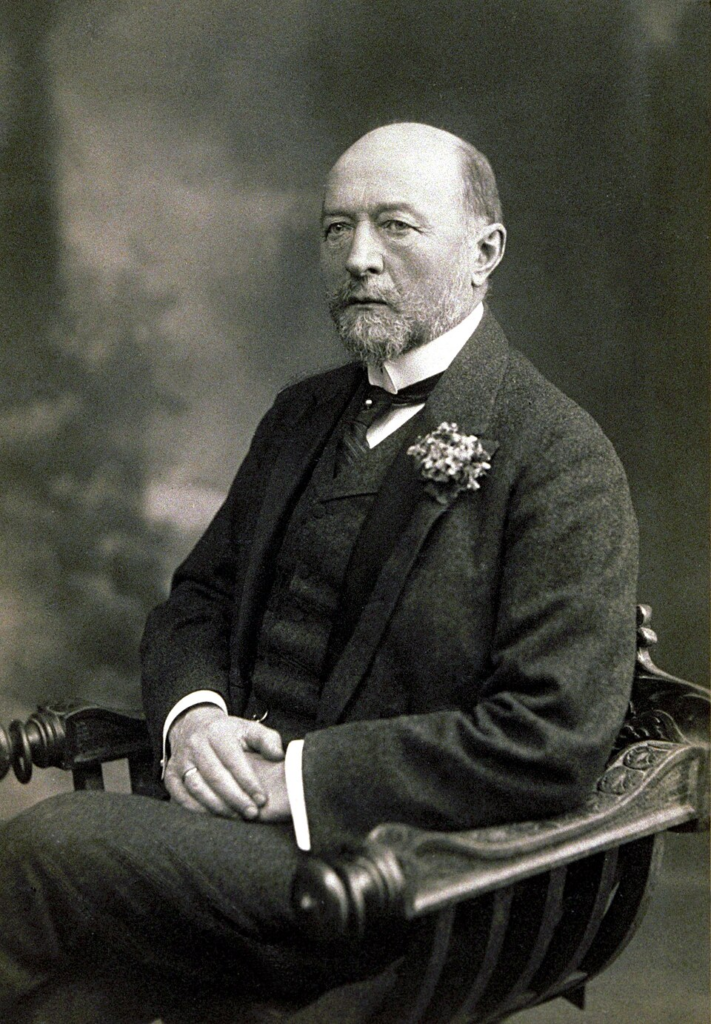
7. Emil von Behring
Emil von Behring (1854–1917) was a German physiologist. He was awarded the first Nobel Prize in Physiology or Medicine in 1901.
He became widely known for reducing mortality in children suffering from diphtheria. Because of this, he was referred to as “saviour of children”.
Key Contributions of Emil von Behring
Some of the important contributions are–
- Development of serum therapy
- In 1890, experiments was carried out along with Kitasato Shibasaburō. Animals such as guinea pigs and horses were injected with small doses of diphtheria and tetanus toxins.
- It was observed that protective substances are produced in the blood of these animals. These substances was termed as antitoxins. This process is referred to as serum therapy.
- Treatment of diphtheria
- The serum obtained from immune animals was transferred into human patients.
- It was demonstrated that this serum can neutralize diphtheria toxin and cure infected individuals. After optimization in 1894, mortality rate of diphtheria was drastically reduced.
- Development of tetanus antitoxin
- Using similar principle, an effective antitoxin against tetanus was developed.
- This provided protection against tetanus infection and reduced death due to the disease.
- Establishment of Behringwerke
- In order to produce antitoxins on large scale, a company was established in Marburg in 1904.
- This institution helped in industrial production of sera and vaccines. It contributed to development of pharmaceutical manufacturing.
- Research on tuberculosis
- Studies was conducted on tuberculosis bacteria. A protective preparation called bovivaccine was developed for prevention of bovine tuberculosis.
- However, similar success was not achieved in human tuberculosis.
Importance
It is considered that his work laid the foundation of passive immunization.
The concept that immunity can be transferred through serum was clearly demonstrated by his research.
Reference
- American Society for Microbiology. (2005). Gram stain protocols..
- Ataman, A. D., Vatanoğlu-Lutz, E. E., & Yıldırım, G. (2013). Medicine in stamps-Ignaz Semmelweis and puerperal fever. Journal of the Turkish German Gynecological Association, 14(1), 35–39. https://doi.org/10.5152/jtgga.2013.08.
- Berkhamsted Schools Group. (2025). Who was Marjory Stephenson? A closer look at the Berkhamsted Girls alumna..
- Carl ROTH. (2025). The secret revolutionary. Carl ROTH Blog..
- Cleveland Clinic. (2022). Gram stain: What it is, purpose, procedure & results..
- Danbara, H., & Endo, R. (n.d.). MicroDiscoverer hero: Kiyoshi Shiga (1871-1957, Japan)..
- Heller, P. B. (2023). Semmelweis develops antiseptic procedures. Research Starters. EBSCO Information Services..
- Herrera, C. M., Schmitt, J. S., Chowdhry, E. I., & Riddle, M. S. (2022). From Kiyoshi Shiga to present-day Shigella vaccines: A historical narrative review. Vaccines, 10(5), 645. https://doi.org/10.3390/vaccines10050645.
- Keske, Ş. (2025). Ignaz Philip Semmelweis: The tragic pioneer of hand hygiene. Infectious Diseases and Clinical Microbiology, 7(2), 232-234. https://doi.org/10.36519/idcm.2025.747.
- Lampel, K. A., Formal, S. B., & Maurelli, A. T. (2018). A brief history of Shigella. EcoSal Plus, 8(1). https://doi.org/10.1128/ecosalplus.ESP-0006-2017.
- Ma, G. (2022). The true Gram stain mechanism. The Scientific Teen..
- Nai, C. (2024). Meet the forgotten woman who revolutionized microbiology with a simple kitchen staple. Smithsonian Magazine..
- Nai, C. (2025). Fanny Angelina Hesse. Science History Institute..
- Naphtali, P. (2024). The story of Fanny Angelina Hesse, a pioneer in microbiology, with Corrado Nai. GenoWrite..
- National Diet Library, Japan. (n.d.). SHIGA Kiyoshi. Portraits of Modern Japanese Historical Figures..
- Nattermann, M. (n.d.). “There isn’t one ‘single right way’ for a career – and it doesn’t have to be a straight line”. Max-Planck-Gesellschaft..
- Nobel Prize Outreach. (1967). Alphonse Laveran – Biographical. Nobel Lectures..
- Nobel Prize Outreach. (n.d.). Emil von Behring – Facts. NobelPrize.org..
- Okui, N. (2024). Dr. Kiyoshi Shiga (1871–1957): Outstanding bacteriologist who discovered dysentery bacillus and contributed immensely to public health in Japan. Cureus, 16(10), e71881. https://doi.org/10.7759/cureus.71881.
- Oswaldo Cruz Institute. (2022). Laveran: Fundamental contribution to the study of malaria. IOC/Fiocruz..
- Paul, S., Salunkhe, S., Sravanthi, K., & Mane, S. V. (2024). Pioneering Hand Hygiene: Ignaz Semmelweis and the Fight Against Puerperal Fever. Cureus, 16(10), e71689. https://doi.org/10.7759/cureus.71689.
- Tripathi, N., Zubair, M., & Sapra, A. (2025). Gram staining. In StatPearls. StatPearls Publishing..
- Unknown Author. (n.d.). The architectural pillars of clinical microbiology: A comprehensive analysis of theoretical and methodological innovations from Semmelweis to Behring..
- Van Rensselaer, M. (2025). Marjorie Stephenson: Bacterial biochemist & fellow of the British Royal Society. HON 399 Study Abroad Posters..
- Wikipedia contributors. (2026). Charles Louis Alphonse Laveran. In Wikipedia, The Free Encyclopedia..
- Wikipedia contributors. (2026). Emil von Behring. In Wikipedia, The Free Encyclopedia..
- Wikipedia contributors. (2026). Fanny Hesse. In Wikipedia, The Free Encyclopedia..
- Wikipedia contributors. (2026). Kiyoshi Shiga. In Wikipedia, The Free Encyclopedia..
- Wikipedia contributors. (2026). Marjory Stephenson. In Wikipedia, The Free Encyclopedia.