Welcome to Biology Notes Online! We are the BNO Team, dedicated to providing high-quality, accessible biology study notes for students and teachers alike. Our goal is to simplify complex biological concepts and present them in an easy-to-understand format, entirely free of charge. Whether you're preparing for exams, teaching a class, or simply passionate about biology, our comprehensive notes are designed to support your learning and teaching journey.
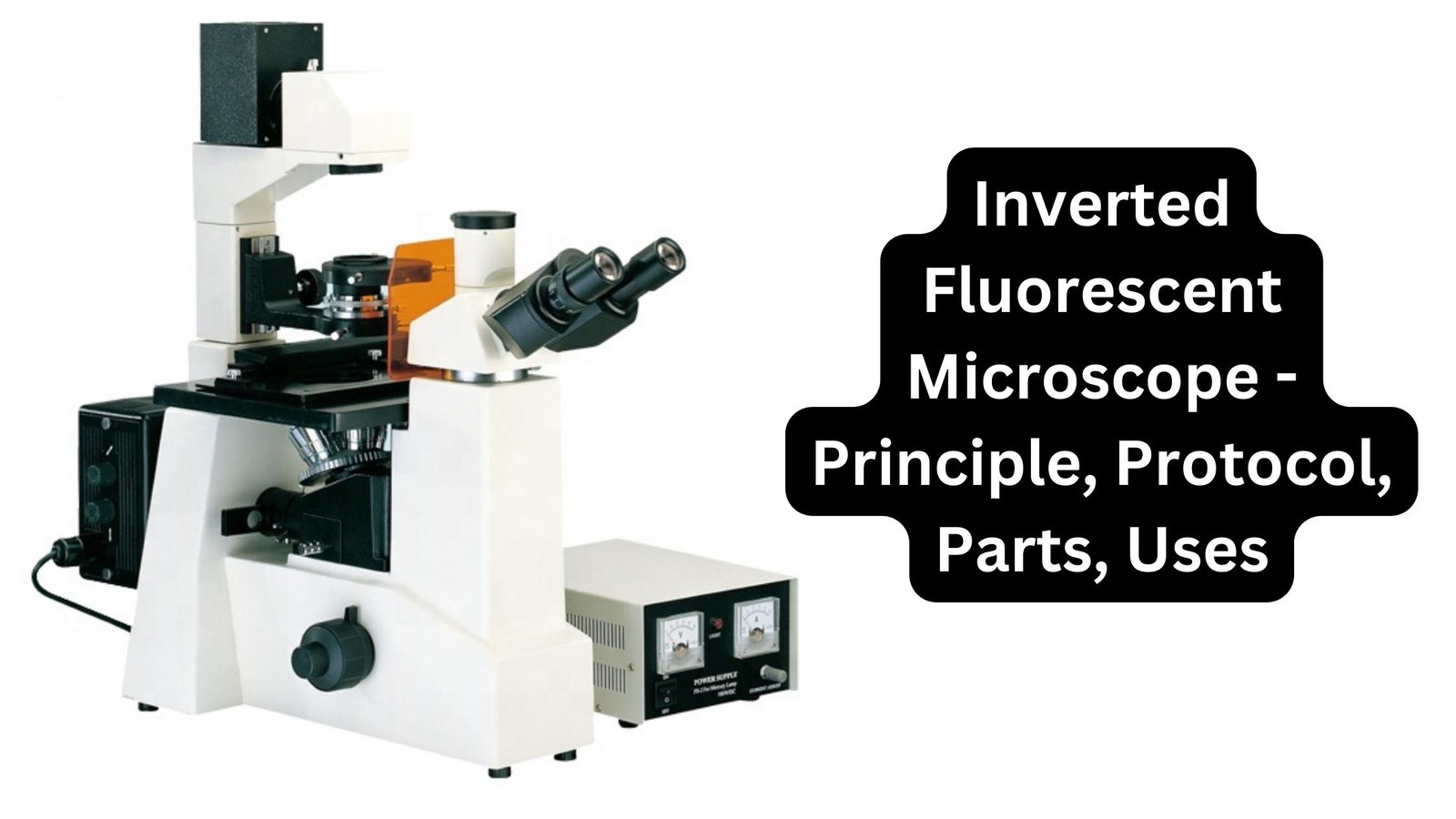
What is Inverted Fluorescent Microscope? Ever peeked into the world of living cells? Scientists use a nifty tool called an inverted fluorescent microscope for this. Unlike regular microscopes, this one flips the script—literally. Imagine the lenses sitting above the sample and the light source shining from below. This upside-down setup makes it perfect for studying cells chilling at the bottom … Read more
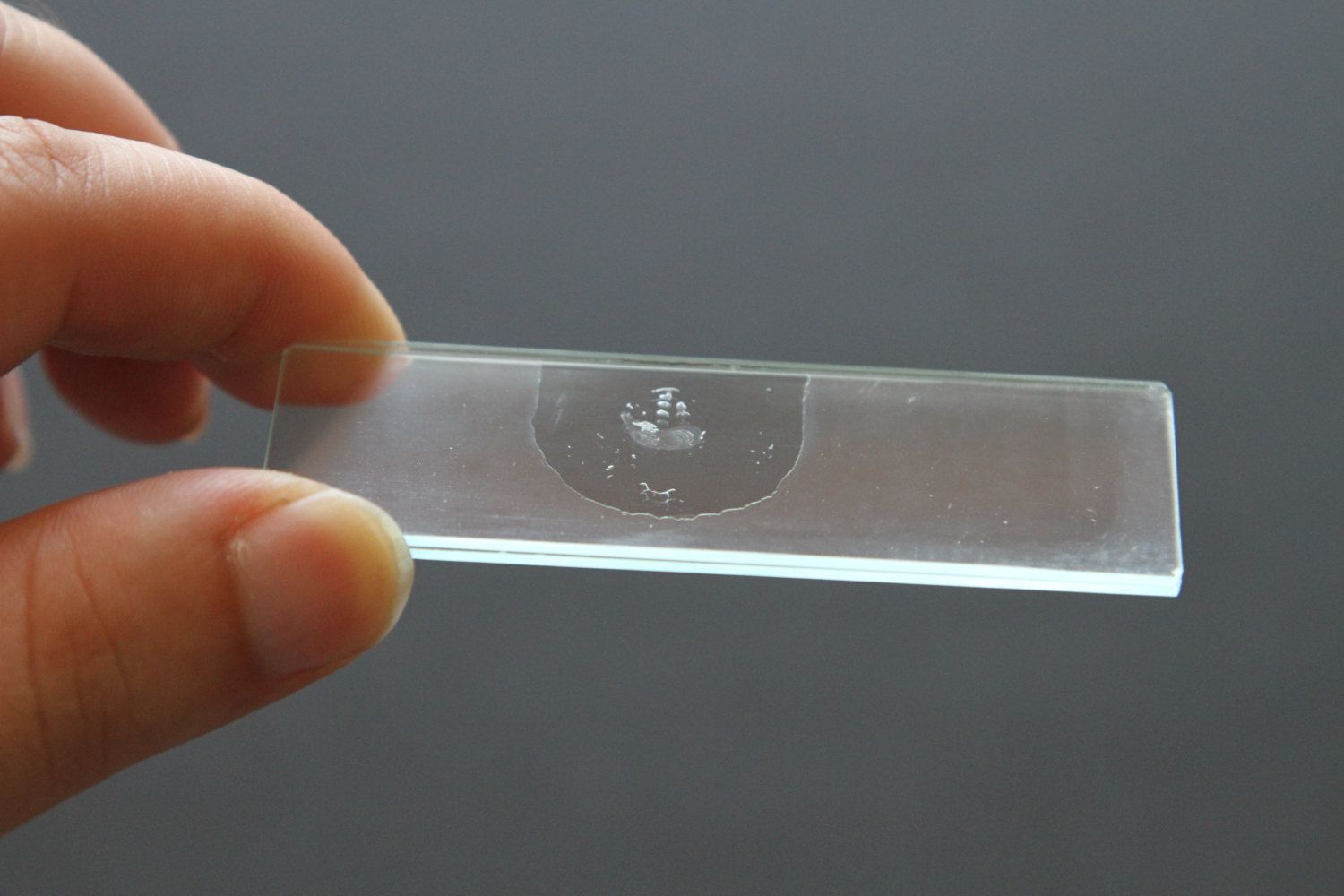
Objects are magnified under compound microscopes are mounted onto microscope slides. Made from plastic or glass Slides measure approximately 1×3 inches in size and range from 1mm-1.2 millimeters thick.
Microscopes have been around for the ages. Roman philosophers had mentioned “burning glass” within their works. However, the first microscope of this type was not invented until the 1300’s. Two lenses were set on opposite sides of the tube. This tube of magnifying power was the basis for our modern-day microscope.
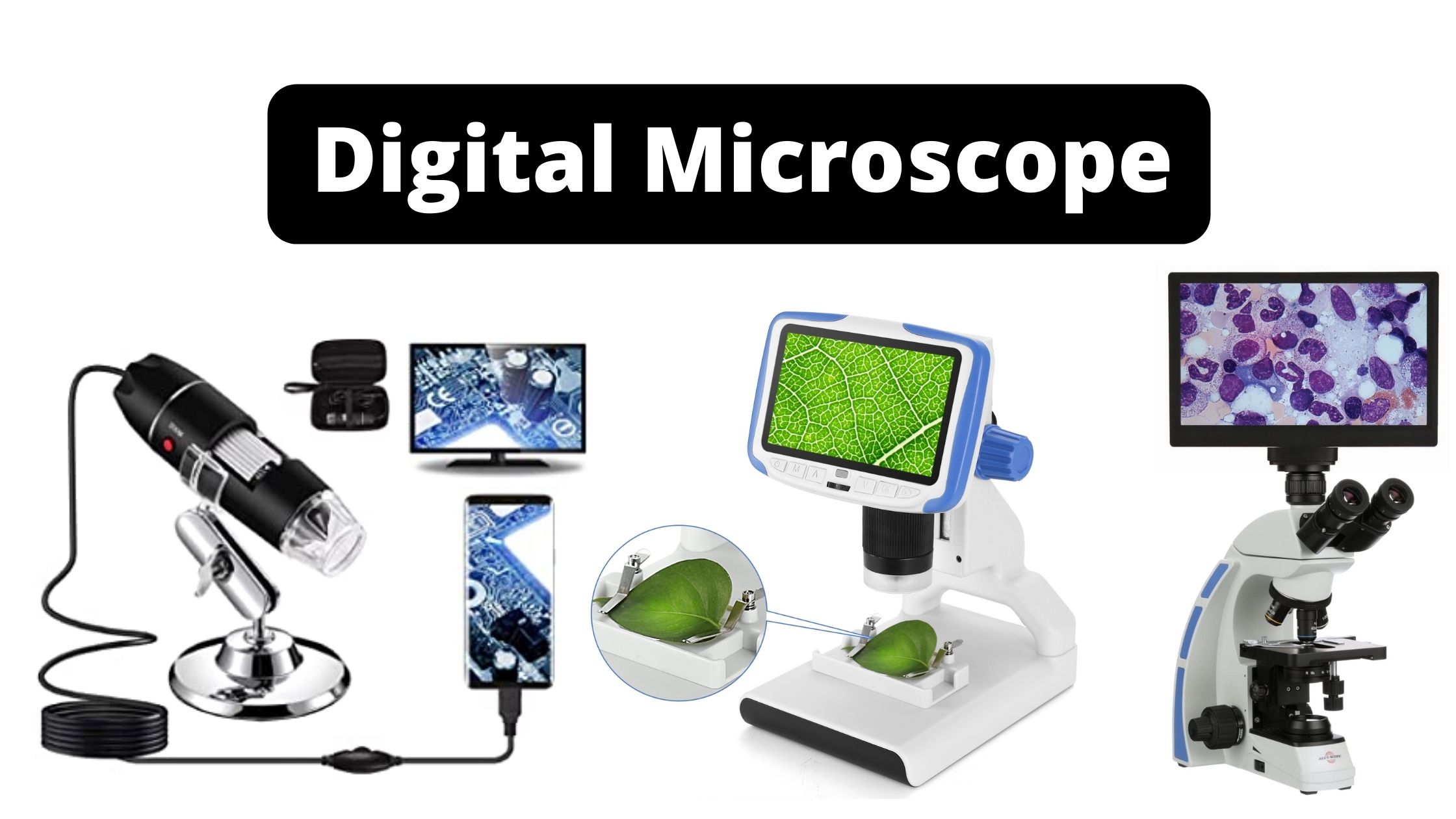
Digital microscopes are modern microscope which does not have an eyepiece. This is a huge contrast from an optical microscope. Digital microscopes have an electronic camera that acts as the detector as well as the imaging output gadget. It displays the images takes place via a computer’s screen or monitor, which defines the scope of the microscope’s digital.
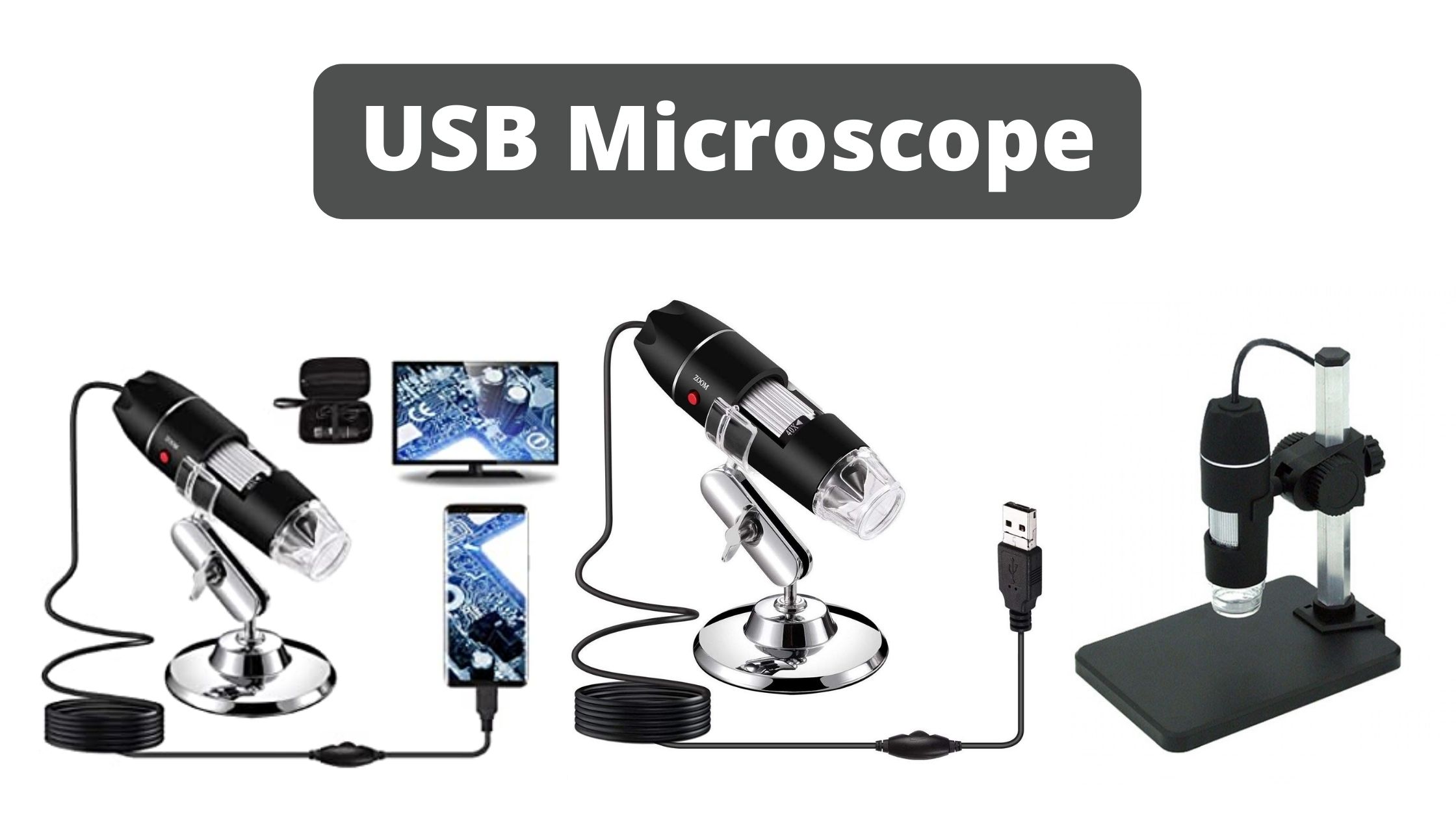
This is a form of digital Microscope which is connected to a computer using an USB port. It operates on low power. The camera is fitted with a powerful macro lens. Additionally, they have an integrated LED light that is built into the lens.
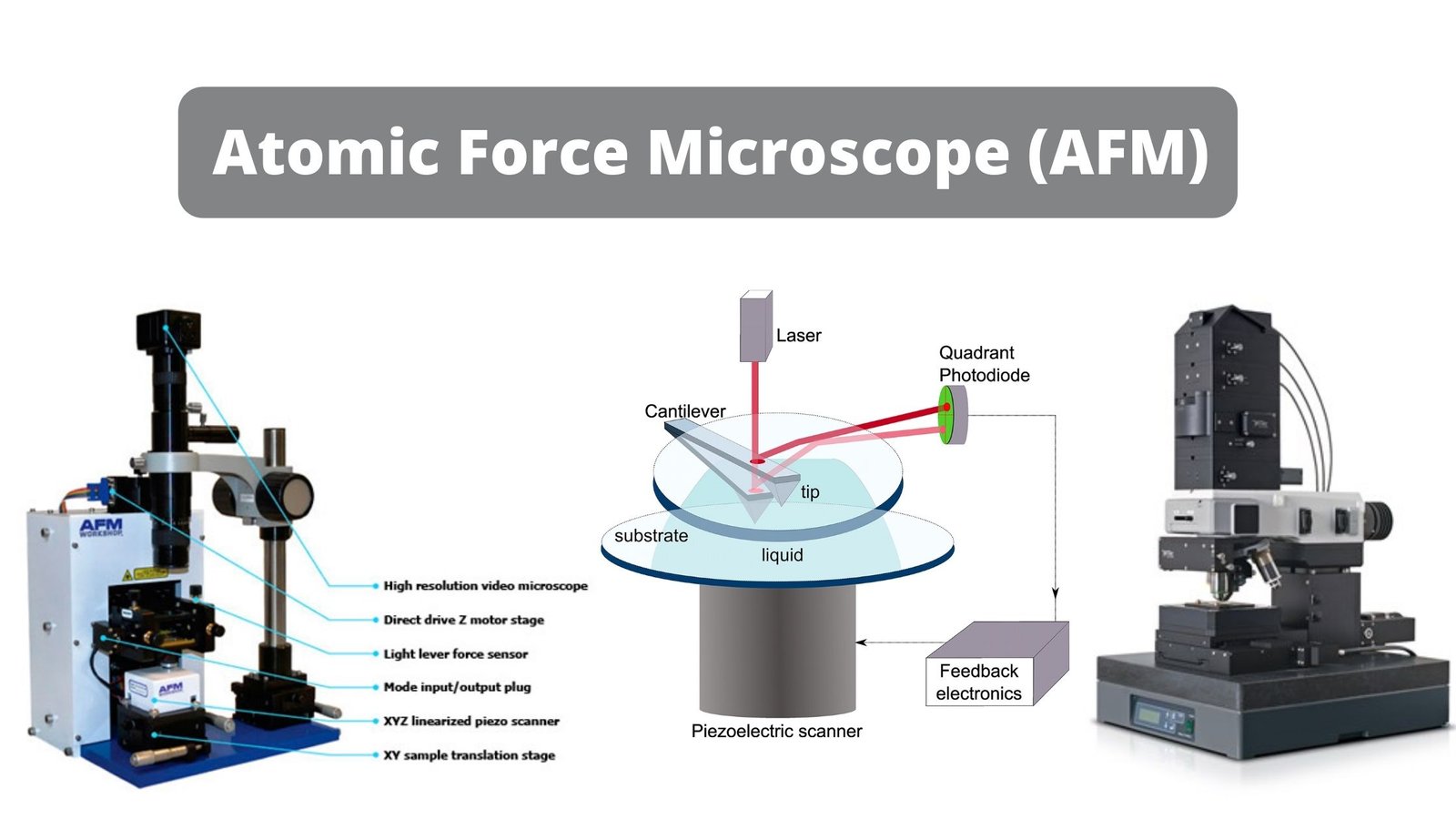
The AFM, also known as the atomic force microscope (AFM) is a sort scanner probe. Its principal functions include measuring characteristics like height, magnetism and friction.
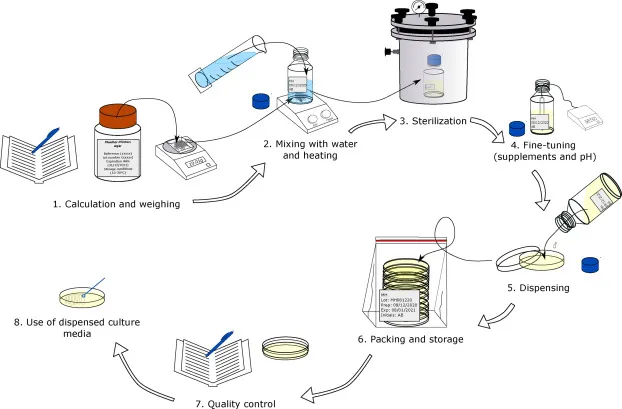
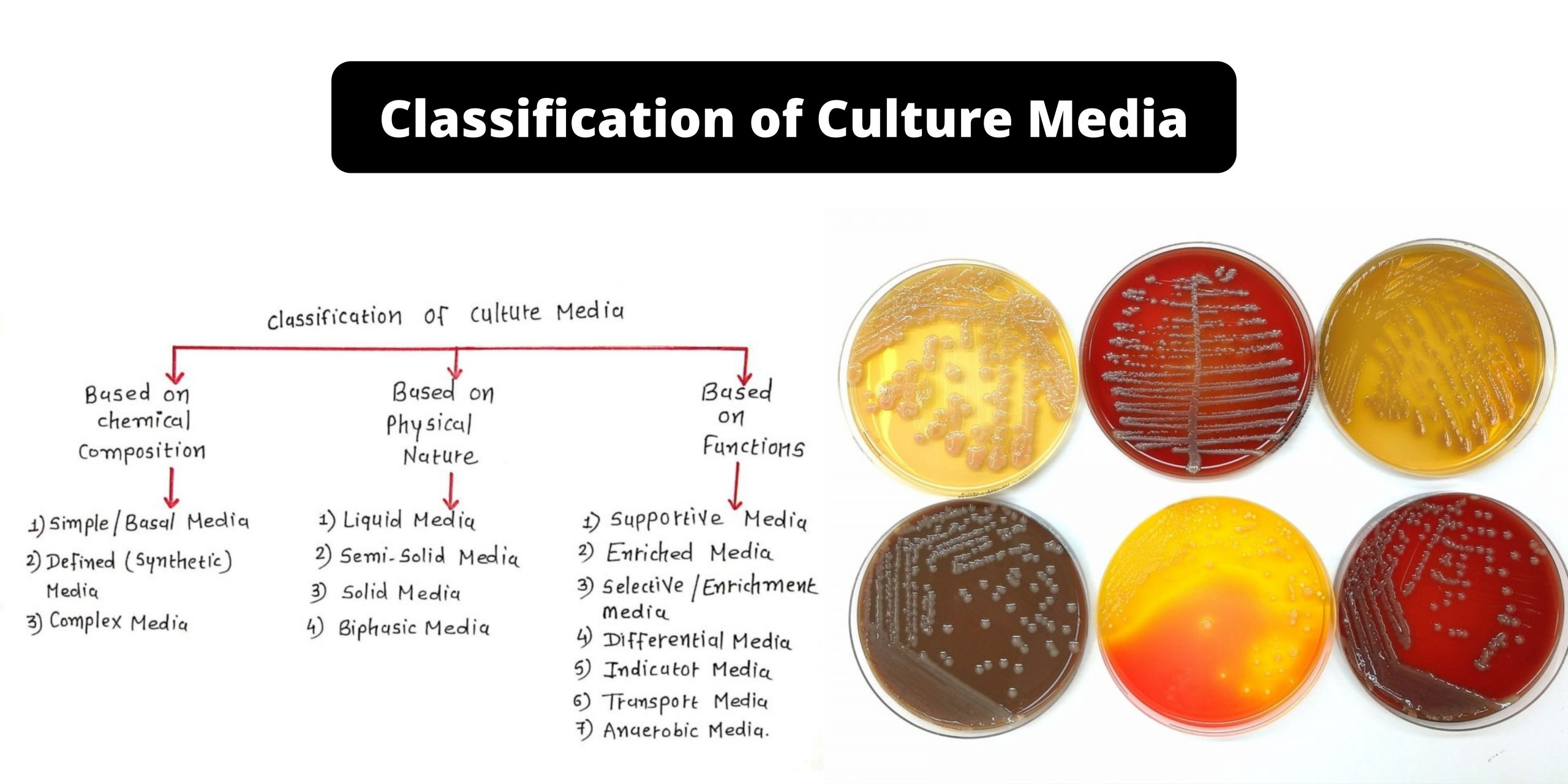
Culture medium refers to the nutrient-rich substance that is used in labs to culture microorganisms such as bacteria and fungi. These materials, whether liquid or solid, provide the microbes with needed nutrients, minerals and other factors for growth and reproduction according to step-by-step reports from authoritative sources around the world. The late 19th century was … Read more
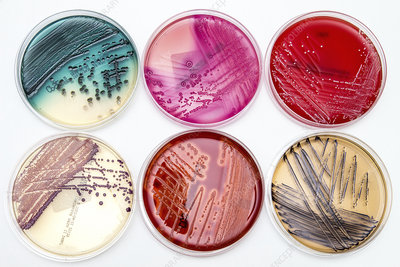
Culture Media Examples Components/Comments Primary Purpose Bile esculin agar (BEA) Nutrient agar base with ferric citrate. Hydrolysis of esculin by group D streptococci imparts a brown color to medium; sodium deoxycholate inhibits many bacteria. Differential isolation and presumptive identification of group D streptococci and enterococci Bile esculin azide agar with vancomycin Contains azide to inhibit … Read more
When it comes to culturing bacteria, it is crucial to create the same environmental and nutritional conditions as those found in the natural environment. The majority of culture mediums contain water, which is a major source of carbon and energy and nitrogen. It also contains trace elements, as well as some growth factors. In addition, the pH as well as oxygen tension and Osmolarity must also be considered. Some of the components of media for culture include: Although tap water is appropriate for the use of culture media, it shouldn’t be used in the event that it contains a significant amounts of minerals. In these instances the use of demineralised or distillated water is recommended.
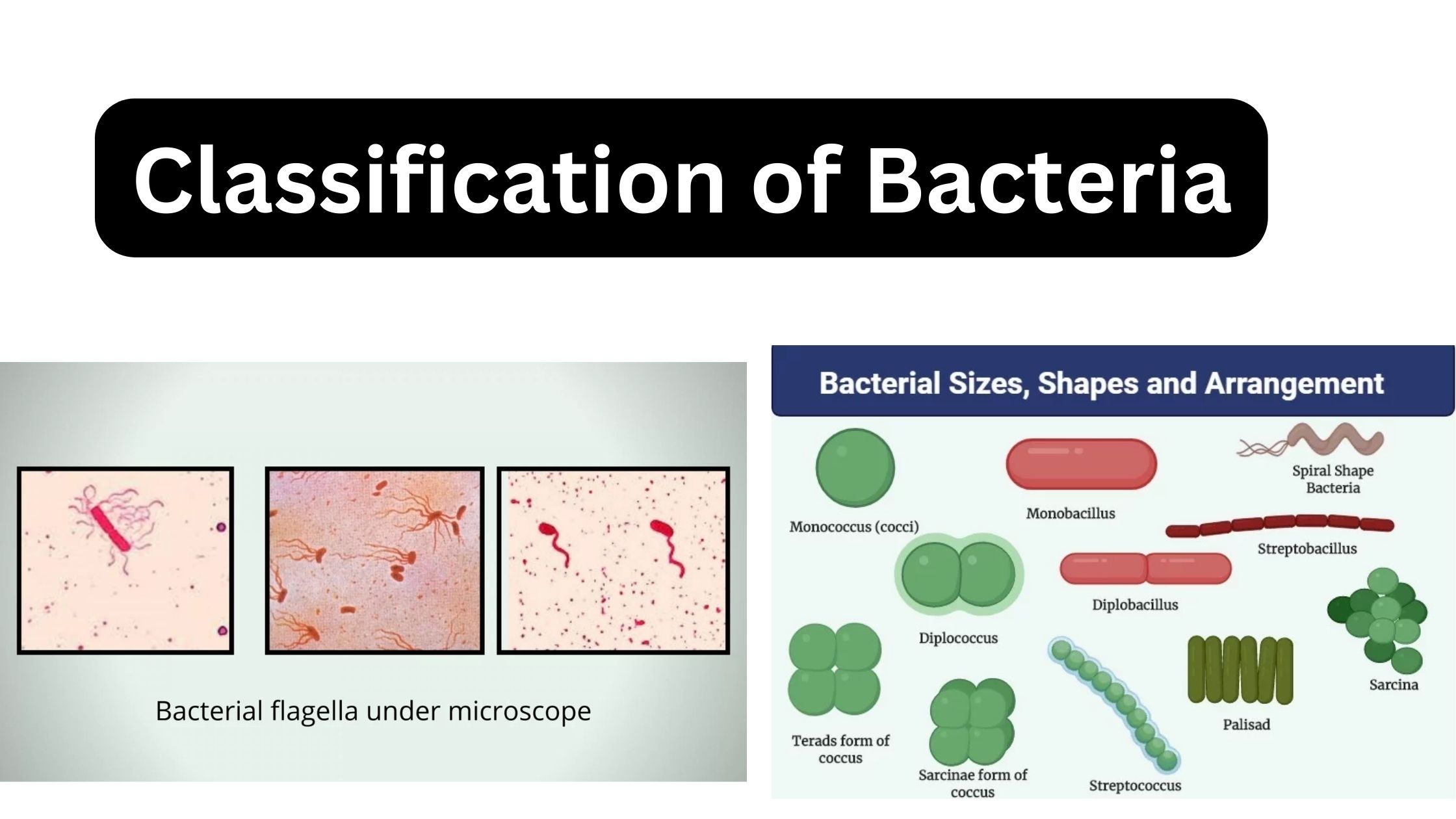
Little, single-celled creatures living practically everywhere are bacteria. They’re prokaryotic, meaning they lack a real nucleus. They differ from eukaryotic cells in that they lack membrane-bound organelles. Shapes vary; spherical (cocci), rod-like (bacilli), spiral (spirilla), or comma-shaped (vibrios). Their survival in hostile environments depends on this diversity. Some twist like corkscrews, designated as spirochaetes. There … Read more