How Blood Centrifugation Works

Transcript
Introduction to Blood Centrifugation -Blood centrifugation is a critical process that separates whole blood into its various components for research, diagnostic testing, and therapeutic applications. This technique relies on centrifuges that spin samples at high speeds, using centrifugal force to separate blood components based on their different densities. The process is fundamental to modern medicine and laboratory science, allowing for detailed analysis of specific blood components.
Understanding Blood Components -Whole blood consists of both cellular and non-cellular components. The main components include red blood cells (erythrocytes), which are the densest elements; white blood cells (leukocytes), which form a thin layer called the buffy coat; platelets, which assist in clotting; and plasma, the yellowish liquid component. Plasma makes up approximately 55% of blood volume and contains various proteins, glucose, salts, hormones, and other dissolved substances essential for bodily functions.
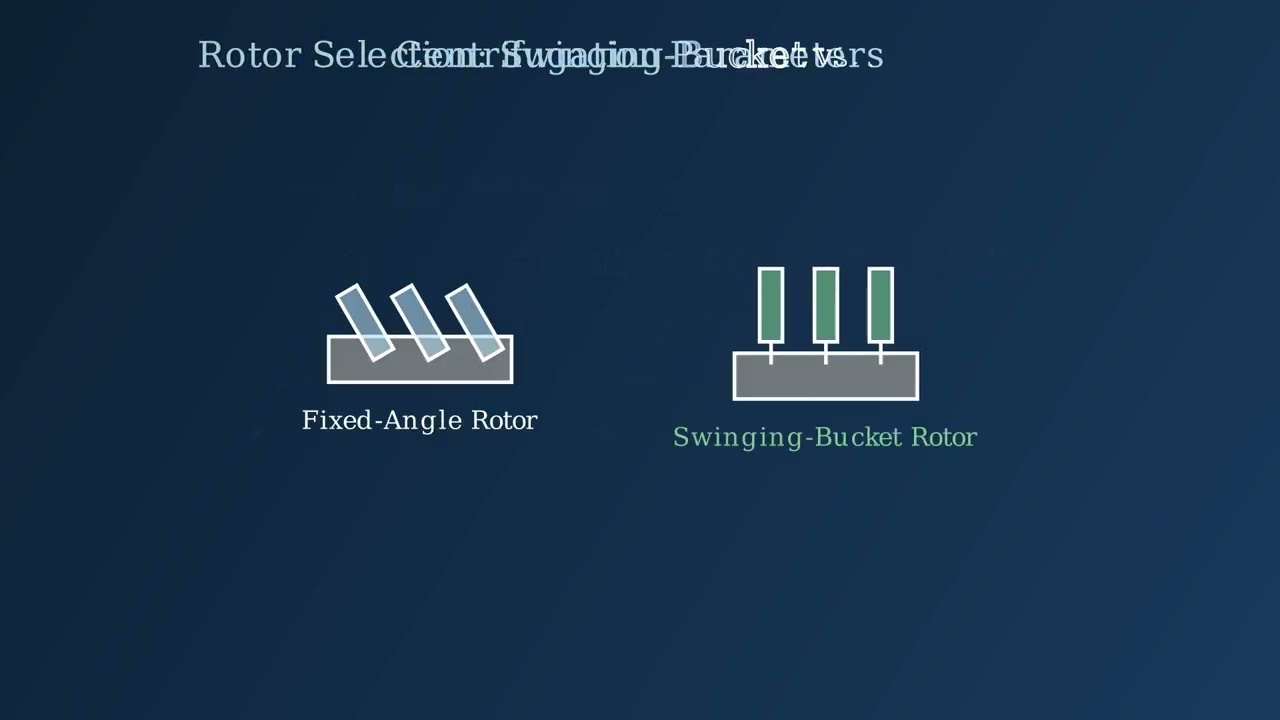
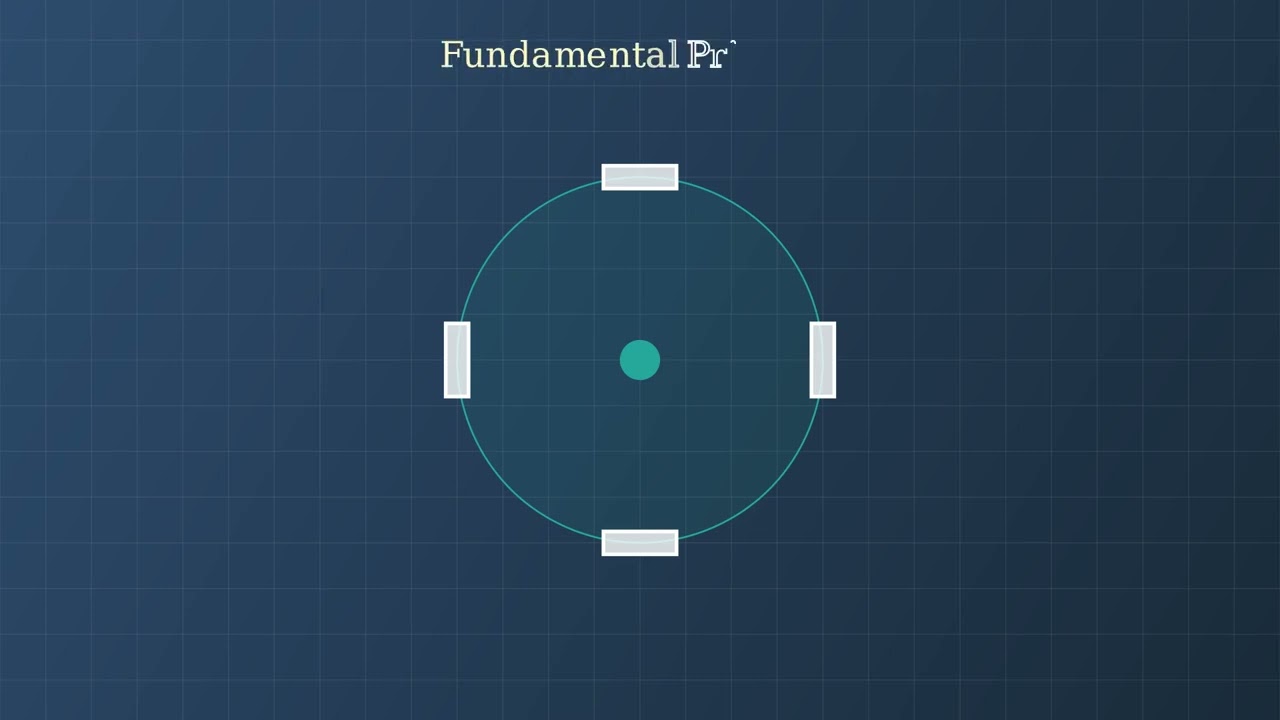
Centrifuge Rotor Types: Swing-Out Rotors -Swing-out rotors are one of two main rotor types used in blood centrifugation. These rotors allow the sample tubes to pivot outward during rotation, resulting in particles settling evenly along the tube wall. This design requires less force to achieve separation, making it more energy-efficient. Swing-out rotors are particularly useful for clinical applications where clear separation layers are needed for visual analysis and component extraction.
Centrifuge Rotor Types: Fixed-Angle Rotors -Fixed-angle rotors maintain sample tubes at a constant angle during centrifugation, causing components to spin to one side of the tube. This design enables faster separation of blood components compared to swing-out rotors. Fixed-angle rotors are generally preferred in research settings where processing speed is prioritized over layer formation. They’re particularly effective when the goal is to quickly pellet cells rather than create distinct layers.
Technical Parameters for Blood Centrifugation -Effective blood centrifugation typically requires speeds between 4,000 and 6,500 RPM for diagnostic work. The centrifugation process usually takes less than 15 minutes to complete, though this varies based on the specific application. Blood samples should ideally rest for 30-60 minutes before centrifugation to allow for complete clotting. Modern centrifuges accommodate various tube capacities, ranging from small 1.5mL microtubes to larger 15mL tubes.
The Centrifugation Process -During centrifugation, blood components separate according to their density. The heaviest components—red blood cells—move furthest from the center of rotation, forming the bottom layer. White blood cells and platelets form the buffy coat in the middle, while plasma rises to the top as the least dense component. This layering occurs gradually as centrifugal force overcomes the homogeneous mixture of whole blood, creating distinct boundaries between components.
Applications in Diagnostics -Blood centrifugation is essential for many diagnostic tests. By separating specific components, clinicians can perform targeted analyses such as complete blood counts, metabolic panels, and coagulation studies. The isolation of serum or plasma allows for accurate measurement of various biomarkers without interference from cellular components. This separation is crucial for detecting diseases, monitoring treatment effectiveness, and evaluating overall health status.
Research Applications -In research settings, blood centrifugation enables scientists to isolate and study specific blood components in detail. Researchers can extract white blood cells to investigate immune responses, isolate platelets for clotting studies, or analyze plasma proteins for biomarker discovery. These isolated components can be further processed for molecular analysis, cell culture, or experimental treatments, advancing our understanding of human physiology and disease mechanisms.
Therapeutic Applications -Blood centrifugation plays a vital role in preparing blood products for transfusion and other therapeutic uses. It allows for the separation of components like red blood cells, platelets, and plasma, which can be transfused individually based on patient needs. This process also enables the preparation of specialized products such as platelet-rich plasma for regenerative medicine applications and plasma derivatives for treating various conditions.
Advancements in Centrifugation Technology -Modern centrifuges like CAPP’s CAPPRondo series offer improved features for blood separation, including precise temperature control, programmable protocols, and enhanced safety mechanisms. These advancements allow for more consistent results, greater efficiency, and better preservation of blood component integrity. Ongoing technological innovations continue to refine the centrifugation process, making it more accessible and reliable for both clinical and research applications.
Related Videos