

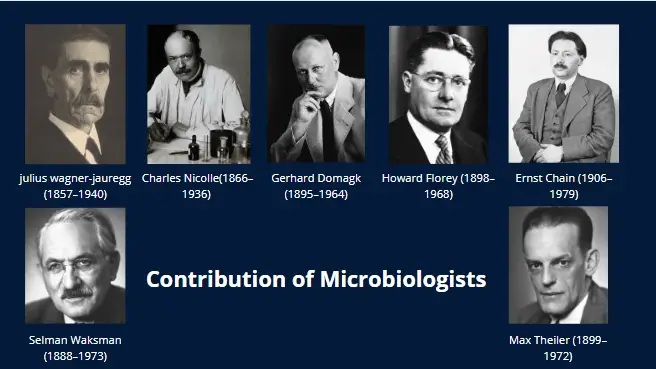
1. Julius Wagner-Jauregg
Julius Wagner-Jauregg was an Austrian psychiatrist. He was the first psychiatrist who received the Nobel Prize in Physiology or Medicine. He is mainly known for introducing malarial therapy for the treatment of neurosyphilis.
It is considered as one of the earliest biological treatment in psychiatry.
Key Contributions of Julius Wagner-Jauregg
Development of Malarial Therapy
It is the process of treating General Paresis of the Insane (GPI) by inducing fever. In 1917, patients suffering from neurosyphilis was inoculated with tertian malaria (Plasmodium vivax).
High intermittent fever was produced in the body. This process occurs when elevated temperature suppress the growth of syphilis causing organism. After several cycles of fever, malaria was treated with quinine and anti-syphilitic drugs (Salvarsan). Two diseases was involved but improvement was observed in many cases.
Nobel Prize in Medicine (1927)
For his successful discovery of malaria treatment for GPI, he was awarded the Nobel Prize in 1927. It was the first time a psychiatrist is honored in this field.
This achievement was regarded as important in medical science.
Foundation of Biological Psychiatry
His work provided biological validation to psychiatry. Earlier psychiatric disorders with organic basis were considered incurable.
This is referred to as therapeutic nihilism. His discovery showed that mental illness with physical cause can be treated.
Role in Development of Psychopharmacology
The treatment was based on induced fever, quinine and anti-syphilitic agents. It helped in the later development of drug-based psychiatric treatments.
Among the important outcomes was the rise of modern psychopharmacology.
Contribution in Goiter Prevention
He also supported the use of iodine in salt to prevent goiter. It is a preventive measure against thyroid enlargement in iodine deficient areas.
This contribution was related to public health.
Note
Although he was known for his medical discoveries, his later life was associated with controversial political views and support for eugenics. Ethical questions was also raised regarding infection of psychiatric patients with malaria without proper consent.
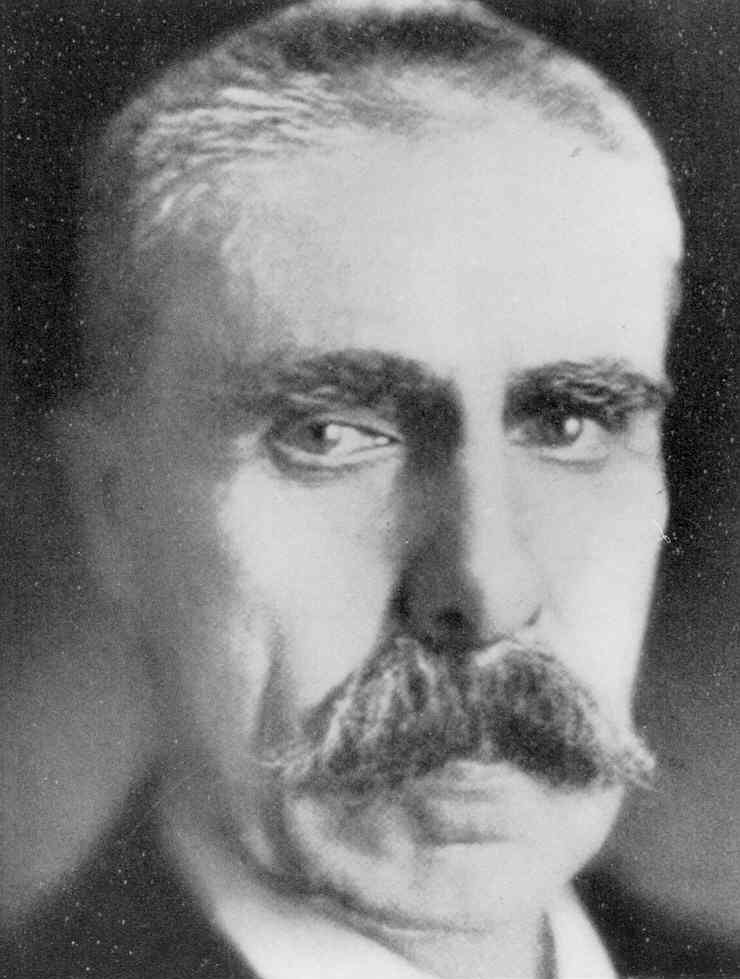
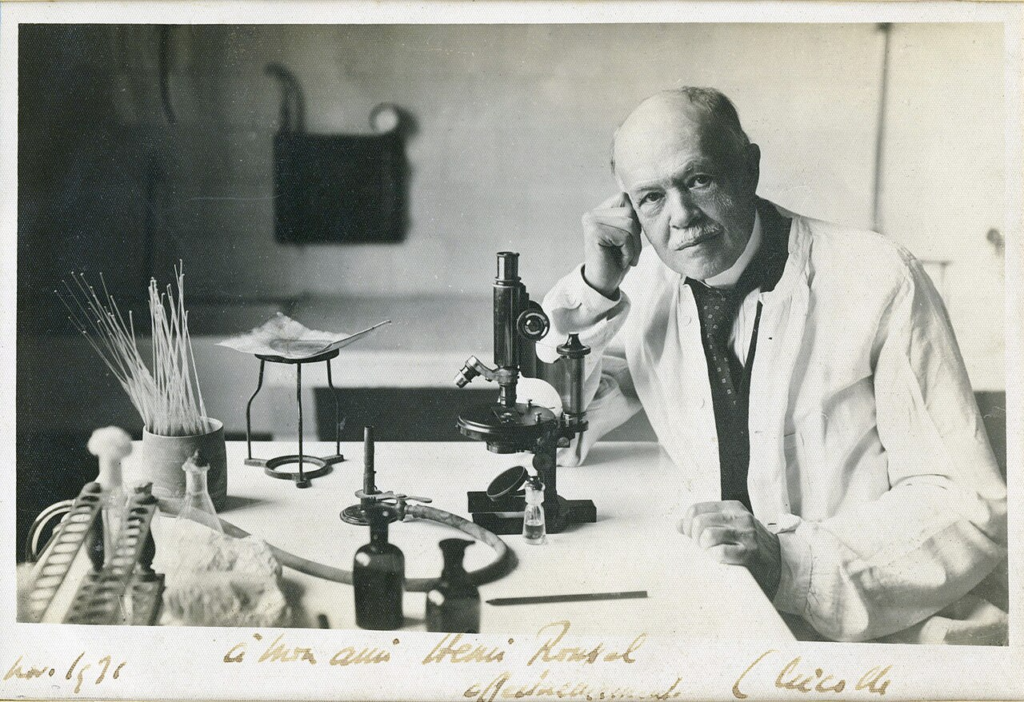
2. Charles Nicolle
Charles-Jules-Henri Nicolle (1866–1936) was a French physician and microbiologist. He was also a philosopher, historian, and novelist. He completed his medical and bacteriological training in France. After that he served as the Director of the Institut Pasteur de Tunis from 1903 until his death.
He was awarded the Nobel Prize in Physiology or Medicine for his work on epidemic typhus. His research was mainly concerned with infectious diseases and their transmission.
Key Contributions of Charles Nicolle
Discovery of transmission of epidemic typhus
It is the most important work of Nicolle. He observed that patients with typhus stopped infecting others after admission to hospital when they were stripped, shaved and washed. From this observation it was concluded that the disease is carried by lice.
In 1909 it was proved that the human body louse (Pediculus humanis corporis) transmits the disease. The transmission experiments were conducted on chimpanzees and macaques. This discovery explained the rapid spread of typhus during wars and crowded conditions.
Concept of inapparent infection
It is referred to as the condition where host carries infection without showing clinical symptoms. Nicolle first observed this in guinea pigs infected with typhus. Later it was seen in many viral, bacterial and parasitic diseases.
He considered this as his greatest discovery. The concept of symptomless carriers are now fundamental in epidemiology of infectious diseases.
Early research on influenza
During the 1918 influenza pandemic, studies were carried out by Nicolle to identify the cause. Filtered sputum from infected patients was injected into volunteers and monkeys. A similar illness was reproduced.
This experiment is considered as one of the earliest attempts for isolation of human influenza virus.
Studies on various infectious diseases
Being located in North Africa, he studied many tropical and endemic diseases. Important diseases studied are–
– Brucellosis
– Leishmaniasis
– Measles
– Rinderpest
– Scarlet fever
– Mediterranean spotted fever
– Toxoplasmosis
– Trachoma
– Tuberculosis
These studies expanded the understanding of infectious disease pathology and transmission.
Contribution to literature and philosophy
Apart from scientific research, he authored several philosophical texts and novels. One of his known work is Destin des maladies infectieuses.
His writings were concerned with nature of diseases and destiny of humanity. He gained readership not only in science but also in literature.
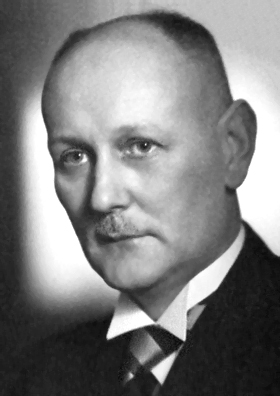
3. Gerhard Domagk
Gerhard Domagk (1895–1964) was a German pathologist and bacteriologist. He played a major role in the development of modern antimicrobial chemotherapy. His research was mainly concerned with bacterial infections and their treatment by synthetic chemicals.
He worked at the IG Farben laboratories where many of his discoveries were made. His works laid the foundation of antibacterial drug therapy.
Key Contributions of Gerhard Domagk
Discovery of Sulfa drugs (Prontosil)
It is the most significant contribution of Domagk. While working with synthetic dyes, he discovered that a red azo dye called Prontosil (sulfonamidochrysoidine) was effective against severe bacterial infections caused by Streptococcus.
The drug was found to cure systemic infections in experimental animals. Later it was used clinically in humans. This discovery became the first commercially available antibiotic and proved the concept of “magic bullet” for bacterial infections.
Nobel Prize in Physiology or Medicine
He was awarded the Nobel Prize in Physiology or Medicine for the discovery of antibacterial effects of Prontosil.
However at that time he was arrested by the Gestapo and forced to reject the award by the Nazi government. After the fall of the Third Reich, he later received his medal and diploma in 1947.
Work on tuberculosis treatment
After the introduction of penicillin, his research interest was shifted towards tuberculosis. Studies were carried out to develop new antitubercular drugs.
His work contributed in the development of thiosemicarbazone and isoniazid. These drugs helped in controlling tuberculosis epidemic in Europe after World War II.
Discovery of Zephirol
In 1932 he discovered a chemical compound named Zephirol. It showed strong antimicrobial activity.
This discovery marked the beginning of quaternary ammonium compounds (quats). These compounds are widely used as disinfectants and detergents.
Research in cancer therapy
In his later years research was focused on cancer treatment. An experimental anticancer drug E-39 (ethylenimine quinones) was developed.
It was demonstrated that this compound could destroy certain cancer cells in animal models. This study showed early attempt of targeted cancer chemotherapy.
4. Howard Florey
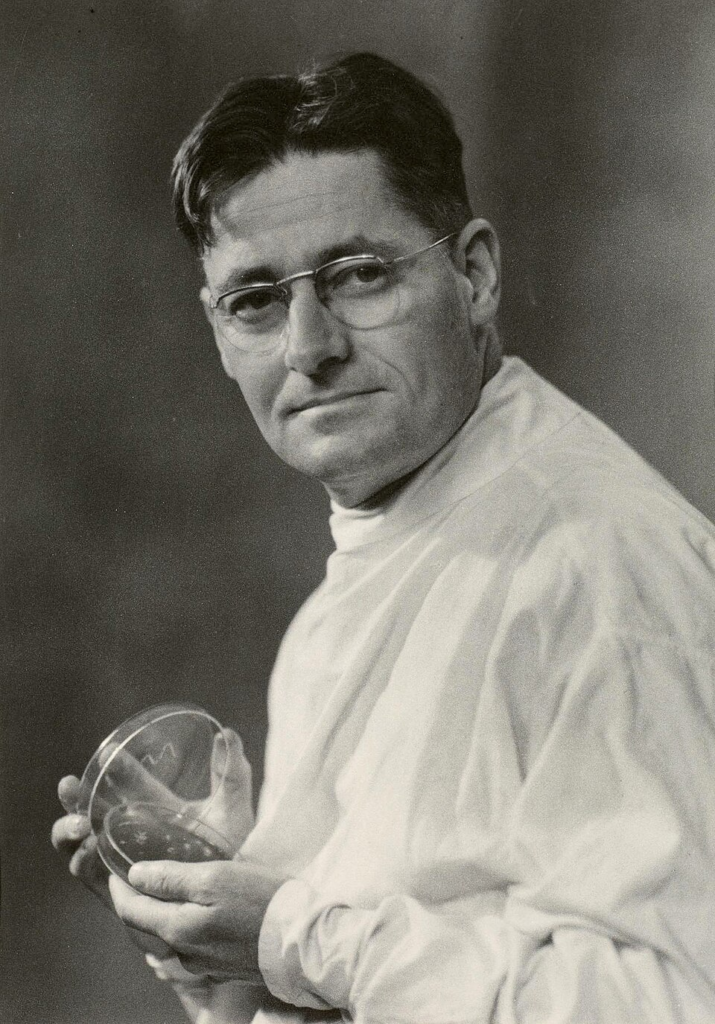
Howard Walter Florey (1898–1968) was an Australian pathologist. He was the director of the Sir William Dunn School of Pathology at University of Oxford.
He shared the Nobel Prize in Physiology or Medicine with Alexander Fleming and Ernst Boris Chain for development of penicillin as life saving drug. His research was mainly concerned with antibacterial substances and chemotherapy.
Key Contributions of Howard Florey
Transformation of Penicillin into clinical drug
It is the major contribution of Florey. Between 1935 and 1940 penicillin was purified, concentrated and stabilized into usable form.
The substance was converted from laboratory finding into therapeutic agent. Systemic bacterial infections were successfully treated.
Proof of safety and efficacy of Penicillin
Animal and human clinical trials were conducted in 1940 and 1941. It was demonstrated that penicillin is non-toxic to living cells and highly effective against severe bacterial infections.
Pneumonia, meningitis, gonorrhea, syphilis and gas gangrene were treated effectively.
Mass production of Penicillin
In initial stage production was carried out in small scale in Oxford laboratory using simple vessels. Later collaboration was made with researchers and industries in United States during World War II.
Deep tank fermentation methods were developed. Large scale production was achieved for the first time.
Development of Cephalosporin C
After World War II antibiotic research was continued. In 1954 cephalosporin C was developed in his laboratory.
This expanded the group of β-lactam antibiotics and provided alternative therapy for resistant infections.
Scientific and academic leadership
He served as president of the Royal Society from 1960 to 1965. He was also provost of Queen’s College at Oxford.
He organized the Australian National University and later became its chancellor in 1965.
5. Ernst Chain
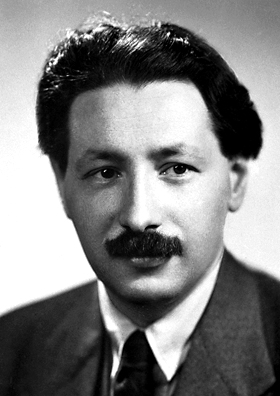
Ernst Boris Chain (1906–1979) was a British biochemist of Russian-German-Jewish descent. He fled Nazi Germany in 1933 and later joined the Sir William Dunn School of Pathology at University of Oxford.
His research was mainly concerned with biochemistry of antibacterial substances. He played an important role in development of modern antibiotics.
Key Contributions of Ernst Chain
Development of Penicillin
It is the major contribution of Chain. Along with Howard Florey he worked on the substance originally discovered by Alexander Fleming in 1928.
From 1938 purification and concentration of unstable penicillin molecule was carried out. Techniques using pH control, low temperature and repeated evaporation was devised. This made penicillin clinically usable.
Nobel Prize in Physiology or Medicine
He was jointly awarded the Nobel Prize in Physiology or Medicine for creation of first successful antibiotic drug.
The award was shared with Florey and Fleming. This recognition established antibiotic chemotherapy as major medical advancement.
Determination of Penicillin structure
During World War II the chemical structure of penicillin was investigated. It was proposed that penicillin contains a central four-membered beta-lactam ring.
This structure was later confirmed by X-ray crystallography. Understanding of structure helped in further antibiotic development.
Development of semisynthetic Penicillins
After the war he moved to the Istituto Superiore di Sanità. In 1957 research and consulting work with Beecham Group was carried out.
Atomic groupings central to penicillin molecule were isolated. This led to commercial production of semisynthetic penicillins such as ampicillin and penicillin V.
Advancement of biochemical research facilities
He integrated biochemical research departments with fermentation pilot plants. Major research facilities were headed in Rome.
Later in 1964 a new biochemistry department was founded at Imperial College London. These developments strengthened biochemical and pharmaceutical research.
6. Selman Waksman
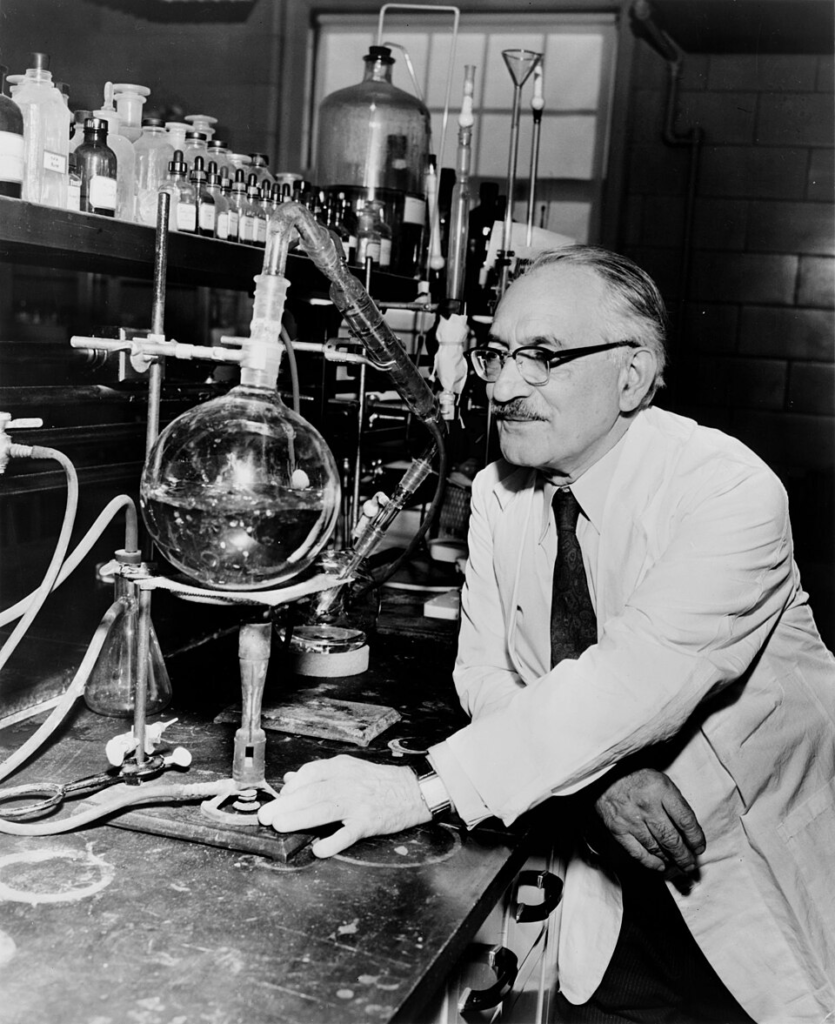
Selman Abraham Waksman (1888–1973) was a Russian-born American biochemist and soil microbiologist. He worked for about four decades as professor at Rutgers University.
His research was mainly concerned with soil microorganisms and their metabolic activities. He played an important role in beginning of antibiotic era.
Key Contributions of Selman Waksman
Discovery of Streptomycin
It is the most important discovery of Waksman. In 1943 streptomycin was discovered from soil actinomycetes in his laboratory. The work was carried out with his student Albert Schatz.
Streptomycin was the first effective drug against tuberculosis. It was also effective against several gram-negative bacterial infections. This discovery marked new era in treatment of infectious diseases.
Coining the term Antibiotic
It is the term introduced by Waksman in medical microbiology. Antibiotic is defined as chemical substance produced by microorganisms which inhibit growth of other microorganisms.
This definition became standard in microbiology and chemotherapy.
Nobel Prize in Physiology or Medicine
He was awarded the Nobel Prize in Physiology or Medicine for his systematic and successful studies of soil microbes leading to discovery of streptomycin.
This recognition established the importance of soil microbiology in medical research.
Systematic screening of soil microorganisms
It is referred to as deliberate and organized method for detecting antimicrobial agents from soil microbes. Actinomycetes were extensively studied.
More than 15–20 antibiotics were isolated including neomycin, actinomycin and streptothricin. These discoveries expanded the range of antibacterial agents.
Philanthropy and academic leadership
A major portion of royalties from streptomycin was used to establish Foundation for Microbiology in 1951. He also established Waksman Institute of Microbiology at Rutgers University.
These institutions promoted research and training in microbiology.
Marine bacteriology research
In 1931 a division of Marine Bacteriology was organized at Woods Hole Oceanographic Institution.
Research was conducted on role of bacteria in marine nutrient cycles and degradation of organic matter in seawater. These studies contributed to marine microbial ecology.
7. Max Theiler
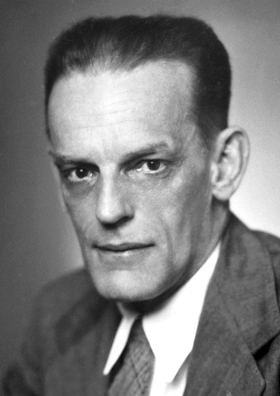
Max Theiler (1899–1972) was a South African-American virologist and physician. He worked for many years at the Rockefeller Foundation.
His research was mainly concerned with yellow fever and other viral diseases. He played an important role in development of viral vaccines.
Key Contributions of Max Theiler
Development of Yellow Fever Vaccine (17D strain)
It is the most important contribution of Theiler. In 1937 a safe and effective live attenuated vaccine against yellow fever was developed along with Hugh Smith.
The highly virulent Asibi strain was subcultured in minced chicken embryos for more than 100 passages. The 17D mutant strain was produced which lost its tissue damaging property but retained its immunogenicity. Lifelong immunity was conferred after vaccination.
Nobel Prize in Physiology or Medicine
He was awarded the Nobel Prize in Physiology or Medicine for his work on yellow fever vaccine.
He was the first African-born Nobel laureate. He remains the only person to receive Nobel Prize specifically for development of a virus vaccine.
Use of mice in virology research
Before his work yellow fever virus was studied mainly in monkeys. It was demonstrated that the virus can be propagated in brains of laboratory mice.
The “mouse protection test” was developed to measure protective antibodies in human blood. This test was used to evaluate vaccine efficacy.
Disproving bacterial theory of yellow fever
In 1926 studies were conducted with Andrew Sellards to test the hypothesis of Hideyo Noguchi. It was previously proposed that yellow fever was caused by bacterium Leptospira icteroides.
It was conclusively demonstrated that yellow fever is not caused by this bacterium. This clarified the viral nature of the disease.
Discovery of Theiler’s murine encephalomyelitis virus
In 1937 a filterable viral agent causing polio-like paralysis in mice was discovered. This virus is now known as Theiler’s murine encephalomyelitis virus.
It is used as experimental model for studying multiple sclerosis and other demyelinating diseases.
Reference
- American Chemical Society. (2005). Selman Waksman and antibiotics. National Historic Chemical Landmarks.
- Institut Pasteur. (n.d.). Charles Nicolle (1866-1936).
- Lubell, A. (2023). Selman Abraham Waksman. Research Starters. EBSCO Information Services.
- McKeown, M. (2023, September 22). Fighting fire with fire: How a Nobel Prize winning scientists used malaria to ‘cure’ syphilis. Office for Science and Society – McGill University.
- Neushul, P. (2023). Florey and Chain develop penicillin as an antibiotic. Research Starters. EBSCO Information Services.
- Nobel Prize Outreach. (n.d.). Charles Nicolle – Facts. NobelPrize.org.
- Nobel Prize Outreach. (n.d.). Physiology or medicine 1939 – Presentation speech. NobelPrize.org.
- Nobel Prize Outreach. (n.d.). Selman A. Waksman – Facts. NobelPrize.org.
- Nobel Prize Outreach. (n.d.). Sir Howard Florey – Facts. NobelPrize.org.
- Schultz, M. G., & Morens, D. M. (2009). Charles-Jules-Henri Nicolle. Emerging Infectious Diseases, 15(9), 1519–1522. https://doi.org/10.3201/eid1509.090891
- Science History Institute. (n.d.). Gerhard Domagk.
- Science History Institute. (n.d.). Howard Walter Florey and Ernst Boris Chain.
- The architecture of modern medicine: Microbiological pioneers and the transformation of global public health. (n.d.).
- Tsay, C. J. (2013). Julius Wagner-Jauregg and the legacy of malarial therapy for the treatment of general paresis of the insane. The Yale Journal of Biology and Medicine, 86(2), 245–254.
- Warshaw, R. (2016, April 18). Selman Waksman: Rutgers alumnus, researcher and Nobel Prize winner developed system to discover antibiotics. Rutgers University.
- Wikipedia. (n.d.). Gerhard Domagk.
- Wikipedia. (n.d.). Selman Waksman.