Difference Between Bone and Cartilage – Bone vs Cartilage

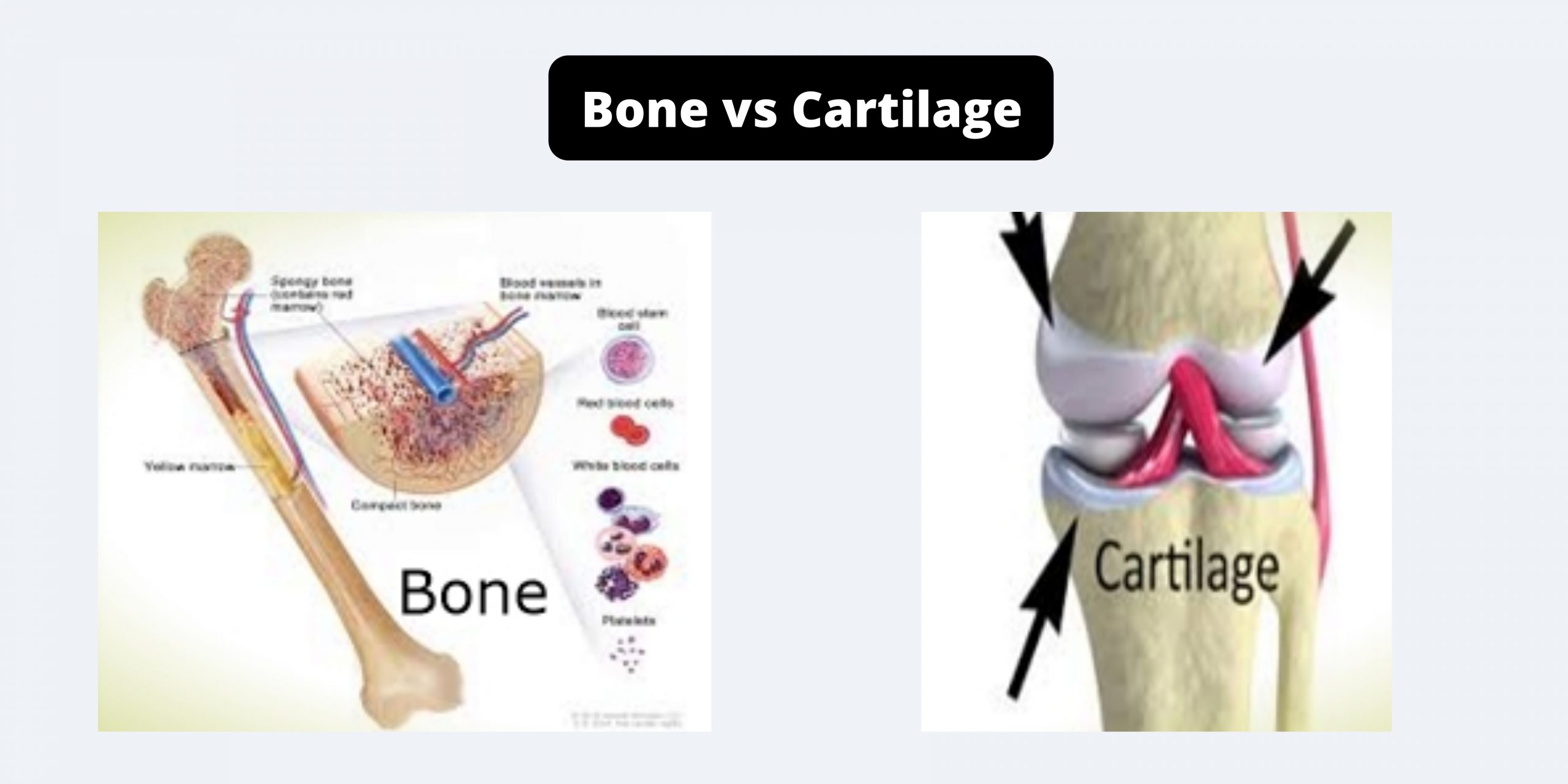
A bone is a connective tissue in which living cells, tissues and other components are contained within hard, non-living intercellular material.

A bone is a connective tissue in which living cells, tissues and other components are contained within hard, non-living intercellular material.
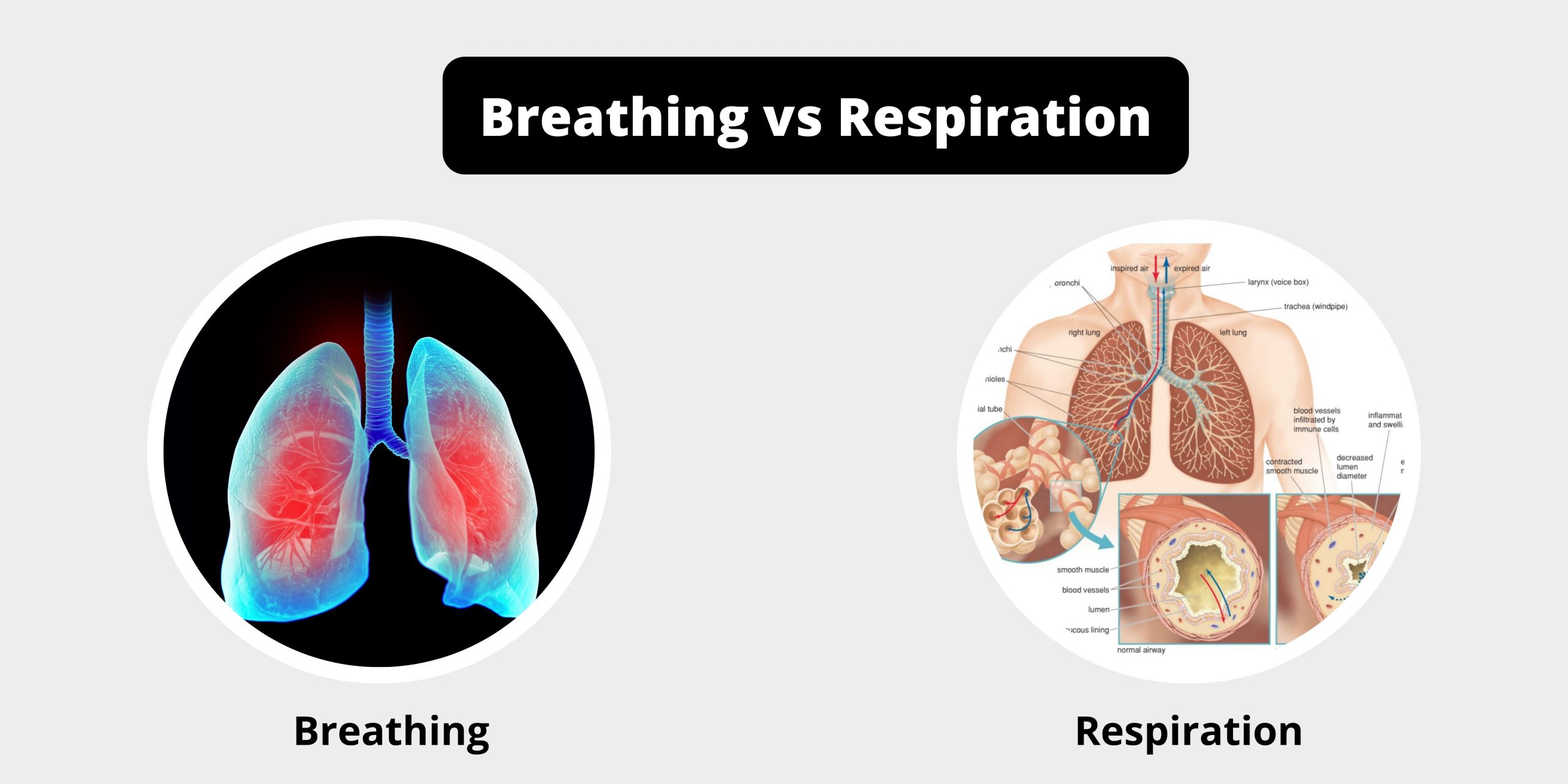
Breathing is also known as ‘external respiration’ because it is an external procedure of bringing oxygen into the body and exchanging carbon dioxide through the respiratory organs. The breathing process in all vertebrates is comprised of a high-yielding tubes which connect the nose with the alveoli. Breathing is a continuous cycle in which the amount of respiratory cycles in a minute is referred to as breathing or the rate of breathing. Under normal circumstances the speed and the depth of breathing is controlled by various homeostasis processes to regulate the partial pressure of carbon dioxide levels in the blood.
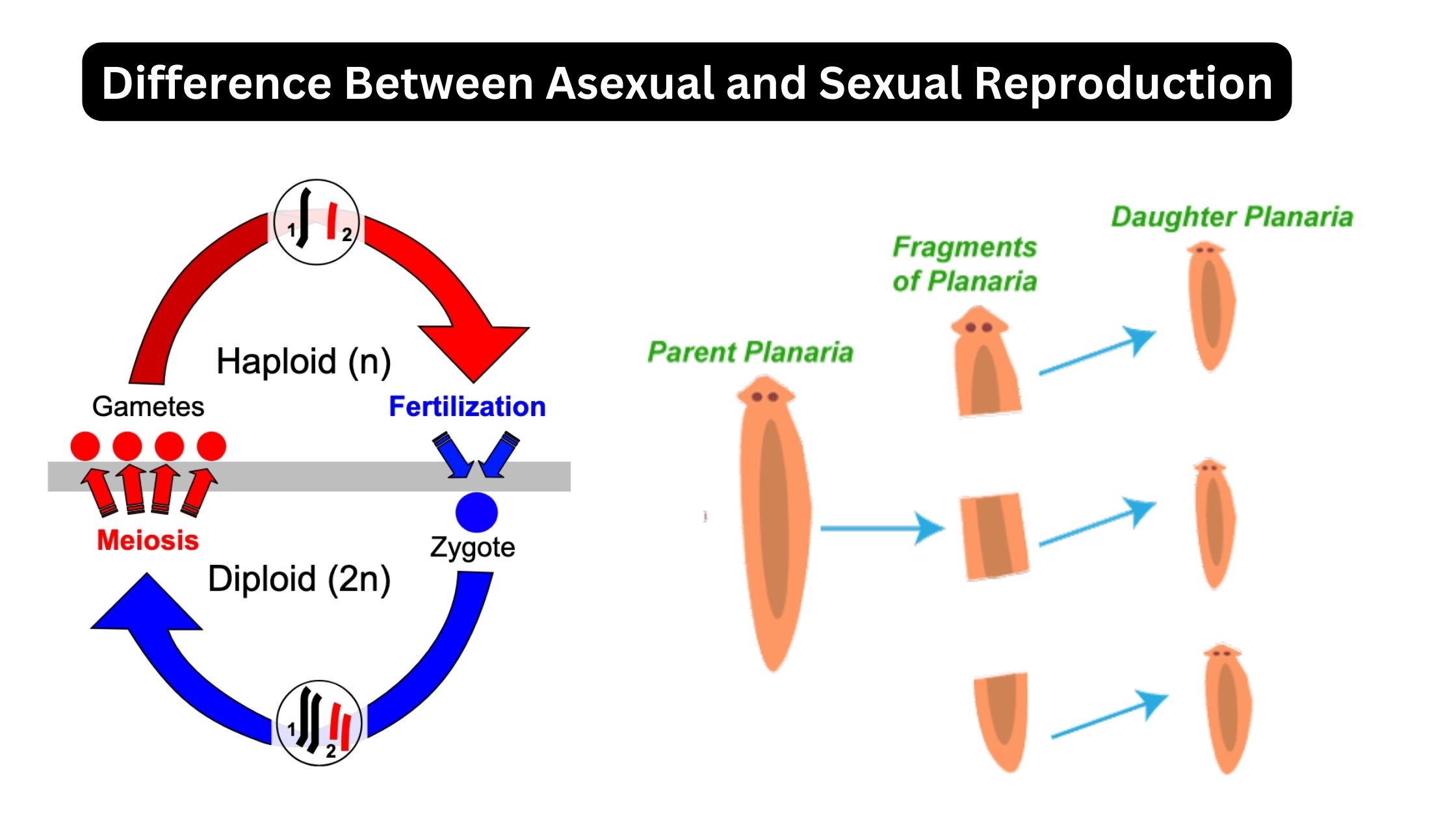
Asexual reproduction is the process of reproduction that does not involve gamestasy, and does not require the exchange of genetic information which results in offspring that are identical to their parents.
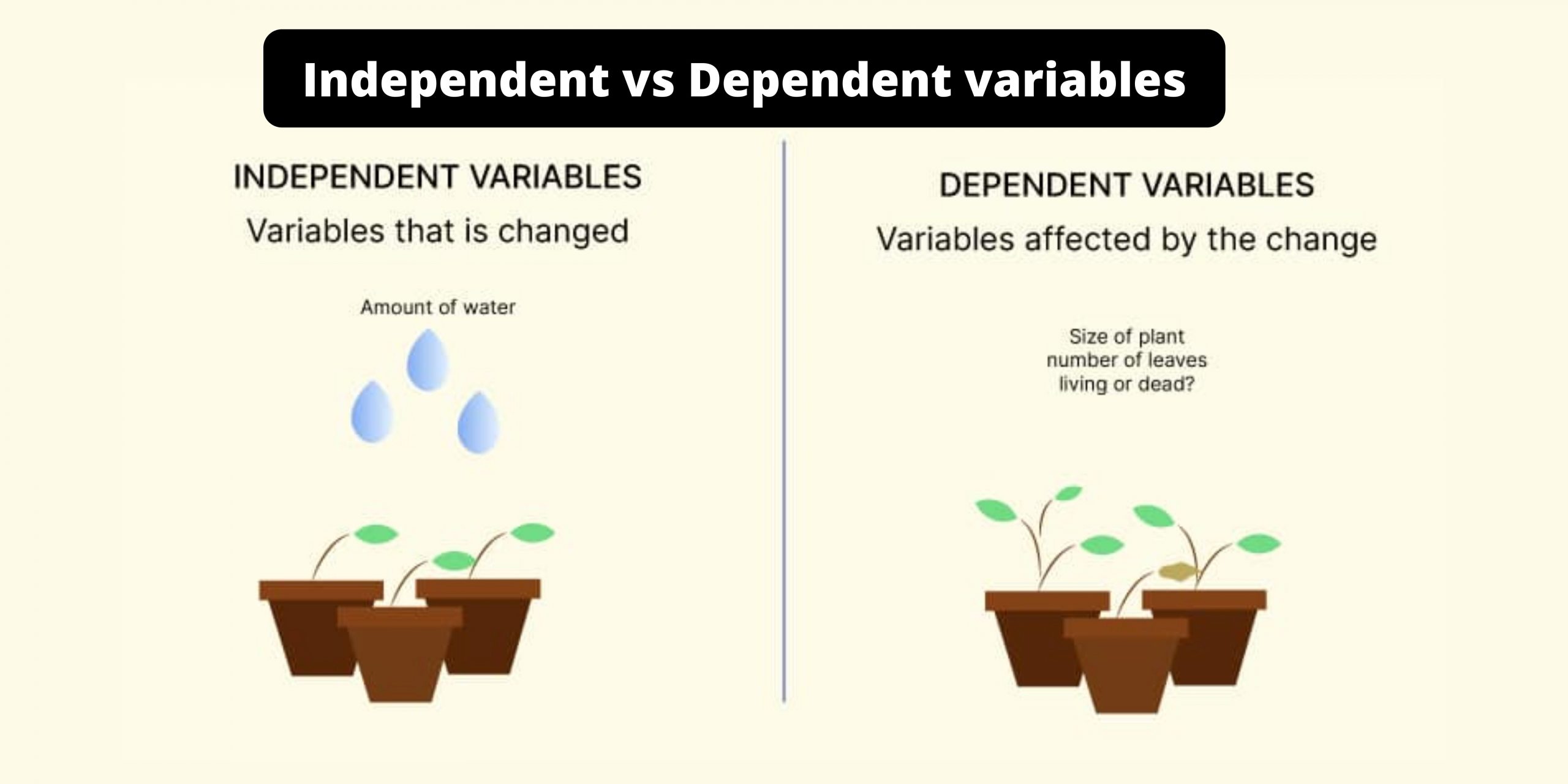
An Independent Variable is kind of variable that is used in experiments, studies, statistical modeling and mathematical modeling that isn’t dependent on any other variables that are part of the research.
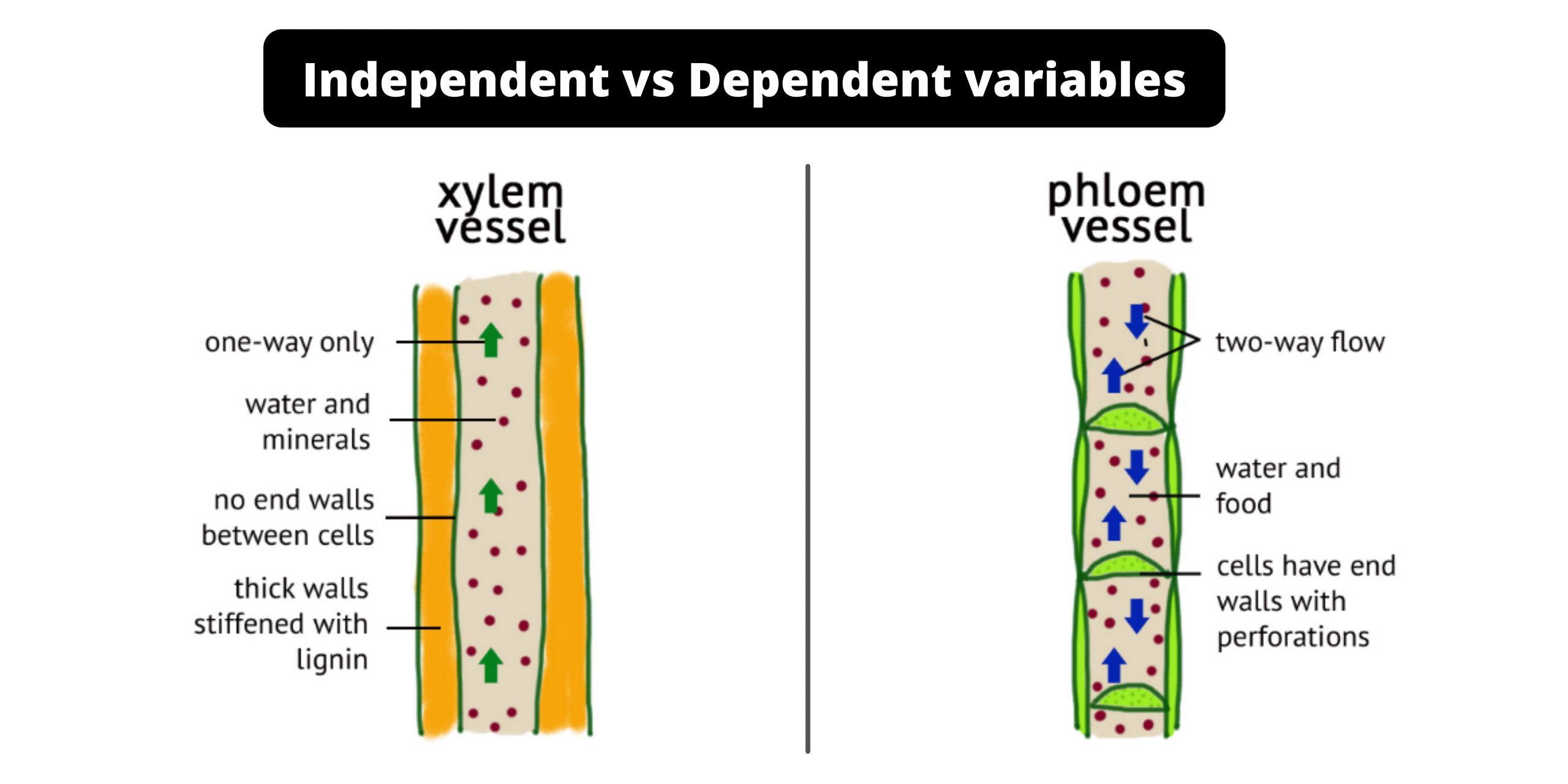
The Xylem is a blood vessel which transports water as well as dissolved minerals that are absorbed by root to remainder part of the plant.
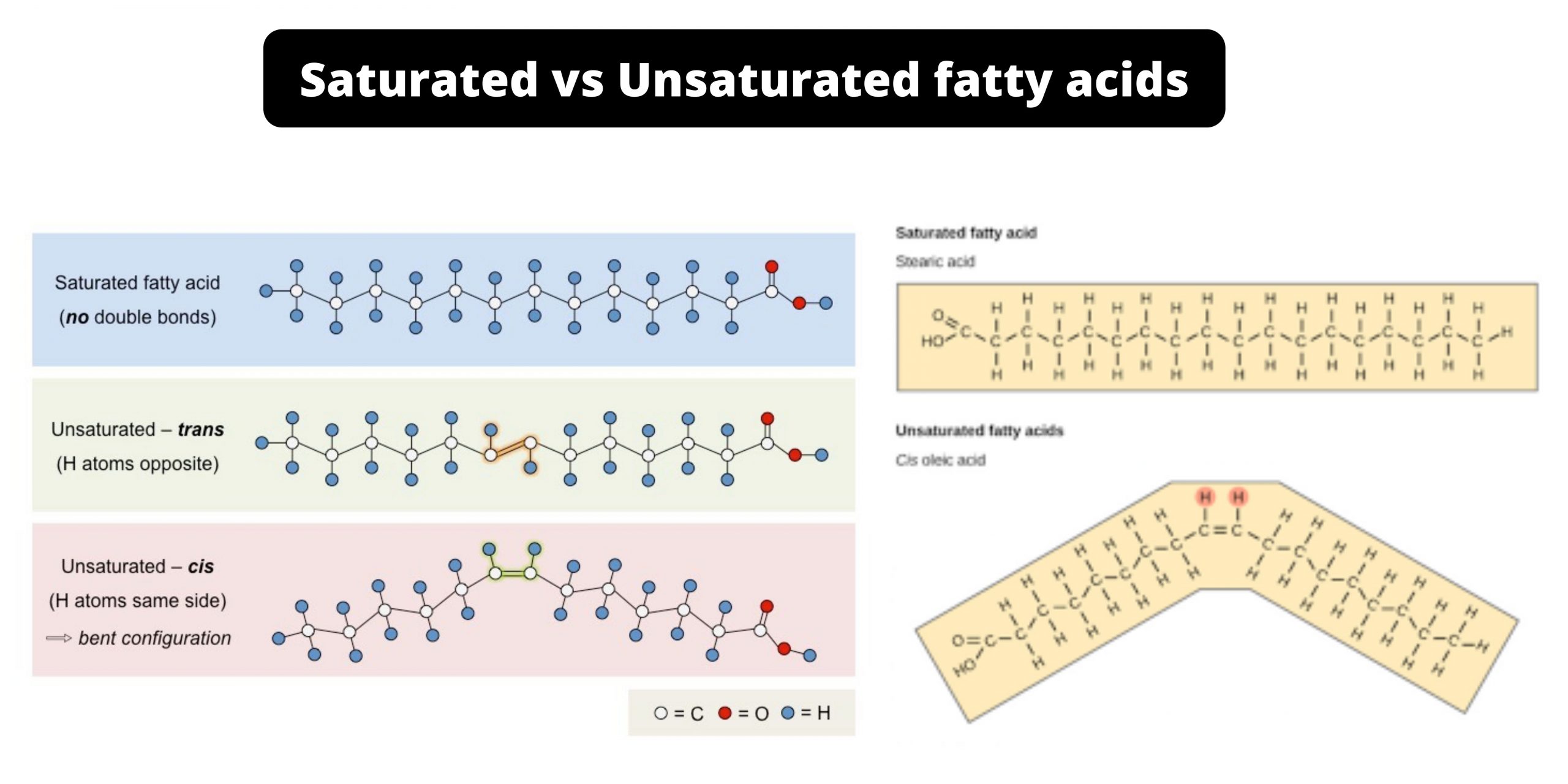
Saturated fats are the most basic type of fats. They are linear chains with no branches made of CH2 groups that are linked by single carbon bonds. They are joined by the terminal carboxylic acid.
Primary succession refers to a type or ecological succession that occurs in an environment that has just been formed, but does not have any habitable soil. However, living organisms are then colonized for their first time.
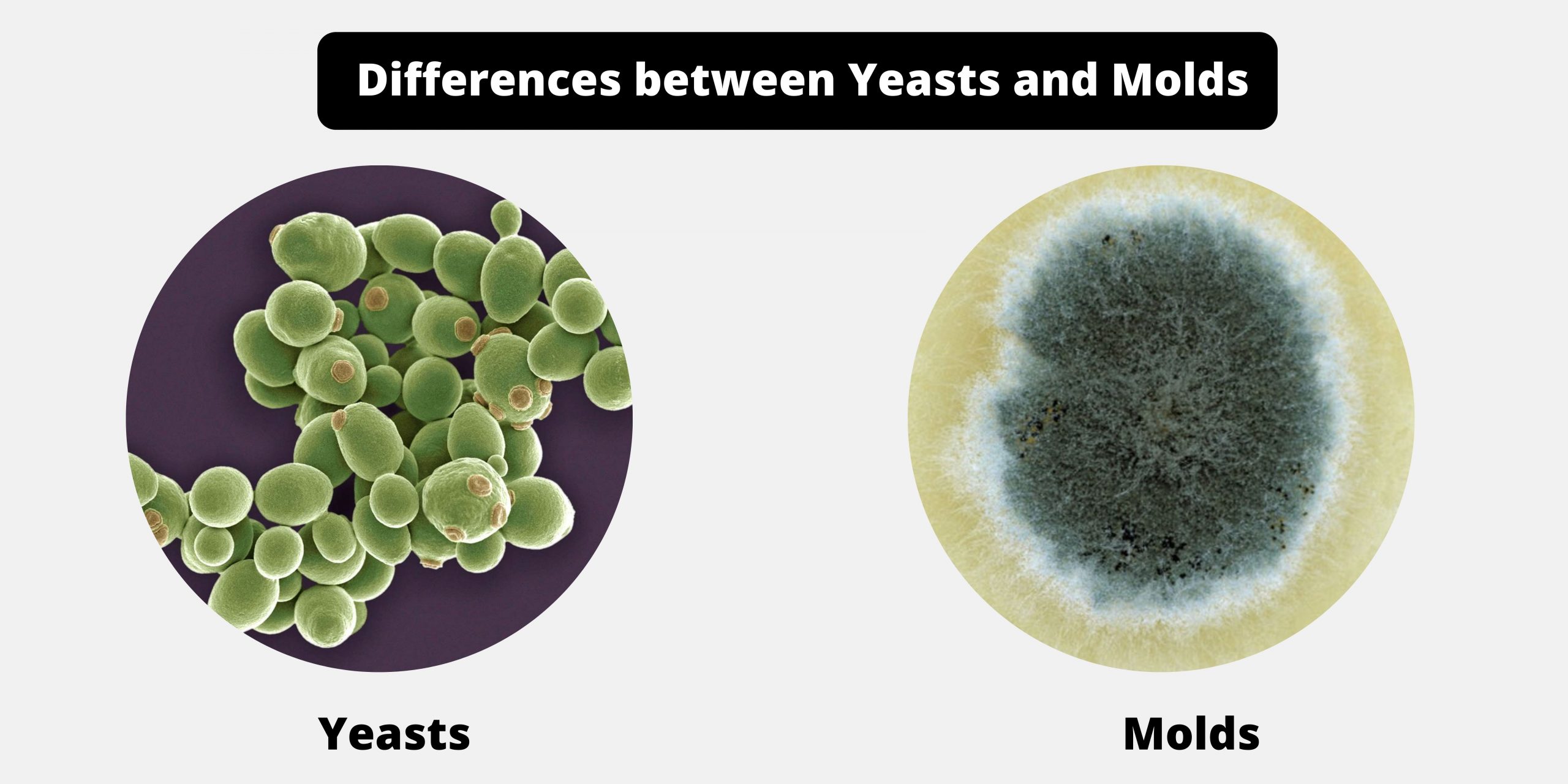
Mold and yeast are two types of fungi that grow. They are multicellular or unicellular microorganisms of the eukaryotic family. They are saprophytes that live externally decomposing organic material and absorbing nutrients via their cell walls.
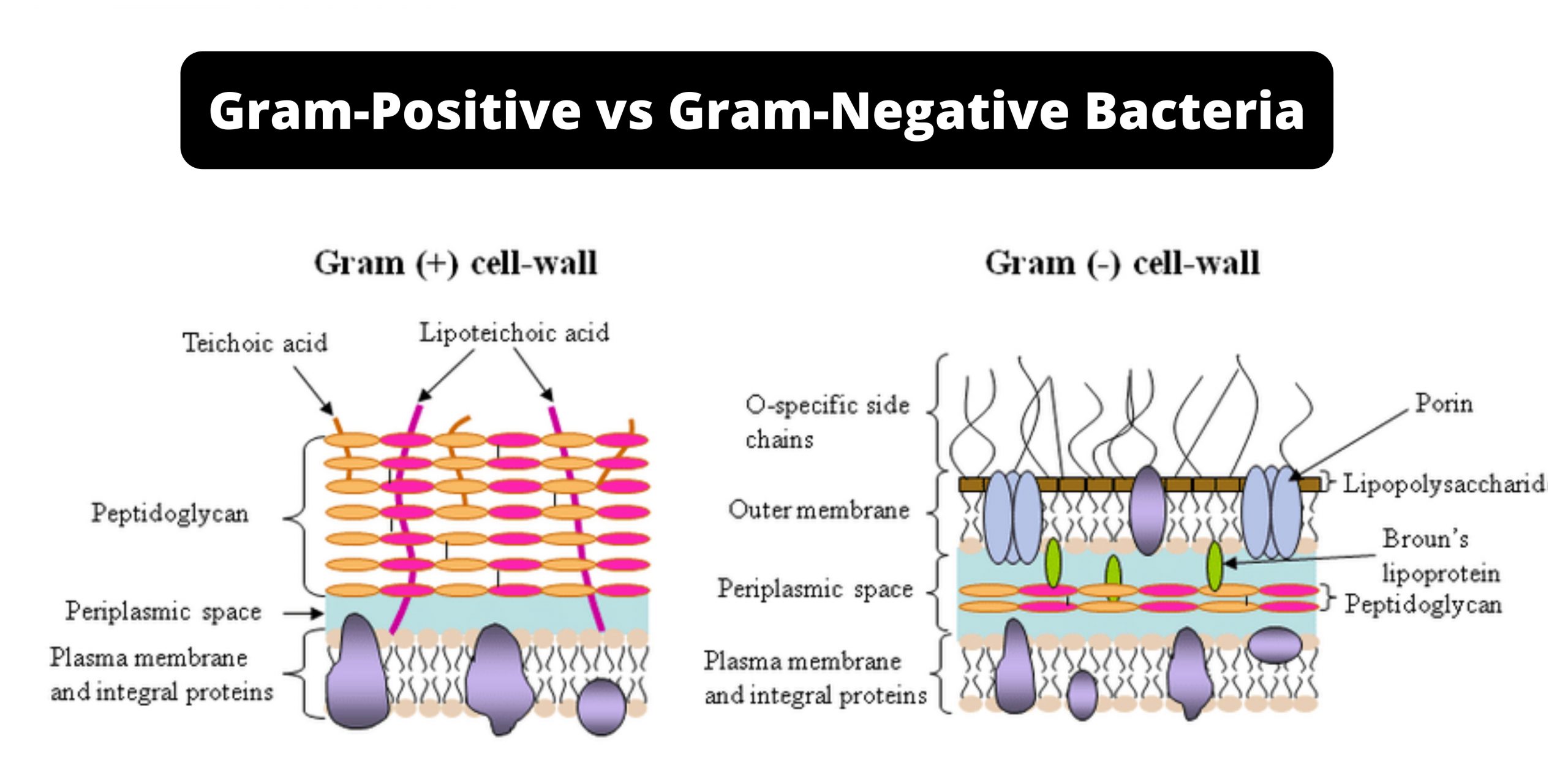
“Gram-positive” and “gram negative” are two terms used to classify two distinct kinds of bacteria. The distinction is in the form cells’ walls and the way they react with Gram staining.
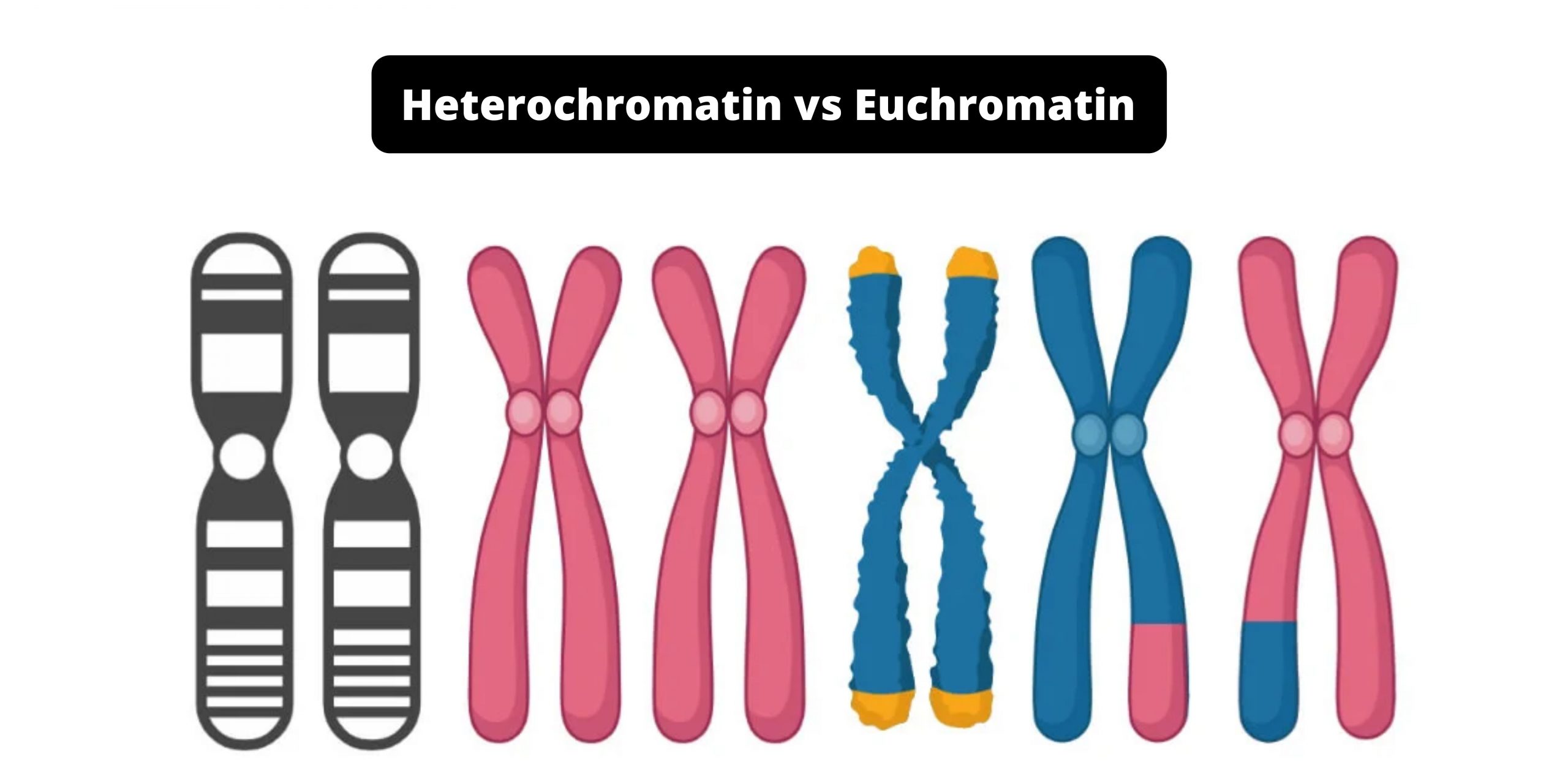
Heterochromatin is a densely packed or condensed DNA which is distinguished by the intense staining when stained by nuclear stains. They also contain transcripts that are inactive.