Welcome to Biology Notes Online! We are the BNO Team, dedicated to providing high-quality, accessible biology study notes for students and teachers alike. Our goal is to simplify complex biological concepts and present them in an easy-to-understand format, entirely free of charge. Whether you're preparing for exams, teaching a class, or simply passionate about biology, our comprehensive notes are designed to support your learning and teaching journey.
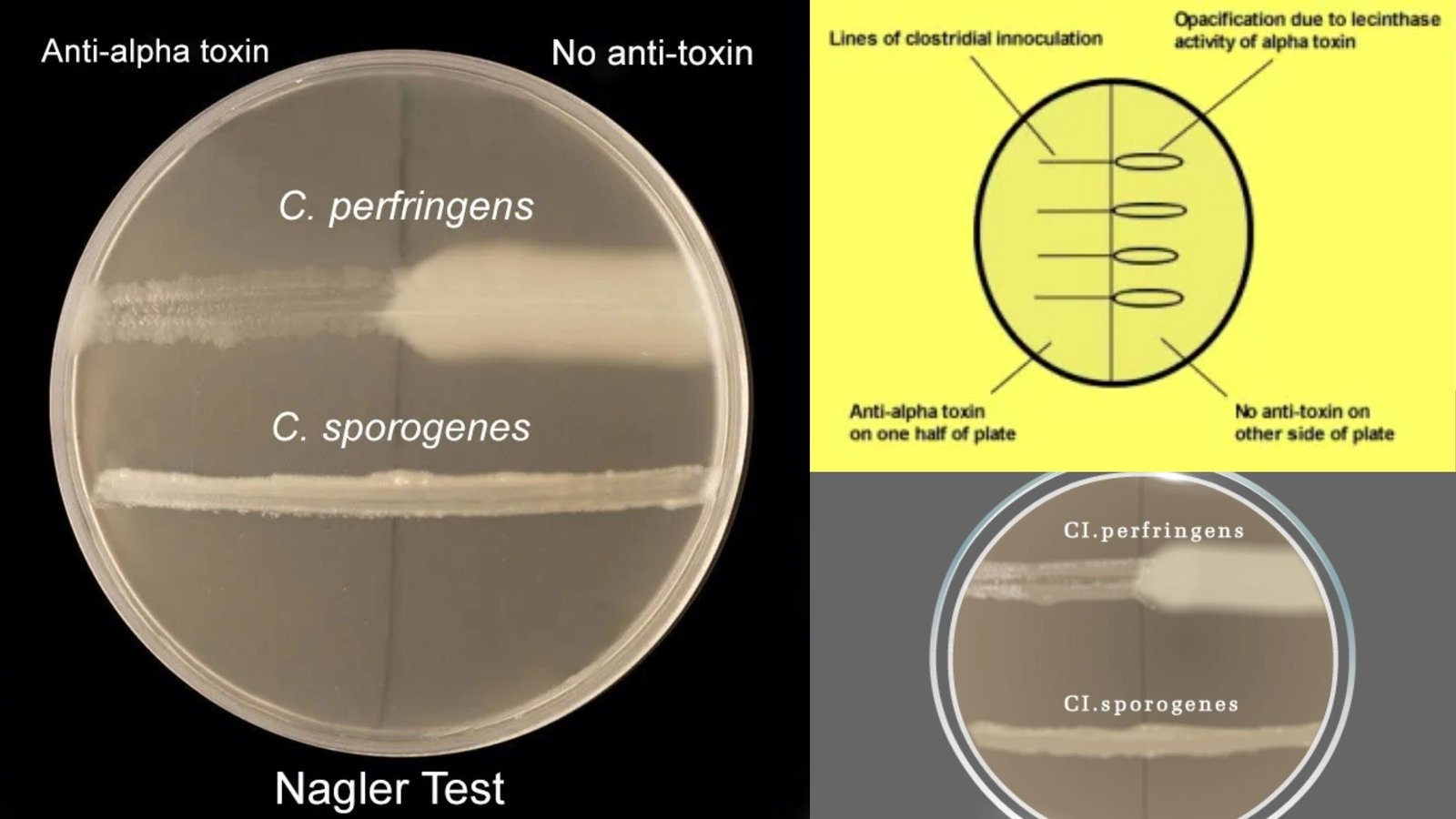
Nagler’s Reaction or Lecithinase test is a test in biochemistry used to detect organisms that produce the phospholipases (lecithinases) e.g. Clostridium perfringens. Its alpha (a) toxin from C. perfringens exhibits the phospholipase enzyme activity, which aids in the distinction between C. perfringens and the other Clostridium species that generate the enzyme lecithinase (C.baratti, C.absonum, C.bifermantans, C.sordelli, and C.novyi) through neutralization of lecithin C activity with an antitoxin.
The Widal test is an agglutination test that determines any antibodies present in the patient’s serum that are generated against the causal agents of the enteric febrile illness (Salmonella Typhi, and Salmonella paratyphi B, A as well as C).
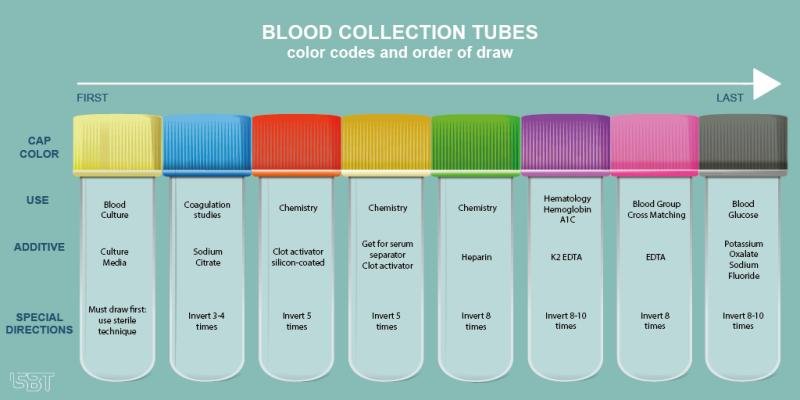
Evacuated Tubes that are used for blood collection for different laboratory tests are made up of tubes in variable sizes, and color-coded tops to indicate tube contents. The majority of blood collection tubes contain an ingredient that either speeds up the blood’s clotting (clot activator) or stops blood from becoming clot-free (anticoagulant). The following list lists the most frequently utilized blood collection tubes, along with their additives, and their uses in lab:
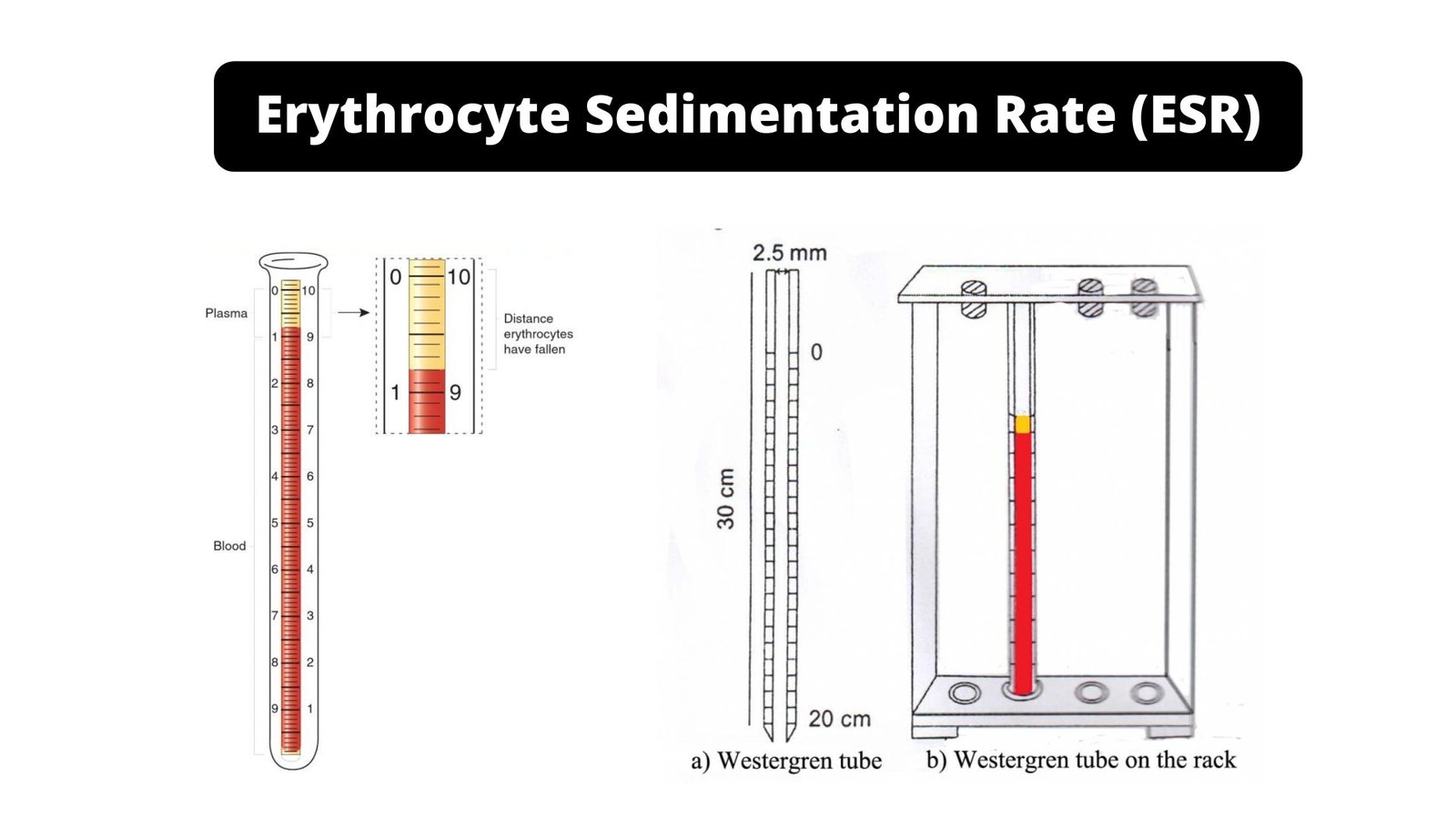
Erythrocyte Sedimentation Rate (ESR) can be described as a commonly used test used to detect non-specific signs of inflammation result of infection cancers, or certain autoimmune disorders. It is defined as the rate that Red Blood Cells (RBCs) accumulate over an hour.
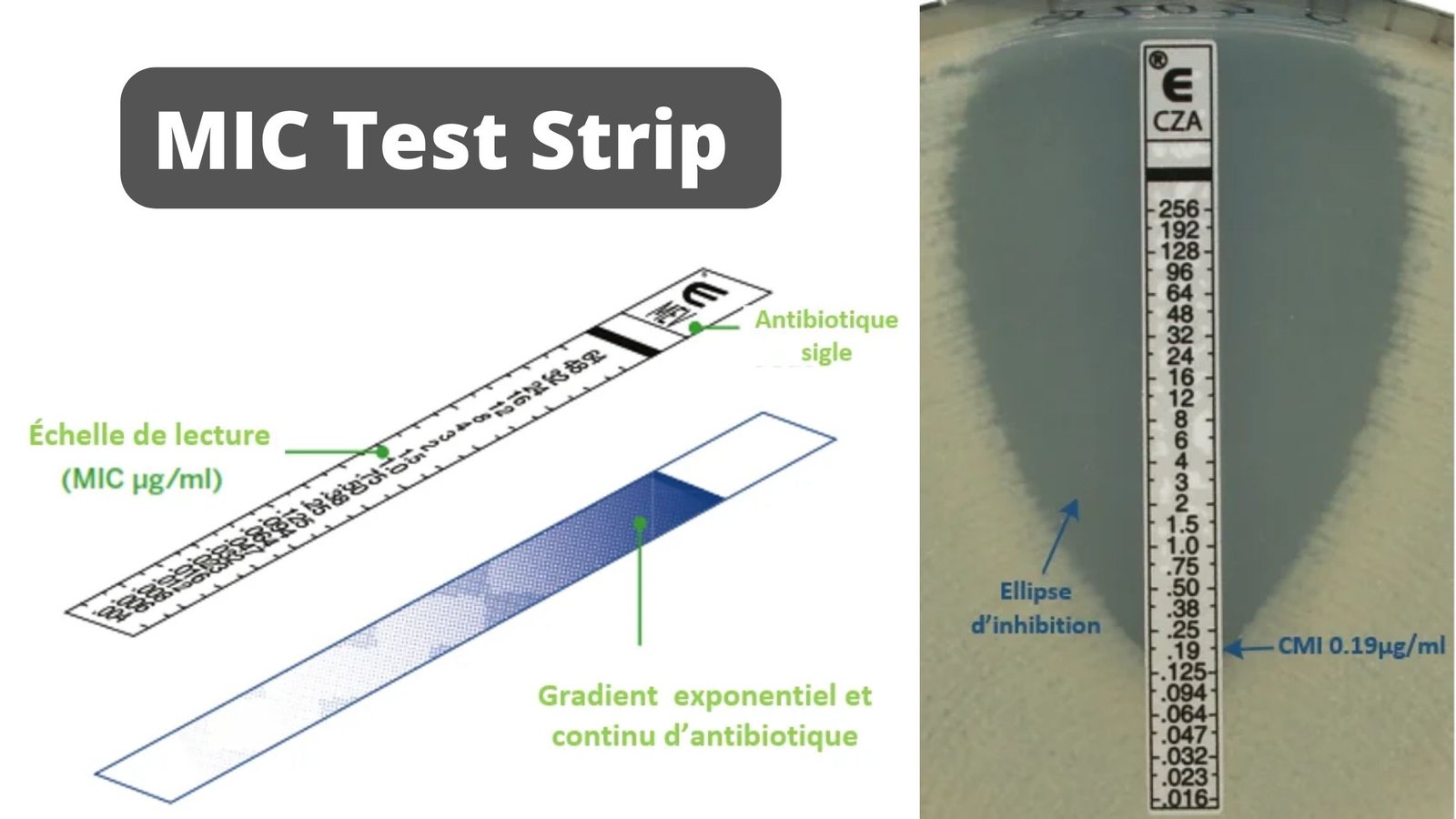
The Minimum Inhibitory Concentration (M.I.C.) of antimicrobial drugs against bacteria and the detection of resistance mechanisms can be found with the help of a MIC Test Strip, a quantitative assay.
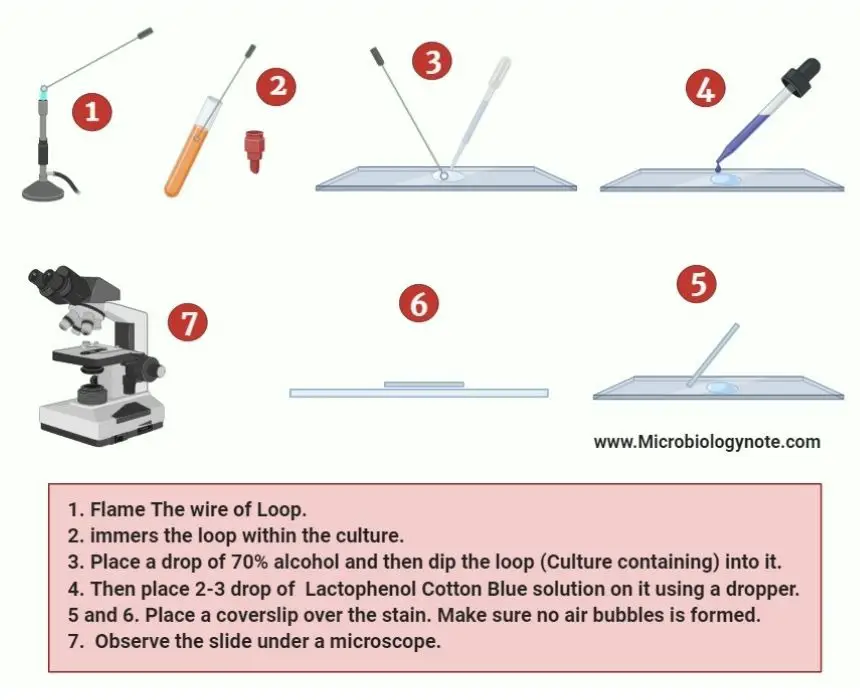
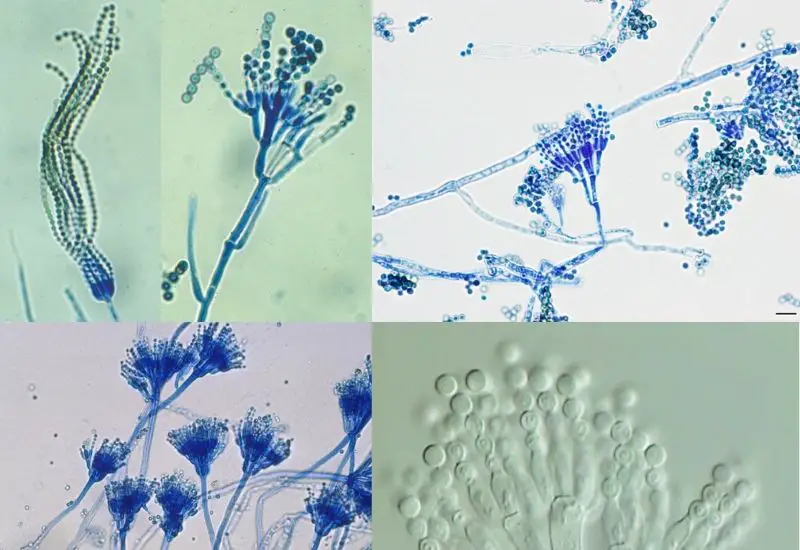
The Lactophenol Cotton Blue solution stains the chitinous cell wall of the fungal cell, which makes them different from the surrounding environments and can easily distinguishable. LCB is made of three main components such as Phenol, Lactic acid, and Cotton blue.
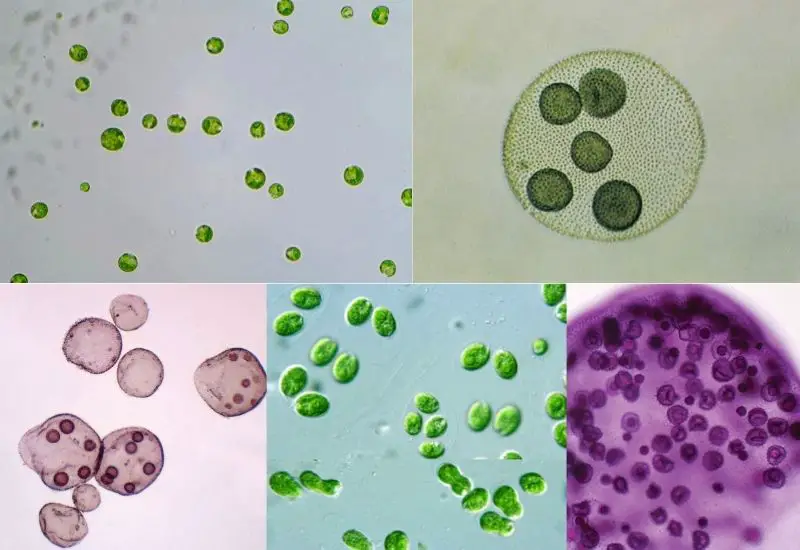
Chlamydomonas are single-celled green flagellates while Volvox is a part of colonial phytoflagellate that develops a hollow spheroid with several thousand cells enclosed in its mucilaginous wall.
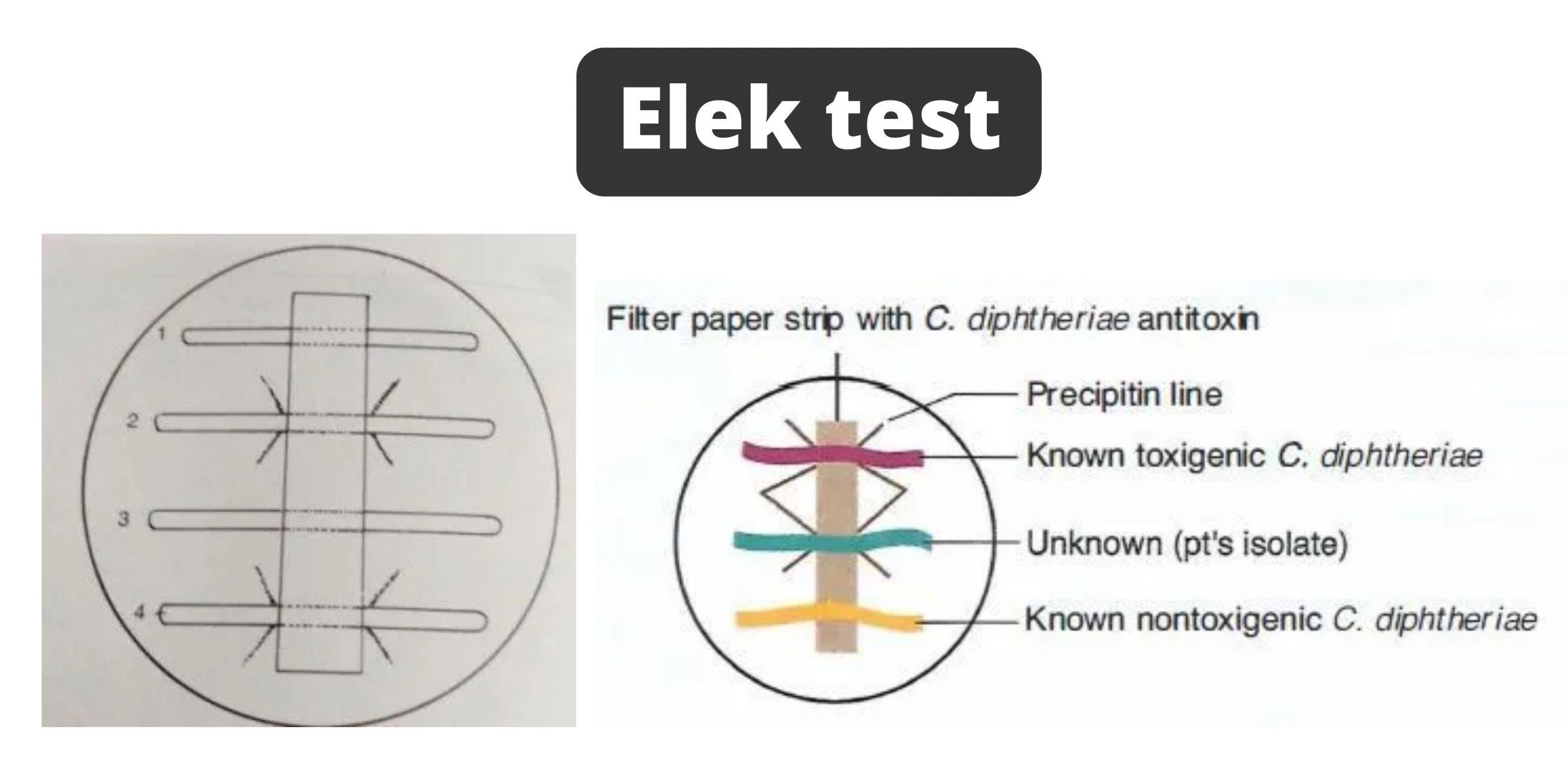
can be described as an test of immunoprecipitation (immunodiffusion) test that determines what specific strain of Corynebacterium Diphtheriae is toxic.